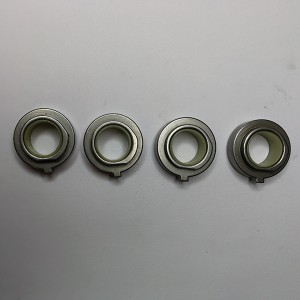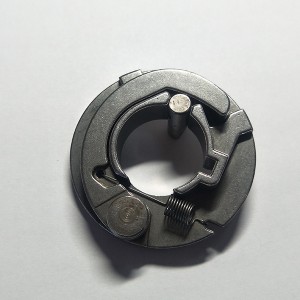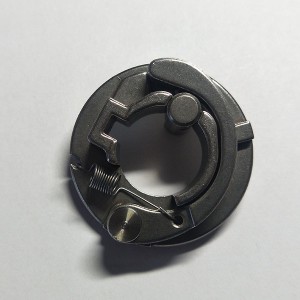





Understanding Bulk Gear Fitness: What Industry Veterans Know
After working in the industrial equipment sector for well over a decade, the phrase bulk gear fitness always carries more weight than what meets the eye. It’s not just a fancy term used in meetings or spec sheets — it’s a genuine measure of how well a batch of gears will perform once they’re in the thick of real operations. Frankly, if you overlook it, you risk premature failures that no one wants on their line.
When I first dove into this field, I realized many engineers focus on individual gear specs like hardness or face width but miss the bigger picture of a bulk lot’s overall fitness. Bulk gear fitness means the collective quality, consistency, and readiness of a group of gears—essentially their “health” as a collective. It’s like knowing if your whole pack of soldiers can do the job, not just a star recruit.
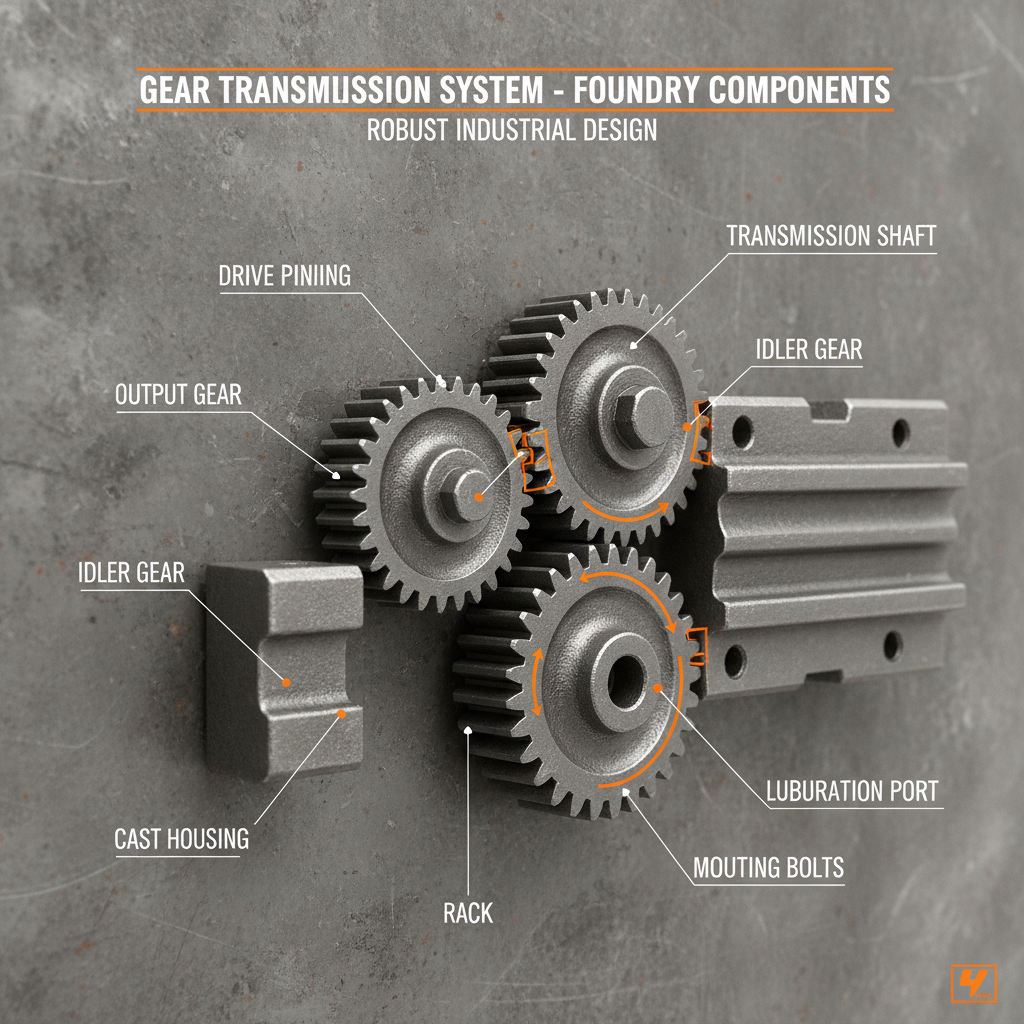
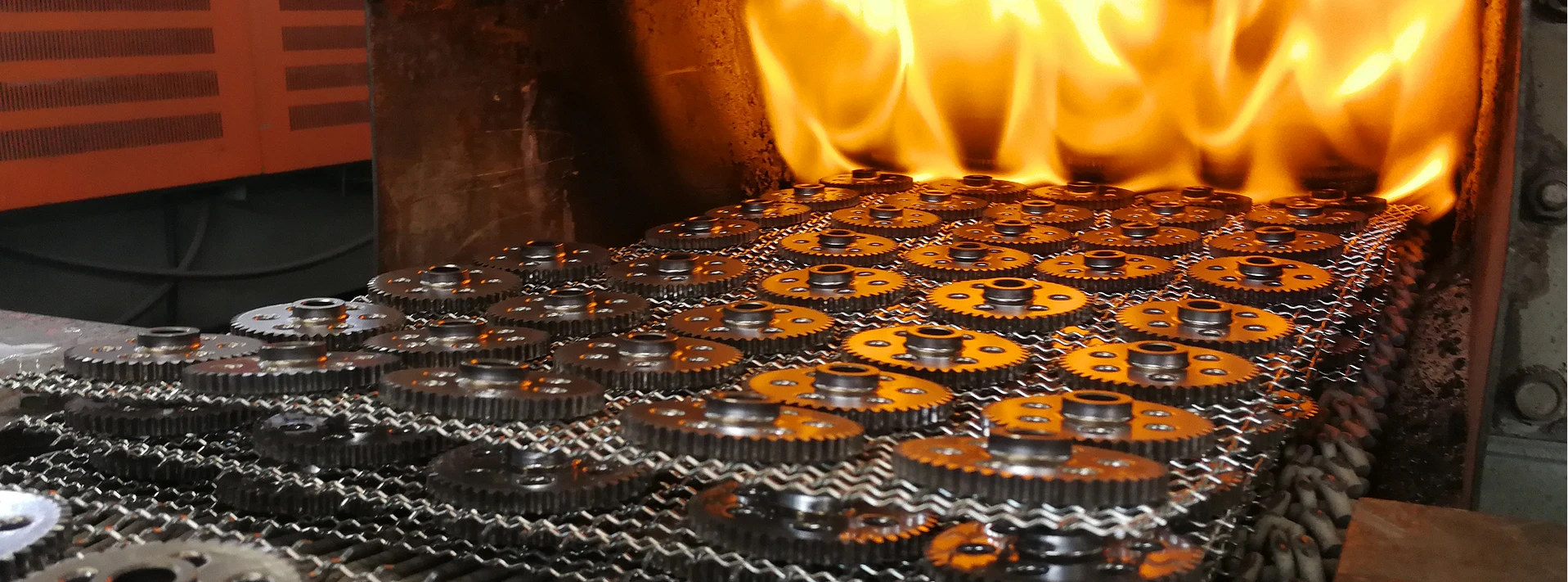
Let me share some insights on why bulk gear fitness matters. Oddly enough, it’s often tied to the materials used, the sintering processes, and post-manufacture heat treatments. Many hundreds (or thousands!) of gears have to match expectations, especially in industries like automotive or heavy machinery, where even slight deviations can be costly.
| Attribute | Value/Range | Remarks |
|---|---|---|
| Material | Alloy Steel / Powder Metallurgy Blend | Sintered components often customized per application |
| Hardness (HRC) | 58 - 65 | Depends on heat treatment process |
| Dimensional Tolerance | ± 0.02 mm | Critical for smooth gear meshing |
| Batch Consistency (% within Spec) | > 95% | Key metric for bulk fitness |
| Surface Finish | Ra 0.4 µm or better | Reduces noise and wear |
One thing I noticed early on is how testing protocols can vary wildly — that’s why choosing the right vendor matters so much. Many gear manufacturers swear by proprietary measurement rigs that simulate real-load conditions; some rely more on destructive testing of samples. In real terms, you want to align vendor capabilities with your production goals.
Speaking of vendors, here’s a snapshot comparison of industry leaders focusing on bulk gear fitness. I included some parameters you’ll often see debated:
| Vendor | Material Options | Batch Consistency | Customization Level | Lead Time |
|---|---|---|---|---|
| JSS Intering | Powder Metallurgy Alloy Blends | > 95% | High - tailored sintering processes | 4-6 weeks |
| GearTech Solutions | Steel & Cast Iron | > 90% | Medium - standard heat treatments | 6-8 weeks |
| Precision Gear Co. | Alloy Steel Only | > 92% | Low - fixed process lines | 3-5 weeks |
From my experience, a lot of engineers end up choosing vendors like JSS Intering because of their ability to produce consistent batches with well-controlled sintering processes. I remember one time at a plant walkthrough where a plant manager emphasized how their downtime drastically reduced after switching to vendors with better bulk gear fitness controls. It’s not just talk — the data was clear, and frankly, it was good to see solid numbers backing operational improvements.
Customization also plays a huge role here. You don’t always need the hardest gear if your application involves shock loads or fluctuating torque — in fact, a slightly more ductile batch can outperform a brittle but hard one. That’s why understanding the bulk gear fitness profile, not just individual specs, is so crucial. Many engineers say it’s like tuning an orchestra, rather than just tuning one instrument.
In closing, keep a close eye on how your gears perform as a group — it’s that collective “fitness” that often tells the full story. If you want to dig deeper into how to evaluate and source high-quality bulk gear batches, I’d recommend checking out vendors with proven track records and transparent testing standards. It feels like a small step that pays off big down the line.
References:
1. ASM Handbook, Vol. 16: Machining
2. Gear Technology Magazine, March 2023 Issue
3. JSS Intering Product Datasheets & Case Studies