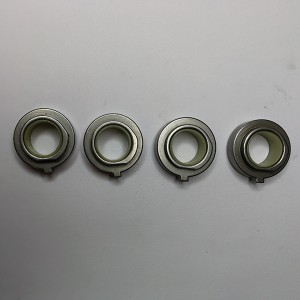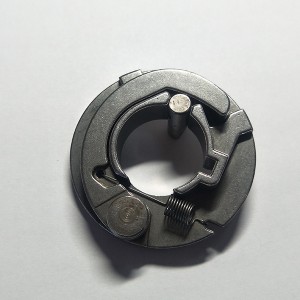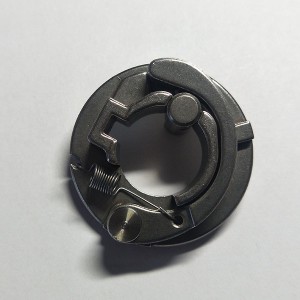





Gear Mechanism Types is a key solution in the industry, specifically within precision engineering, automotive components, and industrial machinery. This article explores how https://www.jssintering.com supports professionals with durable, high-performance products, and explains why this product is an ideal choice for businesses in these sectors.
Table of Contents
- Gear Mechanism Types Overview
- Benefits & Use Cases of Gear Mechanism Types
- Cost, Maintenance & User Experience
- Sustainability & Market Trends
- Frequently Asked Questions
- Conclusion on Gear Mechanism Types from China
Gear Mechanism Types Overview
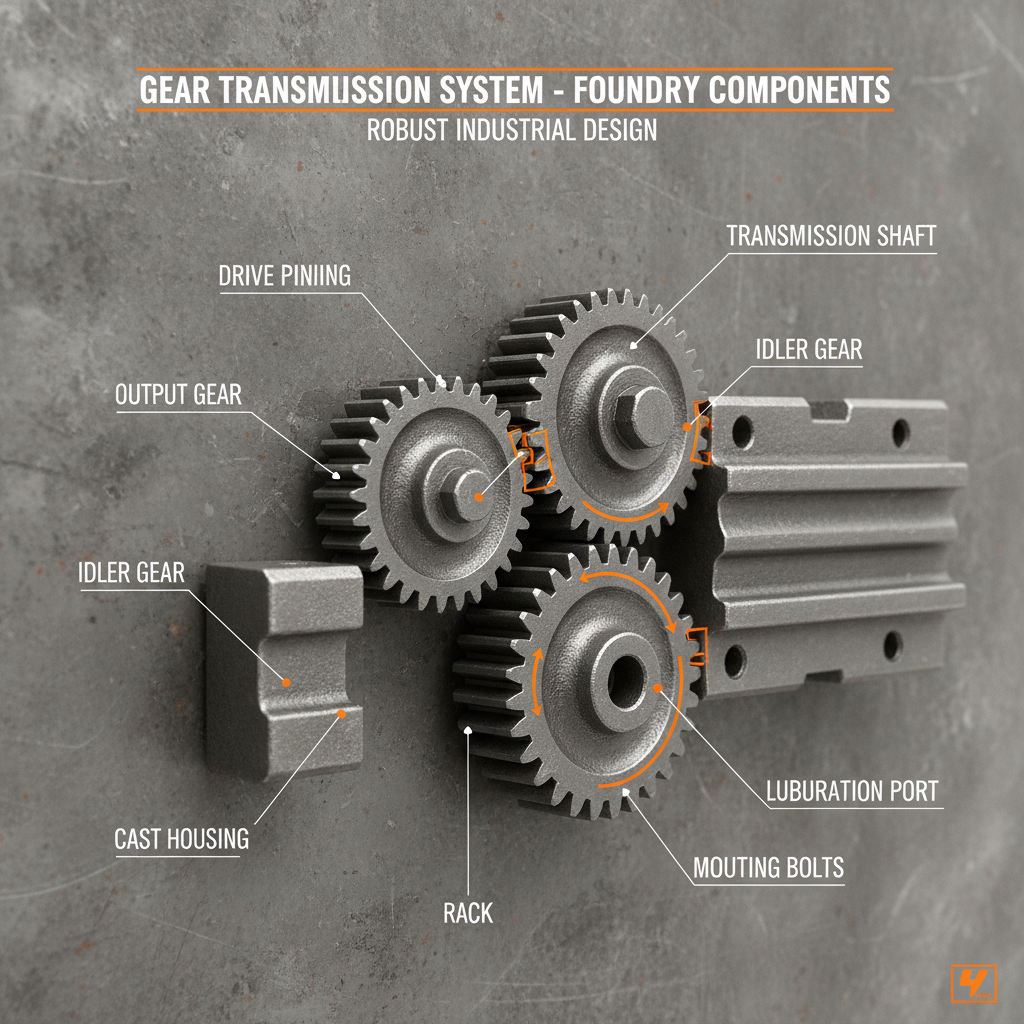
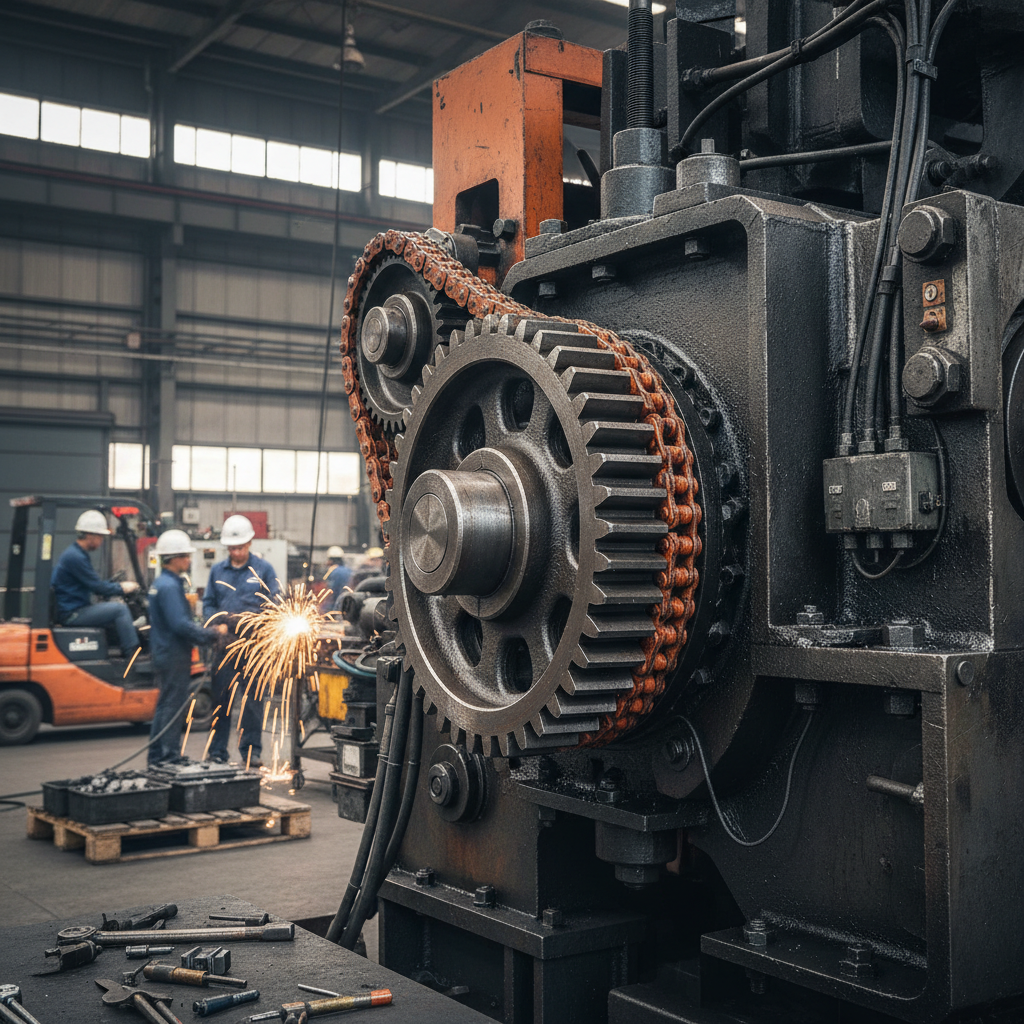
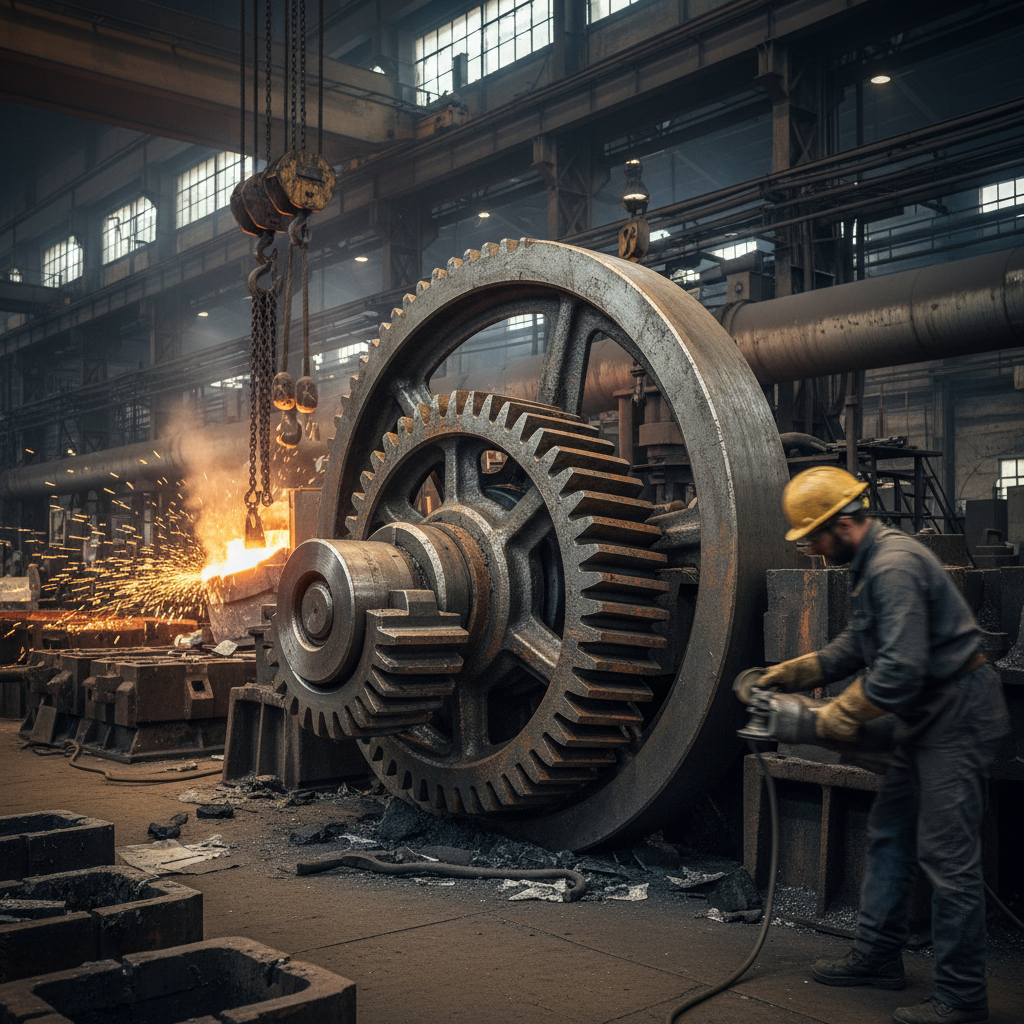
To really grasp Gear Mechanism Types, you have to think of them as the foundational building blocks that transfer torque and rotational motion in machines. Gear mechanisms come in several types, such as spur gears, bevel gears, worm gears, helical gears, and planetary gears. Each type serves distinct purposes depending on how you want to manipulate speed, torque, and direction. Frankly, it's impressive just how much design nuance there is in something that appears so simple.
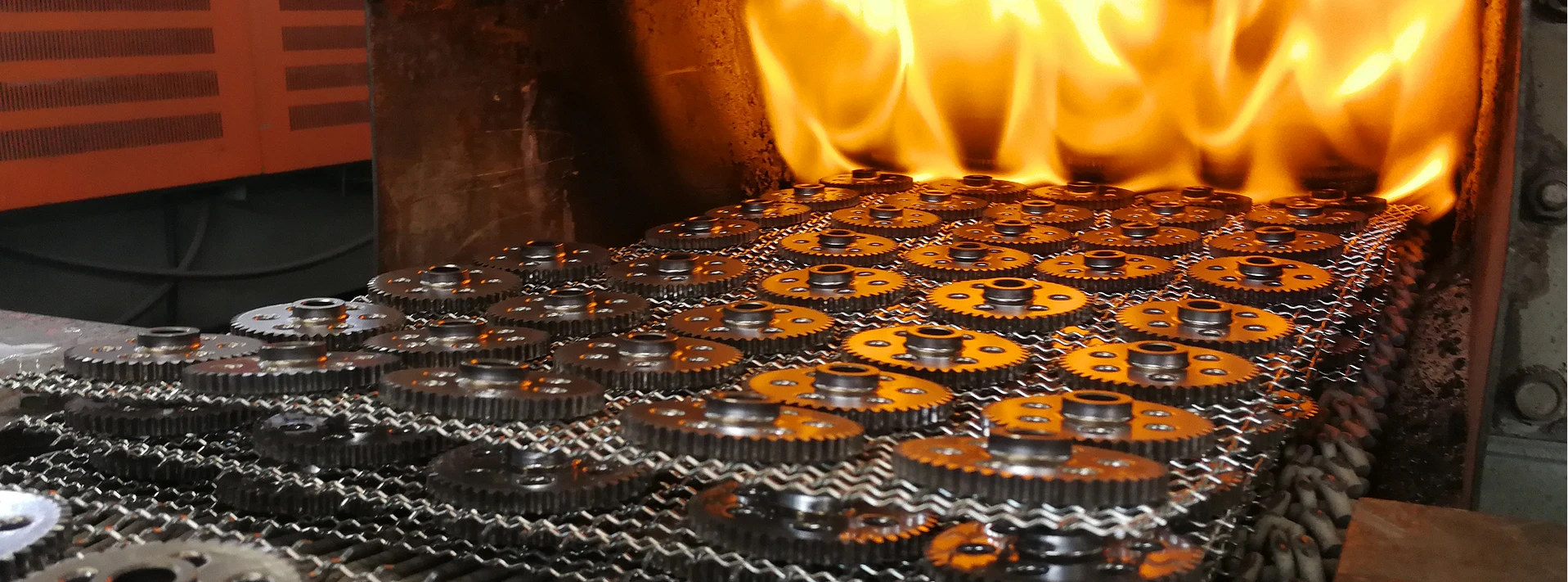
From a technical standpoint, these gears are manufactured with precise materials—often sintered metals—to meet demanding strength and durability standards. For example, JSS offers sintered bronze and steel gear solutions engineered for high fatigue resistance, which is critical for applications running 24/7 in manufacturing or automotive assembly lines. One recent case study showed how their geared components maintained integrity after 10,000 hours of continuous operation under cyclical load.
| Gear Type | Material | Typical Application | Max Torque (Nm) |
|---|---|---|---|
| Spur Gear | Sintered Steel | Industrial Machinery | 150 |
| Bevel Gear | Sintered Bronze | Automotive Transmissions | 120 |
| Worm Gear | Composite Metal | Conveyor Systems | 85 |
Benefits & Use Cases of Gear Mechanism Types
Gear mechanisms are everywhere in industrial environments. What’s fascinating is how their variety caters to very specific needs. For instance, spur gears are often preferred for straightforward power transmission, thanks to their efficiency and ease of manufacturing. Meanwhile, bevel gears are excellent when the direction of shaft rotation needs to change — a super-common need in automotive differentials. Worm gears, on the other hand, provide high reduction ratios in tight spaces.
JSS stands out because their materials and sintering technology result in products with excellent dimensional accuracy and surface finish. The competitive edge here comes down to longer service life — less need for downtime and maintenance, and a consistently smooth operation. Many engineers I spoke to say their JSS gears feel like an upgrade compared to traditional cast or machined parts — both in noise reduction and reliability.
Cost, Maintenance & User Experience
When you talk cost, it's tempting to just look at the initial purchase price. But for B2B decision makers, the total cost of ownership (TCO) is what counts — including installation, maintenance, downtime, and eventual replacement. Here, sintered gear mechanisms from JSS generally lead to strong ROI thanks to their durability and resistance to wear.
Maintenance is typically simpler; many users report less frequent lubrication needs and longer intervals between component checks. For example, one assembly plant using JSS sintered gears reported a 30% reduction in gear-related downtime over the past year. Oddly enough, this kind of reliability can sometimes be the deciding factor when multiple vendors are considered.
| Vendor | Material Quality | Delivery Lead Time | Warranty | Maintenance Support |
|---|---|---|---|---|
| JSS Sintering | High-grade sintered steel & bronze | 2-4 weeks | 12 months | 24/7 technical support |
| Vendor B | Standard machined alloy | 4-6 weeks | 6 months | Business hours support only |
| Vendor C | Cast metals | 3-5 weeks | 90 days | Limited support options |
Sustainability & Market Trends
Sustainability is increasingly front and center across manufacturing sectors, and gear mechanisms are no exception. The push for greener processes means suppliers like JSS are innovating with lower-energy sintering techniques and promoting recyclable materials. Regulations in Europe and North America are driving this shift as well, making it something companies can’t just overlook.
Industry growth in robotics, electric vehicles, and automation is fueling demand for high-precision, durable gears — and those must also comply with tighter environmental guidelines. So, it’s a bit of a balancing act. Luckily, JSS’s ability to customize gear types for specific applications while enhancing sustainability credentials gives businesses a meaningful leg up in the marketplace.
Frequently Asked Questions about Gear Mechanism Types
- What is Gear Mechanism Types and how does it work?
- Simply put, gear mechanism types refer to the different designs of gears used to transmit rotational force and speed between machine parts. They work by meshing teeth of one gear with another to transfer motion, often altering torque and direction.
- What are the main benefits of using Gear Mechanism Types in industrial applications?
- Benefits include reliability, efficiency, ability to handle high torque, and adaptability to different motion scenarios. Additionally, modern manufacturing materials improve lifespan and reduce maintenance needs.
- How does Gear Mechanism Types compare to traditional alternatives?
- Compared to older cast or machined gears, advanced sintered gear mechanisms offer superior dimensional accuracy, consistent quality, and often at a lower cost due to efficient manufacturing processes.
- What industries can benefit most from Gear Mechanism Types implementation?
- Sectors like automotive, industrial machinery, robotics, and aerospace rely heavily on gears. JSS has a strong track record supplying these industries with high-grade components that have been proven in real-world, demanding conditions.
Conclusion on Gear Mechanism Types from china
To wrap things up, Gear Mechanism Types supply essential mechanical functions in an astonishing range of industries, and providers like JSS bring serious expertise and quality to the table. Whether you're optimizing for cost, durability, or sustainability, these sintered components deliver real-world benefits. If you’re considering upgrading or specifying new gear mechanisms, I'd say it's well worth exploring what JSS has to offer.
- Recap: Robust, efficient, and adaptable gear mechanisms are crucial for competitive industrial performance.
- Visit our website: https://www.jssintering.com
Final thought: In an industry where details matter, the choice of gear mechanism can quietly make or break your operations.