




Gears Types is a key solution in the industry, specifically within mechanical engineering and manufacturing sectors. This article explores how https://www.jssintering.com supports professionals with durable, high-performance products, and explains why this product is an ideal choice for businesses in these sectors.
Table of Contents
- Gears Types Overview
- Benefits & Use Cases of Gears Types
- Cost, Maintenance & User Experience
- Sustainability & Market Trends
Gears Types Overview
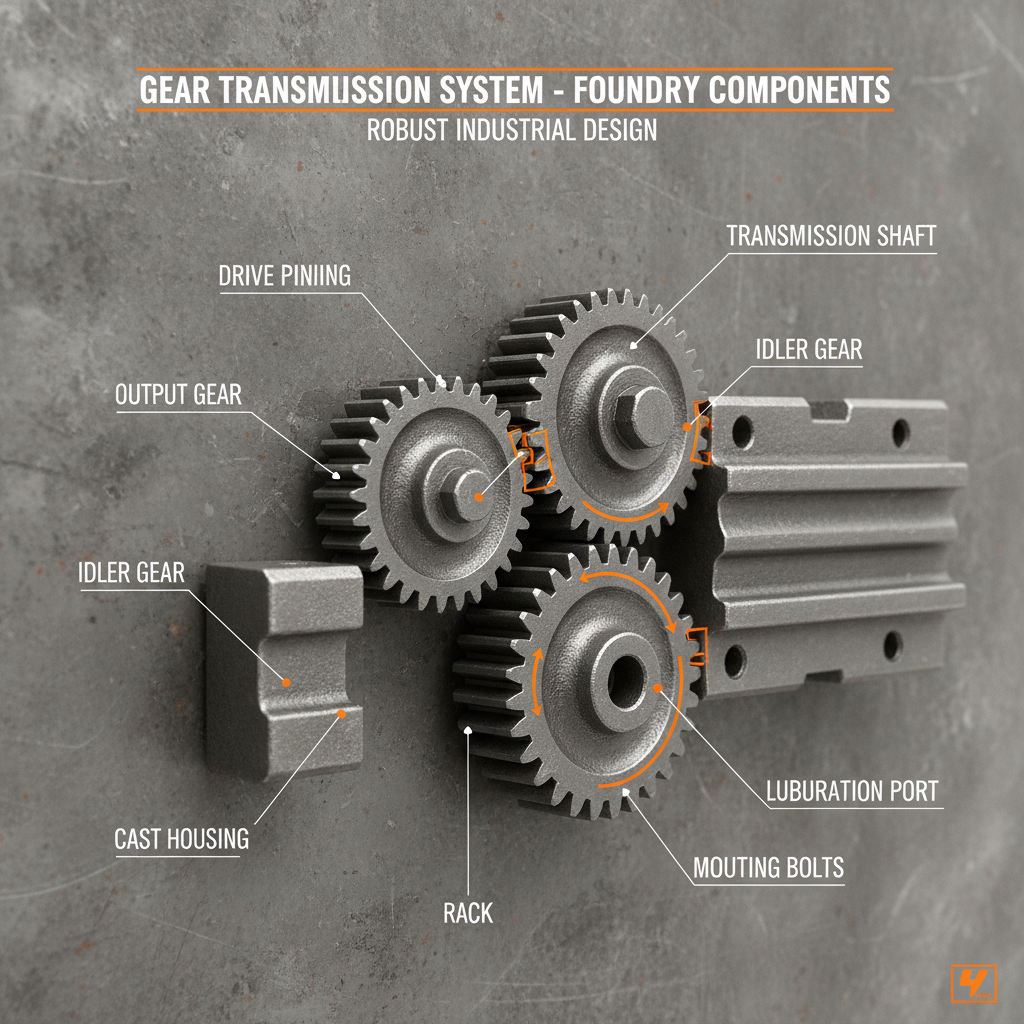
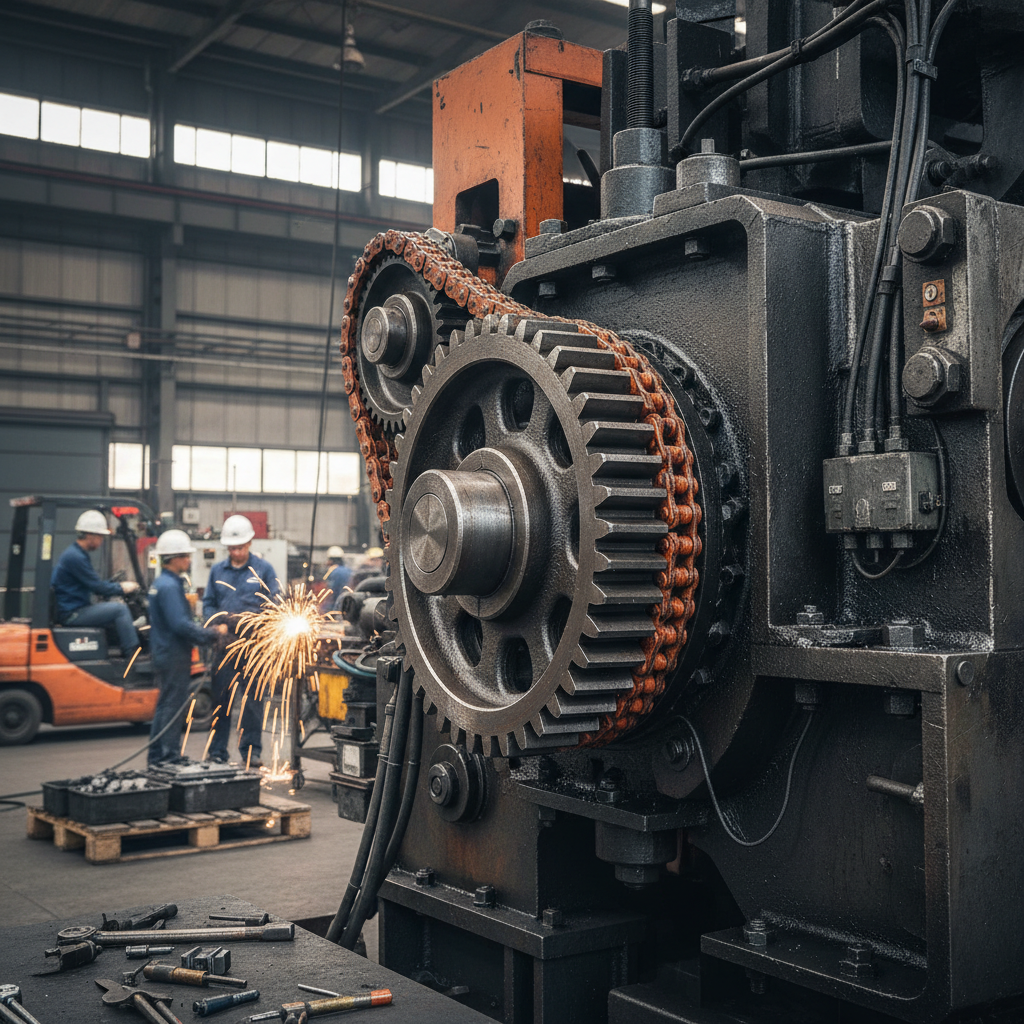
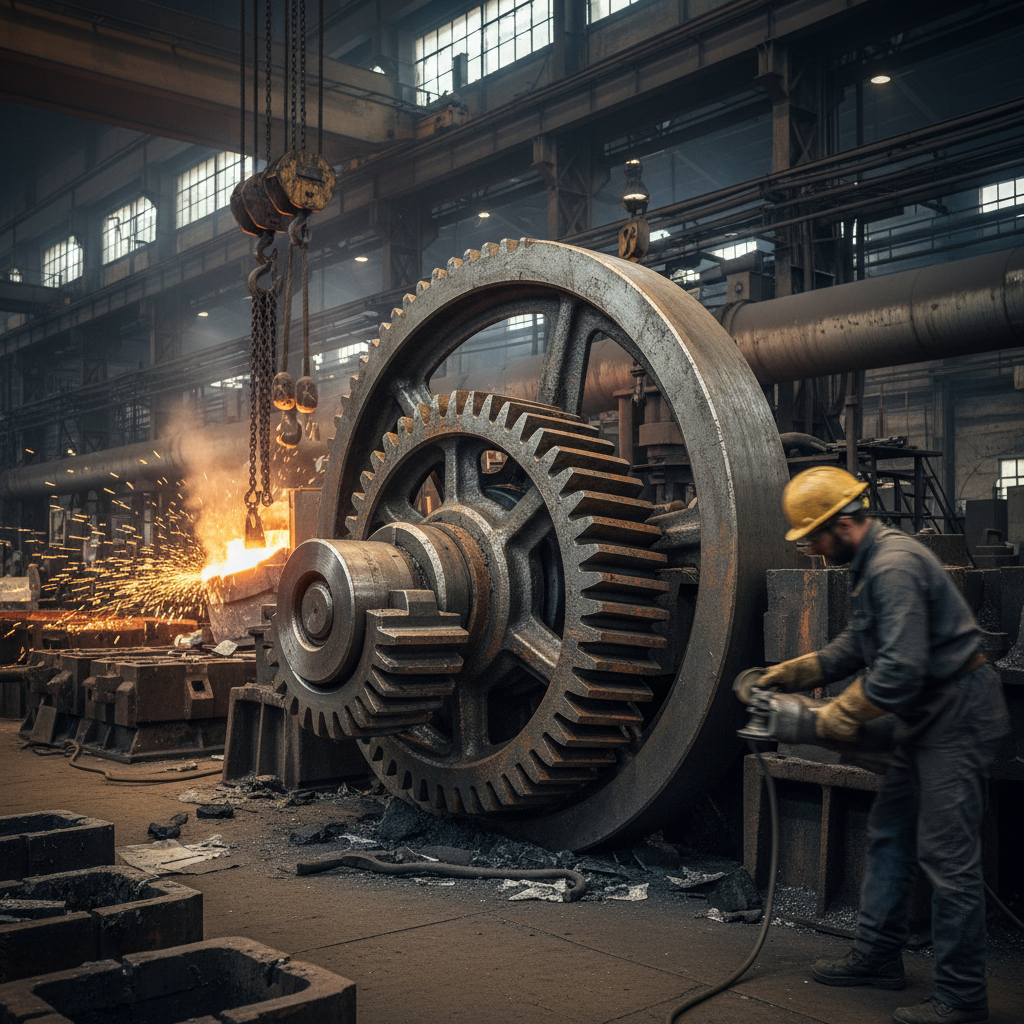
Gears, frankly, are the unsung heroes of mechanical systems. 'Gears Types' refers broadly to the different configurations and designs of gears — from spur and helical, to bevel and worm gears — each crafted with specific uses in mind. Their relevance is massive; any machine relying on torque transfer or speed alteration needs reliable gears. Industrial sectors, especially automotive manufacturing and heavy machinery, depend heavily on them.
- Gears Types define the mechanical interface and motion control, adapting to compact or high-torque requirements.
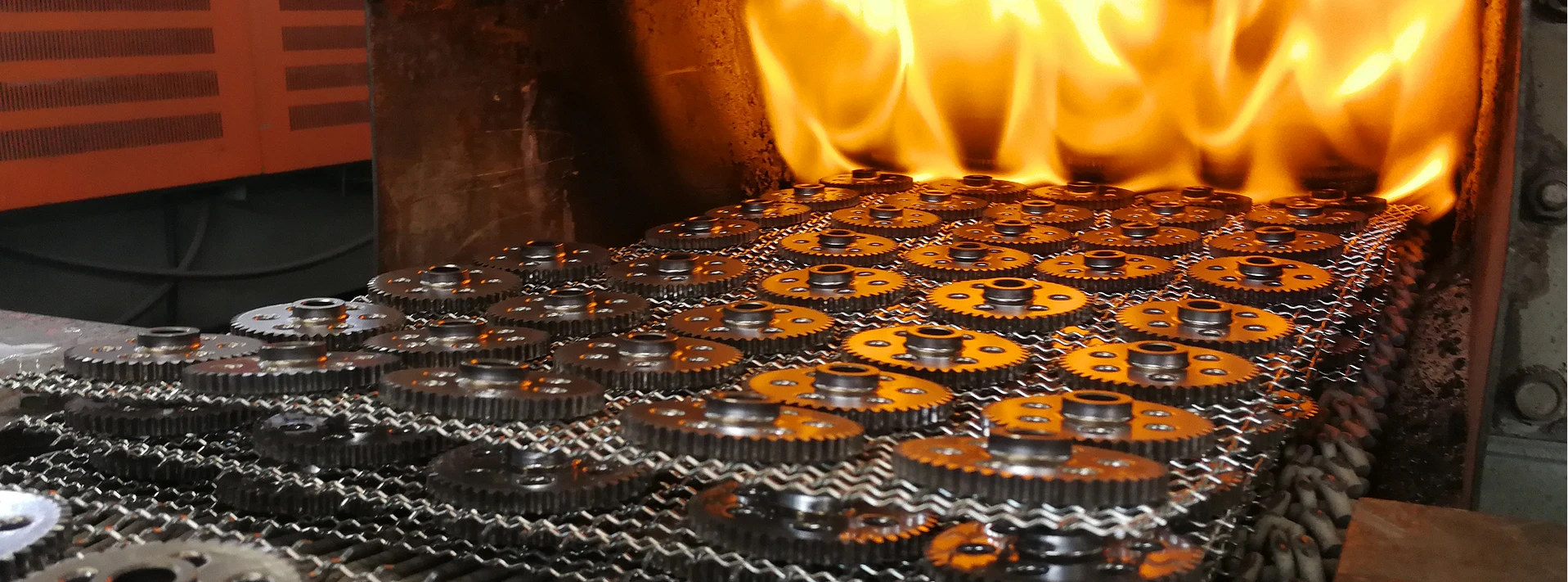
- Technically, these gears are precision-engineered using sintering—a powder metallurgy technique that JSS Sintering specializes in—ensuring material density and durability.
- For instance, a case study from an industrial client showed a 30% increase in gear lifespan due to using sintered helical gears from JSS, directly impacting maintenance schedules.
| Gear Type | Material | Module (mm) | Torque Capacity (Nm) | Typical Applications |
|---|---|---|---|---|
| Spur | Sintered Steel | 1 - 10 | Up to 150 | General Industry, Automotive |
| Helical | Sintered Steel | 2 - 12 | Up to 300 | Automotive, Heavy Machinery |
| Bevel | Sintered Steel | 3 - 15 | Up to 250 | Power Transmission, Robotics |
Benefits & Use Cases of Gears Types
In terms of use cases, different gears types serve unique purposes in industry. Spur gears, for example, are simple and reliable, ideal for low-speed, high-torque applications. Helical gears, by contrast, operate more quietly and smoothly, perfect for automotive transmissions. You know, the difference sometimes boils down to noise reduction alone, which frankly can make or break a product.
- Highly durable sintered gears from JSS offer longer service life, reducing unplanned downtime.
- Customization options mean industries can specify module sizes, tooth profiles, and materials to fit precise needs.
- Competitively, JSS gears tend to outperform cast or machined gears in weight to strength ratios — which engineers often highlight as a key advantage.
Vendor Comparison: JSS Sintering vs. Traditional Gear Manufacturers
| Feature | JSS Sintering | Traditional Manufacturers |
|---|---|---|
| Manufacturing Process | Powder Metal Sintering | Casting / Machining |
| Material Efficiency | High (minimal waste) | Lower (more scrap) |
| Customization Flexibility | Excellent | Limited |
| Lead Time | Shorter | Longer |
| Durability | High | Medium |
Cost, Maintenance & User Experience
When we talk total cost of ownership, it's often tempting to look just at purchase price. But with gears, especially the types offered by JSS, things are a bit more nuanced. The sintering process produces parts requiring less finishing, reducing initial cost, but their real savings come from minimized maintenance and longer uptime.
- Durability means fewer replacements, which translates into measurable ROI.
- Customer feedback often highlights the smoother running and quieter operation, which, oddly enough, improves worker comfort and machine perception on the floor.
- Sintered gears also tend to have excellent dimensional stability under load — engineers say this enhances predictability and reliability in real terms.
Sustainability & Market Trends
Sustainability is no longer peripheral; it’s front and center. Gears Types manufactured through sintering align well with environmental goals, as the process limits raw material waste and reduces energy consumption compared to traditional forging or machining. This makes them desirable under tightening global regulations.
- The market trend is oriented towards lightweight, durable components, and sintered gears fit perfectly into this niche.
- Industry 4.0 adoption means demand for precision gears with consistent quality, another win for sintered solutions.
- I noticed recent reports estimating a compound annual growth rate (CAGR) of around 5% for specialized gear manufacturing globally over the next five years.
Frequently Asked Questions about Gears Types
- What is Gears Types and how does it work?
- Gears Types refers to the different designs and configurations of gear mechanisms used to transmit power and change speed or torque in machines. They work by meshing teeth so rotational motion is transferred precisely and efficiently.
- What are the main benefits of using Gears Types in industrial applications?
- The benefits include enhanced durability, machine performance, noise reduction, and cost-effectiveness over time — especially when using advanced manufacturing techniques like sintering.
- How does Gears Types compare to traditional alternatives?
- Sintered gears typically offer more uniform density, improved dimensional accuracy, and less material waste than cast or machined gears — making them lighter and often stronger in performance.
- What industries can benefit most from Gears Types implementation?
- Automotive, aerospace, robotics, and power transmission sectors benefit most. For example, automotive manufacturers rely on helical sintered gears for smoother transmission systems.
Conclusion on Gears Types from china
To wrap it up, the value of Gears Types lies in their durability, customization, and efficient manufacturing process. They make a solid investment for B2B decision-makers seeking reliable performance with cost savings down the line. And if you’re scouting for a trusted source, visiting https://www.jssintering.com is a no-brainer.
Source: Global Gear Market Analysis Report, 2023