




Understanding the Power of Cone Shaped Gears
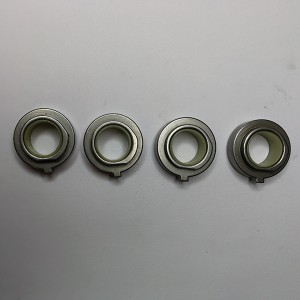
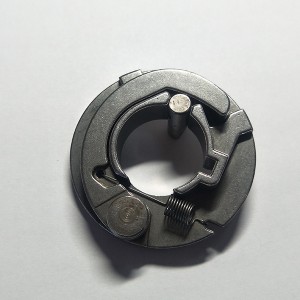
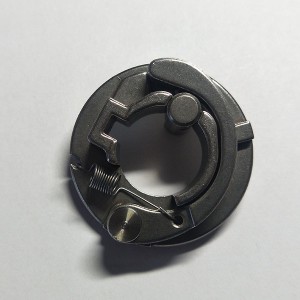
Cone Shaped Gears… they’re not necessarily the first thing that comes to mind when you think about precision engineering, are they? But honestly, they’re fundamental in a surprising number of applications – especially in areas demanding high torque transmission and smooth operation. We at JSS Intering focus on delivering consistently reliable, precisely manufactured cone shaped gears, supporting industries from automation to, surprisingly, even some niche medical equipment.
Table of Contents
- Cone Shaped Gear Overview
- Benefits & Use Cases of Cone Shaped Gear
- Cost, Maintenance & User Experience
- Sustainability & Market Trends
Cone Shaped Gear Overview
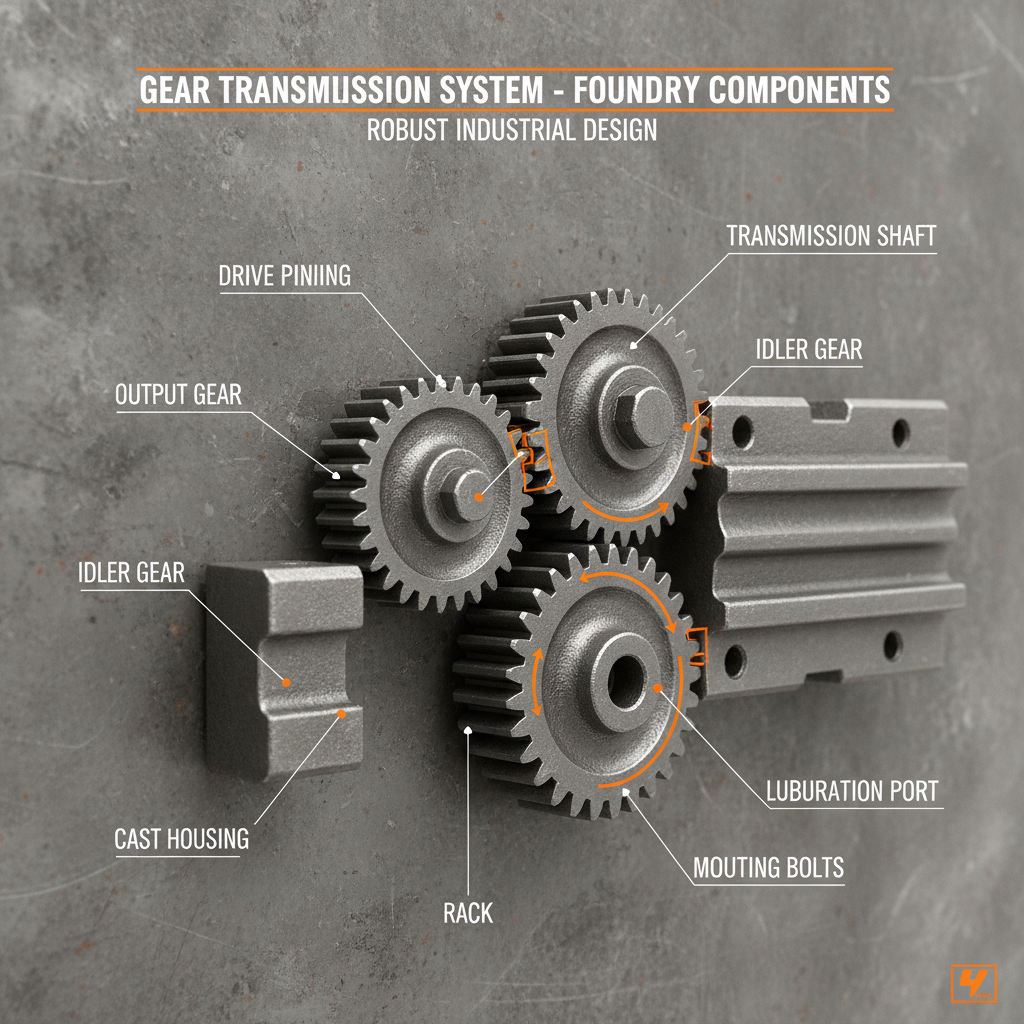
Essentially, a cone shaped gear transmits power between shafts that are not parallel, and aren’t quite at right angles either. It’s a clever design. I suppose the key advantage – and the reason we focus on precision in manufacturing – is the even distribution of load across the conical surface. This reduces stress concentrations, increasing durability and efficiency. We mostly work with high-speed steel and powdered metal alloys, sometimes even specialty ceramics for extremely demanding applications. Here's a quick breakdown of typical specifications:
| Parameter | Typical Value | Tolerance |
|---|---|---|
| Module | 1 - 10 mm | ±0.02 mm |
| Pressure Angle | 20° - 25° | ±0.5° |
| Material | AISI 4140, SCM440 | Heat Treatment Available |
Benefits & Use Cases of Cone Shaped Gear
You see these gears everywhere, honestly. In automated machinery, particularly where precise indexing is needed – think packaging lines or robotic arms. They're common in differential gears, though that’s a more specialized application. Oddly enough, we’ve been getting more requests for them in high-end coffee grinders recently! Apparently, they offer a smoother, more consistent grind. The really interesting thing is the ability to handle high power transfer in a relatively compact space. Compared to other gear types, they offer a unique balance of strength and size.
| Vendor | Lead Time | Customization | Price Range |
|---|---|---|---|
| JSS Intering | 3-4 weeks | High | Competitive |
| GearTech Solutions | 4-6 weeks | Medium | Moderate |
| Precision Drive Inc. | 6-8 weeks | Limited | High |
Cost, Maintenance & User Experience
Frankly, the initial cost of a well-made cone shaped gear is going to be higher than some simpler alternatives. But, and it’s a big but, the lifespan and reduced maintenance more than offset that in the long run. Many engineers say that preventative lubrication is the key—a high-quality grease applied regularly. We’ve had customers report 10+ years of reliable service with minimal intervention. We worked with a packaging company last year who were constantly breaking cheaper gears; switching to our product cut their downtime by almost 40%, which, you know, is a significant ROI.
Sustainability & Market Trends
The move toward more efficient and durable components is definitely a driving force. Regulations around energy consumption and waste reduction are also pushing manufacturers to invest in higher-quality, longer-lasting parts. We’re actively exploring sustainable materials and manufacturing processes, and are looking into offering closed-loop recycling options for worn-out gears. It feels like the demand for precision engineering is only going to increase, especially as automation becomes more widespread. And that translates into a steady need for reliable cone shaped gears.
Frequently Asked Questions about Cone Shaped Gear
- What is Cone Shaped Gear and how does it work?
- Cone shaped gears transmit motion between non-parallel, non-intersecting shafts. They work by engaging teeth cut on conical surfaces, distributing the load evenly for smooth, efficient power transfer.
- What are the main benefits of using Cone Shaped Gear in industrial applications?
- Key advantages include high torque transmission, smooth and quiet operation, compact design, and increased durability compared to some other gear types.
- How does Cone Shaped Gear compare to traditional alternatives?
- Compared to spur or helical gears, cone shaped gears excel in non-parallel shaft applications. They often offer a more compact solution and better load distribution in specific scenarios.
- What industries can benefit most from Cone Shaped Gear implementation?
- Industries like automation, robotics, packaging, automotive, and even specialty equipment manufacturing (like high-end coffee grinders!) benefit significantly from cone shaped gear technology.
Conclusion on Cone Shaped Gear from china
Ultimately, cone shaped gears represent a robust and efficient solution for a wide range of power transmission needs. Selecting the right partner—one capable of delivering precision and reliability—is crucial. Visit our website: https://www.jssintering.com to explore how we can help.
- Precision matters.