




A field guide to gearboxes (and why powder‑metal gears are having a moment)
Walk any shop floor and you’ll hear the same debate: “which gearbox is right for this duty cycle?” From compact planetary units to classic spur/helical reducers in pump drives, choosing wisely saves headaches later. When teams evaluate different types of gear box, they’re really weighing noise, efficiency, tolerance stack-up, and—quietly—the supply chain.
Industry snapshot
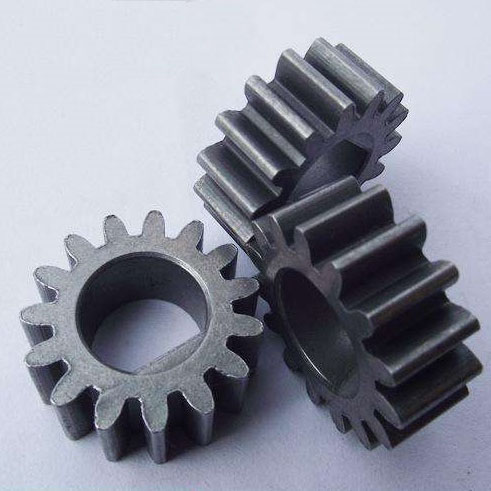
Two converging trends: electrification (quiet, high-efficiency drives) and localized supply. Powder‑metallurgy (PM) gears have edged into hydraulic pump gearsets because they hit a sweet spot—tight tolerances, low noise, and repeatability—without the machining hours of billet steel. Many customers say noise dropped a couple of dB after moving from cut gears to sintered + ground finishing. Not magic—just process control.
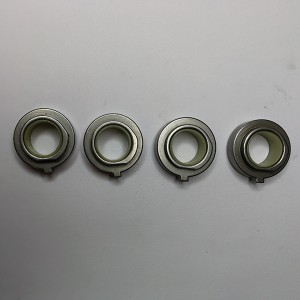
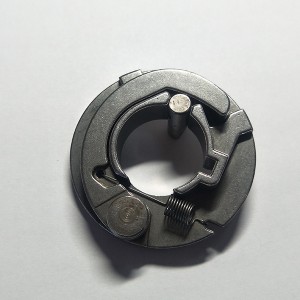
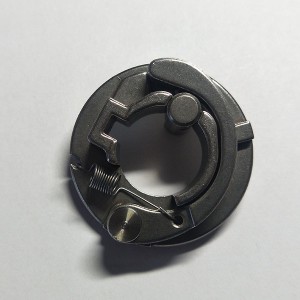
Product spotlight: Customized hydraulic oil pump gear
Origin: TIANSHAN INTERNATIONAL MANUFACTURING INDUSTRY PARK NO.57, YUANSHI, SHIJIAZHUANG CITY, HEBEI PROVINCE, CHINA.
| Parameter | Specification (≈, real‑world use may vary) |
|---|---|
| Material | Iron powder / Iron alloy powder (PM) |
| Density | 6.0–7.2 g/cm³ (Fe) |
| Tolerance | ±0.002 mm on critical features |
| Surface finish | Blacken, Dacromet, Polishing, Sand Blasting, Electroplating |
| Heat treatment | Ordinary/High‑frequency quench; Carburizing; Nitriding (aka “Ritriding”) |
| Performance | High precision, high wear resistance, low noise, smooth/steady, cost‑efficient |
| Certifications | ISO 9001, IATF/TS 16949 |
| Typical hardness | HRC 30–58 (post‑treat) |
| Applications | Hydraulic oil pumps, vehicles, home appliances, transmission parts, sport equipment |
Process flow (how the repeatability happens)
- Powder selection and blending (alloyed Fe; lubricants, around 0.5–1.0%)
- Compaction in precision die (tonnage set by module/face width)
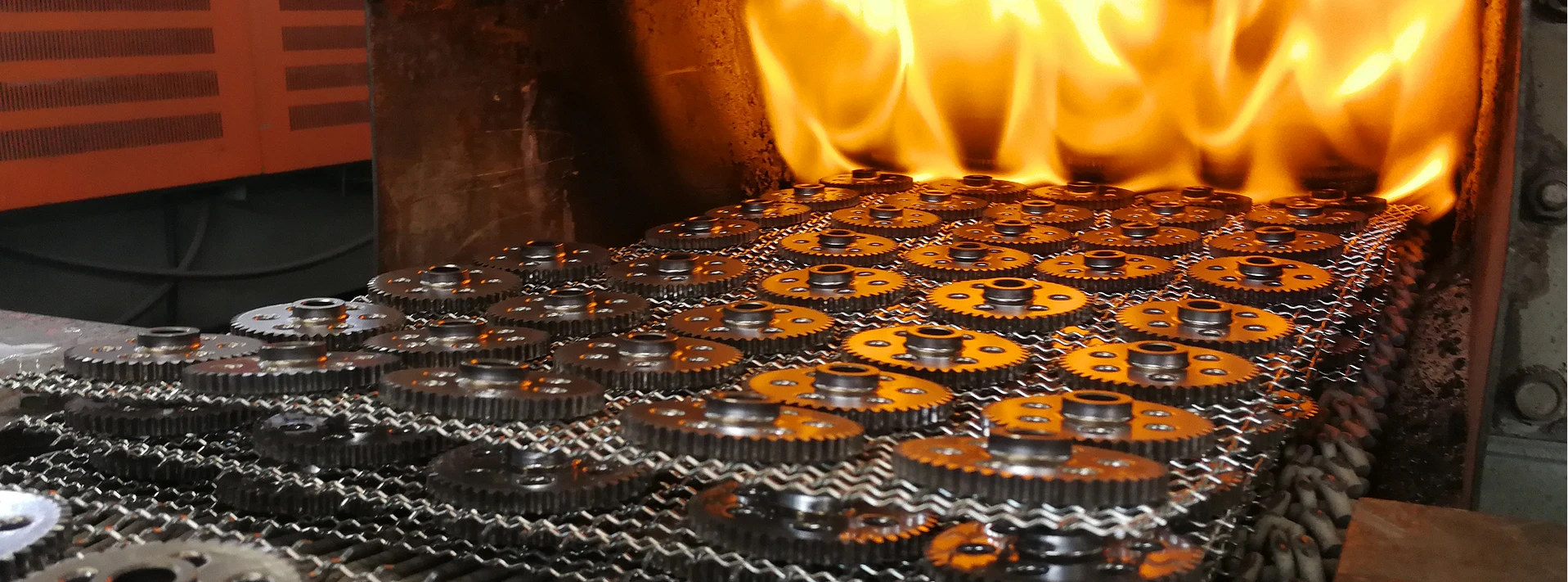
- Sintering at ~1120–1150°C, controlled atmosphere
- Sizing/burnishing; optional green machining for datums
- Heat treat: carburize or high‑frequency quench; optional nitriding
- Finishing: grinding/honing tooth flanks to AGMA 9–10
- Testing: CMM, involute/lead charts (AGMA 915‑1), hardness (HRC), porosity per MPIF/ISO
Typical noise delta in hydraulic pump duty: −2 to −4 dBA vs. rough‑cut gears; efficiency uptick ≈1–2% in steady-state. Service life? In clean oil, 10,000–20,000 h is realistic, assuming proper filtration and alignment.
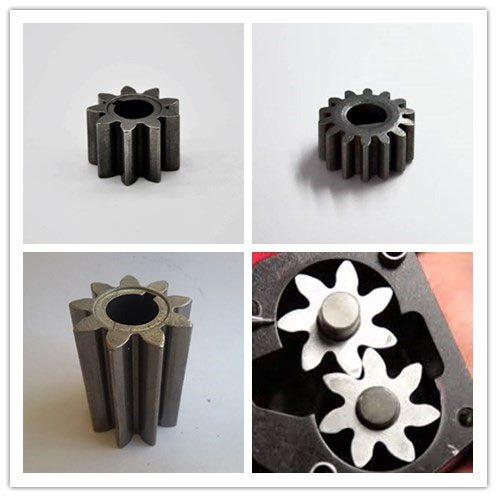
Comparing different types of gear box for pump drives
| Vendor/Type | Manufacturing | Typical Tolerance | Noise | Lead Time | Certs |
|---|---|---|---|---|---|
| PM Gear (this product) | Powder metallurgy + grind | ±0.002 mm | Low | 3–6 weeks | ISO 9001, IATF/TS 16949 |
| Machined Steel House | CNC hob + grind | ±0.005 mm | Medium | 6–10 weeks | ISO 9001 |
| Die‑Cast + Post‑Machining | Al/Zn casting | ±0.02 mm | Medium–High | 4–8 weeks | Varies |
Customization and use cases
Modules 0.6–4, pressure angles 20°/25°, crowned flanks, tip relief for pump cavitation mitigation, and protective coatings (Dacromet for corrosion) are common tweaks. Seen in off‑highway hydraulics, HVAC pumps, e‑bike assist units, and appliance transmissions.
Quick case study
An ag‑hydraulics OEM swapped a cut spur pair for this PM gear in a 250 bar pump. After a modest tooth grind and carburize, test cells reported −3.1 dBA, +1.4% volumetric efficiency, and no abnormal wear after 1,000 h endurance (ISO 6336 checks passed; oil ISO VG 46). Maintenance techs—who are a tough crowd—said, “quieter at cold start,” which frankly is the money quote.
Validation and standards
- Tooth rating per ISO 6336 / AGMA 2001; geometry check per AGMA 915‑1.
- PM properties aligned with MPIF/ISO sintered metal specs; hardness HRC verified.
- System audits under ISO 9001 and IATF 16949; PPAP on request.
If your team is mapping different types of gear box for a new pump platform, short list PM gears for noise and consistency, then lock the win with proper heat treat and finishing. Simple, but it works.
- ISO 6336: Calculation of load capacity of spur and helical gears — https://www.iso.org/standard/72002.html
- AGMA 2001‑D04: Fundamental Rating Factors and Calculation Methods — https://www.agma.org
- AGMA 915‑1: Accuracy classification system — https://www.agma.org
- IATF 16949:2016 Automotive QMS — https://www.iatfglobaloversight.org
- MPIF Standard 35 / ISO sintered metals guidance — https://www.mpif.org