




Understanding Different Types of Gear Systems in Industrial Equipment
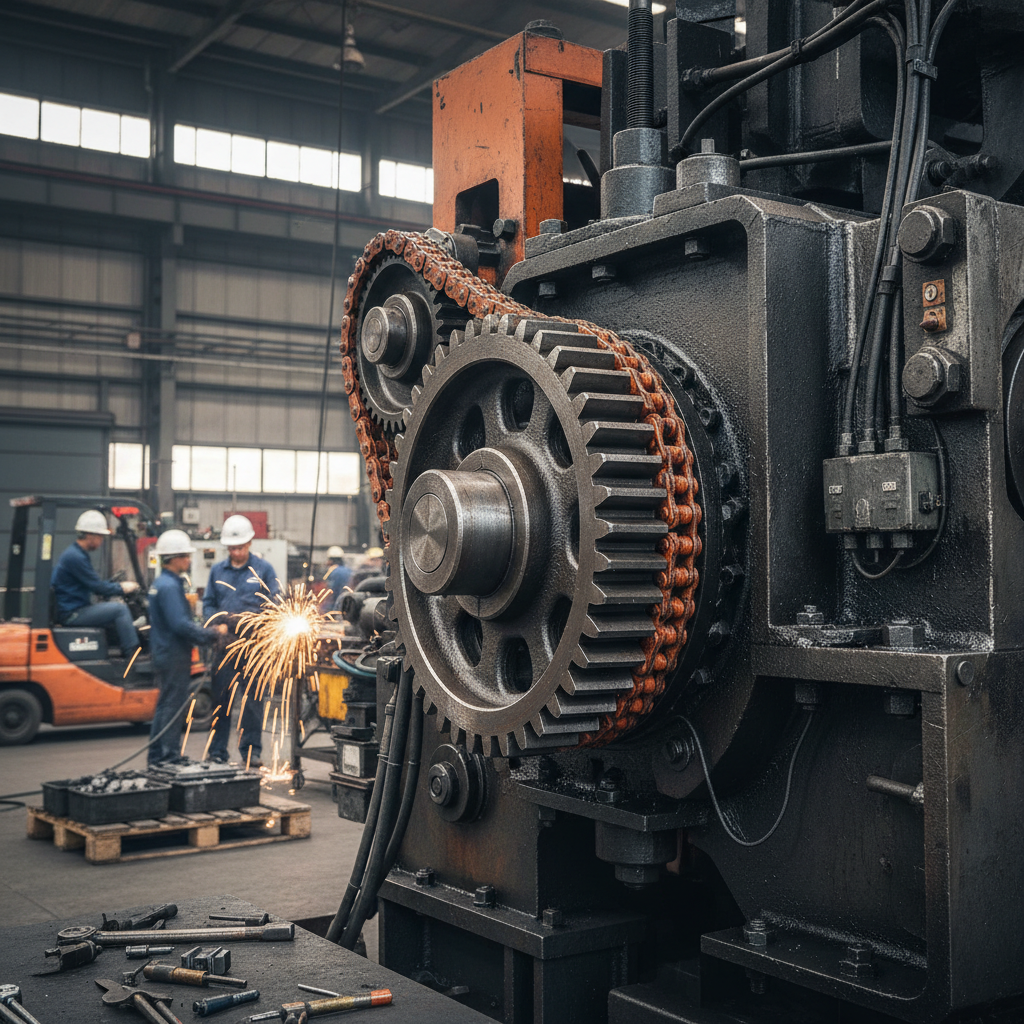
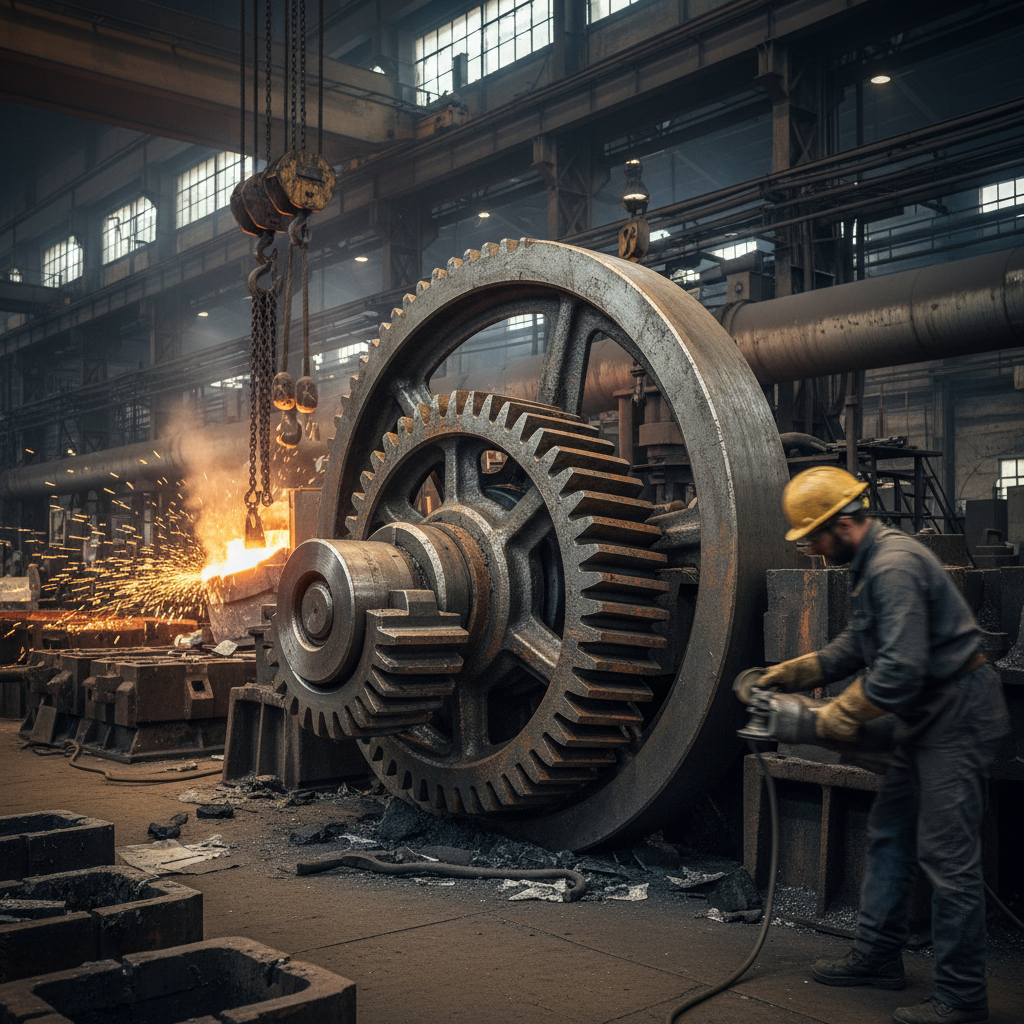
Having spent over a decade working hands-on with industrial machinery, I’ve come to appreciate the subtle art of gear systems — those unassuming mechanical heroes that keep everything running smoothly. Gear systems, frankly, are everywhere in industry, from conveyor belts to heavy-duty presses. And although it might seem like just “gears,” the types and configurations vary widely depending on the application.
Gear systems essentially transmit power and motion with precision, but that transmission can take many forms. Let’s walk through some of the main gear types you encounter in industrial settings, and why the differences actually matter.
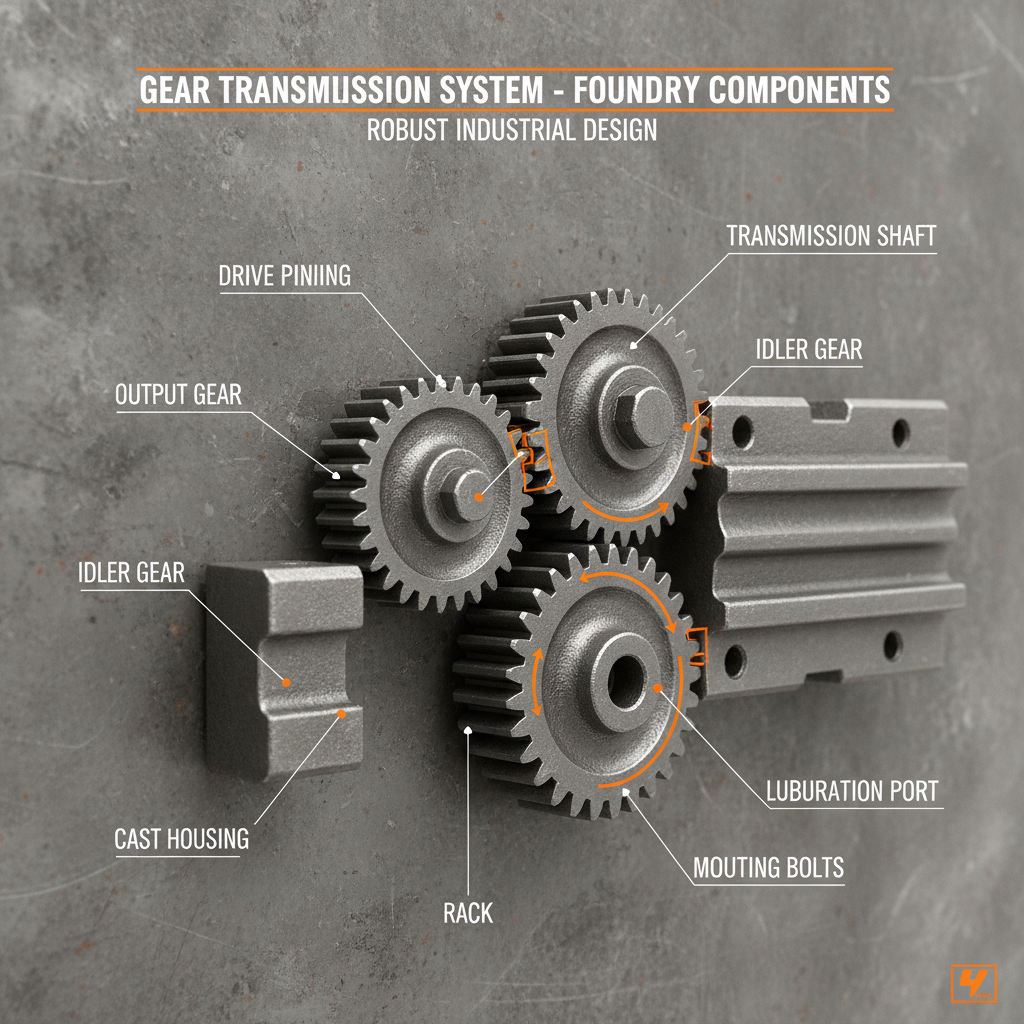
First up, the humble spur gear: these have straight teeth and operate on parallel shafts. They’re the simplest and most common type — often found inside speed reducers for conveyors or simple rotary equipment. Their advantages are clear: efficiency, straightforward manufacturing, and relatively low cost. I remember seeing a facility retrofit a machine using spur gears, and the improved efficiency was noticeable just after the first few days of use. The downside? Noise. They can get loud at high speeds, which sometimes means extra acoustic treatment.
Next we have helical gears. Now, these feel a bit more sophisticated. With teeth cut at an angle, they engage more gradually, which means smoother and quieter operation. Helical gears can handle higher loads but also introduce axial thrust that machines need to compensate for — for example, through thrust bearings. In many industrial robots and automated systems, helical gears are common. I once worked with a manufacturer retrofit where the helical design not only extended gear life but actually reduced maintenance downtime by a significant margin.
Bevel gears are intriguing for their ability to change the axis of rotation—typically at a 90-degree angle. These find homes in differentials, mixers, and other rotating equipment. If you’ve seen those iconic truck differentials, you’ve seen bevel gears in action. They involve more complex design and alignment requirements, but they deliver unparalleled compactness for transmitting torque between intersecting shafts.
Worm gears, meanwhile, fill a more niche but crucial role. These combine a worm (a kind of screw) with a gear wheel and provide very high reduction ratios in a compact space. I’ve noticed worm gears used a lot for heavy-duty hoists and lifting equipment where space is tight and self-locking features are desirable. However, they tend to be less efficient than spur or helical gearing, which is why they're seldom used where energy loss is a critical factor.
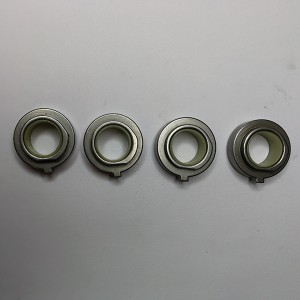
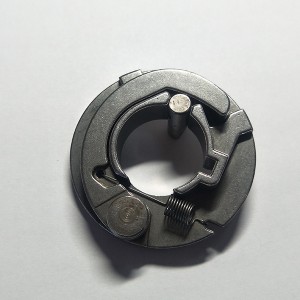
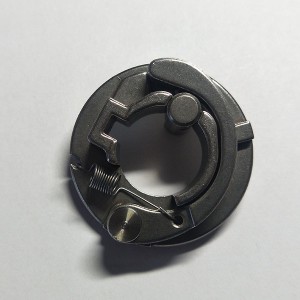
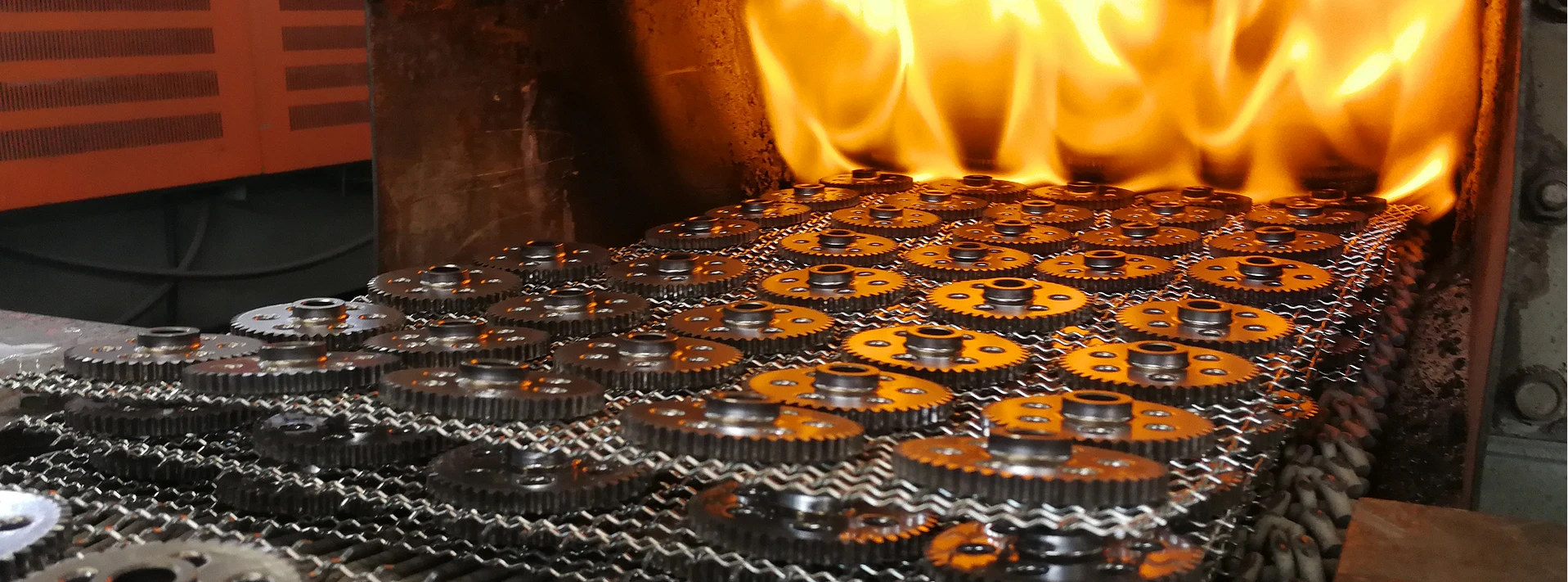
Of course, beyond type, the choice of materials and manufacturing processes dramatically influences reliability. Modern powder metallurgy, for example, can produce gears with tight tolerances and desirable hardness — which is why many leading vendors focus on gear sintering technology. The porosity control and cost benefits have improved performance for industrial clients, especially for medium-load timing gears.
For quick reference, here’s a straightforward spec comparison of some common gear types:
| Gear Type | Typical Use | Load Capacity | Noise Level | Cost |
|---|---|---|---|---|
| Spur | Conveyors, pumps | Medium | High | Low |
| Helical | Robots, gearboxes | High | Low | Medium |
| Bevel | Differentials, mixers | High | Medium | High |
| Worm | Hoists, lifts | Medium | Low | Medium |
When sourcing gears, I’ve seen firsthand how the choice of vendor can affect not just price, but lead times and customization capabilities. Here’s a quick comparison table among popular suppliers I’ve worked with:
| Vendor | Customization Options | Lead Time | Price Range | Quality Certification |
|---|---|---|---|---|
| Vendor A | Standard only | 4-6 weeks | $$ | ISO 9001 |
| Vendor B | Custom tooth profiles | 6-8 weeks | $$$ | ISO 9001 & TS 16949 |
| Vendor C (JSS) | Advanced sintering, custom sizes | 3-5 weeks | $$$ | ISO 9001, IATF 16949 |
Oddly enough, it feels like the more complex the gear system, the more one values both precision and vendor trust — because a bad bevel gear or worm set can really slow down a whole production line. I’m reminded of a small factory that switched to JSS’s sintered helical gears after frequent breakdowns with cheaper alternatives. Their feedback? “The difference in downtime and noise reduction has been like night and day.”
Ultimately, understanding these types of gear systems and their nuances isn’t just academic. It directly impacts efficiency, maintenance, and costs on the factory floor. If you’re specifying gears for a project, I’d recommend checking out gear sintering technology suppliers as a starting point — they’re pushing the envelope in both quality and customization.
Gear up thoughtfully — it’s one decision that keeps your equipment humming for years.
References:
- “Gear Technology and Applications,” Machinery Handbook, 30th Ed.
- Case Study: JSS Sintered Gears in Automotive Assembly, 2021
- Industrial Gear Solutions Magazine, “Choosing the Right Gear Type,” 2019