




Understanding Different Types of Gears: Insights from the Field
Having spent a fair share of my career in industrial equipment manufacturing and maintenance, I’ve learned that gears are deceptively simple yet endlessly fascinating components. They’re everywhere—from the massive turbines humbling cities with power to the tiny gear trains in precision instruments. But, as you might guess, not all gears are made equal. I thought it’d be useful to break down some of the common types of gears we run into, including what makes each special, where you typically find them, and why they matter for anyone working in the sector—or just curious about the mechanics behind motion.
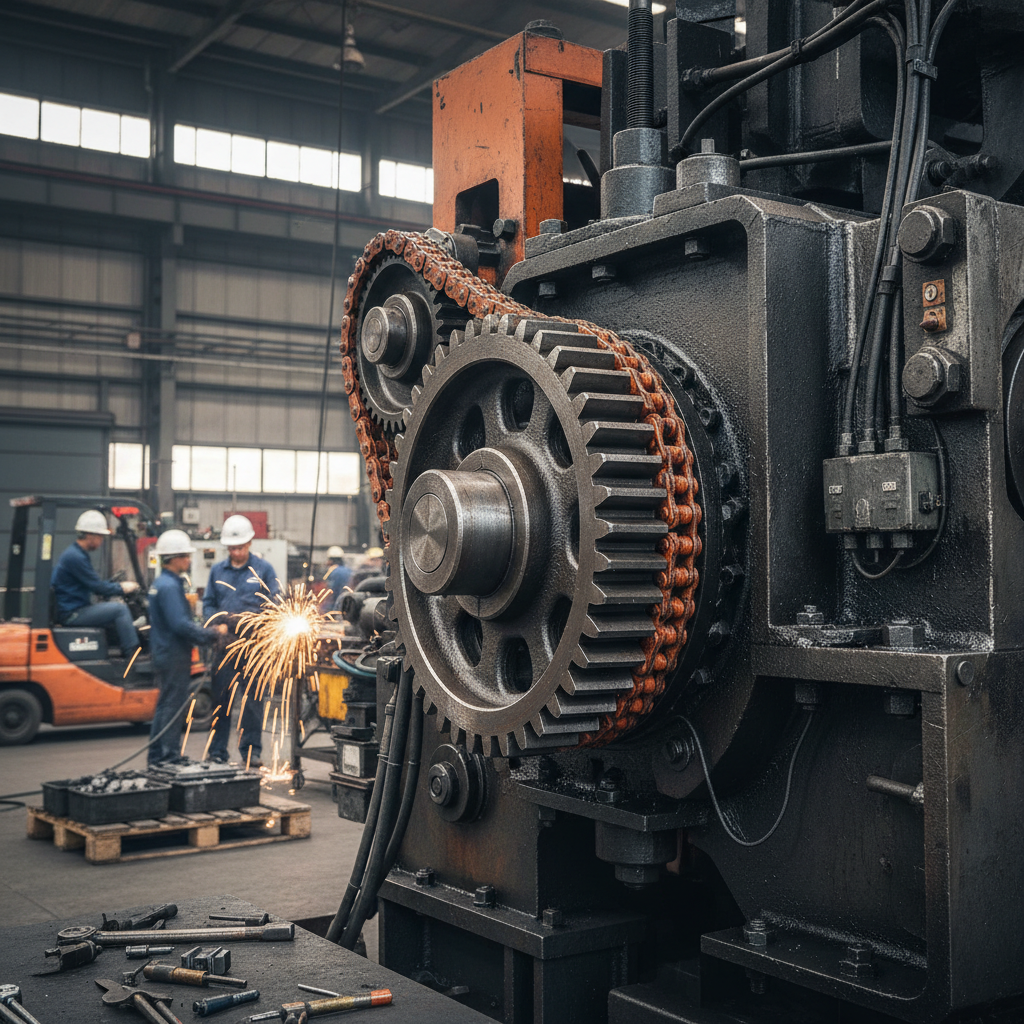
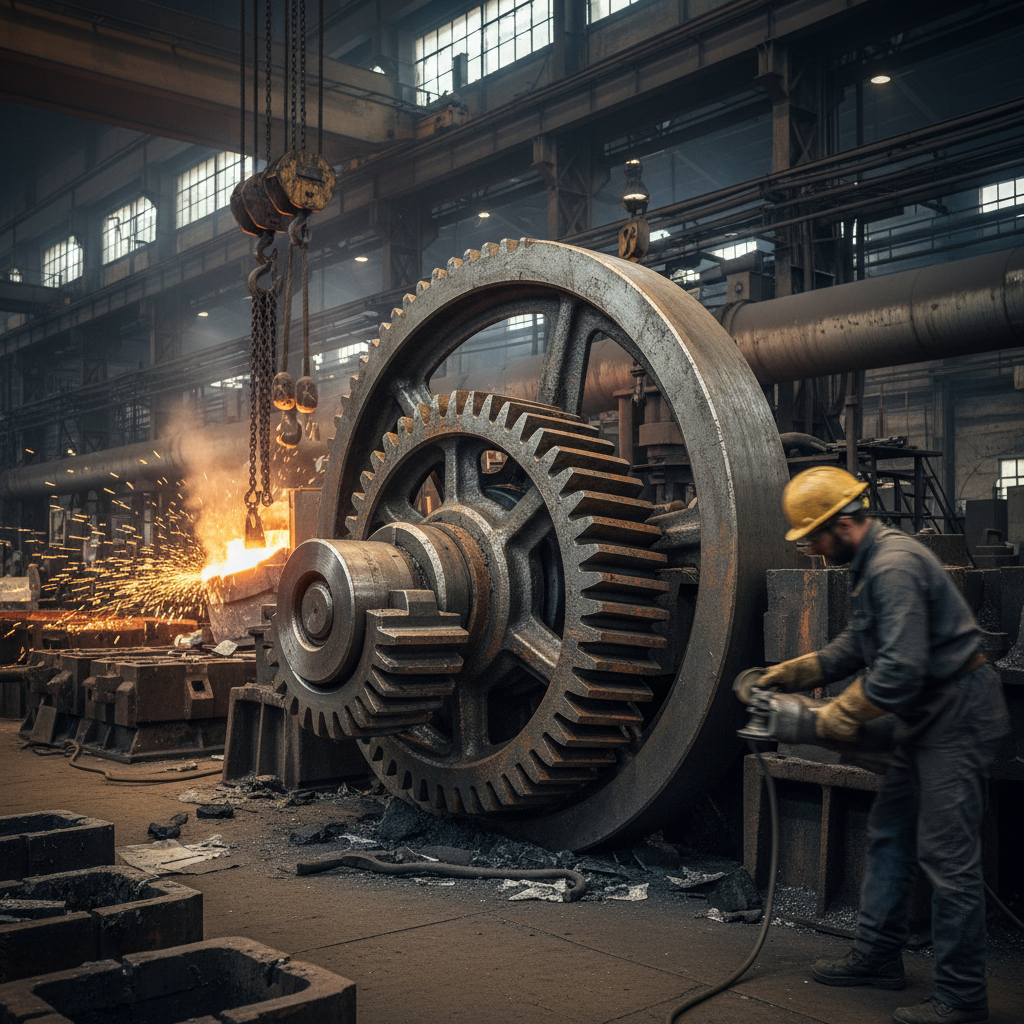
First off, a quick shout-out to gears—the unsung heroes of machinery that transform torque and speed, silently enabling everything from automotive transmissions to industrial mixers.
Spur Gears: The Classic Workhorse
Spur gears probably ring a bell—you might have seen their straight teeth lining up evenly along the gear’s circumference. They’re simple, easy to manufacture, and most efficient when it comes to transmitting power between parallel shafts. Having dealt with them in assembly lines, I’ve noticed they’re favored for their predictability and efficiency, although they can be a bit noisy when running at high speeds.
Helical Gears: Smoother, Quieter Operation
Helical gears take the concept of spur gears up a notch with angled teeth, which meet gradually rather than all at once. This design results in quieter, smoother power transmission—something I noticed makes a big difference in vehicle gearboxes or conveyors working close to operators. They can handle more load than spur gears but require careful alignment and can exert thrust loads that must be managed.
Bevel Gears: Changing Direction
When you need to transfer torque between intersecting shafts, bevel gears come into play. Conical in shape, they often appear in automotive differentials, allowing wheels to rotate at different speeds, especially useful around corners. I remember a project where selecting the right bevel angle was critical to avoid vibration issues—turns out, precise gear geometry really makes all the difference.
Worm Gears: High Reduction with Compact Size
Worm gears are a bit quirky. With a screw-like worm meshing with a gear, they can achieve very high reduction ratios in a small footprint. Used in lifts or tuning machines, they’re slow but powerful. Oddly enough, they also have a self-locking feature which can prevent back-driving—great for safety in hoists—though their efficiency isn’t stellar, meaning more heat and wear.
Product Specifications: Typical Gear Types
| Gear Type | Primary Use | Shaft Configuration | Noise Level | Typical Materials |
|---|---|---|---|---|
| Spur | Power transmission, conveyors | Parallel | Medium-high | Steel, cast iron |
| Helical | Automotive, heavy machinery | Parallel | Low | Alloy steel, bronze |
| Bevel | Differentials, gearboxes | Intersecting | Medium | Steel, stainless steel |
| Worm | Lifts, tuning equipment | Non-parallel, non-intersecting | Low | Bronze, cast iron |
Picking the Right Gear Vendor: A Quick Comparison
Look, anyone in industrial equipment knows the stakes here. Gears aren’t just parts; they’re the backbone of smooth operation and machine longevity. I’ve often compared different suppliers to strike a balance between quality, customization, and cost. Here’s a simplified vendor comparison to illustrate what I mean:
| Vendor | Customization | Delivery Time | Quality Certifications | Price Range |
|---|---|---|---|---|
| JS Sintering | Extensive (custom sizes & alloys) | 2-4 weeks | ISO 9001, TS 16949 | Mid to high |
| Vendor B | Limited | 1-3 weeks | ISO 9001 | Low to mid |
| Vendor C | Moderate | 3-5 weeks | No formal certs | Budget |
A Small Anecdote from the Field
Once, on a plant overhaul, we discovered that a batch of spur gears in a conveyor system was causing excessive noise and vibration—a sign of poor tooth alignment. After swapping in helical gears with the right alloy and precision treatment from JS Sintering, the difference was night and day. The plant manager was surprised how a ‘small’ change affected operations, energy efficiency, and even employee satisfaction. Those little details—well, they add up more than you might think.
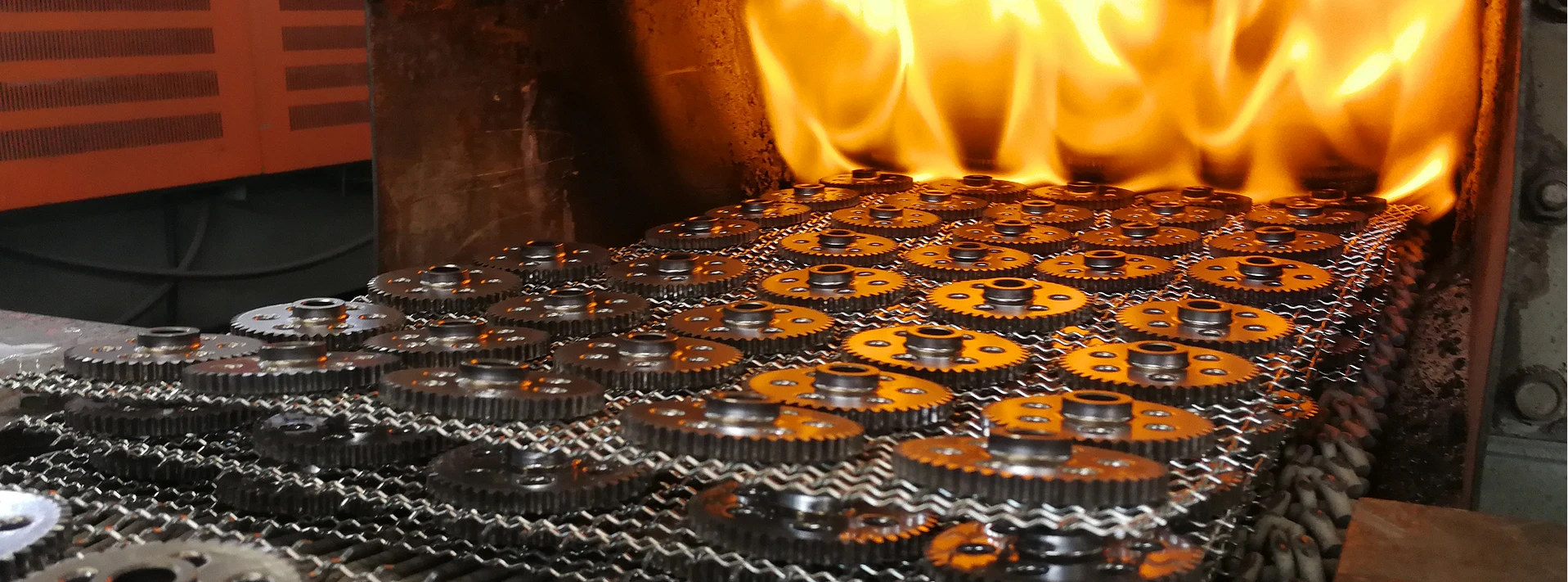
It’s worth remembering that the gear you choose isn’t only about specs on paper. Material selection, heat treatment, and surface finish can make or break performance. We always push for samples and real-world testing where possible. Industrial work has taught me that assumptions rarely hold without evidence.
In real terms, knowing the types of gears and what suits your needs saves downtime, boosts efficiency, and frankly makes your job easier. Whether you're designing new equipment or maintaining legacy systems, don't overlook the impact of gear choice. If you want to explore custom options or heavy-duty sintered gears, it’s worth checking out partners like JS Sintering. Their expertise in powder metallurgy and gear manufacturing is pretty solid.
Oddly enough, even after years in the field, gears remain somewhat magical to me. This balance of design, materials science, and sheer engineering grit makes every project interesting. I suppose that’s part of why this industry keeps me engaged.
Takeaway: The right gear type and supplier choice go hand-in-hand for reliable, efficient machinery.
- “Gear Types and Design Principles,” Industrial Gear Manufacturer’s Assoc., 2021.
- JSSintering Company Brochure, 2023.
- Smith, R. “Materials and Load Analysis in Gear Engineering,” Machine Design Journal, 2022.