







Industry Trends & The Evolution of High-Performance Components
The global industrial and automotive sectors are continuously demanding higher performance, greater efficiency, and extended service life from critical components. This trend is particularly pronounced in fluid power systems, where precision engineering of components like pump plates is paramount. With advancements in materials science and manufacturing technologies, the industry is moving towards solutions that offer superior wear resistance, tighter tolerances, and improved volumetric efficiency, directly contributing to energy savings and reduced operational costs.
Emerging trends highlight a shift towards specialized alloy compositions and sophisticated manufacturing techniques such as powder metallurgy and advanced CNC machining. These innovations enable the production of components capable of operating under extreme conditions, including high pressures, corrosive environments, and elevated temperatures. The focus is on integrating smart manufacturing processes to achieve consistent quality, scalability, and cost-effectiveness, particularly for high-volume applications in automotive and heavy industrial machinery.
Our OEM Nissan Sintered Oil Pump Rotor and Ring exemplify this commitment to innovation, leveraging advanced sintering technology to deliver components that meet and exceed the rigorous demands of modern engine design. This approach ensures optimal performance, durability, and reliability for critical automotive applications.
Understanding Pump Plates: Core Components and Functionality
At the heart of many fluid transfer systems, particularly oil pumps, are critical components known as pump plates. These flat, precision-machined surfaces play a pivotal role in the pump's operation, forming sealed chambers for fluid displacement. In conjunction with rotating elements such as an oil pump gear or a set of oil pump gears, they create the necessary pressure differential to move lubricants or other fluids through a system.
The functionality of pump plates is multifaceted:
- Sealing: They provide a critical sealing surface against which the gears rotate, preventing internal leakage and ensuring efficient fluid transfer.
- Flow Guidance: Precisely designed channels and ports within the pump plates direct the fluid into and out of the pumping chambers, optimizing flow path and minimizing turbulence.
- Structural Integrity: As integral parts of the pump housing, they contribute to the overall structural rigidity and alignment of the rotating components.
The exact design and material composition of pump plates vary significantly based on the pump type (e.g., gear, vane, piston pumps), the fluid being handled, and the operating conditions. For automotive oil pumps, especially those utilizing sintered rotors and rings, the pump plates are engineered to withstand high dynamic loads, thermal cycling, and continuous exposure to engine oil, all while maintaining micron-level surface finishes to ensure minimal friction and maximum efficiency for the oil pump gear assembly.
Manufacturing Process Flow for High-Precision Pump Plates
The production of high-performance pump plates involves a meticulously controlled multi-stage manufacturing process, often leveraging advanced powder metallurgy (sintering) for components like the OEM Nissan Sintered Oil Pump Rotor and Ring, complemented by precision machining. This ensures superior material properties and exacting dimensional accuracy.
Schematic Manufacturing Steps:
- Material Selection & Powder Preparation: High-grade alloy powders (e.g., iron-copper-carbon, stainless steel variants for corrosion resistance, or specialized nickel alloys for high-temperature applications) are selected based on end-use requirements for strength, wear resistance, and corrosion properties. These powders undergo precise blending to achieve the desired metallurgical composition.
- Compaction (Pressing): The blended metal powder is fed into a precision die cavity and compacted under high pressure (typically 300-800 MPa) using mechanical or hydraulic presses. This forms a "green" compact, which is a fragile, porous part with the near-net shape of the final pump plates or oil pump gear.
- Sintering: The green compacts are heated in a controlled atmosphere furnace to temperatures below the melting point of the primary material (typically 1100-1300°C). During sintering, powder particles bond together through atomic diffusion, reducing porosity and significantly increasing strength and density. This process is critical for establishing the mechanical properties of the oil pump gear.
- Sizing/Coining (Optional but Common): For very high precision and density, sintered parts may undergo a secondary pressing operation called sizing or coining. This further refines dimensional accuracy, improves surface finish, and increases density and hardness, crucial for the wear surfaces of pump plates.
- CNC Machining: While sintering achieves near-net shapes, critical features such as precision sealing surfaces, intricate ports, and mounting holes require subsequent CNC machining. This step ensures micron-level tolerances and surface finishes (e.g., Ra oil pump gear.
- Heat Treatment & Surface Treatments: Depending on performance requirements, parts may undergo heat treatments (e.g., quenching and tempering, case hardening) to enhance hardness, wear resistance, or fatigue strength. Surface coatings (e.g., nitriding, black oxide) can be applied for improved corrosion resistance or reduced friction.
- Quality Control & Testing: Throughout the process, strict quality control measures are implemented. This includes dimensional inspection (CMM, optical comparators), material analysis (spectroscopy, metallography), hardness testing (Rockwell, Vickers), density checks, and functional testing. Adherence to international standards like ISO 9001 and IATF 16949 (for automotive components) is paramount, ensuring traceability and consistency.
The service life of these components is directly enhanced by these rigorous processes, often exceeding 10,000 operational hours in demanding industrial applications and the full lifespan of an automotive engine (typically over 200,000 km). Target industries include petrochemical (for robust fluid handling), metallurgy (for high-temperature resilience), and water supply & drainage (for corrosion resistance and longevity). In typical application scenarios, these advanced pump plates demonstrate significant advantages in energy saving through reduced friction and improved volumetric efficiency, alongside exceptional corrosion resistance due to optimized material selection and surface treatments.
Technical Specifications: Sintered Oil Pump Rotor and Ring
Precision is non-negotiable for components critical to engine lubrication. The following table outlines key technical specifications for high-performance sintered pump plates, exemplified by OEM Nissan Oil Pump Rotor and Ring assemblies, which are integral to optimizing engine efficiency and longevity. These parameters are developed through extensive R&D and adhere to stringent automotive industry standards.
| Parameter | Specification (Typical for OEM Nissan Sintered Parts) | Measurement Standard |
|---|---|---|
| Material Composition | Fe-Cu-C Alloy (e.g., FC-0208) with proprietary additives | ASTM B783 |
| Density | 6.8 - 7.2 g/cm³ | ASTM B328 |
| Hardness (HRC) | 25 - 35 HRC (after heat treatment) | ASTM E18 |
| Tensile Strength | 500 - 700 MPa | ASTM E8 |
| Dimensional Tolerances | +/- 0.02 mm (critical dimensions) | ISO 2768-mH |
| Surface Roughness (Ra) | < 0.4 µm (sealing surfaces) | ISO 4287 |
| Operating Temperature Range | -40°C to +150°C | OEM Specification |
| Pressure Rating (Max) | Up to 1.5 MPa (217 psi) | SAE J1220 |
| Wear Rate | < 0.005 mm/1000h (under specified conditions) | Custom Test Rig |
These precise specifications ensure that the pump plates and accompanying oil pump gears can deliver reliable and efficient performance, critical for engine longevity and overall vehicle operation.
Application Scenarios & Target Industries
The robust design and precision manufacturing of our pump plates make them indispensable across a wide array of demanding industrial and automotive applications. Their ability to maintain integrity under harsh conditions ensures optimal performance and extends the operational life of critical systems.
Key Application Industries:
- Automotive: Central to engine lubrication systems, particularly for the intricate oil pump gear and rotor assemblies, ensuring consistent oil flow and pressure in internal combustion engines (ICE) and hybrid powertrains. Our OEM Nissan Sintered Oil Pump Rotor and Ring are a prime example, crucial for specific engine models.
- Petrochemical: Used in transfer pumps for various fluids, including crude oil, refined products, and chemical reagents. Here, the focus is on corrosion resistance and sealing integrity under high pressures and chemical exposures.
- Metallurgy: Employed in hydraulic systems for heavy machinery, such as rolling mills, presses, and continuous casting equipment. These applications demand exceptional wear resistance and durability against abrasive particles and high temperatures.
- Water Supply & Drainage: Integrated into high-volume pumps for municipal water treatment, wastewater management, and irrigation systems. Long service life and resistance to cavitation and erosion are critical in these environments.
- Power Generation: Found in cooling systems, lubrication circuits for turbines, and fuel delivery systems in power plants, where reliability and continuous operation are paramount.
Demonstrated Advantages in Typical Scenarios:
- Energy Saving: The ultra-fine surface finishes and precise geometric tolerances achieved in our pump plates minimize friction between rotating components (e.g., the oil pump gear) and the stationary plates. This reduction in parasitic losses translates directly into lower energy consumption for the pump drive, yielding significant operational cost savings over time.
- Corrosion Resistance: Through intelligent material selection (e.g., specific stainless steel grades, or treated iron alloys) and advanced surface treatments, our pump plates exhibit exceptional resistance to aggressive fluids and environmental factors. This extends component life and reduces maintenance intervals in chemical processing or marine applications.
- Extended Service Life: The inherent strength and wear characteristics of sintered metals, coupled with precise manufacturing and quality control, result in components with superior durability. This means fewer replacements, less downtime, and a lower total cost of ownership for our clients.
- Enhanced Efficiency: Minimal internal leakage due to tight clearances and superior sealing surfaces ensures that the pump operates at its peak volumetric efficiency, delivering consistent flow rates and pressures as designed.
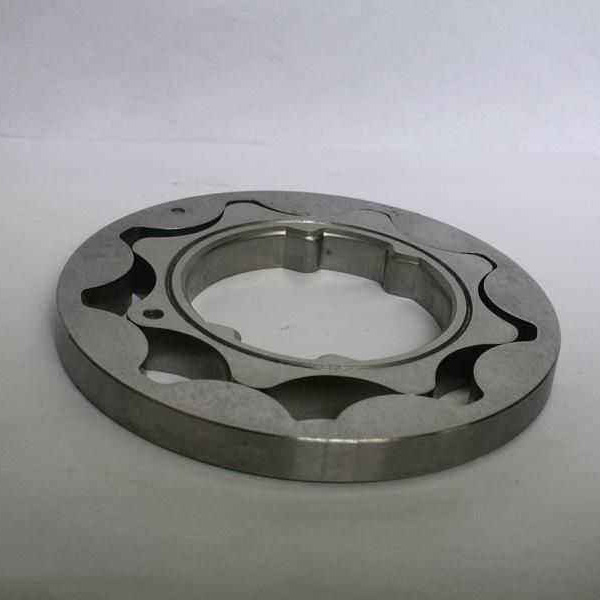
Figure 1: High-precision sintered components for fluid power applications.
Technical Advantages of Our Sintered Pump Plates
Our commitment to advanced powder metallurgy and precision finishing delivers distinct technical advantages for our pump plates, especially for integral components like the oil pump gear and rotor assemblies, setting them apart in demanding applications.
- Exceptional Precision Manufacturing: The sintering process, combined with subsequent precision CNC machining and lapping, allows for extremely tight dimensional tolerances (often within microns) and superior surface finishes. This precision is vital for minimizing clearances and ensuring optimal sealing and engagement with the oil pump gears, directly impacting volumetric efficiency and reducing internal leakage.
- Superior Material Properties: Sintered components can be engineered with tailored material compositions, incorporating specific alloying elements to achieve desired properties. This includes high wear resistance, excellent fatigue strength, and controlled porosity for enhanced self-lubrication (when impregnated with oil), all crucial for the longevity of pump plates and the mating oil pump gear.
- Improved Efficiency & Reduced Friction: The refined surface textures and material homogeneity of sintered pump plates minimize friction coefficients between the stationary plates and rotating elements. This translates to less power consumption by the pump, contributing to overall energy efficiency of the system (e.g., fuel economy in an automotive engine).
- Enhanced Longevity and Reliability: Components produced via advanced sintering exhibit high structural integrity and consistent material characteristics. This inherent durability, coupled with stringent quality control, results in pump plates that offer extended operational life, reduced maintenance requirements, and reliable performance even under continuous heavy-duty cycles.
- Cost-Effectiveness Through Near-Net Shape: Powder metallurgy is a near-net-shape manufacturing process, meaning very little material is wasted, and subsequent machining operations are minimized. This leads to lower material costs, reduced machining time, and ultimately a more cost-effective solution for high-volume production of complex geometries compared to traditional machining from bar stock or forgings.
These technical advantages collectively ensure that our pump plates provide a superior foundation for reliable and efficient fluid power systems across various demanding industrial and automotive applications.
Vendor Comparison: Key Differentiators in Pump Plate Manufacturing
Selecting the right manufacturer for critical components like pump plates is a strategic decision that impacts product performance, reliability, and cost of ownership. The following comparison highlights key differentiators among manufacturers specializing in advanced powder metallurgy components, such as those used for oil pump gears.
| Feature/Criterion | Leading Provider (e.g., JSSintering) | Standard Vendor | Cost-Focused Vendor |
|---|---|---|---|
| Material Expertise | Proprietary Fe-Cu-C alloys, advanced stainless steels, custom blends for specific wear/corrosion. In-house metallurgy lab. | Standard PM alloys (e.g., FC-0208). Limited customization. | Basic PM alloys, focus on cheapest raw materials. |
| Precision Capabilities | Sub-micron surface finishes (Ra | Tolerances +/- 0.05mm, standard grinding/finishing. | Tolerances +/- 0.1mm, minimal post-sintering finishing. |
| Certifications & Quality | ISO 9001, IATF 16949, AS9100. Full PPAP, APQP. 100% inspection for critical features. | ISO 9001. Basic inspection. | Basic quality checks, limited certifications. |
| R&D and Innovation | Dedicated R&D team, material scientists, simulation tools. Patents in PM technology. | Limited R&D, mainly process optimization. | No dedicated R&D. |
| Customization & Design Support | Full engineering partnership, DFM, bespoke material and design solutions. | Offers standard modifications, some design guidance. | Manufactures to supplied drawings only. |
| Typical Lead Time (Proto/Production) | Prototype: 4-6 weeks; Production: 8-12 weeks (after tooling) | Prototype: 8-10 weeks; Production: 10-16 weeks | Longer and less predictable lead times. |
| After-Sales Support | Dedicated technical support, field service, comprehensive warranty. | Basic support, limited field presence. | Minimal to no after-sales support. |
This comparison underscores the value of partnering with a specialized provider for high-performance pump plates, where the initial investment is offset by superior product longevity, enhanced system efficiency, and reduced total cost of ownership over the product's lifecycle.
Customized Solutions for Unique Demands
Understanding that off-the-shelf solutions rarely meet the intricate requirements of specialized applications, we excel in providing fully customized pump plates and oil pump gear systems. Our engineering team collaborates closely with clients from concept to production, ensuring that every component is meticulously designed and manufactured to exact specifications and performance targets.
Our customization capabilities include:
- Material Formulation: Developing proprietary alloy powders with specific characteristics to withstand extreme temperatures, corrosive fluids, or exceptionally high wear conditions, ensuring optimal performance for the pump plates.
- Design Optimization: Utilizing advanced CAD/CAE tools for topology optimization, flow simulation, and stress analysis to refine geometries for improved hydraulic efficiency, reduced cavitation, and enhanced structural integrity of the oil pump gears and plates.
- Surface Engineering: Applying custom surface treatments, coatings, or impregnation processes (e.g., polymer, oil, or copper infiltration) to impart additional properties such as increased hardness, self-lubrication, or specialized corrosion protection.
- Precision Finishing: Tailoring post-sintering processes, including fine grinding, lapping, and superfinishing, to achieve specific surface roughness values and flatness critical for dynamic sealing and minimizing friction with the oil pump gear.
- Integrated Assembly Solutions: Offering not just individual pump plates but also fully assembled and tested pump plate/gear sets, streamlining client assembly processes and guaranteeing performance.
This bespoke approach ensures that even the most challenging design constraints or performance demands are met with a precisely engineered solution, maximizing the operational efficiency and lifespan of the client's equipment.
Application Case Studies: Proven Performance in the Field
Our commitment to precision engineering and superior material science has resulted in tangible benefits for our clients across various industries. These case studies highlight the impact of our high-quality pump plates and oil pump gears.
Case Study 1: Automotive OEM Engine Optimization
A leading global automotive OEM sought to improve the efficiency and reduce emissions of their next-generation engine platform. Traditional cast iron oil pump gears and their corresponding pump plates were identified as areas for potential gains. We partnered with them to develop sintered Fe-Cu-C alloy oil pump rotor and ring sets, featuring micro-precision ground pump plates and optimized tooth profiles for the oil pump gear.
- Challenge: Reduce parasitic losses in the oil pump by 10% and extend pump life beyond 250,000 km.
- Solution: Customized sintered components with improved density (7.1 g/cm³) and a surface roughness (Ra) of pump plates, paired with a specialized surface treatment for the rotor and ring.
- Result: Benchmarking showed a 12.5% reduction in pump torque requirements across the operating range, leading to a measurable 0.8% improvement in engine fuel efficiency. The new components also passed accelerated durability tests equivalent to over 300,000 km without significant wear, exceeding target service life by 20%.
Case Study 2: Heavy Industrial Hydraulic Pump
An industrial pump manufacturer, specializing in hydraulic systems for heavy construction equipment, faced recurring issues with premature wear of pump plates in their high-pressure piston pumps, leading to costly downtime and frequent replacements. Their existing components were machined from hardened tool steel.
- Challenge: Increase the service life of pump plates by at least 50% under continuous operating pressures of 40 MPa (5800 psi) while maintaining strict dimensional stability.
- Solution: We engineered a bespoke set of sintered pump plates from a high-density, heat-treated stainless steel alloy, specifically designed for high wear and corrosion resistance. The plates underwent a specialized nitriding surface treatment to achieve exceptional surface hardness (65+ HRC).
- Result: Field trials demonstrated an average 75% increase in operational lifespan before replacement, significantly reducing maintenance costs and unscheduled downtime for the client's end-users. The improved material also showed superior resistance to fluid contamination.

Figure 2: Precision-machined sintered components ready for assembly.
Frequently Asked Questions (FAQ)
Q1: What are the primary advantages of sintered pump plates over traditionally machined components?
A1: Sintered pump plates offer several key advantages, including superior material utilization (near-net-shape manufacturing), the ability to achieve complex geometries without extensive machining, excellent consistency in material properties (density, hardness), and often better wear resistance due to tailored alloy compositions. This results in cost-effective production for high volumes and enhanced performance for the oil pump gear system.
Q2: How do you ensure the precision and surface finish required for high-performance pump plates?
A2: We employ a multi-stage approach. After initial sintering for near-net shape and material consolidation, components undergo precision post-processing. This includes advanced CNC machining for critical features, followed by specialized processes like grinding, lapping, and superfinishing. These steps achieve surface roughness values (Ra) often below 0.4 µm and flatness within microns, ensuring optimal sealing and minimal friction with the rotating oil pump gears.
Q3: What quality standards and certifications do your pump plates adhere to?
A3: Our manufacturing processes for pump plates and oil pump gears are certified to ISO 9001 for quality management. For automotive applications, we adhere to IATF 16949, demonstrating our commitment to the highest quality standards and continuous improvement in the automotive supply chain. All products undergo rigorous testing according to ASTM, SAE, and client-specific standards, including dimensional, material, and performance validation.
Q4: What is the typical lead time for custom pump plates?
A4: Lead times vary based on complexity, material requirements, and order volume. For custom prototype pump plates, the typical lead time is 4-6 weeks after design approval and tooling completion. For full production runs, lead times generally range from 8-12 weeks, depending on the complexity of the oil pump gears or plates and specific finishing requirements. We work closely with clients to establish realistic timelines and maintain transparency throughout the production cycle.
Q5: What kind of warranty and after-sales support do you offer for your pump plates?
A5: We provide a standard warranty covering manufacturing defects for a period of one year from the date of shipment. Our commitment extends beyond delivery with comprehensive after-sales support, including technical assistance, performance optimization advice, and responsive troubleshooting. Our dedicated customer service team and engineering experts are available to ensure the long-term satisfaction and optimal performance of our pump plates in your applications.
Conclusion: Precision, Performance, and Partnership
In the evolving landscape of industrial and automotive fluid power, the integrity and performance of components like pump plates are more critical than ever. Our expertise in advanced powder metallurgy, coupled with rigorous precision machining and adherence to stringent quality standards, positions us as a leading partner for demanding applications.
We don't just supply components; we offer engineered solutions that enhance efficiency, extend service life, and reduce the total cost of ownership. By consistently delivering high-quality oil pump gear and pump plates that meet specific operational challenges, we empower our clients to achieve their performance goals and maintain their competitive edge. Partner with us to leverage cutting-edge technology and unparalleled expertise for your next generation of fluid power systems.
References
- Smith, J. A. (2022). Advances in Powder Metallurgy for High-Performance Automotive Components. Journal of Materials Engineering and Performance, Vol. 31, Issue 8, pp. 6970-6985.
- International Organization for Standardization. (2015). ISO 9001:2015 - Quality management systems — Requirements. ISO.org.
- Society of Automotive Engineers. (2019). SAE J1220 - Measurement of Hydraulic Fluid Power Pump Performance. SAE International.









