







Understanding Non-Parallel, Non-Intersecting Gears
In the realm of mechanical engineering, gear systems are fundamental to power transmission and motion control. While traditional gear designs often involve parallel and intersecting axes, a unique category exists: non-parallel non-intersecting gears. These gear arrangements, utilizing technologies like crossed helical gears, offer distinct advantages in specific applications, particularly within complex machinery and power transmission systems. This article will delve into the intricacies of these gear types, their benefits, applications, and the role JS Sintering plays in their precision manufacturing. We'll explore how these gears overcome limitations of conventional designs, offering innovative solutions for challenging engineering problems.
What are Non-Parallel Non-Intersecting Gears?
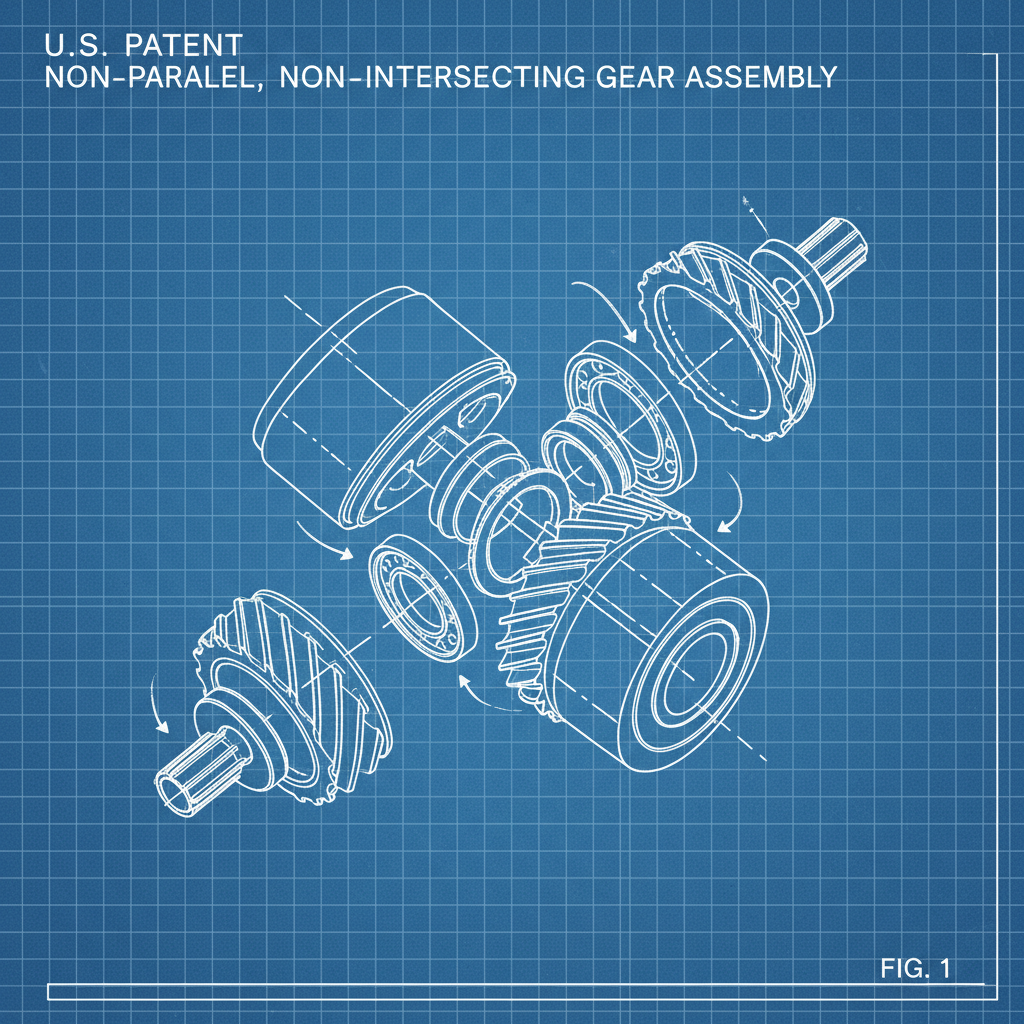
Traditional gear systems typically feature gears with parallel or intersecting axes. However, non-parallel non-intersecting gears, often implemented using crossed helical gears or Skew gears, operate with axes that are neither parallel nor intersect. This unique configuration offers several advantages. They achieve power transmission between shafts that are offset in space and at an angle, without the need for complex intermediate shafts or bevel gear arrangements. This leads to more compact designs, reduced noise, and enhanced efficiency in certain applications. The gears themselves are designed with a specific helix angle to ensure smooth meshing and optimal force transmission.
Key Highlights: These gears offer a unique solution for power transmission between shafts that are offset in space and at an angle, avoiding complex intermediate components.
The Advantages of Using Non-Parallel, Non-Intersecting Gear Designs
Employing non-parallel non-intersecting gears delivers a multitude of benefits. They eliminate the need for intermediate shafts, reducing the overall size and weight of the gear system. This compact design is crucial in applications with limited space. Furthermore, the inherent design minimizes noise and vibration, leading to smoother operation and increased lifespan of the machinery. The distribution of load across multiple teeth improves efficiency and reduces stress on individual gear components. This results in enhanced reliability and reduced maintenance requirements. These gears are particularly effective when transmitting power between shafts that are significantly offset, situations where conventional gear systems would prove cumbersome or inefficient.
Key Benefits:
• Reduced size and weight of gear system
• Minimized noise and vibration
• Improved efficiency and reduced stress
• Enhanced reliability and reduced maintenance
Applications of Non-Parallel Non-Intersecting Gears
The unique capabilities of non-parallel non-intersecting gear systems lend themselves to a variety of demanding applications. They are frequently employed in automotive transmissions, particularly in differentials and transfer cases, to distribute power to wheels at different angles. They are also prevalent in aerospace applications, where compact and efficient power transmission is paramount. Industrial machinery, such as mixers, conveyors, and pumps, benefit from the space-saving and noise-reducing characteristics of these gear arrangements. Furthermore, they find use in specialized equipment like robotics and precision instruments, requiring high accuracy and smooth operation.
JS Sintering's Role in Manufacturing Precision Gears
The precise manufacturing of non-parallel non-intersecting gears demands advanced techniques and stringent quality control. JS Sintering specializes in metal powder injection molding (MIM) and other precision manufacturing processes to deliver gears that meet the most demanding specifications. Our capabilities include complex geometry production, tight tolerances, and exceptional surface finish. We employ state-of-the-art equipment and skilled engineers to ensure that every gear we produce operates with optimal performance and reliability. We work closely with our clients to understand their specific needs and provide customized solutions tailored to their applications.
Material Selection for Non-Parallel, Non-Intersecting Gears
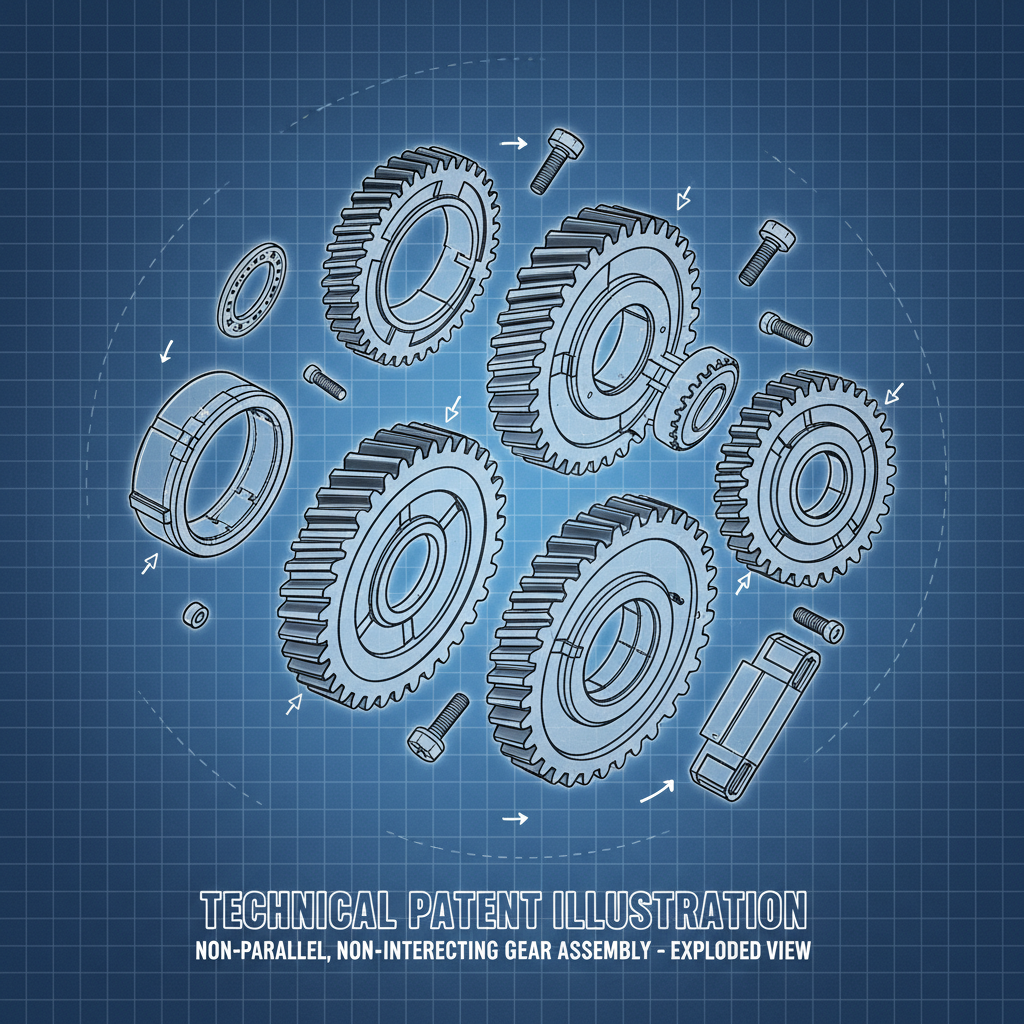
The choice of material is critical for the performance and longevity of non-parallel non-intersecting gears. Common materials include alloy steels, stainless steels, and high-performance alloys. The selection depends on factors like load capacity, operating temperature, corrosive environment, and desired lifespan. MIM allows for the use of a wide range of materials, providing flexibility in meeting specific application requirements. JS Sintering offers expertise in material selection and can advise clients on the optimal material for their gear system. The material’s hardness and resistance to wear are primary considerations, alongside its ability to withstand the stresses inherent in the non-parallel, non-intersecting configuration.
Conclusion: Embracing Innovation in Gear Technology
JS Sintering is at the forefront of precision gear manufacturing, providing innovative solutions for challenging applications. By leveraging advanced technologies like MIM and employing a team of experienced engineers, we deliver non-parallel non-intersecting gears that meet the highest standards of quality and performance. Embracing these advanced gear designs unlocks new possibilities for efficiency, compactness, and reliability in a wide range of industries.
Frequently Asked Questions (FAQs)
What are the main differences between crossed helical gears and bevel gears?
Crossed helical gears, used in non-parallel non-intersecting arrangements, transmit power between shafts that are skewed and do not intersect. They operate smoothly and quietly, but are sensitive to axial thrust loads. Bevel gears, on the other hand, transmit power between intersecting shafts. They are robust and can handle high loads, but typically generate more noise and vibration. The choice between the two depends on the specific application requirements, particularly the shaft geometry and the desired level of noise and smoothness. Crossed helical gears are often preferred for compact designs and quiet operation, while bevel gears are favored for high-torque applications.
What challenges are associated with the design and manufacturing of non-parallel gears?
Designing and manufacturing these gears presents several challenges. The geometry is complex, requiring precise calculations and modeling to ensure proper meshing and load distribution. Axial thrust loads must be carefully managed to prevent gear failure. Manufacturing requires high precision and tight tolerances to achieve smooth operation and minimize noise. JS Sintering overcomes these challenges with advanced manufacturing techniques, experienced engineers, and stringent quality control processes.
What is the role of helix angle in non-parallel gear systems?
The helix angle is a critical parameter in the design of non-parallel gear systems. It influences the contact ratio, load capacity, axial thrust, and noise levels. A larger helix angle generally results in a smoother and quieter operation, but also increases axial thrust. Careful selection of the helix angle is essential to optimize performance and ensure the gear system meets the specific application requirements. The helix angle must be precisely controlled during manufacturing to achieve optimal meshing and efficiency.
How does JS Sintering ensure the quality of its non-parallel gears?
JS Sintering employs a rigorous quality control process at every stage of manufacturing. This includes material inspection, dimensional accuracy checks, surface finish analysis, and performance testing. We utilize advanced metrology equipment and employ experienced quality control personnel. Our commitment to quality ensures that every gear we deliver meets the highest standards of precision, reliability, and performance.









