




- Introduction to gear reducer manufacturers
and industry overview - Key technical advantages of modern speed reducer gear products
- Market growth and crucial data insights
- Comparative analysis: Major gear reducer manufacturers (with data table)
- Customization solutions and OEM/ODM capabilities
- Application cases in various industries
- Conclusion: The evolving landscape of gear reducer manufacturers
(gear reducer manufacturers)
Understanding Gear Reducer Manufacturers: Industry Overview
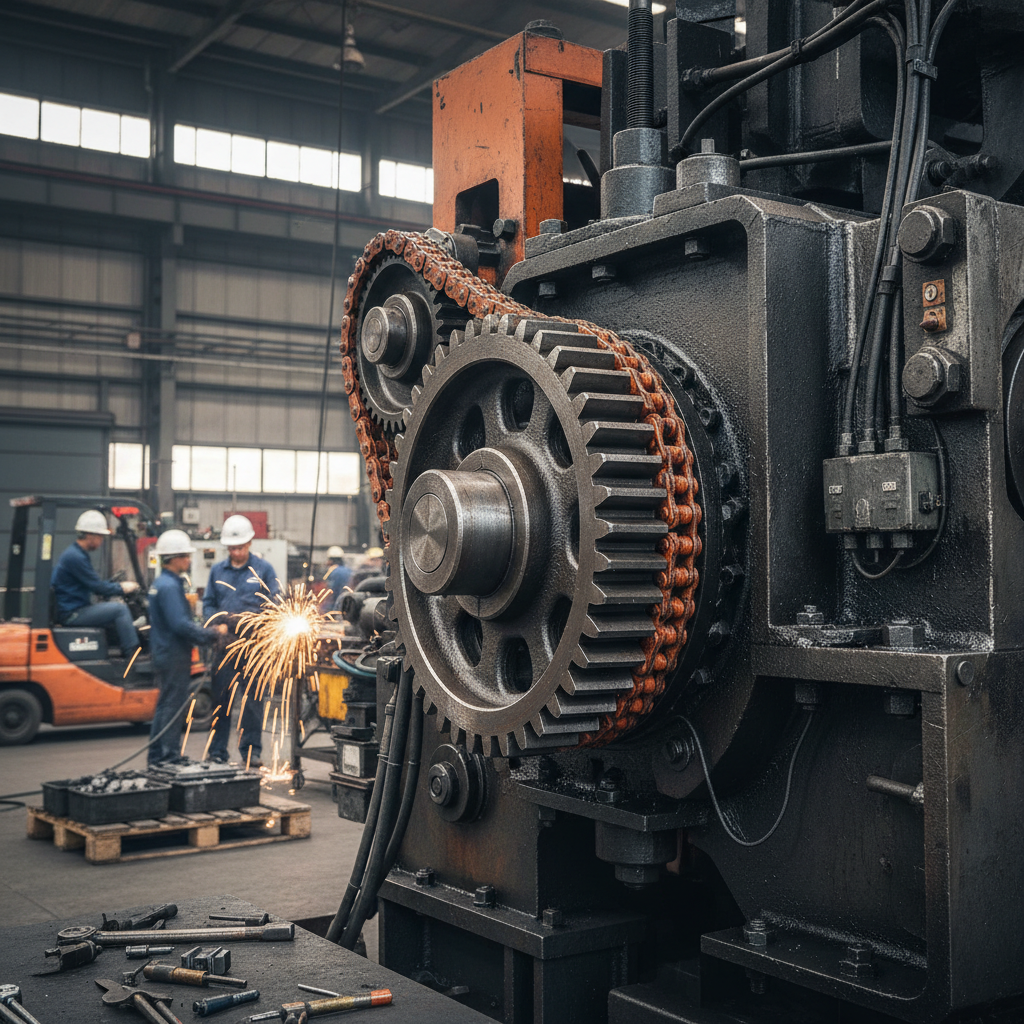
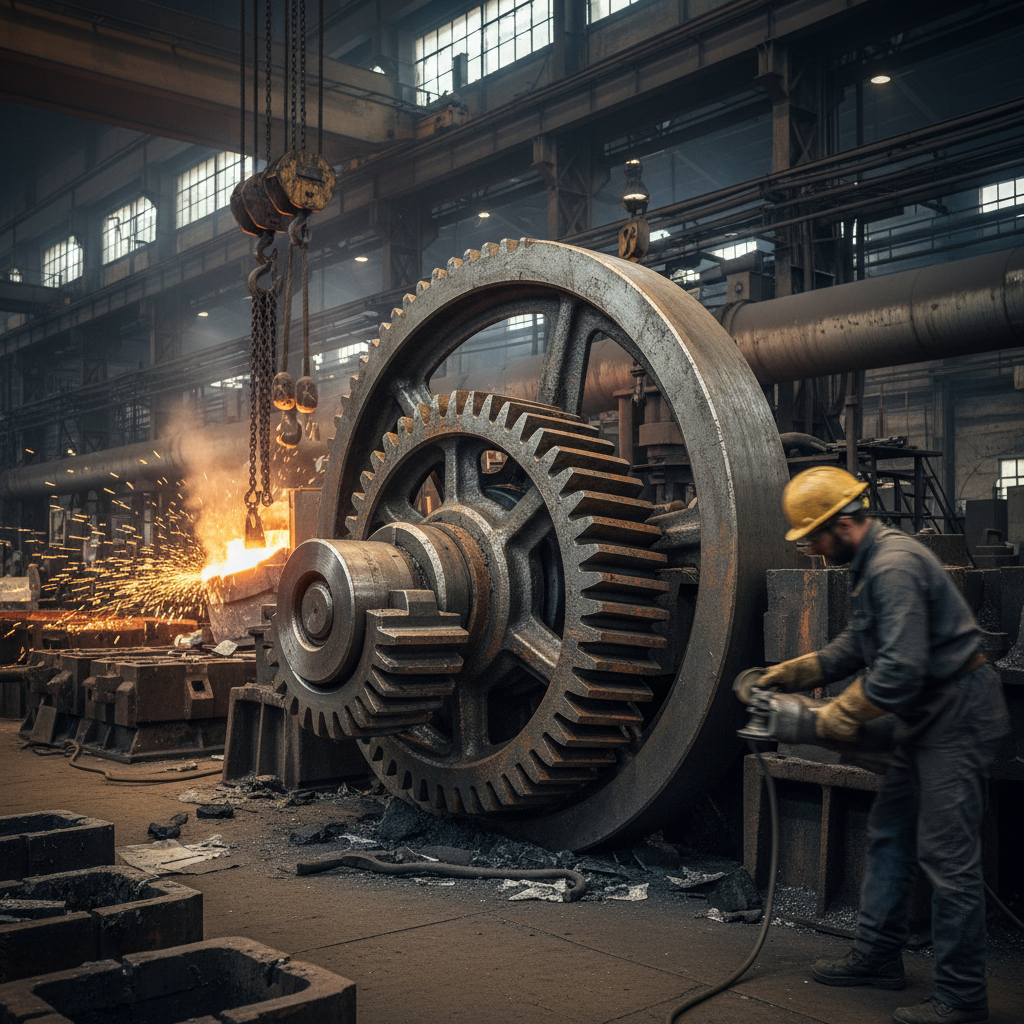
Gear reducer manufacturers play a pivotal role in the mechanical power transmission industry, supplying components critical for optimizing speed, torque, and overall equipment performance. The global gear reducer market has consistently demonstrated robust demand, driven by expanding sectors such as robotics, material handling, and renewable energy. These manufacturers cater to applications requiring precise control of motion, enabling systems to handle higher loads with enhanced efficiency. As industries pursue automation and energy savings, selecting high-quality speed reducer gear components is fundamental. The modularity and innovation offered by leading manufacturers contribute to streamlined integration and easily scalable solutions, ensuring seamless operation across diverse mechanical systems.
Technical Advantages of Modern Speed Reducer Gear Products
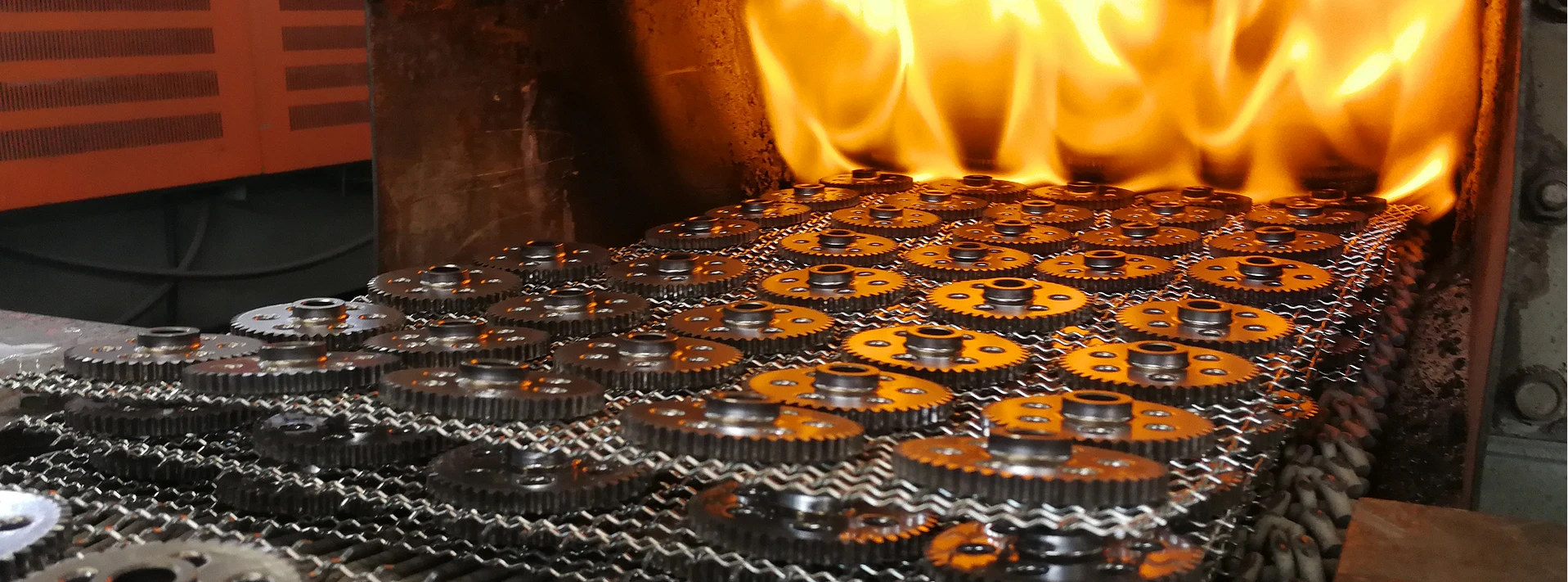
Advances in gear reducer technology have elevated the performance standards expected from modern equipment. Notably, sophisticated gear reducer designs now achieve greater torque densities while maintaining compact housing, which is essential for contemporary automated machines and space-limited installations. Metallurgical improvements and precision finishing processes increase gear lifespan by mitigating wear, micro-pitting, and vibration. Additionally, state-of-the-art lubrication systems and thermal management solutions drive down maintenance intervals. The adoption of planetary gears in many designs delivers efficiency rates upward of 97%, outperforming traditional spur and worm gear setups. Manufacturers engineer their products to withstand demanding cycles—offering shock load resistance, high radial and axial bearing capacities, and compliance with international safety standards. These attributes collectively enhance machine uptime, quality output, and operational economy.
Market Growth and Data-Driven Insights
The global market size for gear reducers exceeded USD 16.5 billion in 2023, with a projected CAGR of 5.8% from 2024 to 2030, according to industry research sources. This growth trajectory is strongly aligned with trends in industrial automation and energy optimization. Automotive manufacturing, for instance, consumes nearly 28% of all professional-grade gear reducers produced annually. Renewable energy applications, such as wind turbines, have propelled demand for heavy-duty, precision gearboxes, with the sector reporting a year-over-year increase of 11% in orders. Robotics accounted for over 720,000 new unit installations worldwide in 2023, necessitating integrated speed reducer gear technologies for torque management. Geographically, Asia-Pacific remains the leading region, constituting over 45% of global consumption, with Europe and North America following closely. These data points underscore the strategic significance of selecting reliable gear reducer manufacturers for mission-critical industrial operations.
Major Gear Reducer Manufacturers: Comparative Analysis
Selecting a supplier for gear reducers requires evaluating key performance indicators—efficiency, customization capabilities, global reach, and industry certifications being among the most critical. Below is a comparative analysis of prominent manufacturers based on industry data and technical benchmarks.
| Manufacturer | Annual Output (Units) | Max. Torque (Nm) | Efficiency (%) | Customization | Certifications | Regions Served |
|---|---|---|---|---|---|---|
| SEW-EURODRIVE | 2,700,000 | 120,000 | 96-97 | Full OEM/ODM | ISO 9001, CE, UL | Global |
| Siemens Flender | 1,950,000 | 150,000 | 95-97 | Partial Custom | ISO 9001, API, CE | Global |
| Sumitomo Drive Technologies | 2,200,000 | 135,000 | 95 | Full Custom | ISO 9001, UL | Global |
| Nidec-Shimpo | 1,120,000 | 70,000 | 96 | OEM Only | ISO 14001, ISO 9001 | Asia, North America |
| Brevini Power Transmission | 890,000 | 105,000 | 95 | Full Custom | ISO 9001, ATEX | Europe, Americas |
The table above highlights critical differences in production capacity, technological capability, and regional availability. Industry leaders differentiate themselves by their advanced R&D, commitment to sustainability, and digital twin simulations supporting predictive maintenance.
Customization and OEM/ODM Solutions for Diverse Applications
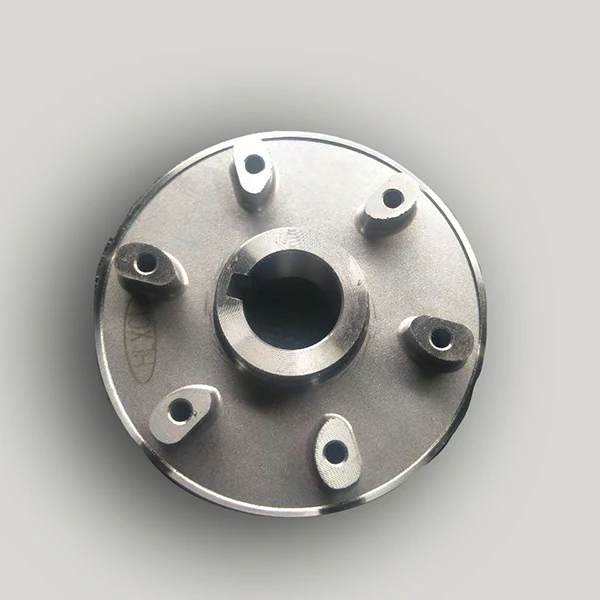
Industrial operators frequently require gear reducers tailored for unique specifications, prompting leading manufacturers to offer comprehensive customization and OEM/ODM (Original Equipment Manufacturer/Original Design Manufacturer) programs. These solutions encompass specialized gear ratios, unique footprint designs, food-grade and explosion-proof variants, embedded sensors for smart monitoring, and enhanced corrosion resistance coatings. Consultative engineering teams collaborate closely with clients, often leveraging 3D CAD simulation to validate form, fit, and function before prototyping. Digital configuration platforms further support swift selection of speed reducer gear units, integrating application-specific requirements such as output torque, mounting orientation, shaft materials, and lubrication type. Ultimately, this bespoke approach streamlines deployment, mitigates integration risks, and maximizes long-term reliability in mission-critical assets ranging from wind turbines to automated guided vehicles.
Real-World Applications: Case Studies Across Industries
Gear reducers are core to reliable, efficient operation across myriad industries. For example, in the steel sector, customized planetary gear units enable rolling mills to transmit forces exceeding 100,000 Nm at nominal speeds, reducing downtime by 18% through robust sealing systems and optimized load distribution. In the renewable energy arena, wind turbine gearboxes engineered for 20+ year lifespans with advanced composite materials have raised mean time between failures by 22%, greatly enhancing asset value. Automated logistics facilities utilize compact, high-ratio precision speed reducer gear models in conveyor systems, boosting throughput by up to 35%. In the food and beverage industry, wash-down duty reducers equipped with stainless housings enable strict hygiene compliance, extending maintenance intervals to 16 months under continuous operation. Meanwhile, in the robotics field, harmonic drive gear reducers allow collaborative robots to achieve sub-arcsecond positional accuracy and reduce cycle times by more than 12% in assembly tasks. These examples illustrate the versatility and transformative impact of next-generation gear reducer technology.
The Evolving Landscape of Gear Reducer Manufacturers
Gear reducer manufacturers are continuously innovating to meet evolving industrial challenges and regulatory expectations. As the demand for energy-efficient, IoT-enabled, and compact drives intensifies, these suppliers invest in advanced materials, digital engineering, and sustainable practices. Customer-centric custom solutions are increasingly becoming the standard, with predictive maintenance and condition monitoring taking center stage. Industry consolidation, new market entrants, and global supply chain dynamism further shape competitive differentiation. Ultimately, partnering with an experienced speed reducer gear provider remains a decisive factor in achieving reliability, scalability, and next-generation performance in modern automation-driven operations.

(gear reducer manufacturers)