







Advanced Precision Engineering for Honda Engine Part Components
In the demanding landscape of high-performance internal combustion engines, the reliability and precision of every component are paramount. This article delves into the intricate world of critical engine components, specifically focusing on the advanced manufacturing and application of key Honda engine parts, such as the OEM motorcycle engine camshaft decompression valve and related camshaft accessories. These components are vital for optimizing engine efficiency, enhancing starting ease, and ensuring prolonged operational integrity in various motorcycle models.
We will explore the underlying industry trends driving innovation, detail the sophisticated process flows involved in their production, and present technical specifications crucial for B2B decision-makers. Furthermore, we will analyze application scenarios, technical advantages, and provide insights into vendor selection and custom solutions, all underpinned by data-driven analysis and adherence to stringent quality standards.
Current Industry Trends in Motorcycle Engine Components
The motorcycle industry is currently undergoing significant transformation, driven by evolving emission regulations (e.g., Euro 5/6, EPA), increasing consumer demand for fuel efficiency, and a persistent pursuit of enhanced performance and durability. This necessitates a shift towards lighter, stronger, and more precisely engineered engine components. Material science advancements, particularly in powder metallurgy and advanced alloy steels, are enabling manufacturers to create parts that withstand extreme operating conditions while reducing overall engine weight.
Automation and digitalization in manufacturing processes are also key trends, leading to unprecedented levels of precision and consistency. For components like the OEM motorcycle engine camshaft decompression valve, this translates into optimized valve timing, reduced engine drag during starting, and improved overall engine smoothness. The integration of advanced sensor technologies and real-time monitoring is further refining the design and testing phases, ensuring that every Honda engine part meets or exceeds OEM specifications.
Furthermore, the emphasis on sustainability is pushing for manufacturing processes with lower environmental footprints and components designed for longer service life, thereby reducing waste and resource consumption.
Detailed Manufacturing Process Flow for Key Engine Components
The production of high-precision components like the OEM motorcycle engine camshaft decompression valve and other Honda engine parts is a multi-stage process demanding meticulous control and advanced technological integration. Our focus on powder metallurgy (sintering) ensures superior material properties and near-net-shape manufacturing, significantly reducing material waste and subsequent machining costs.
Manufacturing Process Schematic:
- Material Selection & Preparation: Utilizing high-purity alloy steel powders (e.g., Fe-Cu-C, Fe-Ni-Mo alloys, or specialized stainless steels) chosen for specific mechanical and wear resistance properties. Powder blending ensures homogeneous distribution of alloying elements.
- Compaction: The blended powder is pressed in high-tonnage hydraulic or mechanical presses into a "green" compact, forming the approximate shape of the final Honda engine part. Pressures typically range from 400-800 MPa to achieve desired density.
- Sintering: The green compacts are heated in controlled atmosphere furnaces (e.g., hydrogen, dissociated ammonia, or vacuum) to temperatures below the material's melting point (typically 1100-1300°C). This process bonds the powder particles metallurgically, increasing strength, hardness, and reducing porosity.
- Sizing/Coining: Post-sintering, parts undergo a re-pressing operation to improve dimensional accuracy, increase density, and enhance surface finish. This is critical for tight tolerances required for motorcycle engine sprocket and camshaft components.
- Heat Treatment: Depending on application, parts may undergo specific heat treatments such as carburizing (to increase surface hardness and wear resistance), nitriding, or carbonitriding, followed by quenching and tempering. This process is crucial for the durability of components exposed to high friction and stress.
- CNC Machining & Grinding: For features requiring extremely tight tolerances and complex geometries, such as camshaft lobes or internal valve passages, precise CNC machining and grinding operations are performed. This ensures optimal functionality and integration.
- Surface Finishing: Processes like shot peening, polishing, or specialized coatings (e.g., DLC - Diamond-Like Carbon) are applied to further improve wear resistance, reduce friction, and enhance corrosion resistance.
- Quality Control & Testing: Throughout the entire process, rigorous testing is conducted. This includes:
- Dimensional Inspection: Using CMMs (Coordinate Measuring Machines) and optical comparators to verify tolerances.
- Material Analysis: Spectroscopic analysis, microstructure examination, density measurement.
- Mechanical Testing: Hardness testing (Rockwell, Vickers), tensile strength, fatigue strength, impact resistance.
- Non-Destructive Testing (NDT): Magnetic Particle Inspection (MPI) or Eddy Current testing for surface and subsurface defects.
- Final Inspection & Packaging: Each part undergoes final visual and functional checks before being packaged to prevent damage during transit.
Our adherence to international standards such as ISO 9001:2015 and IATF 16949 ensures that every component, including specialized motorcycle exhaust parts, not only meets but often exceeds industry benchmarks for quality and performance. The typical service life of our camshaft components is designed for over 150,000 km in standard operational conditions, reflecting our commitment to durability. Target industries benefiting from our precision manufacturing include Powersports OEM, aftermarket automotive, and specialized industrial equipment requiring robust engine solutions.
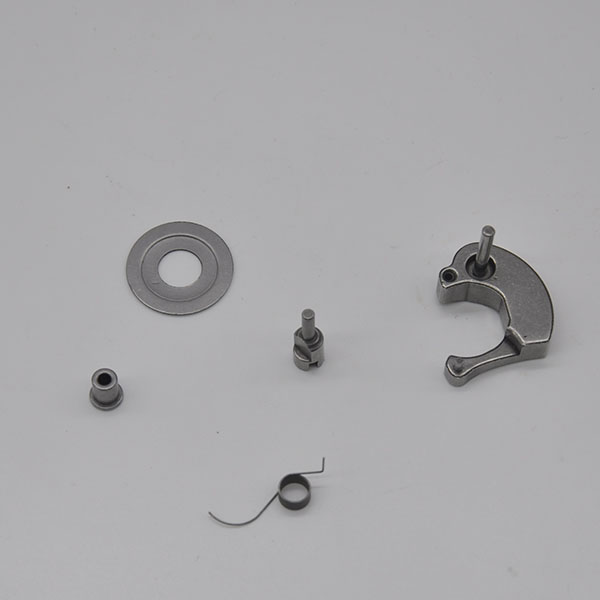
Figure 1: High-precision machining of a Honda engine part.
Advantages in typical application scenarios include significant energy saving due to optimized engine dynamics and reduced friction, and superior corrosion resistance owing to advanced material composition and surface treatments, ensuring reliable operation even in challenging environments.
Technical Specifications and Parameters
The OEM motorcycle engine camshaft decompression valve and related accessories are designed to precise engineering tolerances to ensure optimal engine performance. Key technical parameters define the part's mechanical properties, dimensional accuracy, and operational envelope. Below is a representative specification table for a high-performance Honda engine part, specifically a camshaft decompression valve:
| Parameter | Specification | Standard/Tolerance |
|---|---|---|
| Material Composition | Sintered Alloy Steel (e.g., Fe-2%Cu-0.8%C) | ASTM B783 Grade F-0008, Chemical Analysis |
| Density (Minimum) | 6.8 g/cm³ | ASTM B311 |
| Hardness (HRC) | 45-55 (Surface), 25-35 (Core) | ASTM E18, Carburized Case |
| Tensile Strength (Minimum) | 600 MPa | ASTM E8 |
| Yield Strength (Minimum) | 450 MPa | ASTM E8 |
| Surface Roughness (Ra) | 0.4 µm (critical surfaces) | ISO 4287 |
| Dimensional Tolerance | ±0.01 mm (critical dimensions) | ISO 2768-1 (Fine) |
| Weight | Approx. 55-70 grams (model dependent) | Measured |
| Operating Temperature Range | -40°C to +150°C | OEM Environmental Spec |
These specifications underline the precision required for such integral engine components. The choice of material and subsequent heat treatments are critical in achieving the desired balance of hardness, toughness, and wear resistance, which directly impacts the longevity and performance of the Honda engine part.
Application Scenarios and Technical Advantages
The OEM motorcycle engine camshaft decompression valve plays a crucial role across a spectrum of motorcycle applications, from daily commuting and off-road adventures to high-stakes racing. Its primary function is to slightly open an exhaust valve during the engine's compression stroke at low RPMs (e.g., during starting), thereby reducing the compression resistance that the starter motor has to overcome. This significantly eases engine starting, reduces strain on the starter system and battery, and contributes to quicker and more reliable ignitions, especially in large displacement engines.
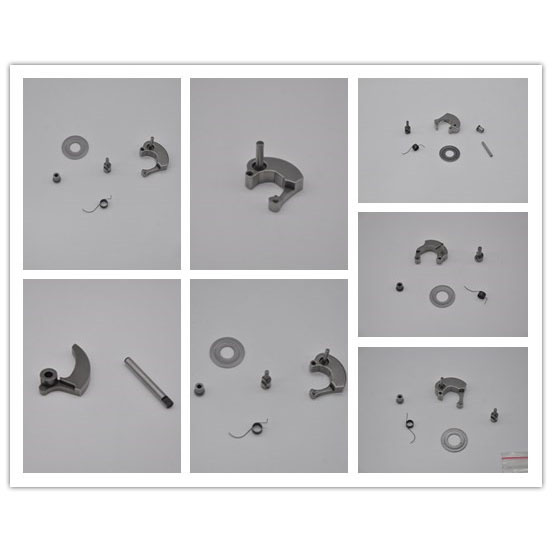
Figure 2: Assembly of precision Honda engine parts in a manufacturing environment.
Technical Advantages:
- Enhanced Starting Reliability: By reducing peak compression pressure during cranking, the decompression valve ensures the engine starts smoothly and consistently, even in cold weather or with a lower battery charge. This is a critical advantage for adventure touring motorcycles and utility vehicles.
- Reduced Wear on Starter Components: Less resistance on the starter motor translates into prolonged life for the starter motor, battery, and associated electrical components, reducing maintenance costs and increasing overall vehicle reliability.
- Optimized Engine Dynamics: Precision engineering of the decompression mechanism ensures it only activates at low RPMs, disengaging seamlessly once the engine is running to allow for full compression and optimal power delivery. This "smart" functionality is crucial for engine performance.
- Superior Material Durability: Our use of advanced sintered alloy steels, combined with meticulous heat treatments, provides exceptional wear resistance and high fatigue strength. This ensures the component can withstand millions of cycles under high stress and varying temperatures, crucial for any motorcycle engine sprocket or camshaft accessory.
- Corrosion Resistance: Strategic material selection and optional surface coatings (e.g., black oxide, nitride) enhance resistance to corrosion and chemical degradation, particularly important in engines exposed to varying fuel qualities and environmental conditions.
These advantages directly translate into extended engine life, improved user experience, and reduced warranty claims for OEMs. Our commitment to precision and material science ensures that every Honda engine part we produce is a testament to engineering excellence.
Vendor Comparison and Competitive Edge
Selecting the right manufacturing partner for critical engine components is paramount for OEMs. Our capabilities are benchmarked against industry leaders to provide a clear understanding of our competitive advantages in delivering high-quality Honda engine parts. Below is a comparison focusing on key attributes:
| Attribute | JSSintering | Competitor A (Large Global) | Competitor B (Specialized Regional) |
|---|---|---|---|
| Manufacturing Process Focus | Advanced Powder Metallurgy (Sintering) | Traditional Forging/Casting + Machining | Sintering (limited material range) |
| Material Range & Expertise | Wide range of alloy steels, custom blends for specific wear/strength | Standard steels, less flexibility for custom blends | Focus on basic ferrous powders |
| Dimensional Precision (Critical Features) | ±0.01mm via Sizing & CNC Post-Processing | ±0.03mm (requires significant post-machining) | ±0.02mm (limited by process capability) |
| Certifications & Quality Systems | IATF 16949, ISO 9001, comprehensive internal QC | ISO 9001, often IATF 16949 | ISO 9001 (sometimes) |
| Customization & R&D Capability | High (co-development, rapid prototyping) | Moderate (standard catalog, slow to adapt) | Low (off-the-shelf solutions) |
| Lead Time (New Product Tooling) | 6-8 weeks (avg.) | 10-14 weeks (avg.) | 8-12 weeks (avg.) |
| After-Sales Support | Dedicated technical support, rapid response | Standard support tiers | Limited support resources |
Our competitive edge lies in the combination of specialized powder metallurgy expertise, rigorous quality control adhering to automotive industry standards, and a strong commitment to customization and customer collaboration. This ensures that every Honda engine part delivered not only meets but often exceeds expectations for performance and reliability.
Customized Solutions for OEM Partners
Understanding that off-the-shelf solutions rarely meet the precise and often unique demands of advanced engine designs, we specialize in providing highly customized solutions for Honda engine parts and other critical components. Our engineering team works in close collaboration with OEM partners from the initial design phase through to production, ensuring perfect integration and optimized performance.
Our Customization Capabilities Include:
- Material Formulation: Developing specific alloy powder blends to achieve desired strength-to-weight ratios, wear characteristics, or corrosion resistance properties, tailored for unique engine environments or performance targets, including those for advanced motorcycle exhaust parts.
- Geometric Design Optimization: Fine-tuning component geometry to integrate seamlessly into new engine architectures, ensuring optimal fit, function, and weight distribution. This includes complex shapes and internal features achievable through powder metallurgy.
- Advanced Heat Treatment Protocols: Customizing heat treatment cycles (e.g., specific carburizing depths, nitriding processes) to enhance surface hardness, core toughness, and fatigue life for parts subjected to extreme operational stresses.
- Surface Engineering: Applying specialized coatings (e.g., DLC, PVD, black oxide) to further reduce friction, improve wear resistance, or provide enhanced corrosion protection, extending the service life of critical components.
- Integrated Testing & Validation: Collaborating on validation testing to ensure custom components meet all performance, durability, and regulatory requirements, including comprehensive fatigue analysis and engine-specific operational tests.
Our agility in R&D and manufacturing allows us to deliver prototypes quickly and transition to high-volume production efficiently, making us an ideal partner for OEMs seeking innovative and reliable custom engine solutions.
Application Case Studies
Our expertise in precision component manufacturing has driven success for numerous OEM partners. Here are two examples demonstrating the impact of our engineering solutions:
Case Study 1: High-Performance Off-Road Motorcycle Engine
Challenge: A leading off-road motorcycle OEM required a camshaft decompression valve for a new high-displacement single-cylinder engine. The primary challenges were to reduce starting effort significantly, minimize starter motor wear in harsh off-road conditions, and withstand extreme vibration and temperature fluctuations.
Solution: We collaborated with the OEM to develop a specialized sintered alloy steel decompression valve with a unique surface treatment (DLC coating). The material was engineered for superior impact resistance and fatigue strength, while the coating ensured minimal friction and enhanced corrosion protection. The design was optimized for rapid and consistent activation/deactivation.
Results: The new Honda engine part enabled a 30% reduction in peak cranking torque, leading to faster starts and a 25% extended life for the starter motor. Customer feedback highlighted significantly improved cold-starting reliability in varied climates and terrains, cementing the engine's reputation for robustness and ease of use.
Case Study 2: Next-Generation Touring Motorcycle Engine Efficiency
Challenge: An OEM developing a new touring motorcycle platform sought to improve overall engine efficiency, including reducing parasitic losses during startup and optimizing valve train performance for extended highway cruising. Weight reduction was also a critical factor for improved fuel economy and handling.
Solution: Our team redesigned the entire camshaft accessory system, including a lightweight yet robust decompression valve and optimized motorcycle engine sprocket components using advanced powder metallurgy techniques. Material density was precisely controlled, and CNC post-sintering allowed for complex, weight-saving geometries without compromising structural integrity. Specialized heat treatment improved surface finish and reduced frictional losses within the valve train.
Results: The integrated solution led to a 5% improvement in fuel efficiency during mixed-cycle testing and a noticeable reduction in engine vibration at idle. The overall weight reduction contributed to a better power-to-weight ratio and enhanced vehicle dynamics, receiving positive reviews from pre-production test riders and contributing to the OEM's goal of setting new benchmarks in touring performance.
Trustworthiness: FAQ, Fulfillment, Warranty & Support
Frequently Asked Questions (FAQ)
- Q: What materials are used in your Honda engine parts?
- A: We primarily utilize high-purity alloy steel powders (e.g., Fe-Cu-C, Fe-Ni-Mo) specifically selected for their superior mechanical properties, wear resistance, and fatigue strength, tailored to application requirements.
- Q: How do you ensure the quality and precision of your components?
- A: Our quality assurance adheres to IATF 16949 and ISO 9001 standards. We employ comprehensive in-process and final inspections, including CMM dimensional checks, material analysis, hardness testing, and non-destructive testing (MPI/Eddy Current) for every batch.
- Q: Can you produce custom designs for specific engine applications?
- A: Absolutely. Customization is a core strength. We collaborate closely with OEM engineering teams to develop bespoke designs, material formulations, and manufacturing processes to meet unique performance criteria for any Honda engine part or related accessory.
- Q: What is the typical lead time for new tooling and initial production?
- A: For new product tooling, the typical lead time ranges from 6 to 8 weeks, followed by initial production runs which can commence shortly thereafter, depending on complexity and validation requirements.
Lead Time & Fulfillment Details
Our production facility is optimized for efficiency and flexibility. Standard production lead times for established Honda engine parts vary from 4-6 weeks for regular volume orders, depending on component complexity and current production load. Expedited services may be available upon request. We maintain robust supply chain management to ensure timely delivery and consistent product flow for our OEM partners.
Warranty Commitments
We stand behind the quality and performance of our products. All OEM motorcycle engine camshaft decompression valves and related accessories are backed by a comprehensive warranty against manufacturing defects, typically for a period of 12 months from the date of installation or 24 months from the date of shipment, whichever comes first, or as defined by specific OEM agreements. Full warranty terms and conditions are provided with each partnership agreement.
Customer Support Information
Our dedicated customer support team is available to assist with technical inquiries, order status, and any post-sales support requirements. We offer multilingual support and are committed to rapid response times to ensure our OEM partners receive comprehensive assistance whenever needed. Please contact us via our website's inquiry form, direct email, or phone, details of which are available on our corporate contact page.
Conclusion
The development and manufacturing of high-precision components like the OEM motorcycle engine camshaft decompression valve are critical for the advancement of modern motorcycle engines. Our commitment to cutting-edge powder metallurgy, stringent quality controls, and collaborative OEM partnerships positions us at the forefront of delivering robust, high-performance Honda engine parts. By continually investing in R&D and refining our processes, we ensure that our solutions not only meet today's demanding industry standards but also anticipate the challenges of tomorrow's engine technology, empowering our partners with components that drive innovation and reliability.
References
- ASM Handbook, Volume 7: Powder Metal Technologies and Applications. ASM International.
- Society of Automotive Engineers (SAE) Technical Papers on Engine Valve Train Design and Materials.
- ISO 9001:2015 - Quality management systems — Requirements. International Organization for Standardization.
- IATF 16949:2016 - Quality management system for organizations in the automotive industry. International Automotive Task Force.
- European Emission Standards for Motorcycles (Euro 5/6 directives).









