




Understanding Helical Gears: What They Are and Why They Matter Worldwide
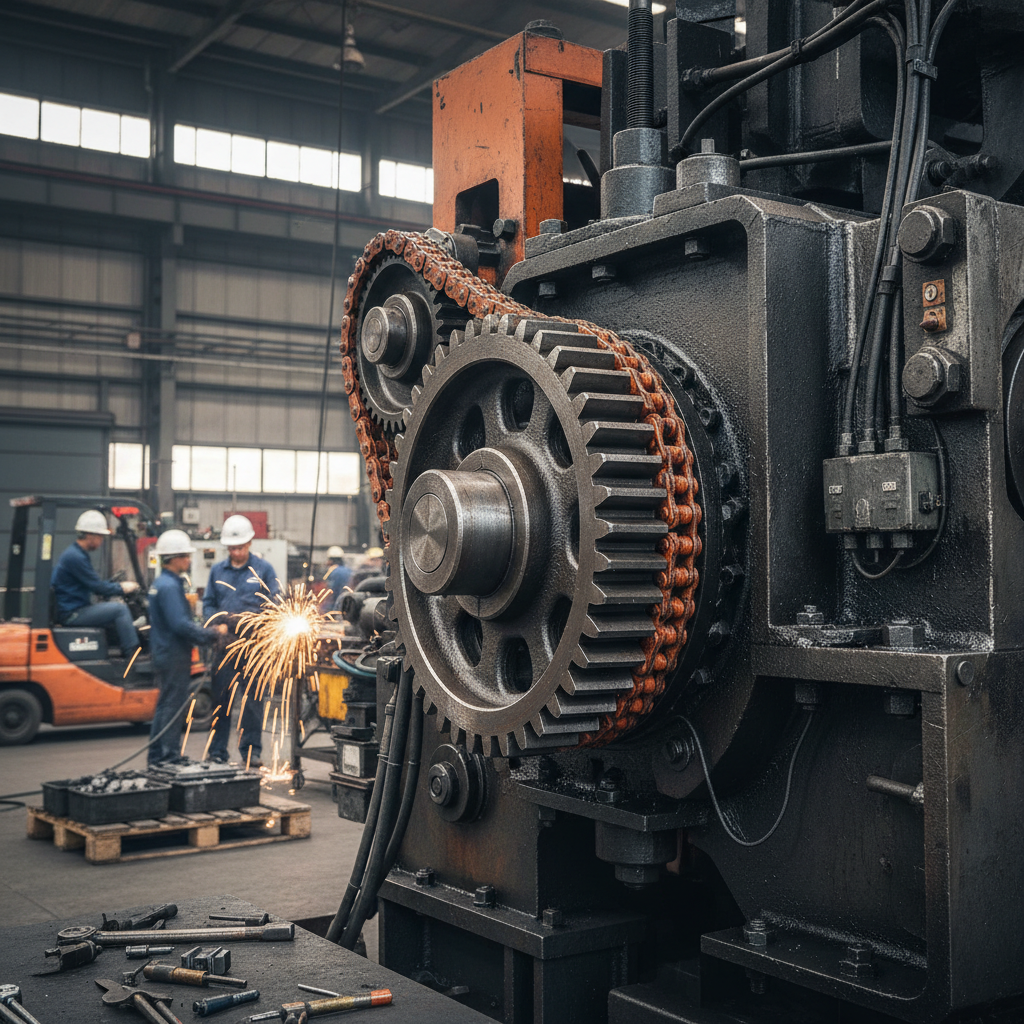
Helical gears might sound like something out of a mechanical engineering textbook, but honestly, they're at the heart of a huge variety of machines we rely on daily — from automotive transmissions to conveyor systems in factories. Grasping what helical gears are and their advantages is no mere academic exercise. In fact, it’s vital when you consider their global footprint in industries driving economic growth and technological innovation. Their ability to provide smooth, quiet transmission in high-load environments makes them invaluable, especially as we push toward greener and more efficient machines worldwide.
Helical Gears in the Global Industrial Landscape
Helical gears are everywhere, but do you appreciate just how important they are on a worldwide scale? According to recent ISO standards and World Bank reports, manufacturing sectors that utilize precision gear systems like helical designs have experienced faster downtime reductions and increased energy efficiency by up to 15% — a figure that can translate into billions of dollars in savings across global supply chains.
Now, the challenge: as industries strive to automate and electrify, especially in emerging economies, these gears must deliver high performance with lower noise and minimal wear. That’s a tall order that helical gears tend to meet better than their spur or bevel counterparts.
What Exactly Are Helical Gears?
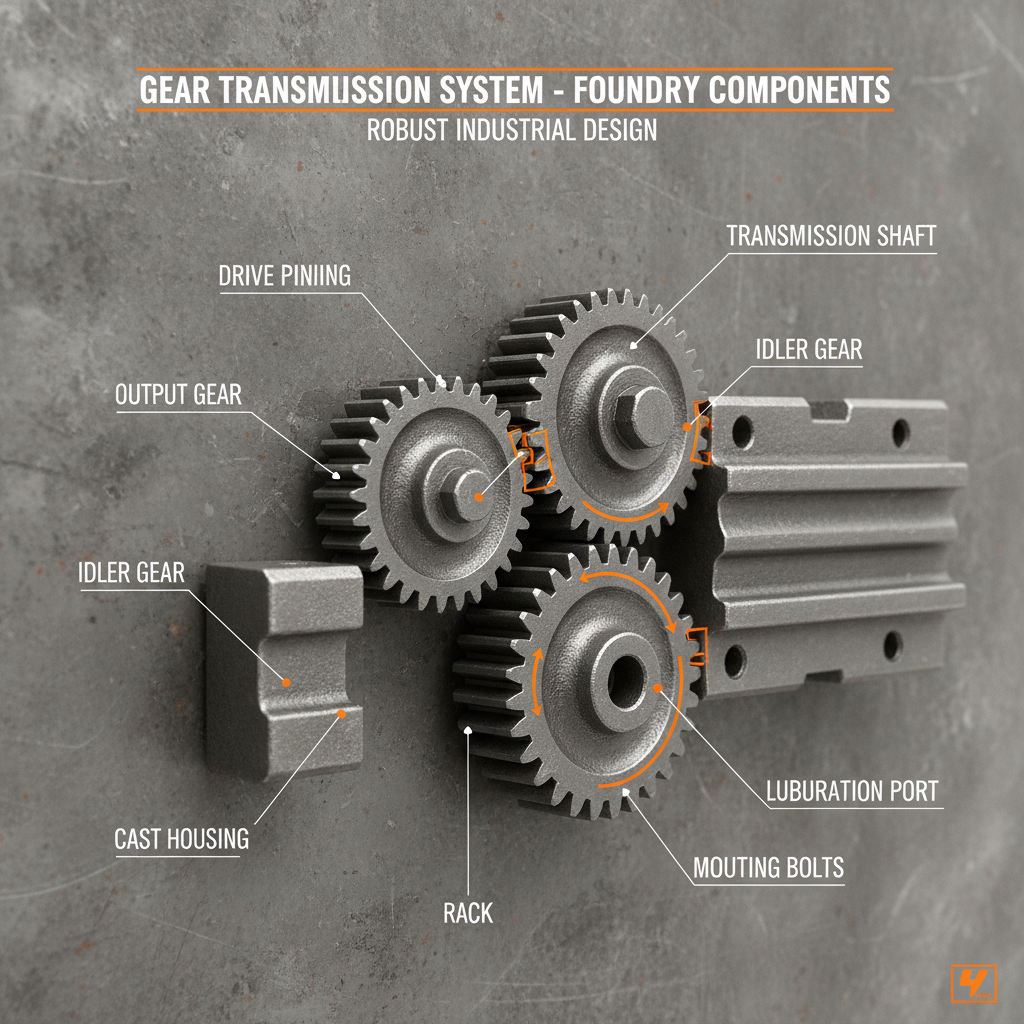
In its essence, a helical gear is a cylindrical gear with angled teeth cut at a helix angle rather than straight across. This seemingly small design twist means teeth engage gradually, spreading the load more evenly. This smooth engagement lowers noise and vibration — a godsend in applications from aircraft gearboxes to electric vehicle motors.
Interestingly, their design also parallels many natural spiral forms, reminding you that sometimes engineering obsesses over what nature has perfected over millennia. In humanitarian terms, where silent, reliable machines can make the difference in emergency power generators or medical device manufacturing, these gears quietly do their part.
1. Durability and Load Capacity
Helical gears handle higher loads than straight-cut gears because their teeth overlap gradually. This means less stress on individual teeth and longer service life, even in tough environments. For industries like mining or construction — where machine failure costs both time and human safety — durability is paramount.
2. Smooth and Quiet Operation
Thanks to their angled tooth profile, these gears deliver quieter and more stable motion. Even in tight urban environments where noise pollution is a concern (think electric vehicles or indoor robotics), that feature gets a lot of love.
3. Scalability for Different Applications
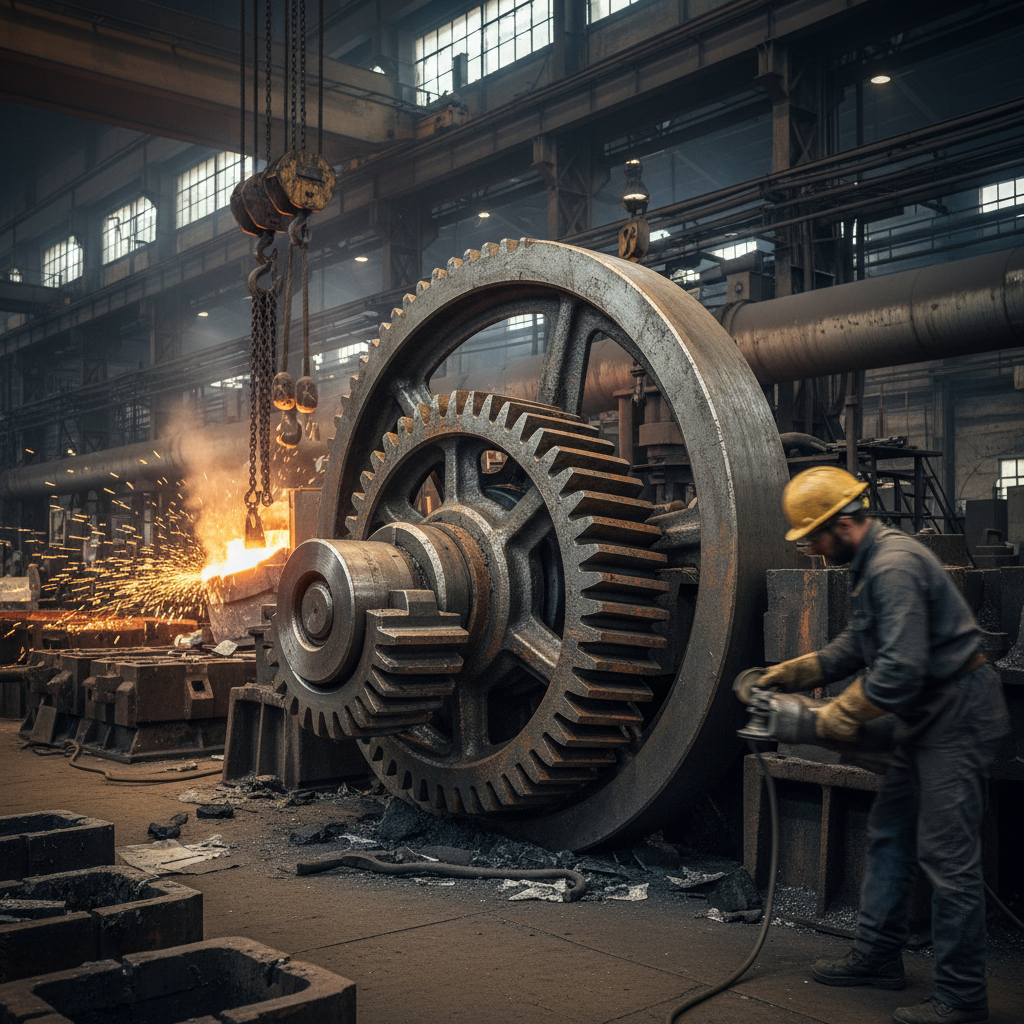
From tiny precision gears in watchmaking to massive gears driving wind turbines, helical gears flex to fit. That adaptability means designers in diverse sectors can tweak gear size, angle, and materials without reinventing the wheel.
4. Cost Efficiency Over Time
Although helical gears sometimes cost more upfront, their reduced maintenance needs and less frequent replacements often translate to real savings — and less downtime, which in many industries is priceless.
Mini Takeaway:
- Helical gears combine strength, smoothness, and adaptability for a broad range of industrial uses.
- They address global demands for quieter, more durable machinery — a growing priority as economies advance.
How Helical Gears Fit Into Real-World Applications
Curious about where helical gears actually work their magic? Well, in automotive transmissions, they’re the silent heroes turning your engine’s power into smooth acceleration. In heavy industry, think conveyors moving tons of materials quietly and efficiently — industries in Germany, Japan, the U.S., and even emerging markets like India rely heavily on helical gear technology.
For humanitarian relief efforts, portable generators armed with helical geared motors ensure swift, steady power supply to disaster-hit areas — providing vital energy for medical facilities where every second counts.
Even niche applications like robotics and aerospace leverage the precision and reliability of these gears, where any noise or vibration could mean compromised operations or quicker wear and tear.
Specification Table: Typical Helical Gear Features
| Specification | Value/Range |
|---|---|
| Material | Steel (Alloy/Carbon), Bronze, Plastic (for light loads) |
| Helix Angle | 15° to 30° (typical) |
| Pitch Diameter | Varies widely (from few mm to meters) |
| Pressure Angle | 20° (common) |
| Surface Finish | Ground or polished for noise reduction |
Advantages and the Long-Term Value of Choosing Helical Gears
Choosing helical gears isn’t just about a precise fit for your machine; it’s a long-term investment in reliability and efficiency. Because these gears have a longer lifespan and require less maintenance, companies can shift resources to innovation or growing markets rather than fixing breakdowns. Plus, the quieter operation enhances working conditions, which often gets overlooked but substantially improves workforce well-being.
On a more emotional level, consider the trust customers place in a brand whose products don’t fail under pressure. Just like how you count on your car or a medical device to function flawlessly, industries worldwide lean on these gears to provide the dignity of safety and consistency. That intangible factor often shapes industrial partnerships and product loyalty in surprising ways.
Vendor Comparison: Popular Helical Gear Suppliers
| Supplier | Material Options | Customization Availability | Typical Lead Time | Global Reach |
|---|---|---|---|---|
| Helix Gear Corp. | Steel alloys, plastics | High (custom machining) | 4-6 weeks | North America, Europe |
| Precision Sine Gears Ltd. | Heat-treated steel, bronze | Medium (standard sizes) | 3-5 weeks | Asia, Europe |
| Global Gear Solutions | Wide variety incl. specialty alloys | Very High (tailored runs) | 6-8 weeks | Worldwide |
Future Trends: Where Helical Gears Are Headed
The future feels kind of exciting here. Emerging materials like carbon-fiber-reinforced composites offer the promise of lighter, stronger gears capable of surviving even extreme conditions. Digital twin technology and AI-powered gear health monitoring are slowly revolutionizing maintenance: no more guesswork, just real-time predictive data feeding maintenance crews.
Moreover, greener manufacturing processes and recyclable materials align with global sustainability goals — something the UN and ISO encourage as industries worldwide push to reduce carbon footprints. Helical gears will be part of next-gen electric vehicles and renewable energy solutions, quietly making big impacts where you least expect them.
Challenges and How Engineers Are Tackling Them
That said, not all is sunshine with helical gears. The angled teeth generate axial thrust forces, requiring careful bearing design to handle the extra load. Some engineers I spoke to mentioned that in extremely high-speed contexts, extra lubrication and cooling systems become necessities to avoid premature wear.
Solutions? Innovation in lubricants that function under varied temperatures, as well as novel bearing designs, are helping mitigate these limits. And additive manufacturing (aka 3D printing) is starting to enable rapid prototyping so designers can test and optimize gear performance with unprecedented speed.
Helical Gears: Frequently Asked Questions
- Q: Can helical gears be used in high-torque applications safely?
A: Absolutely. Their angled teeth allow load distribution over several teeth at once, increasing torque capacity while minimizing stress concentration. - Q: How do helical gears compare to spur gears in noise levels?
A: Helical gears are significantly quieter due to gradual tooth engagement, making them preferable in noise-sensitive applications. - Q: Are there any typical maintenance challenges unique to helical gears?
A: The main concern is managing axial thrust forces, requiring proper bearing maintenance to avoid premature wear. - Q: Can these gears be customized for niche industries?
A: Most definitely. Customization — from materials to tooth angles — is common in sectors like aerospace and robotics where precision matters.
Wrapping It Up: The Quiet Workhorses Behind Modern Machines
Helical gears might not be glamorous, but they are the workhorses quietly powering the future of industry, transportation, and humanitarian tech alike. Their blend of durability, quiet operation, and versatility make them indispensable partners in an increasingly complex mechanical world. For anyone exploring robust, efficient gearing solutions, it’s worth diving deeper. If you want to browse expert-grade helical gears and related technologies, visit our website: https://www.jssintering.com.