






What smart buyers ask gear hob cutters manufacturers in 2025 (and why some are pivoting to sintered double gears)
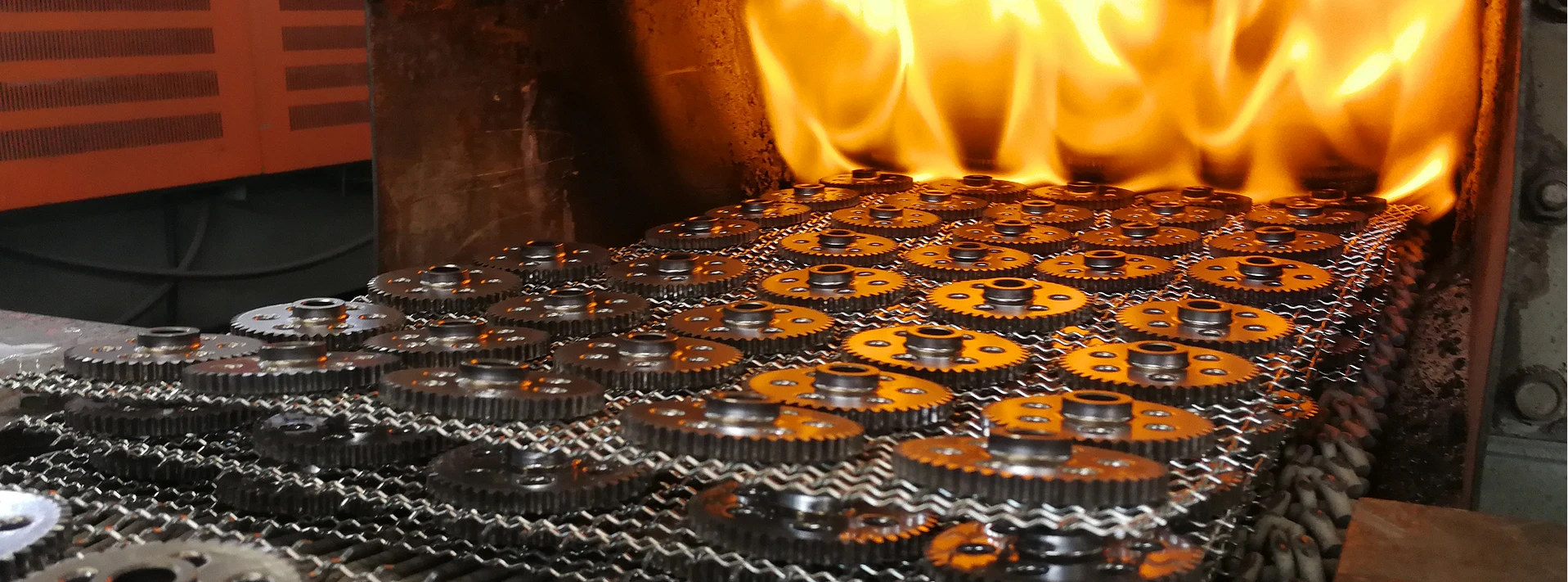
I’ve spent too many late nights in gear shops to romanticize chips and coolant. Hobbing is still king for precision steel gears, sure. But—surprisingly—powder metallurgy (PM) double gears are eating into small gearbox and power tool programs because they hit the sweet spot of cost, noise, and throughput. Case in point: an OEM powder metallurgy sintered double gear for power tools, made in Hebei, China, that I visited at TIANSHAN INTERNATIONAL MANUFACTURING INDUSTRY PARK NO.57, YUANSHI, SHIJIAZHUANG CITY. The line runs calmly, almost quietly, which is not what you get in most cutting rooms.
Industry trend: cut vs. compact-and-sinter
Hobbing remains unbeatable for tight AGMA/ISO grades on high-torque gears. However, for compact double gears used in power tools, e‑bikes, and micro‑gearboxes, PM often wins on cost per set, NVH, and repeatability at scale. Many customers say they switched when they realized PM nets near-final tooth forms with less post-machining and, crucially, fewer supply chain steps.
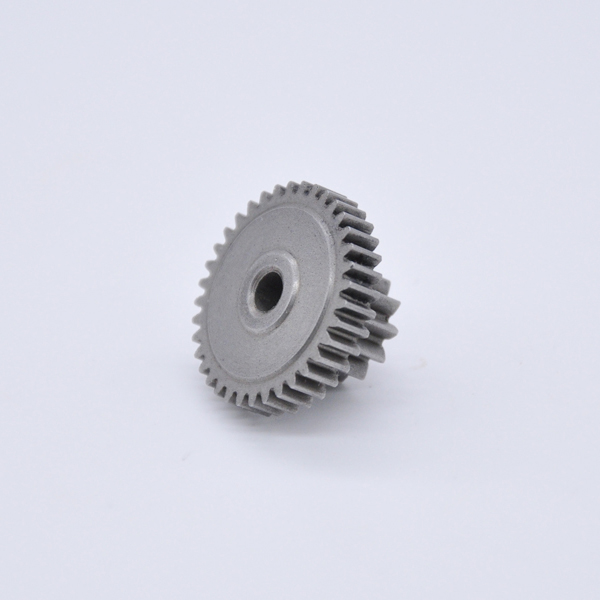
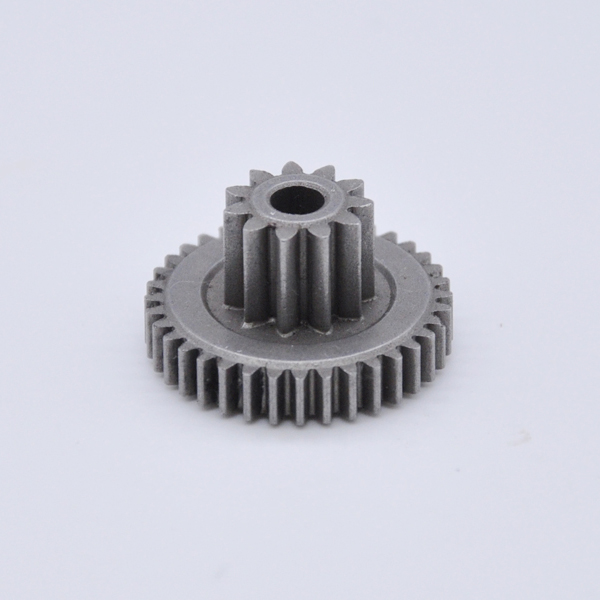
Product snapshot: OEM PM sintered double gear
| Brand | OEM |
| Technology | Powder Metallurgy (compaction + sintering; optional sizing/shaping) |
| Material standard | MPIF 35, DIN 30910, JIS Z2550 |
| Density | 6.2 – 7.1 g/cm³ (≈ depends on alloy/press tonnage) |
| Macro hardness | 20 – 43 HRC after quench; real-world may vary |
| Tensile / 0.2% YS | ≈1650 MPa / ≈1270 MPa (specimen-based) |
| Surface treatment | Quenching, polishing (others on request) |
| Certifications | ISO 9001, TS/IATF 16949 |
| MOQ / Price | ≈5000 pcs / ≈$0.10–$5.00 per piece |
Process flow and testing
- Powder selection and mixing (per MPIF 35 alloy families)
- High-tonnage compaction (tooling for double gear geometry)
- Sintering in controlled atmosphere; optional infiltration/impregnation
- Sizing/shaping, deburring, quenching/polish
- Inspection: tooth profile/lead per ISO 1328-1; hardness per ISO 6508-1; tensile per ISO 6892-1
Service life in tools is typically ≈500–1,200 hours depending on torque, lubrication, and duty cycle. In fact, some pilot fleets ran longer after switching lubricants—small things matter.
Applications and advantages
- Power tools, compact gearboxes, small motors, e‑bikes, automotive actuators
- Advantages: lower piece cost, noise reduction (micro-porosity damps), high repeatability, integrated double-gear forms
- Limitations: extreme torque or very high AGMA/ISO grades may favor cut/hobbed gears
Vendor comparison (pragmatic view)
| Vendor type | Strengths | Typical lead time | Best for |
|---|---|---|---|
| PM OEM (Hebei, China) | High-volume repeatability, double-gear integration, ISO 9001/IATF lineage | ≈4–8 weeks after tooling | Power tools, micro‑gearboxes |
| gear hob cutters manufacturers | Tight tolerance cut gears, flexible alloys, quick tweaks | ≈2–6 weeks (prototype faster) | High-torque, high-precision, low/med volumes |
| Integrated PM + machining | Hybrid solutions, post-sinter finishing | ≈5–9 weeks | Mixed portfolios, step-up accuracy |
Customization notes
Common requests: custom module/pitch, integrated double gear ratios, tailored porosity for oil retention, and selective hardening. To be honest, providing a torque-speed histogram up front saves weeks. Also specify inspection class (e.g., ISO 1328 grade target) and lubrication plan.
Mini case study
A mid-size power tool brand migrated from cut single gears to PM double gears. Results after 50k units: cost −18%, measured idle noise −2.4 dB(A), scrap down by around 35%. Endurance rig ran 600 hours without tooth pitting; post-mortem showed uniform hardness 38–41 HRC and stable profile error within ISO 1328 grade 9. Not bad.
Citations









