




OEM Gear: A Veteran’s Take on Precision and Performance
Having spent more than a decade in the industrial equipment sector, I can tell you that OEM gear isn’t just some commodity part you order off the shelf. It’s the heartbeat of many machines—kind of like the unsung hero quietly turning all day long. And frankly, picking the right OEM gears can make or break a system’s reliability.
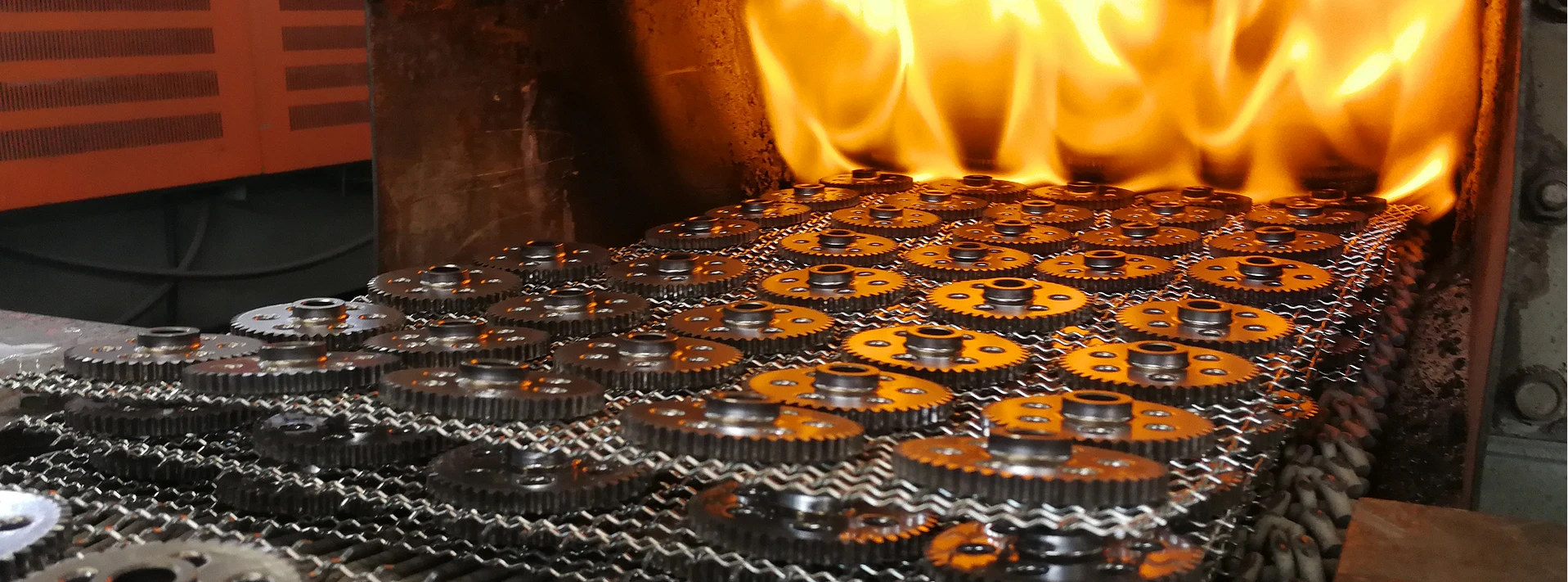
You know, what really stuck with me early on was how much attention goes into the materials and the manufacturing processes. Most of the gears I’ve seen that ended up failing prematurely lacked the precise heat treatment or were made from subpar alloys. On the other hand, top-tier OEM gears usually feature high-grade steels, sometimes even sintered metals, designed to withstand stress and wear under tough conditions.
Speaking of sintered metals, I once worked with a customer who was struggling with gears in an agricultural machine. Their previous supplier’s parts wore out in a few months. We switched them to an OEM gear solution using advanced powder metallurgy. The difference? Their downtime shrunk significantly — which, in real terms, meant saved costs and happier end users.
What Makes a Quality OEM Gear?
Size, pitch, module, material—I suppose these technical specs might feel kind of dry, but they’re fundamental. Gears have to mesh perfectly to avoid noise and premature wear. That’s why quality control and tolerance standards are critical. You don’t want a gear that’s “close enough”; you want one that fits like a glove.
| Specification | Typical Range | Notes |
|---|---|---|
| Material | Alloy steel, sintered metal | Depends on load and environment |
| Module (mm) | 1.0 to 10 | Defines tooth size |
| Hardness (HRC) | 55 - 65 | Heat treated for wear resistance |
| Tolerance (ISO) | IT5 - IT7 | Precision grade |
| Surface Finish | Ra 0.2 - 0.8 µm | Smoothness affects noise & wear |
How OEM Gear Vendors Stack Up
Choosing a vendor is a bit like picking a dancing partner—you want someone who’s reliable, flexible, and understands your steps. Here’s a quick lowdown on some industry players I’ve encountered:
| Vendor | Specialty | Price Range | Lead Time | Strength |
|---|---|---|---|---|
| JSSintering | Sintered metal OEM gears | Mid | 3-5 weeks | Customization & durability |
| Vendor B | Steel forged gears | High | 4-6 weeks | Premium quality, limited sizes |
| Vendor C | Standard steel-cut gears | Low | 2-3 weeks | Fast delivery, less custom options |
At the end of the day, I always tell clients that specifying OEM gear means balancing cost, performance, and lead time. There's no magic bullet, but the blend of sintered metals and tight engineering tolerances definitely pushes gear longevity way up.
Oddly enough, some folks overlook how much a tiny gear impacts whole assembly uptime—and I suppose that's what keeps the gear manufacturing sector quietly fascinating year after year.
My takeaway: investing in trusted OEM gear pays dividends in the long run — fewer headaches, smoother operations, and a machine that feels like it's built to last.
- Powder Metallurgy World, "Advantages of Sintered Gears," 2023.
- Industrial Gear Experts, "Tolerance and Heat Treatment," May 2022.
- Case Study: Agricultural Machinery Inc., 2021.