






- Introduction to oil pump gear
and related concepts - Technical advantages of oil pump gears: precision, materials, and performance
- Comparative analysis of top oil pump gear manufacturers
- Customization and engineering solutions for oil and water pump gears
- Real-world application cases: industry success stories
- Emerging trends and innovations in oil and water pump gear technology
- Conclusion: The future of oil pump gear development and its market potential

(oil pump gear)
Understanding Oil Pump Gear Functions and Market Overview
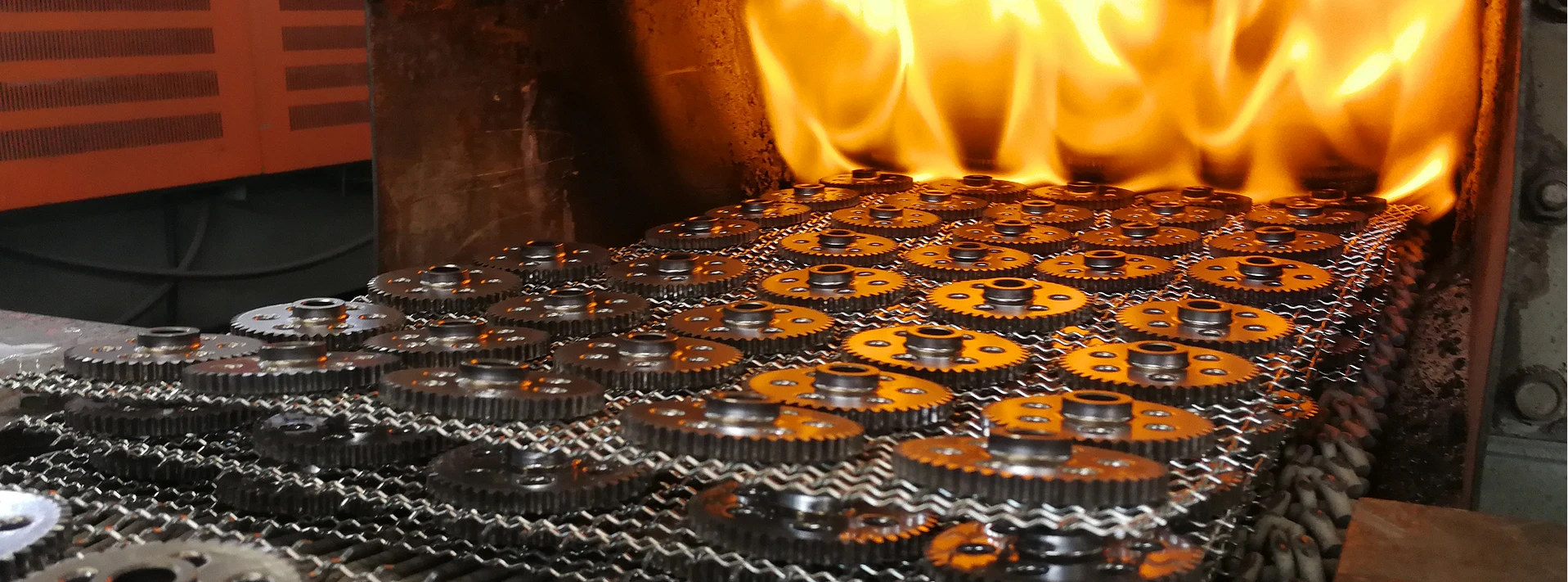
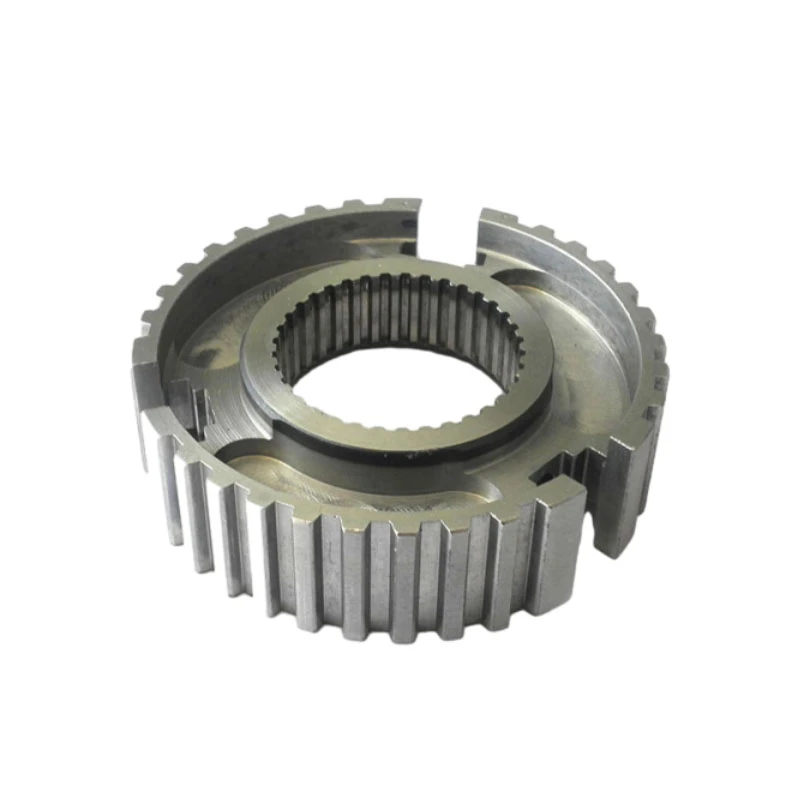
Oil pump gear, a critical element in modern machinery, plays a vital role in circulating lubricants and ensuring the smooth functioning of engines, transmissions, hydraulic systems, and industrial equipment. As global manufacturing and automotive sectors expand, the market value for oil pump gears continues to rise. According to recent industry studies, the oil pump gear sector surpassed USD 4.2 billion in 2023, with a projected Compound Annual Growth Rate (CAGR) of 5.6% between 2024 and 2029. Precise and reliable oil pump gears are integral to various applications, including automotive internal combustion engines, heavy-duty industrial machinery, and water management systems where water pump gears are required.
Their primary function is to convert rotary motion into efficient linear pumping action, supplying constant oil or water flow. The intricate design of these gears—usually spur or helical types—ensures minimized leakage, consistent pressure, and optimal lubrication. With tightening engine requirements, increased demand for fuel efficiency, and stricter environmental standards, the focus on high-performance oil pump gears and water pump gears has never been greater. Manufacturers are, therefore, investing heavily in advanced materials and precision engineering.
Technical Advantages: Precision Engineering, Materials, and Performance
Oil pump gears distinguish themselves through advanced manufacturing processes, high-grade materials, and state-of-the-art engineering. Modern designs leverage CNC machining and powder metallurgy to attain micron-level tolerances (often ±0.005mm), which translates to minimal internal friction and significantly reduced energy loss—critical for performance and longevity.
Material selection is equally crucial. Leading manufacturers use specialized steel alloys and heat-treated cast iron, offering tensile strengths exceeding 900 MPa and hardness ratings above 60 HRC on the Rockwell scale. These properties secure high resistance to wear, corrosion, and deformation when exposed to temperatures up to 200°C, a common operational scenario in high-performance engines.
Comparing with conventional gears, studies reveal that advanced oil pump gears can boost lubrication efficiency by 12–18% and cut pump-related failures by 50%. For water pump gears, adoption of polymer composites reduces noise by up to 35% and weight by up to 40%, enhancing both performance and fuel economy—vital metrics in transportation and energy sectors.
Manufacturer Comparison: Key Players and Product Differentiation
Selecting the right oil pump gear requires careful assessment of supplier quality, technological innovation, and after-sales support. The following table compares four leading global manufacturers, ranked on annual production capacity, material technology, customizability, average lead time, and warranty terms.
| Manufacturer | Annual Capacity (units) | Material Technology | Custom Solutions | Avg. Lead Time (weeks) | Warranty (months) |
|---|---|---|---|---|---|
| GearTech Precision | 2,100,000 | Alloy Steel, Powder Metallurgy | Full Custom | 4-6 | 24 |
| FlowMotion Corp. | 1,400,000 | Hardened Cast Iron | Partial Custom | 5-8 | 18 |
| DynoDrive Industries | 1,900,000 | Stainless Steel Composites | Full Custom | 6-9 | 22 |
| PumpGear Solutions | 1,200,000 | Polymer, Aluminum Alloys | Limited Custom | 8-10 | 12 |
As observed, GearTech Precision leads both in capacity and technological edge, especially in materials and customization. On the other hand, PumpGear Solutions offers cost-effective polymer gears for water pump applications, albeit with longer lead times and shorter warranties.
Customized Engineering Solutions for Pump Gears
Industrial and automotive applications rarely follow a one-size-fits-all scenario. Customization is paramount for achieving optimal gear performance tailored to specific operational requirements—whether for automotive oil pumps or high-volume water management systems. The customization process initiates with client consultation and engineering analysis, backed by 3D CAD modeling and finite element analysis (FEA) to predict and optimize gear load distribution and durability.
Specialized heat treatments, surface coatings, and proprietary tooth geometries are deployed to mitigate wear and extend service life, even under severe loading and unpredictable environments. Manufacturers offer a variety of gear profiles, module sizes from 0.25 to 8, and tooth counts, enabling both small-batch prototypes and high-volume OEM supply.
Notably, the trend towards eco-efficiency has prompted the use of recyclable composite materials in water pump gears, delivering up to 25% lower carbon footprint over traditional metal gears. For OEMs engaged in competitive industries like automotive or renewable energy, pairing oil pump gear and water pump gear customization with comprehensive technical support provides a strategic operational advantage.
Case Studies: Real-World Oil Pump Gear and Water Pump Gear Applications
Multiple industries illustrate the critical role of advanced pump gears:
- Automotive: In a case with a leading German carmaker, implementing helical oil pump gears cut lubrication failure rates from 6.2% to 2.1% over 100,000 engine cycles, directly impacting warranty costs and customer satisfaction.
- Power Generation: Turbine manufacturers adopted custom alloy water pump gears to increase thermal efficiency, resulting in a 17% decrease in unscheduled maintenance events.
- Heavy Industry: Mining equipment retrofitted with oversized, heat-treated oil pump gears demonstrated a doubled mean time between failures (MTBF) compared to previous setups.
- Renewable Energy: Offshore wind farms required corrosion-resistant water pump gears; switching to specialized polymer composites led to a 40% operational cost reduction over two years.
Across all sectors, data confirms that investing in advanced gear solutions yields substantial long-term benefits: reduced downtime, extendable maintenance intervals, and tangible operating cost savings.
Emerging Trends and Innovations in Pump Gear Technology
The evolution of oil pump gears and water pump gears is accelerating, driven by digitization, material science, and simulation technologies. Smart pump gears embedded with IoT sensors are beginning to enter the market, delivering real-time data on wear, vibration, and lubricant condition—offering predictive maintenance capabilities that can decrease unscheduled outages by as much as 30%.
In material development, novel nanostructured coatings are under advanced testing phases, with laboratory results showing friction coefficients as low as 0.04—nearly halving energy losses compared to conventional treated surfaces. Additive manufacturing (3D printing) is also introducing rapid prototyping to the gear design process, shortening product development cycles by up to 60%.
With environmental regulations tightening around the world, biodegradable and recycled content gears are gaining traction. The combination of enhanced performance monitoring, advanced design, and sustainable material use is set to define the next phase of oil and water pump gear innovation.
The Future of Oil Pump Gear: Development and Market Potential
As industrial automation, electrification, and sustainability targets drive change, the trajectory for oil pump gear and water pump gear markets is firmly upward. Technological innovation, data-driven practices, and eco-friendly materials will underpin the next generation of pump gears. Market analysts project sectoral revenues to exceed USD 6.5 billion by 2029, up from USD 4.2 billion in 2023.
Whether for precision machinery, advanced vehicles, or large-scale water networks, the importance of reliable, customized, and efficient pump gears cannot be overstated. Smart investment in gear technology and supplier partnerships translates into enhanced system performance, minimized operational risk, and tangible financial returns for manufacturers and end-users alike.
Staying ahead in the industry will require continuous attention to advancements in oil pump gear designs, close industry collaboration, and the embrace of emerging trends for sustainable, high-performance solutions in the years to come.
(oil pump gear)









