




Understanding Advanced Lock Metal Parts in Industrial Applications
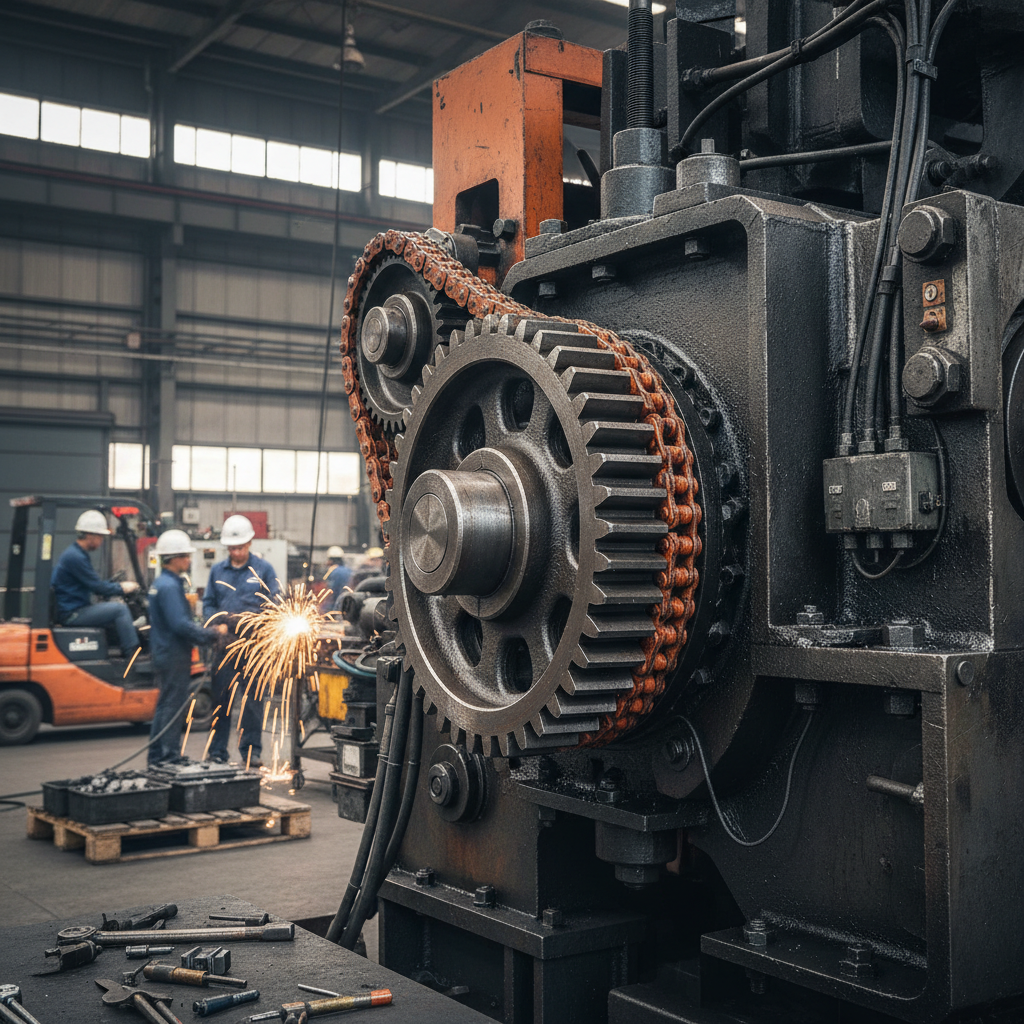
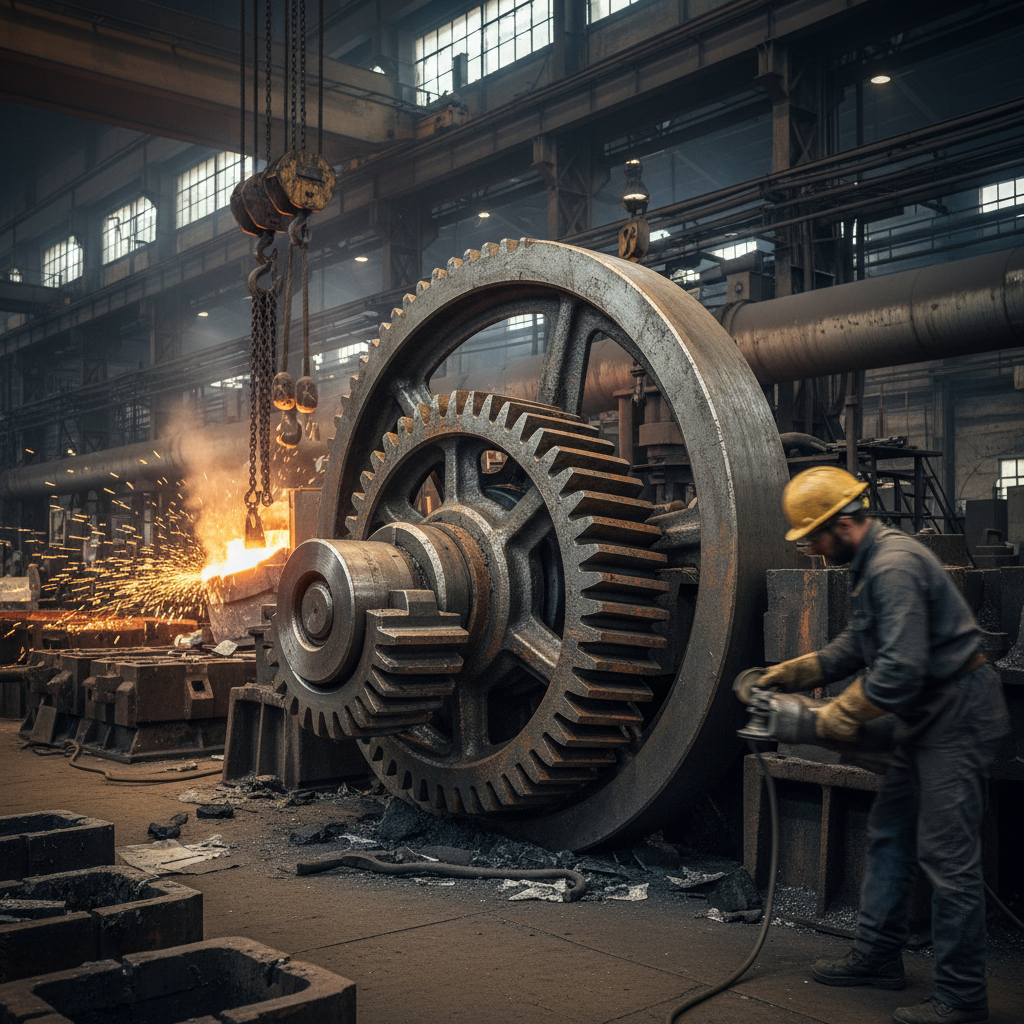
In high-stakes industrial environments, the integrity and performance of critical components are paramount. Among these, lock metal parts play a crucial role in securing, connecting, and regulating various mechanical systems. These engineered components, often subjected to extreme pressures, temperatures, and corrosive media, demand meticulous design, precise manufacturing, and stringent quality control. This comprehensive guide delves into the technical intricacies, application advantages, and market trends surrounding these essential components, focusing on materials like advanced alloys and stainless steel plates, and their role as reliable block parts in diverse industries.
Our discussion will cover the complete lifecycle, from manufacturing processes like advanced sintering—as exemplified by our high-quality sintered flanges—to their deployment in critical infrastructure, emphasizing the adherence to global standards and the delivery of customized solutions.
Manufacturing Process Flow for High-Performance Lock Metal Parts
The production of reliable lock metal parts, particularly those manufactured through powder metallurgy and sintering, involves a highly controlled, multi-stage process to achieve superior mechanical properties and dimensional precision. This section details the typical steps involved.
- Material Selection and Powder Preparation: The foundation of any high-quality lock metal part begins with selecting the appropriate metal powder. For applications demanding high corrosion resistance and strength, stainless steel (e.g., 316L, 17-4PH), nickel-based alloys, or specialized tool steels are common choices. Powders are atomized, milled, and screened to achieve precise particle size distribution and chemical composition, ensuring consistent final product properties.
- Mixing and Blending: Selected metal powders are often mixed with alloying elements (e.g., carbon, copper, nickel) in precise ratios, along with lubricants and binders, to enhance compaction and sintering behavior. This homogeneous blend is crucial for achieving uniform material properties in the finished block parts.
- Compaction (Pressing): The blended powder is then fed into a die cavity and compacted under high pressure (typically 300-800 MPa) using mechanical or hydraulic presses. This forms a "green compact," a fragile, porous part with the desired near-net shape. The density achieved at this stage significantly influences the final part's properties.
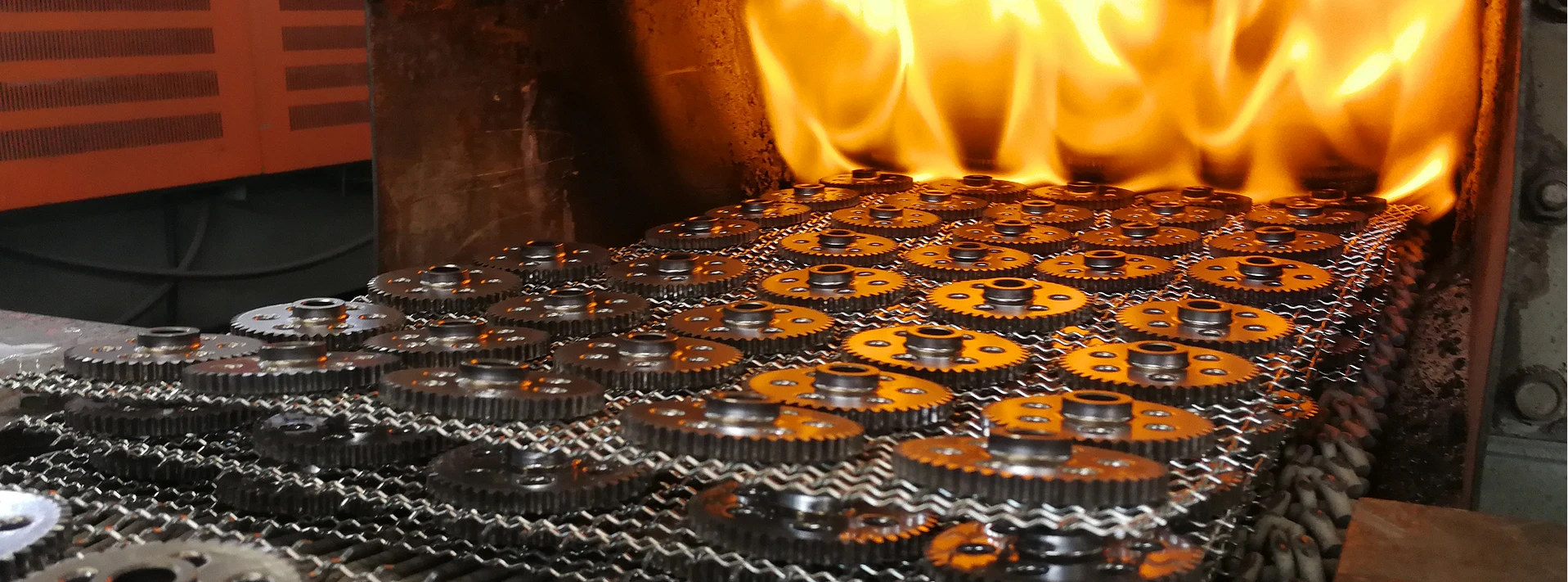
- Sintering: The green compacts are heated in a controlled atmosphere furnace (e.g., hydrogen, nitrogen, or vacuum) to temperatures below the material's melting point (typically 70-90% of the melting temperature). During sintering, particles bond together through atomic diffusion, reducing porosity, increasing density, and enhancing mechanical strength. For high-quality sintered flanges, this step is critical for achieving structural integrity and specific mechanical attributes.
- Sizing and Coining (Post-Sintering Compaction): To achieve tighter dimensional tolerances, improved surface finish, and increased density, sintered parts often undergo a secondary compaction process called sizing or coining. This step can enhance mechanical properties and ensure the part meets critical specifications.
- Secondary Machining and Finishing: While powder metallurgy offers near-net shape capabilities, some lock metal parts may require precision CNC machining for critical features like threads, bores, or complex geometries. Other finishing operations might include heat treatment (e.g., hardening, tempering, carburizing), surface treatments (e.g., plating, polishing), or impregnation to seal pores for pressure applications.
- Testing and Quality Control: Throughout the process, stringent testing standards are applied. This includes raw material inspection, dimensional checks after compaction and sintering, mechanical property testing (tensile strength, hardness, impact resistance), density measurements, and non-destructive testing (NDT) such as eddy current or ultrasonic inspection. Adherence to standards like ISO 9001, ASTM B783, or specific ANSI/API standards for flanges ensures product reliability and compliance for the intended service life, which can often exceed 20-30 years in non-aggressive environments.
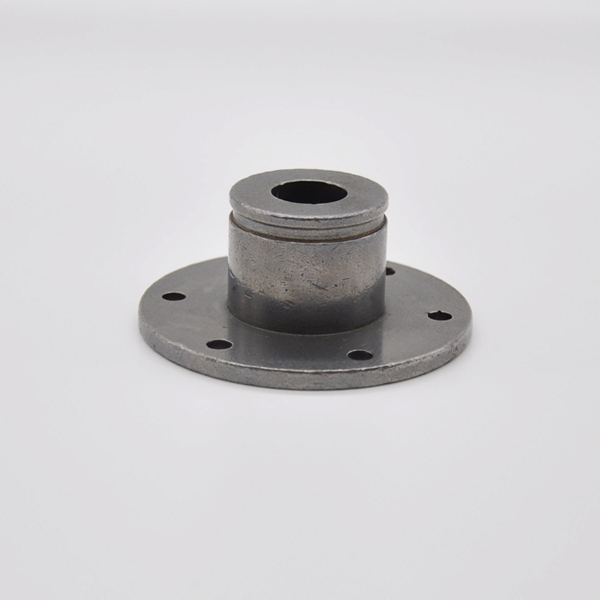
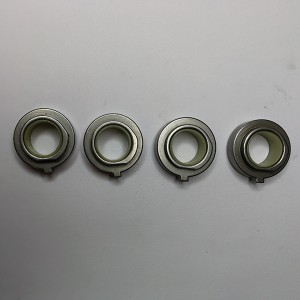
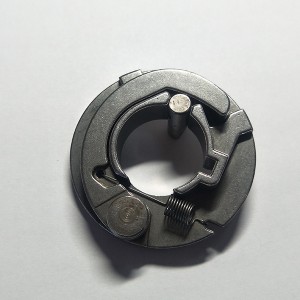
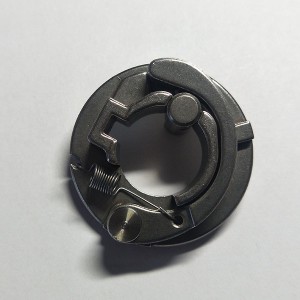
Figure 1: High-precision machined lock metal parts ready for inspection.
Target Industries and Advantages:
- Petrochemical: Components for valves, pumps, and pipe connectors, where corrosion resistance against harsh chemicals and high pressures is crucial. Our sintered flanges demonstrate superior resistance to chemical attack and high-temperature creep.
- Metallurgy: Wear-resistant components for heavy machinery, capable of withstanding extreme temperatures and abrasive conditions, enhancing service life and reducing downtime.
- Water Supply & Drainage: Durable, corrosion-resistant block parts for pumping stations, filtration systems, and pipelines, ensuring long-term operational integrity and energy efficiency through optimized designs.
- Automotive: Structural components, gears, and engine parts benefiting from high strength-to-weight ratios and cost-effective mass production.
Industry Trends and Technical Specifications for Lock Metal Parts
The market for industrial lock metal parts is continuously evolving, driven by demands for increased efficiency, sustainability, and performance in extreme conditions. Key trends include the adoption of advanced materials, the integration of smart manufacturing, and a heightened focus on component longevity and reduced environmental footprint.
Emerging Trends:
- Lightweighting: The drive for energy efficiency in transportation and machinery pushes for lighter yet stronger components, often achieved through advanced alloys and optimized designs.
- Additive Manufacturing (AM): While traditional methods remain dominant, AM is gaining traction for complex, low-volume lock metal parts, offering design freedom and rapid prototyping capabilities, especially for intricate block parts.
- Sustainability: Manufacturers are increasingly focusing on reducing waste, recycling materials, and optimizing energy consumption in their production processes. Powder metallurgy, with its near-net shape capability, inherently offers higher material utilization compared to traditional subtractive manufacturing.
- High-Performance Alloys: Increased use of superalloys and specialized stainless steel plates for extreme temperature, pressure, and corrosive environments.
Technical Specifications for Sintered Flanges (Example):
A key example of high-performance lock metal parts is the sintered flange. Below are typical specifications for a high-quality sintered flange, often made from 316L stainless steel, designed for demanding industrial applications.
| Parameter | Specification (Typical for Sintered 316L Stainless Steel Flange) | Standard / Remark |
|---|---|---|
| Material Composition | Fe (balance), Cr (16-18%), Ni (10-14%), Mo (2-3%), Mn (2% max), Si (1% max), C (0.03% max) | ASTM A240 / UNS S31603 Equivalent |
| Density | 7.5 – 7.8 g/cm³ (95-98% theoretical) | ASTM B783 |
| Tensile Strength (UTS) | ≥ 485 MPa (70 ksi) | ASTM E8 / MPIF 35 |
| Yield Strength (0.2% Offset) | ≥ 170 MPa (25 ksi) | ASTM E8 / MPIF 35 |
| Elongation | ≥ 30% | ASTM E8 / MPIF 35 |
| Hardness (Rockwell B) | ≤ 95 HRB | ASTM E18 |
| Corrosion Resistance | Excellent in acidic and chloride environments | ASTM A262 (Practice E) |
| Dimensional Tolerances | As per ISO 2768-mK or customer specification | CNC Machining / Sizing |
| Surface Finish | Ra 1.6 - 6.3 µm (as-sintered), Ra < 0.8 µm (machined) | ISO 4287 |
Technical Advantages and Application Scenarios
The inherent advantages of precision-engineered lock metal parts, particularly those produced through advanced powder metallurgy, extend across various critical application scenarios. These advantages are not just theoretical; they translate into tangible operational benefits and cost savings for businesses.
Key Technical Advantages:
- Superior Material Properties: Powder metallurgy allows for the creation of unique alloy compositions and microstructures not achievable by traditional melting and casting. This results in parts with tailored properties such as enhanced wear resistance, high strength-to-weight ratios, and optimized magnetic properties. For example, specific stainless steel plates can be formulated for specific corrosive environments.
- High Dimensional Accuracy & Near-Net Shape: The sintering process produces components with exceptional dimensional control, often eliminating or significantly reducing the need for costly secondary machining. This is particularly advantageous for complex block parts.
- Cost-Effectiveness for Complex Geometries: For medium to high production volumes, powder metallurgy offers substantial cost savings by minimizing material waste and reducing machining time. The ability to create complex internal features and unique profiles in a single step is a significant economic benefit.
- Excellent Surface Finish: As-sintered parts often possess a superior surface finish compared to casting, further reducing post-processing requirements.
- Corrosion Resistance and Durability: With materials like 316L stainless steel, components exhibit exceptional resistance to various corrosive media, extending service life and reducing maintenance in harsh environments.
Typical Application Scenarios:
- Valve Actuators and Assemblies: Precision lock metal parts ensure smooth and reliable operation in critical valve systems within oil & gas, chemical processing, and power generation. The robust nature of these parts contributes to the overall safety and efficiency of fluid control.
- High-Pressure Sealing Systems: Components requiring tight tolerances and excellent material integrity for preventing leaks in hydraulic and pneumatic systems. Sintered flanges, for instance, are engineered for precise sealing, enhancing energy saving by preventing loss of medium.
- Marine and Offshore Equipment: The exceptional corrosion resistance of stainless steel plates and other specialized alloys makes them ideal for saltwater environments, ensuring longevity and reducing replacement costs.
- Industrial Pumps and Compressors: Durable internal components that withstand continuous operation, high friction, and aggressive media, contributing to extended equipment lifespan.
- Aerospace Fasteners and Structural Elements: Lightweight yet high-strength block parts for aircraft, where performance under extreme stress and temperature fluctuations is non-negotiable.
Vendor Comparison and Customized Solutions
Selecting the right supplier for industrial lock metal parts is a critical decision that impacts project timelines, operational costs, and overall system reliability. A thorough vendor comparison must consider not just price, but also expertise, manufacturing capabilities, quality assurance, and the ability to offer tailored solutions.
Key Factors in Vendor Comparison:
- Technical Expertise: A leading vendor should possess deep understanding of materials science, powder metallurgy, and various post-processing techniques. This includes the ability to recommend optimal materials like specific stainless steel plates or advanced alloys for unique application requirements.
- Manufacturing Capabilities: Assess the vendor's capacity for complex geometries, volume production, and adherence to tight tolerances. State-of-the-art facilities with advanced compaction presses, sintering furnaces, and CNC machining capabilities are indicators of competence.
- Quality Certifications: Look for ISO 9001, IATF 16949 (automotive), AS9100 (aerospace), or other industry-specific certifications that demonstrate a commitment to quality management systems. Our company proudly holds ISO 9001 certification, reflecting decades of commitment to excellence.
- R&D and Innovation: A forward-thinking partner invests in research and development to improve existing processes and explore new materials, staying ahead of industry demands for enhanced block parts.
- Customer Support & After-Sales Service: Responsiveness, technical assistance, and reliable after-sales support are crucial for long-term partnerships.
The Value of Customized Solutions:
Off-the-shelf components often fall short of meeting the precise demands of specialized industrial applications. Customized lock metal parts offer distinct advantages:
- Optimized Performance: Parts are designed and engineered to exact specifications for specific operating conditions, leading to superior performance, efficiency, and longevity.
- Perfect Fit and Integration: Custom parts seamlessly integrate into existing systems, minimizing installation complexities and potential compatibility issues.
- Cost-Effectiveness in the Long Run: While initial design costs might be higher, custom parts often reduce maintenance, extend equipment life, and optimize energy consumption, leading to significant total cost of ownership (TCO) savings.
- Competitive Advantage: Unique component designs can give your products a performance edge in the market.
Our engineering team collaborates closely with clients from conceptual design to final production, providing expert guidance on material selection, design optimization, and prototyping to deliver tailor-made lock metal parts that precisely meet their unique requirements. This consultative approach ensures that even the most challenging specifications for block parts are met with precision and reliability.
Application Case Studies
Real-world applications demonstrate the tangible benefits of high-quality lock metal parts. Here are a few examples showcasing their impact across different industries:
Case Study 1: Petrochemical Valve Components
Challenge: A major petrochemical client required valve seats and stem guides capable of withstanding extreme temperatures (up to 350°C) and highly corrosive acidic media, while maintaining precise sealing integrity over a long operational lifespan. Traditional cast block parts failed prematurely due to porosity and inconsistent material properties.
Solution: We engineered custom lock metal parts using a specialized high-density sintered 316L stainless steel plates blend. The powder metallurgy process ensured near-full density and a homogeneous microstructure, eliminating the porosity issues common in casting. Post-sintering surface hardening further enhanced wear resistance.
Result: The client reported a 70% increase in component service life, significantly reducing maintenance frequency and associated costs. The enhanced corrosion resistance also improved process safety and uptime, demonstrating clear energy saving benefits by reducing leakage.
Case Study 2: High-Pressure Hydraulic Connectors
Challenge: A manufacturer of heavy construction equipment needed durable and precise hydraulic connectors that could operate reliably under pressures exceeding 500 bar and withstand repetitive shock loads. Their existing CNC-machined connectors from bar stock generated significant material waste and high production costs.
Solution: We developed custom sintered alloy steel lock metal parts with complex internal channels and precise thread forms. The near-net shape capability of powder metallurgy drastically reduced material waste (over 85% material utilization vs. 50-60% for machining) and machining time. Specific heat treatments were applied to achieve the required fatigue strength and hardness.
Result: The client achieved a 30% reduction in unit cost while maintaining, and in some aspects exceeding, the performance of their previous components. The improved material utilization also supported their corporate sustainability goals.
Case Study 3: Water Treatment Pump Impellers
Challenge: A municipal water treatment plant sought more durable impellers for their high-flow pumps. Existing impellers suffered from erosion and corrosion due to aggressive chemicals and suspended solids, leading to frequent replacement and reduced pump efficiency.
Solution: We designed and manufactured sintered impellers from a custom-formulated duplex stainless steel plates, known for its superior corrosion-fatigue properties and abrasion resistance. The intricate geometry of the impeller was achieved with high precision through compaction and sintering, followed by minimal finish machining.
Result: The new sintered impellers demonstrated a 2.5x longer service life compared to traditional materials, reducing maintenance costs by over 40% annually. The optimized design also contributed to a marginal improvement in pump efficiency, translating to further energy savings.
Trustworthiness & Client Support
Frequently Asked Questions (FAQ):
Q: What differentiates sintered lock metal parts from cast or forged components?
A: Sintered parts excel in producing complex, near-net shapes with excellent dimensional accuracy, often requiring less post-processing than casting. They also offer superior material utilization and the ability to create unique material compositions not achievable through traditional methods. Forgings typically offer higher strength in critical applications, but at a higher cost for complex geometries.
Q: How do you ensure the quality of your lock metal parts?
A: Our quality assurance process is comprehensive, covering every stage from raw material inspection to final product testing. We adhere to ISO 9001 standards, employing advanced measurement equipment, mechanical testing, and non-destructive examination (NDE) methods. Each batch of block parts undergoes rigorous checks to meet specified mechanical properties and dimensional tolerances.
Q: Can you produce lock metal parts from specialized alloys or custom blends?
A: Yes, our expertise lies in developing customized solutions. We work with a wide range of metal powders, including various stainless steel plates grades, nickel-based alloys, and proprietary blends. Our R&D team can assist in selecting or formulating the ideal material for your specific application requirements, ensuring optimal performance.
Lead Time & Fulfillment:
Typical lead times for custom lock metal parts range from 6 to 12 weeks, depending on complexity, material availability, and order volume. For standard components or repeat orders, lead times can be significantly shorter, often 4-6 weeks. We maintain a flexible production schedule and communicate transparently with clients regarding project timelines from initial design to delivery. Expedited options are available for urgent requirements.
Warranty Commitments:
We stand behind the quality of our products. All lock metal parts are covered by a standard 1-year warranty against manufacturing defects from the date of shipment. This warranty covers material and workmanship under normal use and service conditions. Extended warranty options are available upon discussion for specific project requirements. Our commitment is to ensure your complete satisfaction and the long-term reliability of our components.
Customer Support:
Our dedicated customer support team and technical experts are available to assist you from initial inquiry through product lifecycle. For technical queries, order status updates, or after-sales support, please contact us via email at info@jssintering.com or by phone at +86-510-XXXX-XXXX. We are committed to providing prompt and effective assistance to ensure your operations run smoothly with our reliable block parts.
Conclusion
The demand for high-performance lock metal parts in B2B sectors continues to grow, driven by the need for greater efficiency, reliability, and sustainability. Advanced manufacturing techniques like powder metallurgy and sintering provide critical advantages in terms of material properties, dimensional precision, and cost-effectiveness. By understanding the intricate process flow, leveraging technical advantages, and partnering with expert manufacturers, industries can ensure the deployment of components that meet the most rigorous operational demands. Our commitment to quality, innovation, and customer-centric solutions positions us as a trusted partner in delivering superior block parts for your most challenging applications.
We continuously invest in research and development to push the boundaries of material science and manufacturing precision, ensuring our offerings, such as high quality sintered flanges, remain at the forefront of industrial component technology.
References
- MPIF Standard 35, "Materials Standards for P/M Structural Parts." Metal Powder Industries Federation.
- German, R. M. (2005). "Powder Metallurgy and Particulate Materials Processing." Metal Powder Industries Federation.
- ASM International. (2001). "ASM Handbook, Volume 7: Powder Metal Technologies and Applications." ASM International.
- ASTM International. "Various standards related to stainless steel and powder metallurgy, e.g., ASTM A240, ASTM B783, ASTM E8."