






A field note on sintered iron parts for music gear and machines
If you work in small mechanics—instrument makers, office devices, even automotive subassemblies—you’ve likely bumped into sintered iron parts. To be honest, I used to think of them as “commodity bits.” Then I visited a plant in Hebei and watched a batch of tuner gears for electric guitars come off the line with almost no scrap. Actually impressive.
The product here—Custom musical instrument powder metallurgy structural parts—comes out of TIANSHAN INTERNATIONAL MANUFACTURING INDUSTRY PARK NO.57, YUANSHI, SHIJIAZHUANG CITY, HEBEI PROVINCE, CHINA. The team leans on iron and iron‑alloy powders, presses hard, and finishes smart. Market trend? Compact mechanisms are asking for higher density (≈6.7 g/cm³), cleaner pores, and repeatable tolerances. It seems that’s where PM is quietly winning.
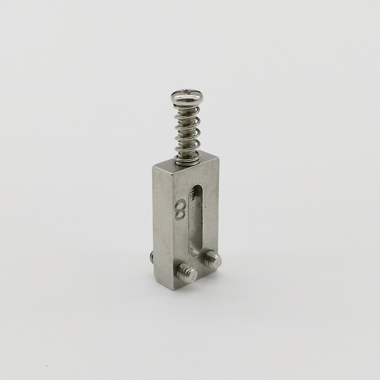
Quick spec snapshot (real-world values)
| Material options | Iron powder, iron alloy powder, stainless steel, copper, steel, alloy steel (C, Sn, Zn) |
| Density (as sintered) | ≈6.0–6.9 g/cm³ (process- and geometry-dependent) |
| Typical tolerances | As-sintered ±0.05–0.10 mm; sized/reshaped ±0.02 mm around |
| Hardness (iron base) | HB 80–120; up to ≈HB 150 with steam oxidation or oil impregnation + post ops |
| Surface finish | Machining, oil immersion, steam oxidation, electroplate, bluing; Ra ≈1.6–3.2 μm after machining |
| Standards used | DIN / JIS / ASTM / GB; tensile test per ISO 2740 specimens; density per ASTM B962 |
| Applications | Musical mechanisms (tuners, metronomes), domestic electric devices, electronic machines, office machines, automotive small structures |
Process flow (why consistency happens)
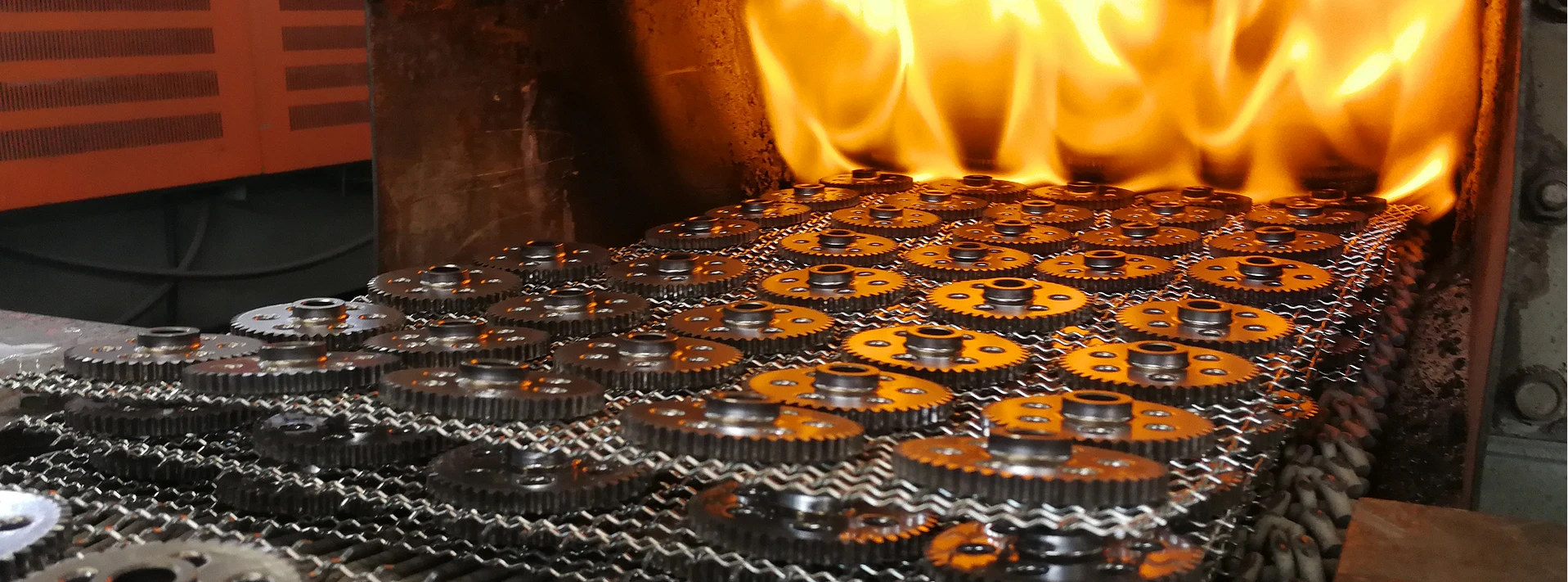
Mixing powder → powder compacting → sintering → shaping/sizing → machining → surface finish. Testing dovetails in: dimensional checks, density by Archimedes (ASTM B962), tensile on ISO 2740 bars, and optional salt spray for coatings. Many customers say the oil-impregnated pores cut field squeaks—surprisingly effective in guitar tuners.
Where sintered iron parts shine
- Near-net shape at scale: less machining, less scrap.
- Self-lubrication: oil-filled pores for quiet, stable motion.
- Reliable tolerances: good enough for precision linkages and small gears.
- Service life: around 1–3 million cycles in lightly loaded instrument drives (real-world use may vary).
Vendor comparison at a glance
| Criteria | JSSintering (Hebei, China) | Regional PM Shop | Global OEM |
|---|---|---|---|
| Density window | 6.0–6.9 g/cm³ | 5.9–6.5 g/cm³ | 6.2–7.1 g/cm³ |
| Lead time (typ.) | 2–5 weeks after tooling | 3–7 weeks | 4–8 weeks |
| Certs/support | DIN/JIS/ASTM/GB compliance; ISO docs upon request | Local standards; limited global docs | Full global documentation |
| Customization | High—instrument-focused geometries | Medium | High, but higher tooling |
Case notes from the bench
A tuner gear set switched to sintered iron parts with steam oxidation. Noise dropped ≈2 dB(A) compared to machined brass; scrap fell under 1%. Another example: office printer cams in oil-impregnated iron ran >2.2 million cycles before dimensional drift—tested at 25 °C, moderate load. I guess the self-lube pores are doing the heavy lifting.
How to spec your next sintered iron parts
- Send critical-to-function GD&T early; allow for radial sizing.
- Target density in the 6.6–6.8 g/cm³ pocket for quiet drives.
- Pick finish: bluing for anti-rust, or electroplate where cosmetics matter.
- Request test plans: density (ASTM B962), tensile (ISO 2740), coating (ASTM B117 optional).
Small digression: availability tends to spike pre-holiday when instrument runs ramp, so lock your tooling slots early. And ask for sample reports—real data beats brochures.
Citations
- MPIF Standard 35: Materials Standards for PM Structural Parts — https://www.mpif.org
- ASTM B962: Density of Compacted or Sintered PM Products Using Archimedes — https://www.astm.org/b0962
- ISO 2740: Sintered metal materials — Tensile test pieces — https://www.iso.org/standard/60342.html
- ASTM B117: Standard Practice for Salt Spray (Fog) Testing — https://www.astm.org/b0117









