






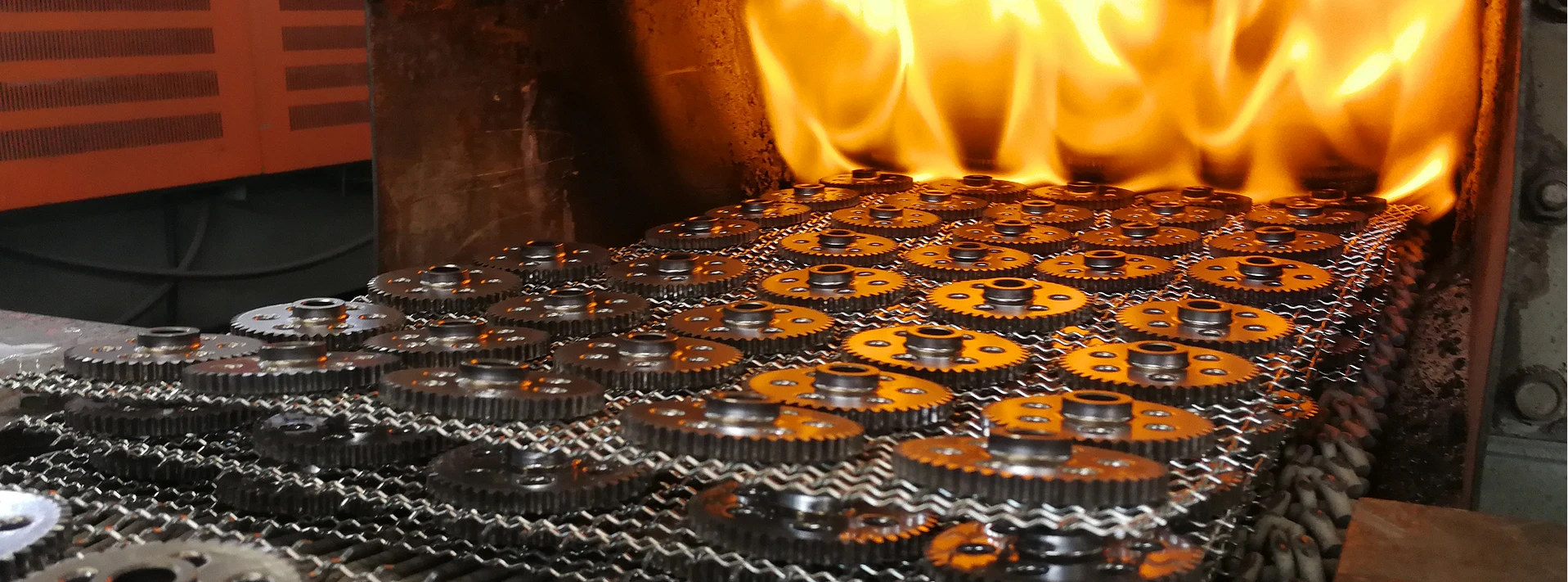
Sintered Components for Oil & Gas Burners: Field Notes From the Shop Floor
I’ve spent enough time around hot furnaces and cooler boardrooms to appreciate when a part pulls its weight. If you’re evaluating sintered metal components for burner heads, here’s the straight story—what’s working in real programs, where specs truly matter, and how vendors actually compare.
What’s trending (and why it matters)
Powder metallurgy (PM) keeps grabbing applications that were once cast or machined. The draw? High material utilization (around 95%), near-net shaping, and predictable porosity for oil impregnation. In burner hardware, engineers are leaning into oxidation-resistant finishes (steam black oxide), repeatable density targets (≥6.6 g/cm³), and tighter geometric control through post-sinter sizing. Honestly, supply security is a big theme too—teams want consistent lots, clean documentation, and practical QA.
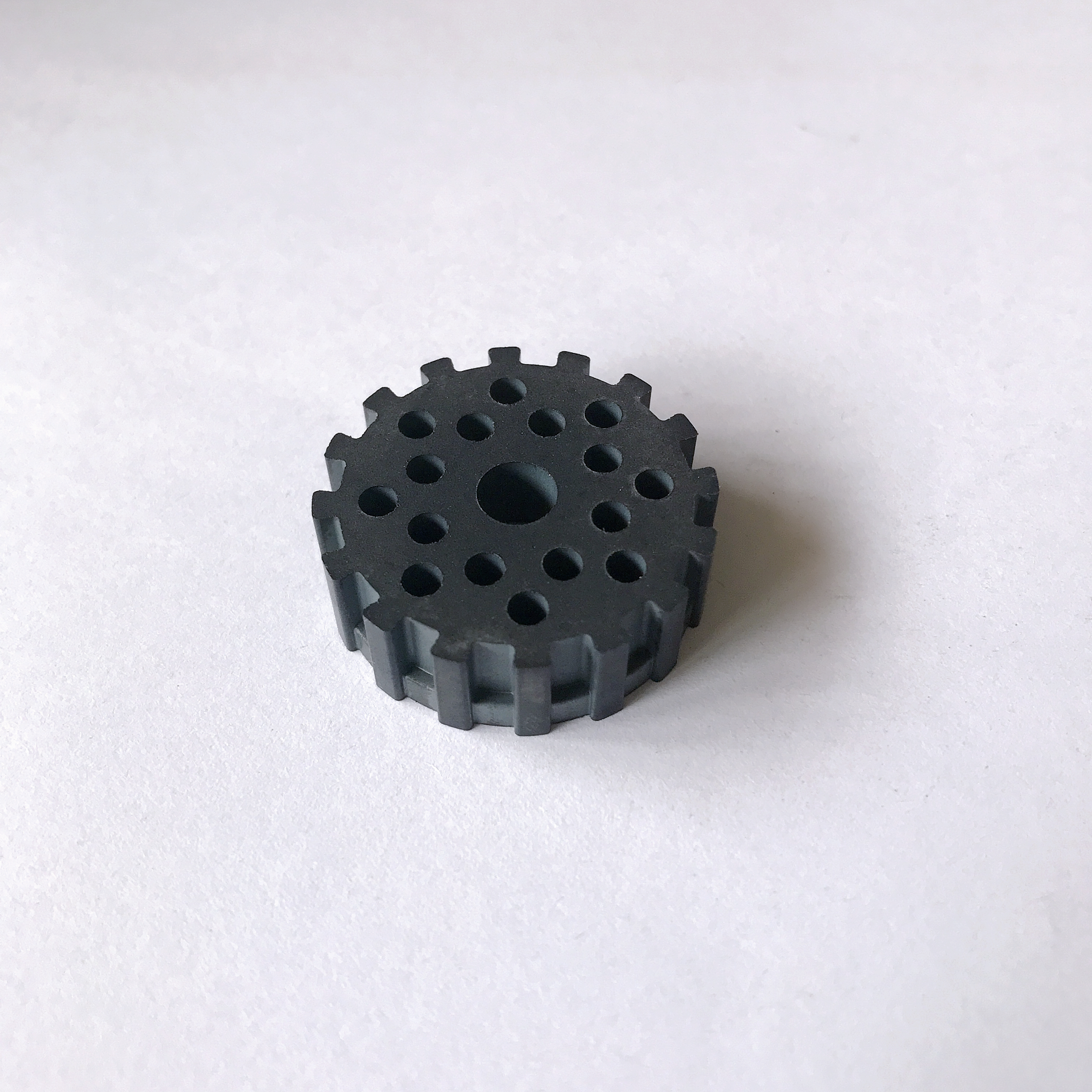
Product snapshot: Oil/Gas Burner Head by PM
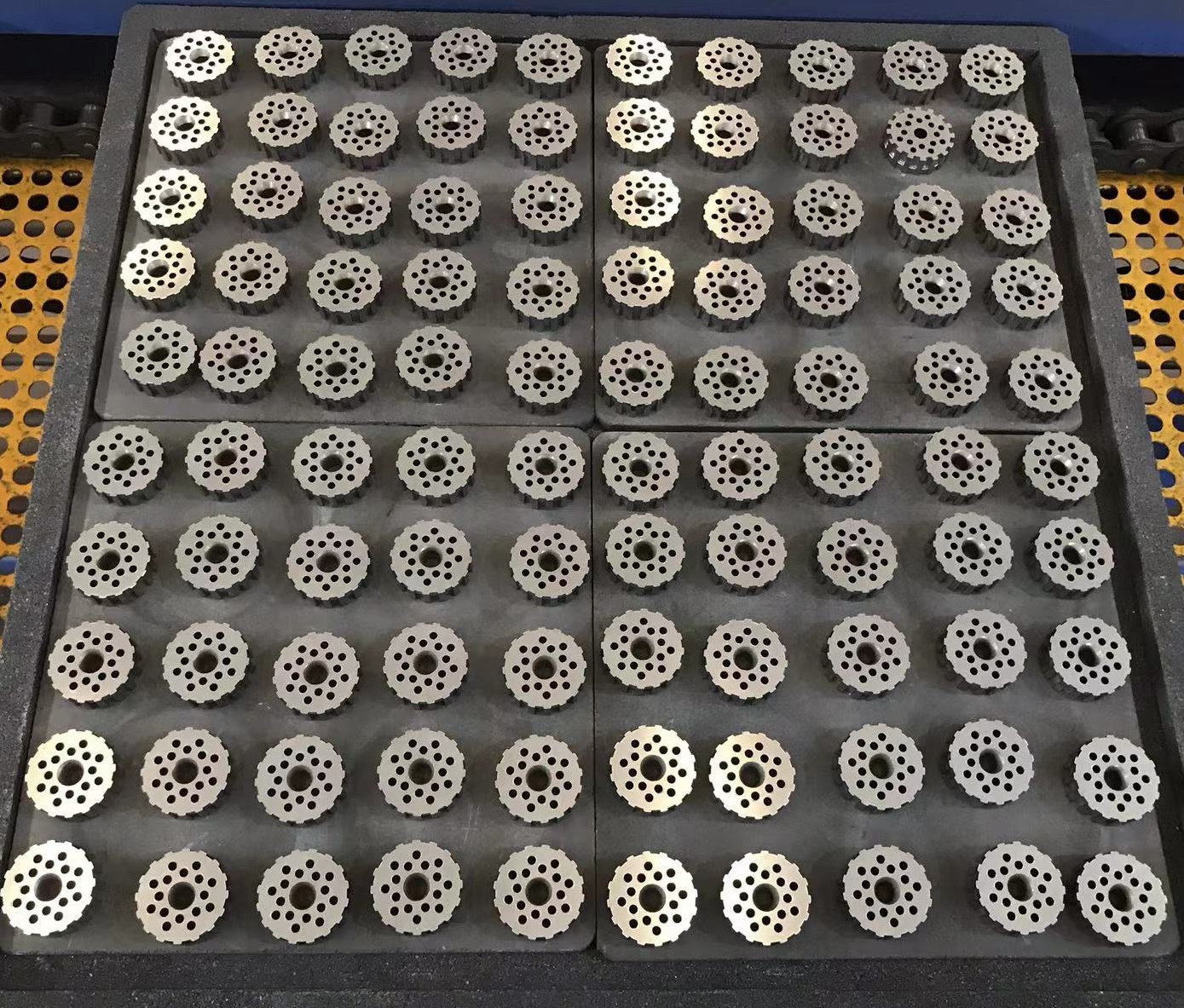
Origin: TIANSHAN INTERNATIONAL MANUFACTURING INDUSTRY PARK NO.57, YUANSHI, SHIJIAZHUANG CITY, HEBEI PROVINCE, CHINA. Many customers say the consistency from this site is better than they expected—appearance checks routinely pass: no crumbling, cracks, exfoliation, voids, pitting, or weird surface defects.
| Material Standard | FC-0208 (Fe–Cu–C pre-mix, MPIF grade) |
| Density | ≥6.6 g/cm³ (typical lot data ≈6.65–6.80 g/cm³) |
| Finish | Black steam oxide; optional oil impregnation |
| Heat/Surface Treatments | Quenching, full hardening, polishing, black oxide, as requested |
| Appearance | No crumbling/cracks/exfoliation/voids/pitting per visual QA |
| Typical Mechanicals | UTS ≈ 400–550 MPa; HRB ≈ 70–85 (real-world use may vary) |
Process flow that actually ships parts
- Powder selection: FC-0208 premix for strength and thermal stability.
- Compaction: CNC presses, tool wear tracked; near-net geometry saves machining.
- Sintering: 1120–1150°C belt furnace in endogas/N₂-H₂; dimensional control via fixturing.
- Secondary ops: sizing/calibration, deburr, heat treat as required.
- Finishing: steam black oxide; oil impregnation to stabilize porosity and corrosion behavior.
- Testing: Density per ASTM B328; hardness per ISO 6508-1 (Rockwell); material per MPIF Std 35; visual and dimensional per control plan (MPIF/ISO guidance).
Where these parts earn their keep
Industrial ovens, HVAC boilers, commercial ranges, kiln ignition assemblies, and oil/gas burner manifolds. Service life? I’d quote ≈20k–40k burner cycles under clean fuel and reasonable air-fuel ratios—with steam-oxidized surfaces helping against high-temp oxidation. In dirty fuel or thermal shock abuse, of course, all bets are off.
Vendor comparison (quick, practical view)
| Vendor | Certifications | Lead Time | Typical Tolerance | Notes |
|---|---|---|---|---|
| JSSintering (China) | ISO 9001; automotive projects often IATF-aligned | 3–6 weeks after tooling | ±0.05–0.10 mm after sizing (feature-dependent) | Strong at FC-0208 burner heads; competitive MOQs |
| Vendor B (EU) | ISO 9001, IATF 16949 | 5–8 weeks | ≈±0.08 mm | Premium pricing; strong PPAP depth |
| Vendor C (US) | ISO 9001 | 4–7 weeks | ±0.10 mm | Fast protos; tooling cost slightly higher |
Customization and real test data
Geometry can be tuned for flame shaping, hole arrays, and mounting. Porosity can be managed for oil retention or sealed for gas flow consistency. Recent lot data I reviewed: density 6.72 g/cm³ (ASTM B328), HRB 78 (ISO 6508-1), dimensional Cp/Cpk >1.33 on critical bores—solid for mass production.
A quick case: an OEM replaced a cast burner nose with sintered metal components. Tooling paid back in 3.5 months, unit cost dropped ≈18%, and cosmetic rejects fell by half after switching to steam black oxide. Not perfect day one (we tweaked vent features), but it stuck.
Standards and compliance
- Material/mechanical guidance: MPIF Standard 35 for PM structural parts.
- Density/porosity: ASTM B328.
- Hardness: ISO 6508-1 (Rockwell).
- Sintered materials specs: ISO 5755.
- Quality systems: ISO 9001; automotive programs often IATF 16949.
If your application lives in corrosive environments or needs food-contact compliance, say so early—finish and oil selections change. And yes, sintered metal components can be hydrogen-ready, but validate at temperature with your fuel mix.
References
- Metal Powder Industries Federation, MPIF Standard 35, PM Structural Parts.
- ASTM B328 – Standard Test Methods for Density, Oil Content, and Interconnected Porosity of Sintered Metal Structural Parts.
- ISO 5755 – Sintered metal materials, excluding hardmetals — Specifications.
- ISO 6508-1 – Metallic materials — Rockwell hardness test — Part 1.
- IATF 16949 – Automotive Quality Management System Requirements.









