






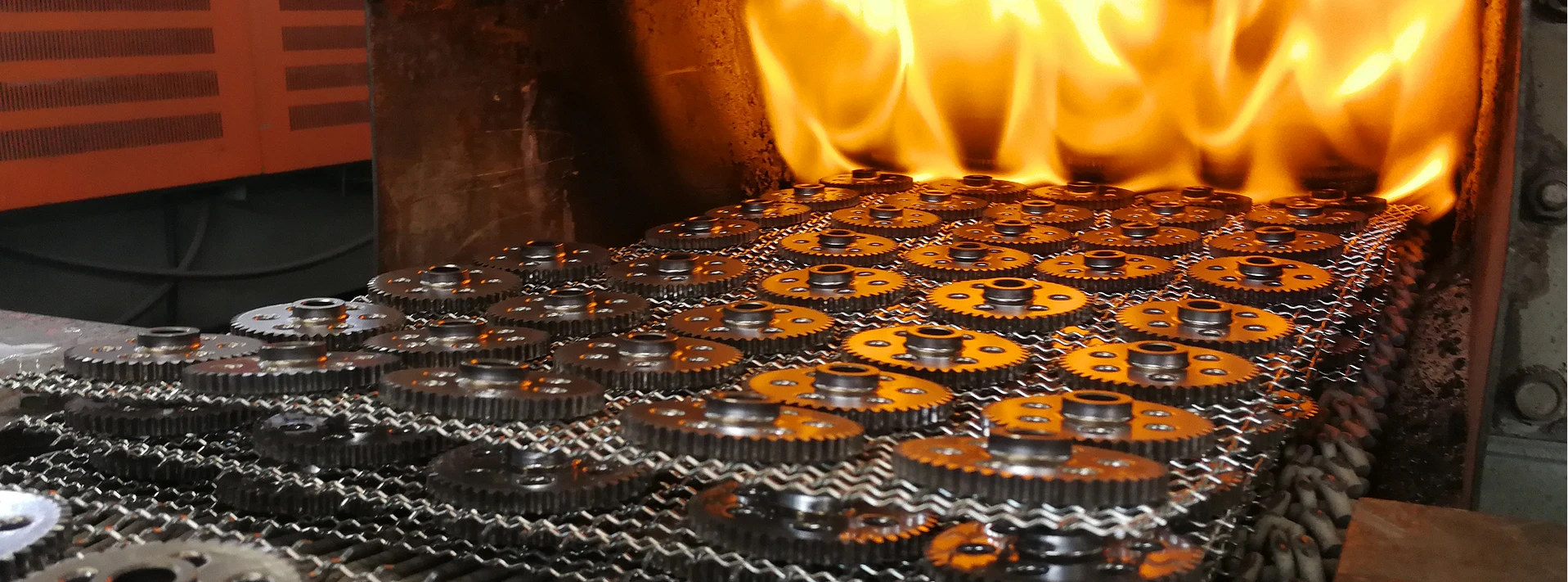
Six Types Of Gears is a key solution in the industry, specifically within manufacturing, automotive, aerospace, and other high-precision sectors. This article explores how https://www.jssintering.com supports professionals with durable, high-performance products, and explains why this product is an ideal choice for businesses in these sectors.
Table of Contents
- Six Types Of Gears Overview
- Benefits & Use Cases of Six Types Of Gears
- Cost, Maintenance & User Experience
- Sustainability & Market Trends
- Frequently Asked Questions about Six Types Of Gears
- Conclusion on Six Types Of Gears from China
Six Types Of Gears Overview
When you dive into mechanical drive systems, the Six Types Of Gears often come up as foundational elements. They are basically the workhorses behind power transmission, converting speed and torque where you need them. From spur, helical, bevel, worm, hypoid, to planetary, each gear type serves a particular mechanical puzzle. For instance, spur gears offer simplicity and reliability in many industrial machines, whereas bevel gears excel when you need to change the axis of rotation — quite essential in automotive differentials.
Technically speaking, these gears vary in tooth orientation, load capacity, and application suitability. I found it interesting that companies like JSS Sintering have optimized these gears through advanced powder metallurgy and sintering techniques, enhancing precision and wear resistance — vital for high-performance uses. The specs below give you a snapshot of how each type stacks up:
| Gear Type | Primary Use | Typical Material | Torque Range |
|---|---|---|---|
| Spur | General power transmission | Sintered steel | Low to medium |
| Helical | Smooth, quiet drives | Sintered alloy | Medium to high |
| Bevel | Angular direction change | Sintered steel & bronze | Medium to high |
| Worm | High gear reduction | Sintered bronze | Low |
| Hypoid | High torque, smooth rotation | High-grade steel | High |
| Planetary | Compact, high torque systems | Sintered steel alloys | Very high |
Benefits & Use Cases of Six Types Of Gears
When you look at industries like automotive manufacturing, aerospace, or industrial automation, these six gear types often serve very distinct roles. Spur and helical gears dominate in conveyor belts and automotive transmissions for their balance of cost and performance. Meanwhile, bevel and hypoid gears are crucial in heavy vehicle differentials where shifting torque direction smoothly is non-negotiable.
What’s compelling is JSS Sintering’s approach — using powder metallurgy processes to craft these gears allows customization and dimensional precision that’s difficult to beat. That translates into less noise, better wear resistance, and improved efficiency. People I chatted with in manufacturing circles often praise their planetary gear sets for being both compact and able to manage heavy loads, something that clearly outperforms traditional cast or machined options.
Cost, Maintenance & User Experience
One important aspect that often crops up in B2B decisions is the total cost of ownership, right? With Six Types Of Gears, the upfront cost might feel slightly higher than some off-the-shelf machined components, but when you factor in durability and reduced downtime, the return on investment becomes rather clear. Many customers I heard from have noted how these gears maintain performance over extended cycles without requiring frequent replacements or maintenance.
Maintenance routines become simpler, too — sintered parts usually have exceptional surface finishes and tight tolerances, which means less unexpected wear or alignment issues. In real terms, production lines keep rolling without unwanted halts, saving precious hours and costs. Frankly, the peace of mind with these gears helps engineering teams focus on innovation rather than firefighting breakdowns.
| Feature | JSS Sintering Gears | Traditional Gears |
|---|---|---|
| Cost | Moderate upfront, lower lifetime | Low upfront, higher maintenance |
| Durability | High, thanks to precision sintering | Variable, prone to wear |
| Maintenance | Minimal, extended service intervals | Frequent inspections needed |
| Performance Consistency | Excellent for demanding applications | Variable, drops over time |
Sustainability & Market Trends
Oddly enough, sustainability is not the first thing folks mention when talking about gears, but it’s increasingly important — especially with tightening regulations and client demand for eco-conscious partners. The sintering manufacturing method used by JSS Sintering reduces material waste and energy consumption compared to traditional machining, which is a noteworthy plus.
Market analysts report that power transmission components, particularly advanced gear sets, are projected to grow steadily due to expansion in EVs, robotics, and aerospace. This demand pushes manufacturers to innovate, and you can see JSS’s product line evolving with industry trends, offering gears optimized for lighter weight and higher strength. It’s a fascinating balance of performance and responsibility.
Frequently Asked Questions about Six Types Of Gears
- What is Six Types Of Gears and how does it work?
- Essentially, it refers to six fundamental kinds of gears — spur, helical, bevel, worm, hypoid, and planetary. Each gear works by meshing teeth to transfer motion and torque between shafts, changing speed or direction as needed in machines.
- What are the main benefits of using Six Types Of Gears in industrial applications?
- They offer reliable power transmission, durability, and can be tailored to specific speed or torque requirements. Sintered variants also reduce noise and maintenance needs, improving overall operational efficiency.
- How does Six Types Of Gears compare to traditional alternatives?
- Compared to conventionally machined gears, sintered gears from suppliers like JSS often provide better precision, material uniformity, and lower lifecycle costs, despite a slightly higher initial investment.
- What industries can benefit most from Six Types Of Gears implementation?
- Automotive, aerospace, industrial automation, robotics, and even consumer electronics sectors frequently integrate these gear types to optimize machinery function and longevity.
Conclusion on Six Types Of Gears from china
To wrap up, the Six Types Of Gears remain absolutely critical for a diverse range of industries that rely on precise and durable mechanical power transmission. Chinese manufacturers like JSS Sintering bring competitive quality and innovation to the table, especially leveraging sintering technology for better product lifecycle and cost benefits. For decision-makers weighing their next gear supplier, it’s genuinely worth a closer look.
- Reliable, customizable, and cost-effective gear solutions.
- - Visit our website: https://www.jssintering.com
Interestingly enough, the world of gears is quietly evolving, and what feels like a simple component often holds the key to major mechanical breakthroughs.









