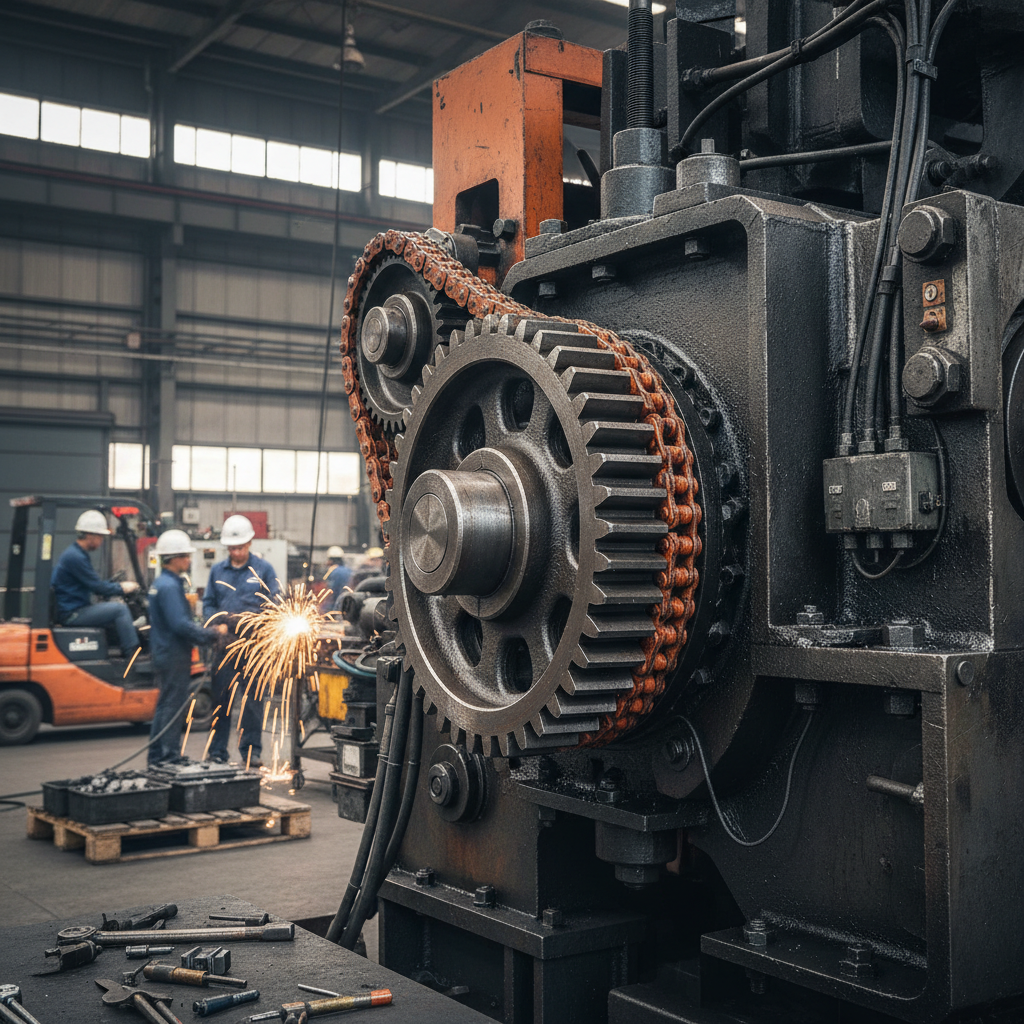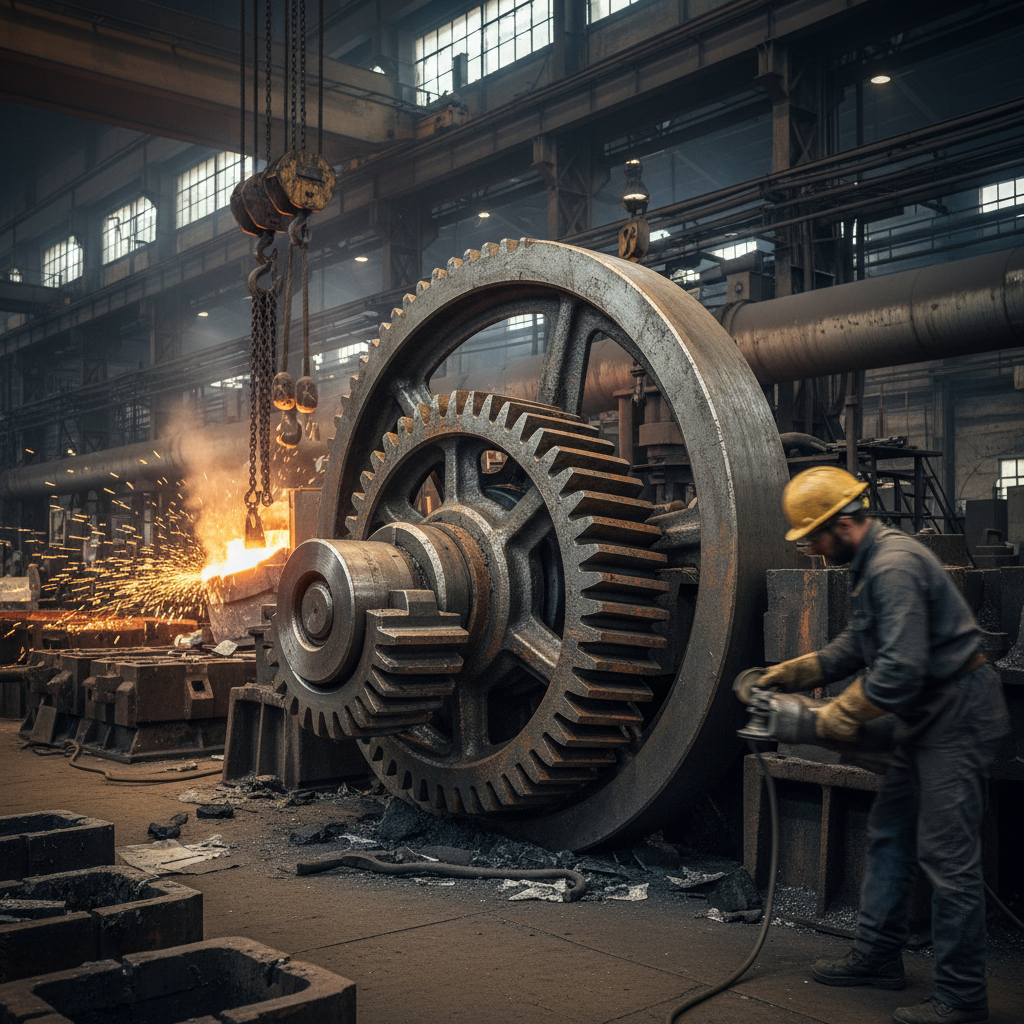





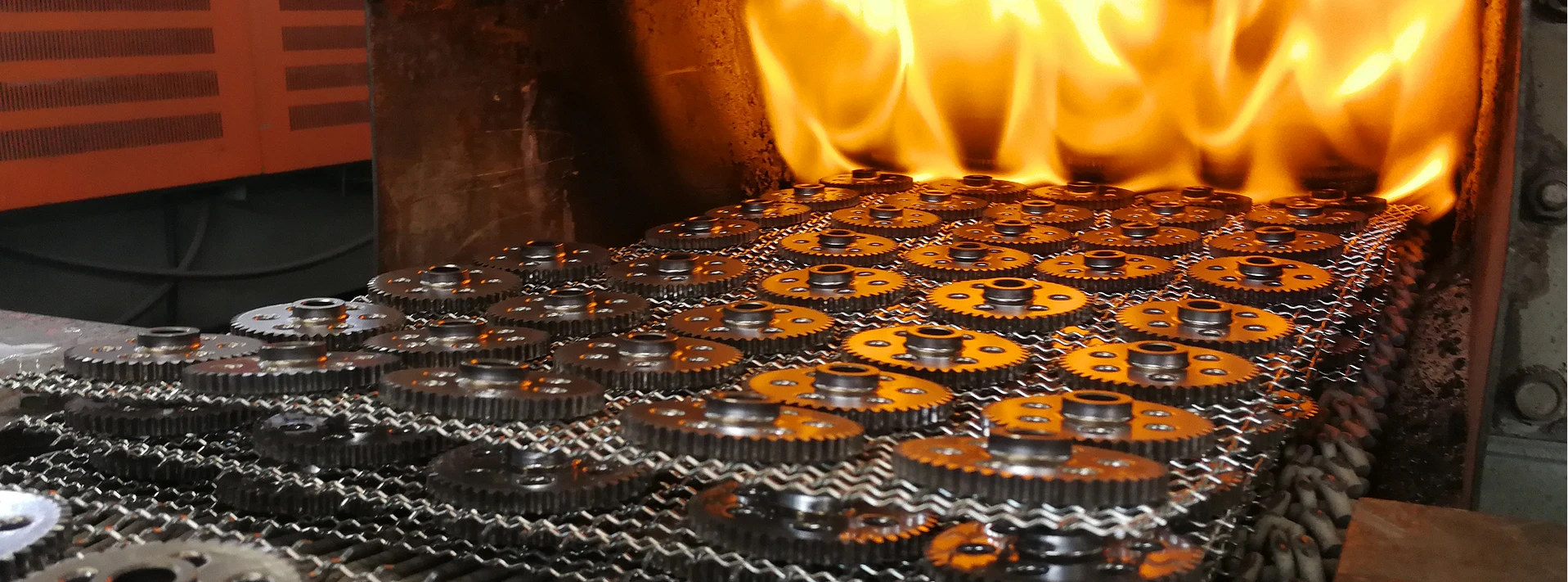
- Introduction to Spur Gears: Engineering Relevance and Market Scope
- Technical Strengths and Cost Advantages of Spur Gears
- Comparing Leading Spur Gear Manufacturers: Quality vs. Value
- Custom Spur Gear Solutions: From Prototype to Production
- Application Case Studies: Performance in Demanding Environments
- Innovations in Double Spur Gear & Metric Spur Gear Technologies
- Conclusion: Spur Gears as a Cornerstone of Modern Industry
(spur gears)
Introduction to Spur Gears: Market Significance and Engineering Applications
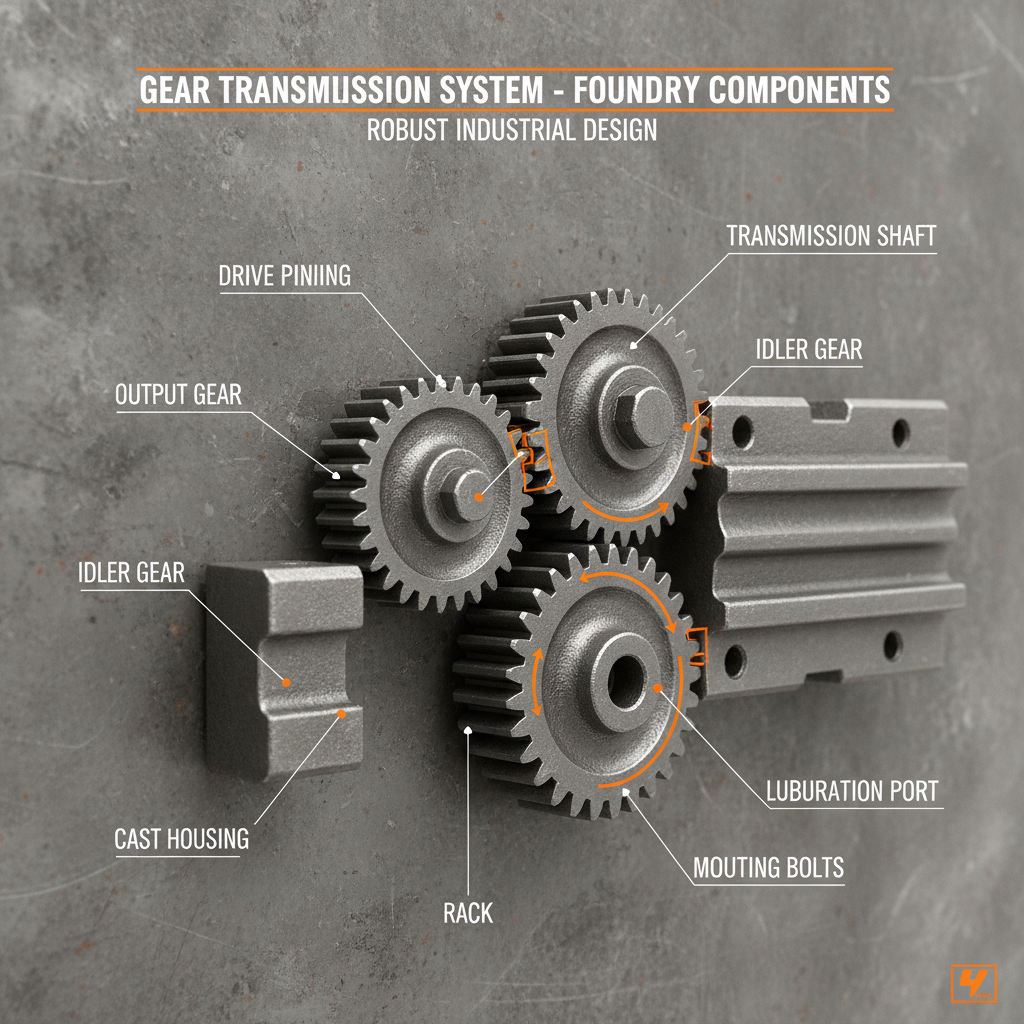
Spur gears represent one of the oldest and most widely used gear types in mechanical engineering, recognized for their simplicity, reliability, and efficient transmission of torque. Serving as the backbone for robust motion transfer, spur gears
are integral within automotive transmissions, industrial automation systems, and high-precision robotics. According to a 2023 Global Gear Market Analysis, the global gear manufacturing market reached USD 158.2 billion, with spur gears accounting for nearly 45% of all gears produced. The adaptability and scalability of spur gears — including their prevalent variants such as double spur gear and metric spur gear — underscore their critical place in powering diverse mechanical solutions. Manufacturers continually push boundaries, integrating new alloys, advanced surface treatments, and modular design philosophies to meet evolving industry demands.
Technical Strengths and Cost Advantages
What sets spur gears apart is their unmatched balance of mechanical performance and affordability. Spur gears are favored for their high contact ratio, which means greater torque transmission capabilities at reduced noise levels when compared to alternatives such as helical or bevel gears. Their axial simplicity enables high-efficiency operation (with efficiency rates regularly exceeding 98%) and straightforward maintenance procedures. From a financial standpoint, the absence of axial thrust and straightforward geometry lowers both the manufacturing and operational costs—leading to an average production price that is often 20-30% less than more complex gear forms. Additionally, the ready interchangeability of metric spur gear options streamlines global supply chain integration, reducing lead times and allowing OEMs to respond rapidly to market changes. High-precision double spur gear configurations further boost torque handling without compromising compactness, especially in high-load environments. The significance of these advantages has led to their widespread adoption in power transmission applications ranging from small appliances to industrial crushing mills.
Comparative Analysis: Leading Spur Gear Manufacturers
Selecting the right spur gear supplier is critical for project success. With the market populated by a variety of established players and innovative newcomers, decision-makers must evaluate manufacturers across dimensions like product quality, customization, pricing, and logistics. The following table summarizes key data on five leading global suppliers, focusing on spur gears, double spur gear assemblies, and metric spur gear standards.
| Manufacturer | Core Products | Average Lead Time (weeks) | Customization | Annual Output (units) | Price Index |
|---|---|---|---|---|---|
| KHK Gears (Japan) | Spur gears, metric spur gear, double spur gear | 3.5 | Extensive | 8 million | 1.20 |
| Boston Gear (USA) | Spur gears, gearboxes | 4.0 | Moderate | 5 million | 1.00 |
| SDP/SI (USA) | Precision spur, metric spur gear | 2.5 | High | 3.2 million | 1.18 |
| Nordex (USA) | Custom spur, double spur gear | 5.0 | Very High | 2.5 million | 1.35 |
| Rush Gears (USA) | Standard/custom spur/miter gears | 4.2 | High | 4 million | 1.05 |
Price Index: Boston Gear as baseline (1.00). Actual cost depends on materials, module, and precision.
Custom Spur Gear Solutions: Flexibility for Every Requirement
For original equipment manufacturers (OEMs) and engineers, typical catalog options do not always fulfill unique application challenges. That is where custom spur gears, including double spur gear and metric spur gear configurations, become essential. Modern manufacturers utilize advanced CAD/CAM systems, finite element analysis, and rapid prototyping (including 3D metal printing) to realize highly specialized gear solutions. Modifications such as special pressure angles, heat treatments, anti-corrosive coatings, and integrated sensor slots are now standard in high-volume production runs. For example, a bespoke gear may be designed with an initial prototype torque rating of 1240 Nm for performance verification, later refined to scale up for production quantities exceeding 10,000 units. The ability to fulfill both small-batch and mass-scale orders allows for seamless adaptation to sectors ranging from renewable energy to precision laboratory automation.
Application Case Studies: Spur Gear Performance Across Industries
Real-world cases highlight the diverse utility of spur gears and their variants. Automotive manufacturers deploy double spur gear arrangements in transmission assemblies to support lower gear noise and superior load distribution. In robotics, precision metric spur gear units made from case-hardened steel deliver repeatable accuracy, achieving positional tolerances under 4 μm. Consider the following sectoral snapshots:
- Material Handling: Automated conveyor systems at a leading European logistics provider showed a 23% decrease in unexpected downtime after switching to metric spur gear drives with optimized tooth geometry and nitrided surfaces.
- Industrial Processing: Double spur gear assemblies in a mining mill reduced maintenance intervals from every 8,000 hours to over 12,500 hours thanks to improved surface hardness and enhanced lubrication pathways.
- Renewable Energy: Wind turbines integrated with modular spur gearboxes reported a 15% increase in efficiency and simplified routine maintenance, reducing operational costs by an estimated USD 276,000 annually per site.
- Medical Automation: Metric spur gear actuators in automated laboratory equipment contributed to a 2.5x improvement in cycle life, minimizing the need for unscheduled intervention.
These examples demonstrate the enduring value and adaptability of spur gear technology in meeting the rigorous demands of modern industry.
Emerging Trends: Innovations in Double Spur Gear and Metric Spur Gear Design
Industry leaders continue to invest in the evolution of gear design to address emerging challenges such as energy efficiency, miniaturization, and the integration of smart technologies. Innovations in double spur gear technology now enable dual-path power transmission, allowing greater load sharing and increased redundancy in mission-critical systems. Metric spur gear modules are benefitting from advancements in powder metallurgy, which delivers high strength-to-weight ratios and enhanced wear characteristics, especially vital for applications in electric vehicles and aerospace robotics. Digital twins and real-time monitoring systems are increasingly paired with spur gear assemblies to facilitate condition-based maintenance and maximize operational uptime. As global regulatory standards move toward increased precision and sustainability, new materials like graphene-enhanced steels and bio-based lubricants are being leveraged to push the boundaries of spur gear durability and efficiency.
Conclusion: Spur Gears Remain at the Core of Modern Engineering
As global industries evolve, spur gears — in their standard, double, and metric configurations — continue to excel by combining engineering simplicity with next-generation capabilities. Their modularity, robust performance data, and continuous technical innovation make them irreplaceable across automotive, industrial, automation, and scientific applications. Decision-makers prioritizing efficiency and long-term value have an ever-expanding array of materials, suppliers, and customizations to choose from. The data and real-world cases reviewed above confirm that spur gears maintain a crucial role as the quiet yet powerful drivers within tomorrow’s most ambitious engineering projects.
(spur gears)