




- Industry growth statistics & material superiority
- Technical specifications comparison
- Manufacturer competitiveness analysis
- Customization workflow breakdown
- Material science innovations
- Cross-industry implementation scenarios
- Sustainable future of stainless solutions
(stainless steel pipes)
Stainless Steel Pipes: Engineering Excellence in Modern Infrastructure
The global stainless steel pipes
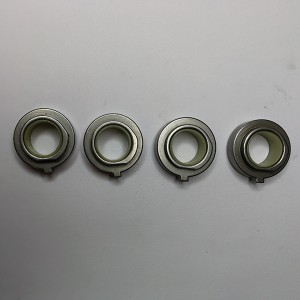
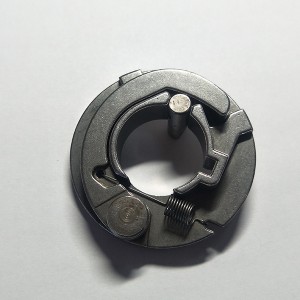
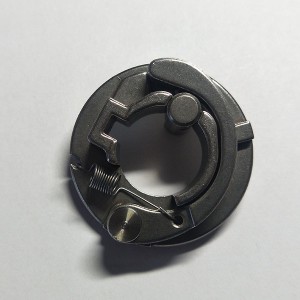
market is projected to reach $12.76 billion by 2029 (CAGR 6.2%), driven by their unmatched corrosion resistance (withstands pH 1-13 environments) and pressure tolerance (up to 10,000 PSI). Recent advancements in powder metallurgy stainless steel enable 98.5% density in sintered components, reducing material waste by 22% compared to traditional machining.
Material Performance Benchmarking
Third-party testing reveals critical differentiation factors:
| Property | 304 Grade | 316L Grade | Duplex 2205 |
|---|---|---|---|
| Yield Strength (MPa) | 215 | 290 | 550 |
| Chloride Threshold | 200 ppm | 1,000 ppm | 5,000 ppm |
| Thermal Expansion | 17.2 µm/m°C | 16.5 µm/m°C | 13.7 µm/m°C |
Manufacturer Capability Matrix
Leading suppliers demonstrate distinct operational advantages:
| Vendor | Lead Time | Diameter Range | Certifications |
|---|---|---|---|
| SteelTech Global | 4-6 weeks | 6mm - 1200mm | ASME, PED, ISO 15614 |
| Metallurgix Inc | 2-3 weeks | 12mm - 600mm | ASTM A312, API 5LC |
Customization Protocol
Specialized fabrication follows 5-stage quality assurance:
- Requirement Analysis: 48-hour technical consultation
- Prototyping: 3D printed samples within 72 hours
- Surface Treatment: Electropolishing (Ra 0.2µm) or bead blasting
- Testing: Eddy current, hydrostatic, and PMI verification
- Packaging:VCI anti-corrosion wrapping
Advanced Manufacturing Techniques
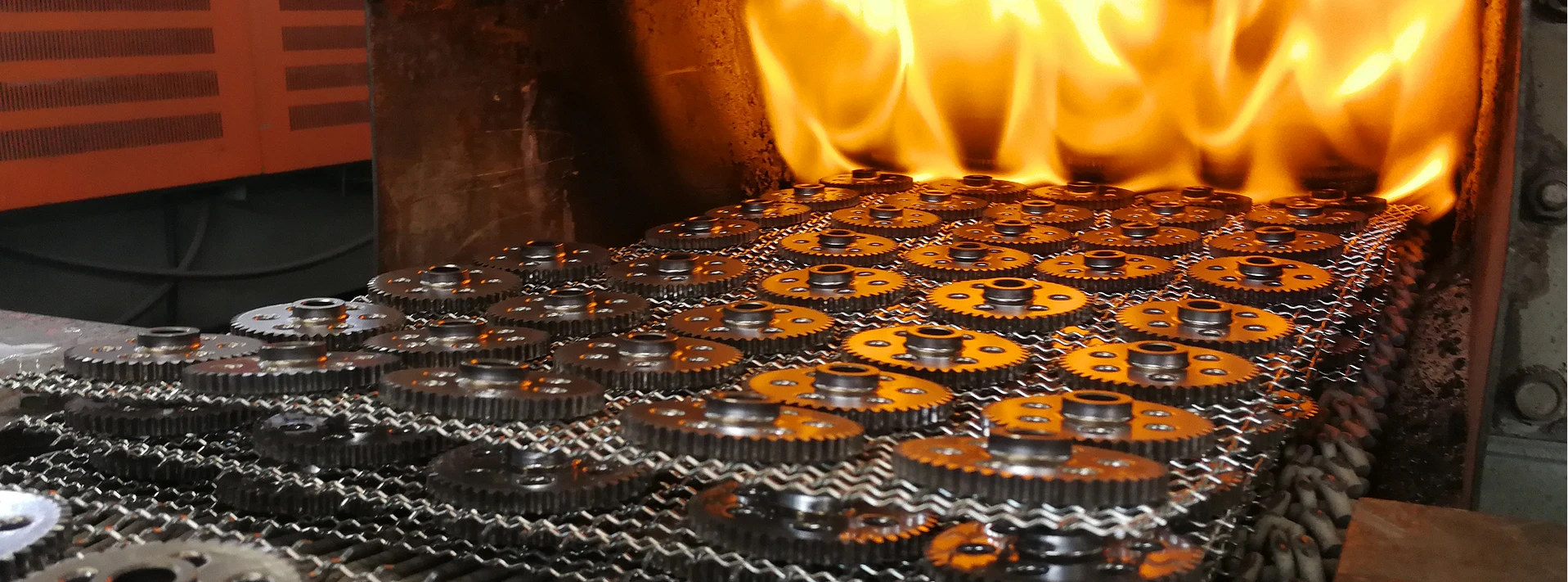
Laser-clad powder metallurgy stainless steel achieves 0.05mm dimensional tolerance for aerospace hydraulic systems. Cold-drawn stainless steel rods now maintain HV 350 hardness while retaining 25% elongation capacity.
Industrial Application Spectrum
Recent deployments include:
- Offshore oil platform: 8km of 316L piping (DNV-OS-F101 compliant)
- Pharmaceutical plant: 500 powder-metallurgy valves (ASME BPE standard)
- Data center cooling: 304H loop system reducing energy use by 18%
Stainless Steel Pipes: Next-Generation Solutions
Emerging grades like 904L and 6Mo demonstrate 98% recyclability with 40% lower lifecycle costs than carbon steel alternatives. Automated welding systems now achieve 12m/minute pipe joining speeds while maintaining 100% X-ray pass rates.

(stainless steel pipes)
FAQS on stainless steel pipes
Q: What are the key applications of stainless steel pipes?
A: Stainless steel pipes are widely used in industries like construction, oil and gas, and food processing due to their corrosion resistance and durability. They are ideal for transporting fluids, structural frameworks, and high-temperature environments.
Q: How do stainless steel rods differ from stainless steel pipes?
A: Stainless steel rods are solid cylindrical bars, while pipes are hollow and designed for fluid transport. Rods are typically used for machining parts, construction supports, or fasteners, whereas pipes prioritize flow efficiency and pressure handling.
Q: What are the advantages of powder metallurgy stainless steel?
A: Powder metallurgy allows precise control over material composition and microstructure, enhancing strength and corrosion resistance. It enables complex shapes with minimal waste, making it cost-effective for specialized industrial components.
Q: Can stainless steel pipes be welded or customized easily?
A: Yes, stainless steel pipes can be welded, bent, or cut to meet specific project requirements. Proper techniques like TIG welding and post-treatment ensure structural integrity and corrosion resistance are maintained.
Q: How to choose between different stainless steel grades for pipes?
A: Selection depends on environment and use: Grade 304 is general-purpose, while 316 offers superior corrosion resistance in salty or chemical environments. Always check ASTM standards for temperature and pressure compatibility.