







Understanding Small Metal Gears: Applications and Sourcing
Small metal gears are ubiquitous components in countless mechanical systems, from intricate watch movements to robust industrial machinery. Their precision engineering and durability make them essential for transmitting power and controlling motion. This article delves into the diverse applications of small metal gears, the materials commonly used in their manufacture, and key considerations for sourcing high-quality components. We’ll explore how advances in manufacturing processes are shaping the future of these vital parts. Understanding the nuances of gear design and material selection is crucial for optimal performance and longevity.
Applications of Small Metal Gears
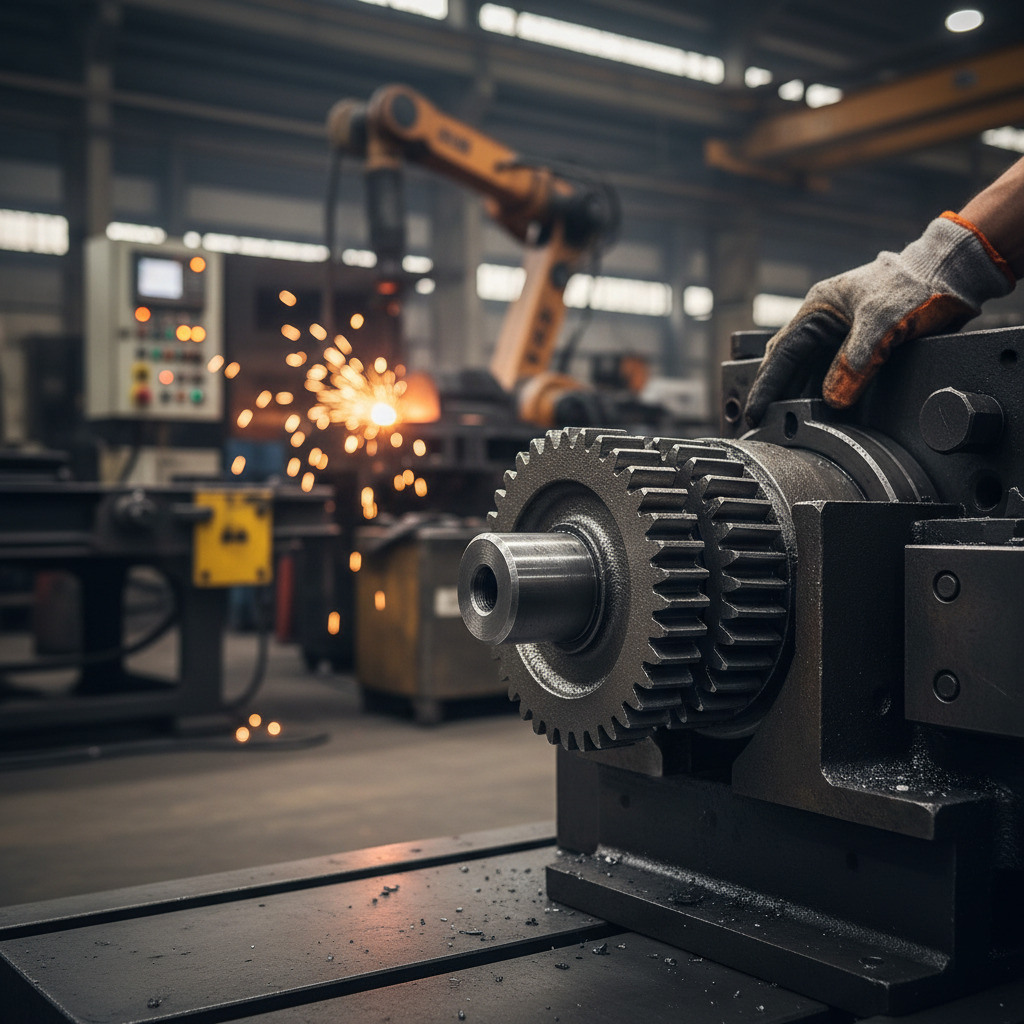
The applications for small metal gears are remarkably diverse. In the consumer electronics sector, they are found in DVD players, power tools, and printers, enabling precise movement and control. The automotive industry utilizes them extensively in window regulators, windshield wipers, and even within the engine's timing system. Medical devices, robotics, and aerospace engineering all rely on the accuracy and reliability of these components. Specifically, within robotics, precision metal gears are critical for joint articulation and locomotion. The ongoing demand for miniaturization and increased performance continues to drive innovation in gear technology.
Key Applications: Consumer Electronics, Automotive Systems, Medical Devices, Robotics, Aerospace Engineering.
Common Materials Used in Small Metal Gear Manufacturing
The choice of material significantly impacts the performance and lifespan of a small metal gear. Steel alloys, including stainless steel, are popular due to their high strength and durability. Brass and bronze offer excellent wear resistance and are often used in low-load applications. Aluminum alloys provide a lightweight solution, while titanium alloys combine strength with exceptional corrosion resistance. Powder metallurgy techniques enable the production of gears from materials like iron and specialized alloys, allowing for complex geometries and tight tolerances. JSSintering specializes in powder metallurgy for creating high-quality metal gears.
Material Properties and Considerations:
• Steel Alloys: High Strength, Durability
• Brass/Bronze: Wear Resistance, Low-Load Applications
• Aluminum Alloys: Lightweight
• Titanium Alloys: Strength, Corrosion Resistance
Small Metal Gear Manufacturing Processes: A Comparative Look
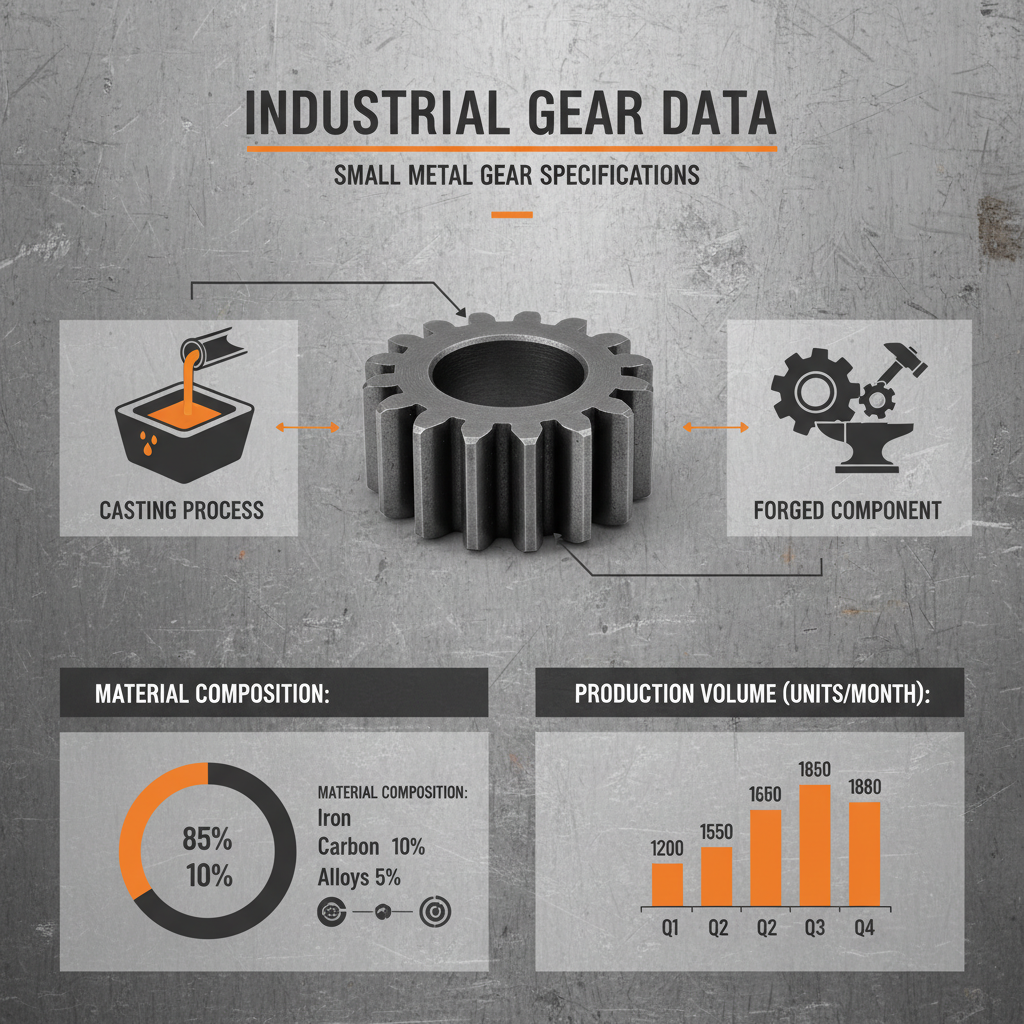
Several manufacturing processes are employed to create small metal gears, each with its own advantages and disadvantages. Machining (milling, turning) offers high precision but can be costly for complex geometries and large production volumes. Powder metallurgy (PM) allows for the creation of intricate shapes with minimal material waste and is cost-effective for mass production. Metal Injection Molding (MIM) combines the design flexibility of plastic injection molding with the strength and durability of metal. Here’s a comparative overview:
Sourcing High-Quality Small Metal Gears
Choosing a reliable supplier is paramount when sourcing small metal gears. Consider factors such as the supplier's experience, manufacturing capabilities, quality control processes, and lead times. Look for suppliers that offer material certifications and can meet your specific tolerances and specifications. JSSintering provides custom gear manufacturing with a focus on quality and precision. Furthermore, clear communication and a collaborative approach can ensure a smooth and successful sourcing experience.
Future Trends in Small Metal Gear Technology
The field of small metal gear technology is continuously evolving. Advancements in materials science are leading to the development of gears with improved strength, wear resistance, and corrosion resistance. Additive manufacturing (3D printing) is gaining traction, enabling the creation of highly complex gear geometries. Furthermore, the integration of sensors and smart materials into gears is opening up new possibilities for condition monitoring and predictive maintenance. These innovations will undoubtedly shape the future of mechanical systems across various industries.
Conclusion: The Importance of Precision in Small Metal Gears
Small metal gears are essential components in a wide array of applications, requiring careful consideration of material selection, manufacturing processes, and sourcing strategies. Investing in high-quality gears from a reliable supplier like JSSintering ensures optimal performance, durability, and reliability. Staying abreast of the latest technological advancements will be crucial for maximizing the benefits of these vital mechanical elements.
Frequently Asked Questions (FAQs)
What is the typical lead time for custom small metal gear orders?
Lead times vary depending on the complexity of the design, the quantity ordered, and the chosen material. Typically, a standard custom order takes between 4-8 weeks from design confirmation to delivery. Rush orders may be accommodated with expedited pricing. Factors such as tooling requirements and material availability can influence the lead time. It's always best to discuss your specific requirements with the supplier to obtain an accurate estimate. JSSintering strives to provide competitive lead times without compromising quality.
What quality control measures are used in the manufacturing process?
Rigorous quality control measures are implemented throughout the entire manufacturing process. These include material verification, dimensional inspection using precision instruments (CMM, calipers, micrometers), visual inspection for defects, and potentially non-destructive testing methods like X-ray inspection. Many manufacturers adhere to ISO 9001 quality management standards. Statistical process control (SPC) is often used to monitor and control key process parameters. JSSintering places a high priority on quality assurance.
Can you manufacture gears with specialized coatings or surface treatments?
Yes, many manufacturers offer a variety of coatings and surface treatments to enhance the performance and durability of small metal gears. These include heat treatment for increased hardness, plating (e.g., nickel, chrome) for corrosion resistance, and coatings like DLC (Diamond-Like Carbon) for reduced friction and wear. The specific coating or treatment will depend on the application requirements and the material of the gear. Discussing your specific needs with the supplier is crucial.
What file formats are accepted for custom gear designs?
Most manufacturers prefer to receive gear designs in standard CAD formats such as STEP, IGES, SolidWorks, or AutoCAD. 2D drawings in PDF or DWG format may also be accepted, but 3D models are generally preferred for accuracy and clarity. Ensuring that the design file is complete and includes all necessary dimensions, tolerances, and material specifications is essential for a smooth manufacturing process. It's advisable to check with the supplier regarding their specific file format requirements.









