






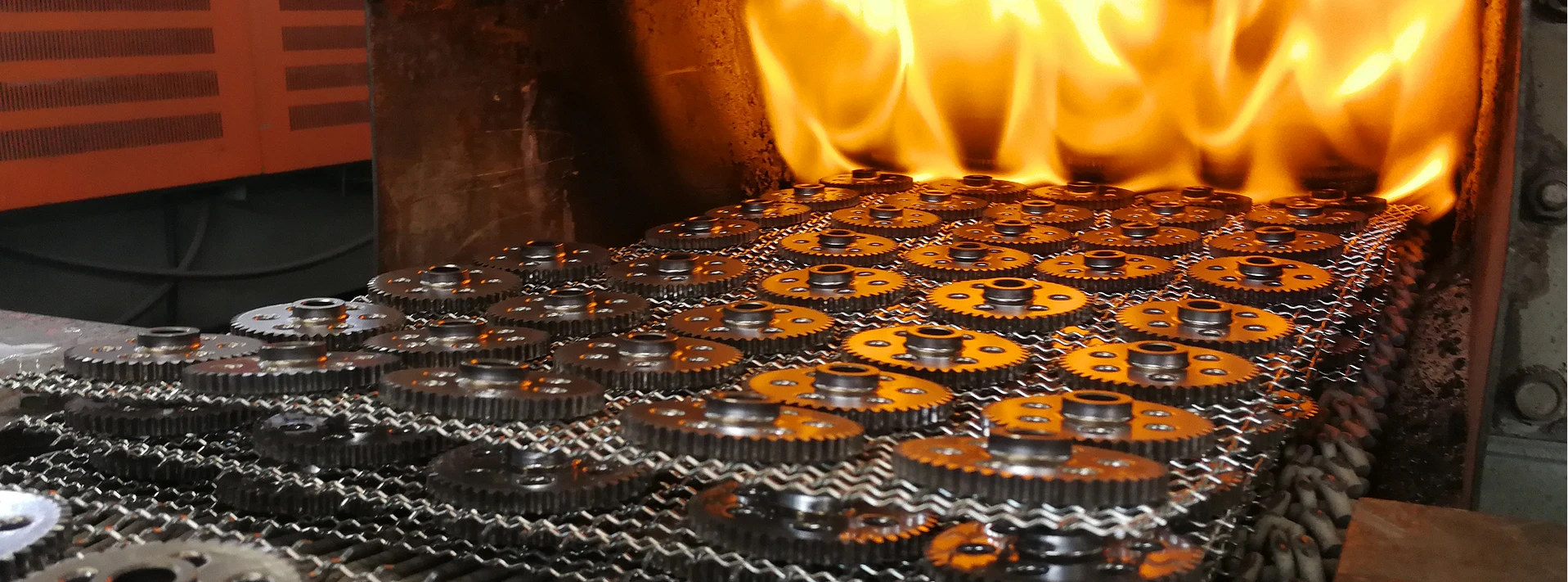
The Water Pump Wheel is a critical component in various mechanical systems, designed to ensure efficient fluid transfer in industrial, automotive, and power tool applications. Manufactured using advanced powder metallurgy techniques, this product combines durability, precision, and reliability to meet the demands of modern engineering. Below is an in-depth exploration of its features, technical specifications, applications, and the company behind its innovation.
Product Overview
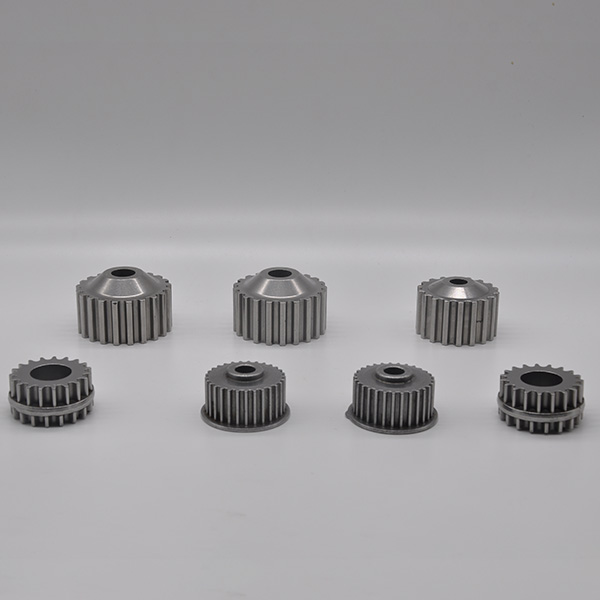
The Water Pump Wheel is a specialized mechanical component engineered to facilitate the movement of water or other fluids in systems such as vehicle cooling, industrial machinery, and power tools. Its design emphasizes high-performance materials and precise manufacturing processes to ensure longevity and efficiency. The product is available in multiple configurations, catering to diverse industrial requirements.
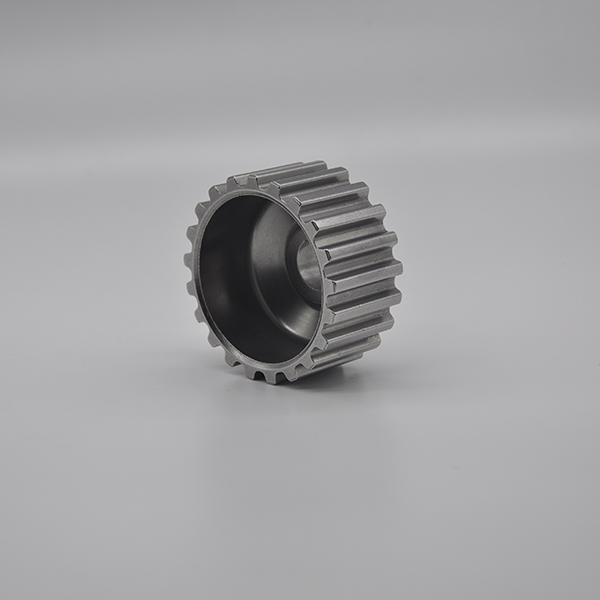
Produced by Shijiazhuang Jingshi New Materials Science and Technology Co., Ltd., the Water Pump Wheel is a testament to the company's commitment to precision engineering and quality assurance. The product is designed to meet stringent industry standards, making it a preferred choice for manufacturers and engineers worldwide.
Key Features and Advantages
The Water Pump Wheel stands out due to its robust design, advanced manufacturing techniques, and compliance with international standards. Below are the core features that define its performance:
- Material Versatility: The pump wheel is manufactured using a variety of materials, including iron powder, steel, stainless steel, copper, and nickel, ensuring adaptability to different operational environments.
- Advanced Manufacturing Technology: The product is created using powder metallurgy combined with machining, allowing for precise shaping and enhanced mechanical properties.
- Superior Surface Treatments: The component undergoes high-frequency quenching and oil impregnation to improve wear resistance and reduce friction, ensuring smooth operation over extended periods.
- Strict Tolerance Standards: The product adheres to ISO 2768 - m / H14, h14, ± IT14/2 specifications, guaranteeing dimensional accuracy and consistency.
- Defect-Free Appearance: The pump wheel is free from crumbling, cracks, exfoliation, voids, and metal pitting, ensuring structural integrity and reliability.
Technical Specifications
The Water Pump Wheel is engineered to meet the highest standards of performance and precision. Below is a detailed specification table:
| Parameter | Details |
|---|---|
| Product Name | Water Pump Wheel |
| Materials | Iron powder, Steel, Stainless Steel, Copper, Nickel |
| Technology | Powder Metallurgy - Machining |
| Certifications | ISO 9001, TS 16949 |
| Surface Treatments | High Frequency Quenching, Oil Impregnation |
| Unspecified Tolerance | ISO 2768 - m / H14, h14, ± IT14/2 |
| Appearance | No Crumbling, Cracks, Exfoliation, Voids, Metal Pitting |
| Process Flow | Powder Mixing - Forming - Sintering - Oil Impregnation - Sizing - Ultrasonic Cleaning - Steam Oxidation - Oil Impregnation - Final Inspection - Packing |
| Applications | Industry, Vehicle, Power Tools, Motor, Bicycle, Electrombile |
Applications in Modern Industries
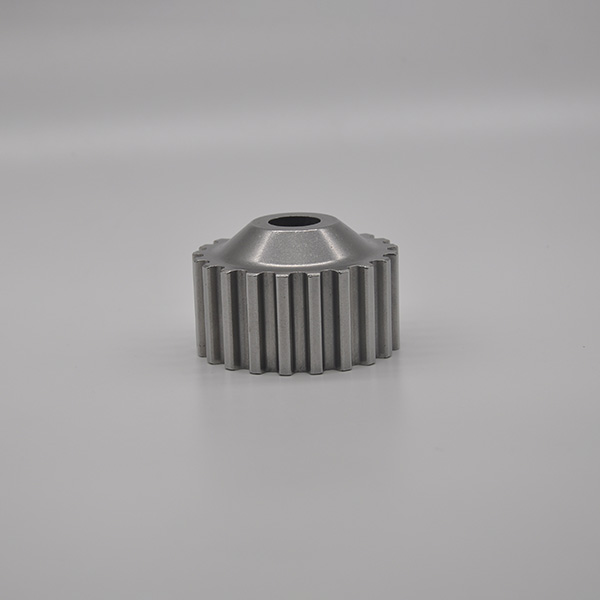
The Water Pump Wheel is a versatile component with applications spanning multiple sectors. Its adaptability and durability make it an essential part of the following systems:
- Industrial Machinery: Used in pumps, compressors, and hydraulic systems to ensure efficient fluid dynamics.
- Automotive Systems: Integrated into vehicle cooling systems, power steering, and other critical components to enhance performance and reliability.
- Power Tools: Essential for devices requiring precise fluid control, such as pneumatic tools and hydraulic jacks.
- Electric Vehicles (EVs): Plays a role in cooling systems and other fluid management applications, supporting the growing demand for sustainable transportation.
- Renewable Energy Systems: Utilized in wind turbines and solar power plants to manage fluid circulation and thermal regulation.
According to the National Institute of Standards and Technology (NIST), "Precision engineering and advanced manufacturing techniques are critical to meeting the evolving demands of modern industries." The Water Pump Wheel exemplifies this principle by combining cutting-edge technology with rigorous quality control measures.
Company Background: Shijiazhuang Jingshi New Materials Science and Technology Co., Ltd.
Founded in Shijiazhuang, China, Shijiazhuang Jingshi New Materials Science and Technology Co., Ltd. is a leading manufacturer of high-performance components using powder metallurgy and machining technologies. The company's commitment to innovation and quality has established it as a trusted partner for industries worldwide.
With a focus on ISO 9001 and TS 16949 certifications, the company ensures that its products meet global standards for quality and reliability. Its state-of-the-art facilities and experienced engineering team enable the production of complex components with exceptional precision.
As noted by NIST, "Manufacturers that prioritize quality and innovation are better positioned to meet the challenges of a rapidly evolving market." Shijiazhuang Jingshi New Materials Science and Technology Co., Ltd. exemplifies this by continuously refining its processes to deliver superior products.
Conclusion
The Water Pump Wheel is a prime example of how advanced manufacturing techniques can deliver reliable and high-performance components for diverse applications. Its combination of durable materials, precise engineering, and adherence to international standards makes it a valuable asset for industries ranging from automotive to renewable energy.
For more information about the Water Pump Wheel and other products from Shijiazhuang Jingshi New Materials Science and Technology Co., Ltd., visit their official website. The company's dedication to excellence ensures that its products continue to meet the demands of modern engineering.
References
National Institute of Standards and Technology (NIST). "Precision Engineering and Advanced Manufacturing." Retrieved from https://www.nist.gov/.









