






Understanding Internal Gear Technology: A Comprehensive Guide
Internal gear technology is a critical component in various industrial applications, offering unique advantages in power transmission and motion control. This article will explore the principles, benefits, applications, and manufacturing processes related to internal gears. We'll delve into why these gears are favored in specific designs and how they contribute to increased efficiency and reliability. Understanding the nuances of internal gearing is key for engineers and designers across multiple sectors.
What are Internal Gears?
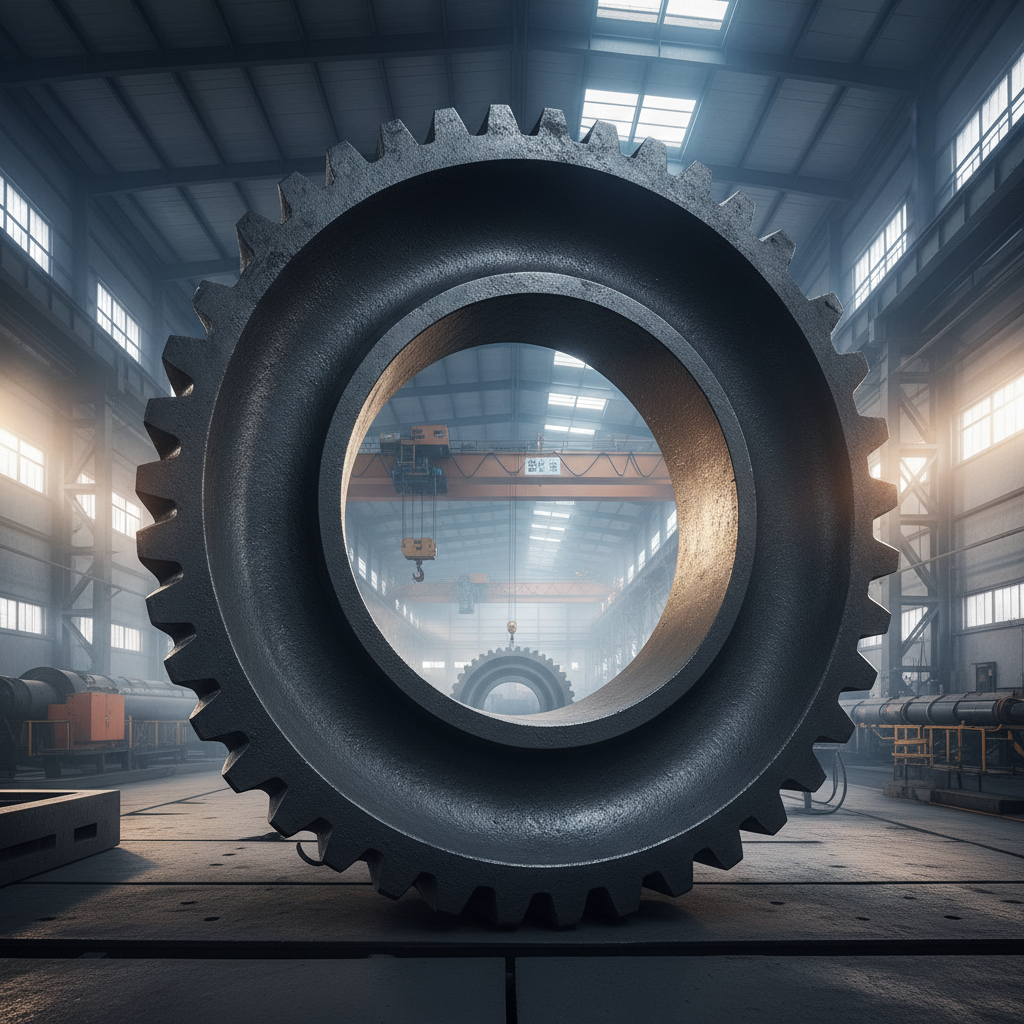
An internal gear, also known as a ring gear, is a gear with teeth cut on the inner surface of a cylinder or cone. Unlike conventional external gears, which have teeth on the outer surface, internal gears mesh with an external gear. This configuration allows for compact designs and unique kinematic properties. The internal gear's concave shape provides a different contact geometry, influencing factors like load capacity and noise levels. JSSintering specializes in precision internal gear manufacturing, catering to diverse industry needs.
Key Characteristics: Internal gears feature teeth cut on the inner surface of a cylinder or cone. They mesh with external gears for compact designs and unique kinematic properties.
The Benefits of Using Internal Gears
Internal gears offer several advantages over traditional external gear setups. Firstly, they enable a higher gear ratio within a smaller space. This is because the power is transmitted through a smaller overall diameter. Secondly, the design can lead to quieter operation due to the unique tooth contact geometry. Thirdly, internal gears can accommodate larger loads for a given size. Finally, they allow for more versatile design possibilities, particularly in planetary gear systems. These benefits make internal gears ideal for applications where space, noise, and load capacity are critical considerations.
Key Advantages:
• Higher gear ratios in smaller spaces
• Quieter operation
• Increased load capacity
• Versatile design options
Internal Gear Applications: A Diverse Range
The applications of internal gears are incredibly diverse. They are commonly found in planetary gearboxes used in automotive transmissions, robotics, and aerospace applications. They are also employed in precision instruments, such as high-accuracy gearheads for servo motors. Furthermore, internal gears play a vital role in printing presses, machine tools, and various industrial automation systems. Their ability to provide high torque transmission and compact designs makes them essential components in numerous industries.
Internal Gear Manufacturing Processes
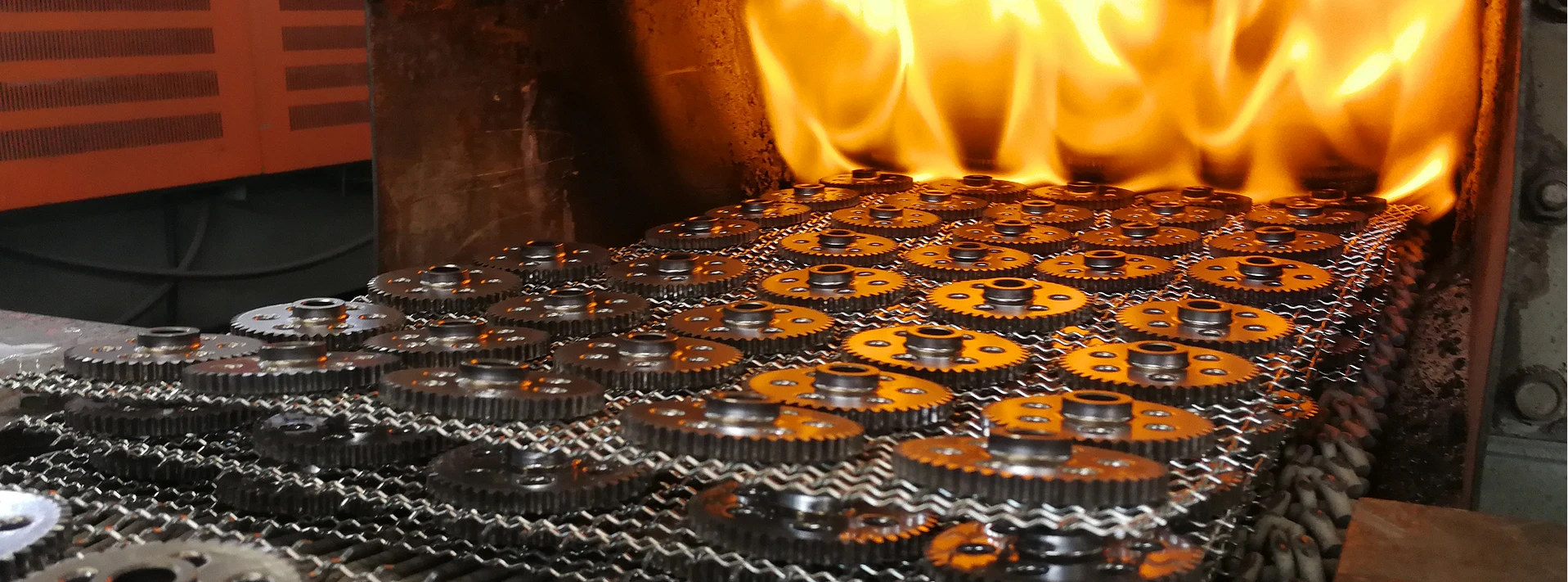
Manufacturing internal gears requires precise techniques to achieve the required accuracy and surface finish. Common methods include gear hobbing, gear shaping, and specialized machining processes. Powder metallurgy (PM), a core expertise of JSSintering, is increasingly used to produce complex internal gear geometries with excellent material properties. PM allows for net-shape manufacturing, reducing the need for secondary machining operations and minimizing material waste. The choice of manufacturing process depends on factors like gear size, volume, and required precision.
Key Considerations When Designing with Internal Gears
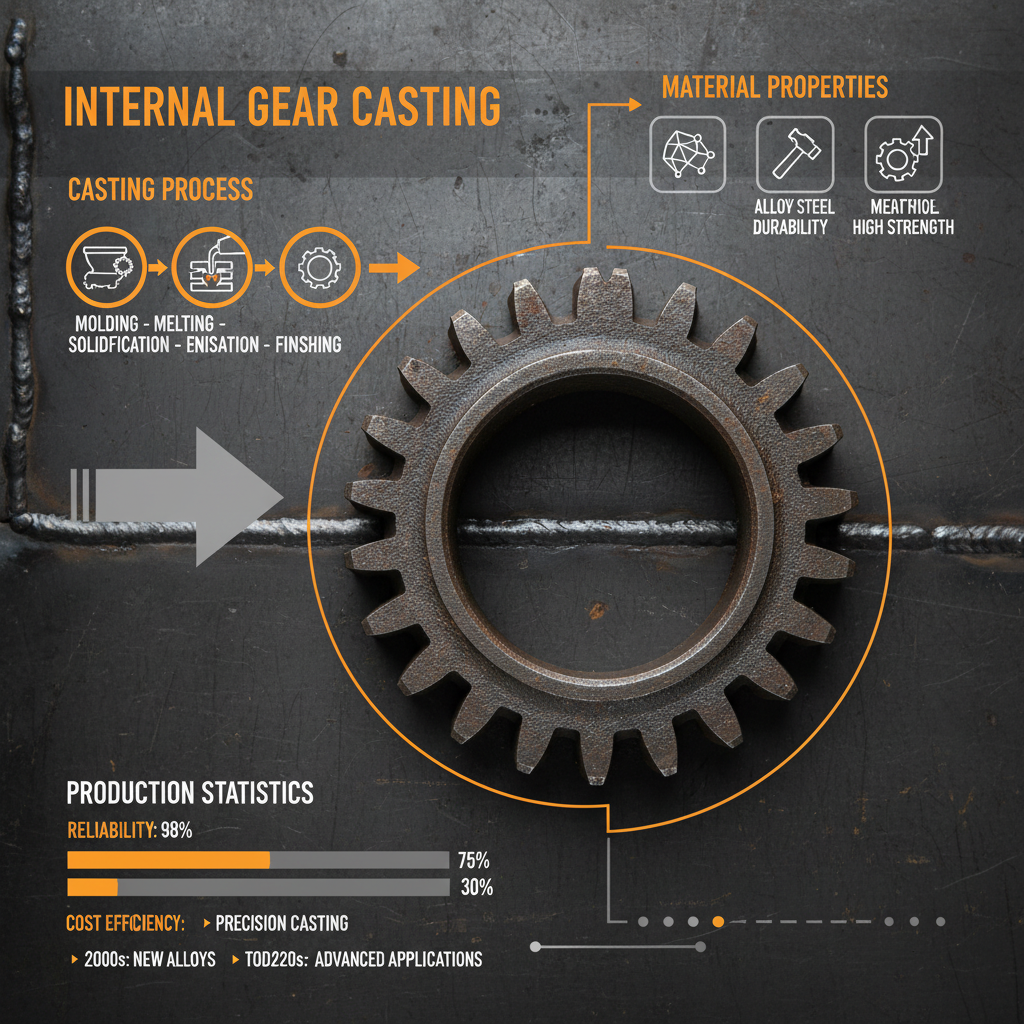
Designing with internal gears requires careful consideration of several factors. Proper tooth profile design is crucial for efficient power transmission and minimizing noise. Material selection should be based on the application's load, speed, and environmental conditions. Accurate tolerances are essential to ensure smooth meshing and prevent premature wear. Lubrication is also a key factor, as it reduces friction and extends the gear's lifespan. JSSintering offers expert consultation to assist in optimizing internal gear designs for specific applications.
Conclusion: The Versatile Internal Gear
Internal gears represent a sophisticated solution for power transmission in a wide array of applications. Their compact size, quiet operation, and high load capacity make them invaluable in modern engineering. By leveraging advancements in manufacturing techniques, like powder metallurgy from JSSintering, designers can unlock even greater potential from this versatile technology.
Frequently Asked Questions (FAQs)
What are the primary differences between internal and external gears?
The fundamental difference lies in the tooth location: internal gears have teeth cut on the inner surface of a cylinder, while external gears have teeth on the outer surface. This difference leads to variations in gear ratios, contact geometry, and noise characteristics. Internal gears generally allow for higher gear ratios in a smaller space and can operate more quietly. The rotational direction is also reversed. Because of their differences, internal gears are better suited for specific applications than external gears.
What materials are commonly used for internal gears?
Common materials include various steels (alloy steels, stainless steels), cast iron, and, increasingly, powder metallurgy materials like iron-copper alloys. The choice of material depends on the application's requirements for strength, wear resistance, and corrosion resistance. Powder metallurgy allows for creating specialized alloys with tailored properties for optimal performance. JSSintering offers a wide range of PM materials suitable for internal gear manufacturing.
How does powder metallurgy benefit internal gear production?
Powder metallurgy offers several advantages for internal gear production, including net-shape manufacturing (reducing machining), the ability to create complex geometries, and excellent control over material properties. PM gears can exhibit higher density and improved wear resistance compared to conventionally manufactured gears. It's a cost-effective and efficient method for producing high-precision internal gears in large volumes.
What are the typical applications of planetary gearsets incorporating internal gears?
Planetary gearsets utilizing internal gears are commonly found in automatic transmissions in vehicles, electric screwdrivers, robotics, wind turbines, and various industrial gearboxes. Their compact size, high torque capacity, and efficient power transmission make them ideal for these applications. The internal ring gear forms a crucial part of the planetary system, enabling efficient power distribution and speed reduction or increase.









