






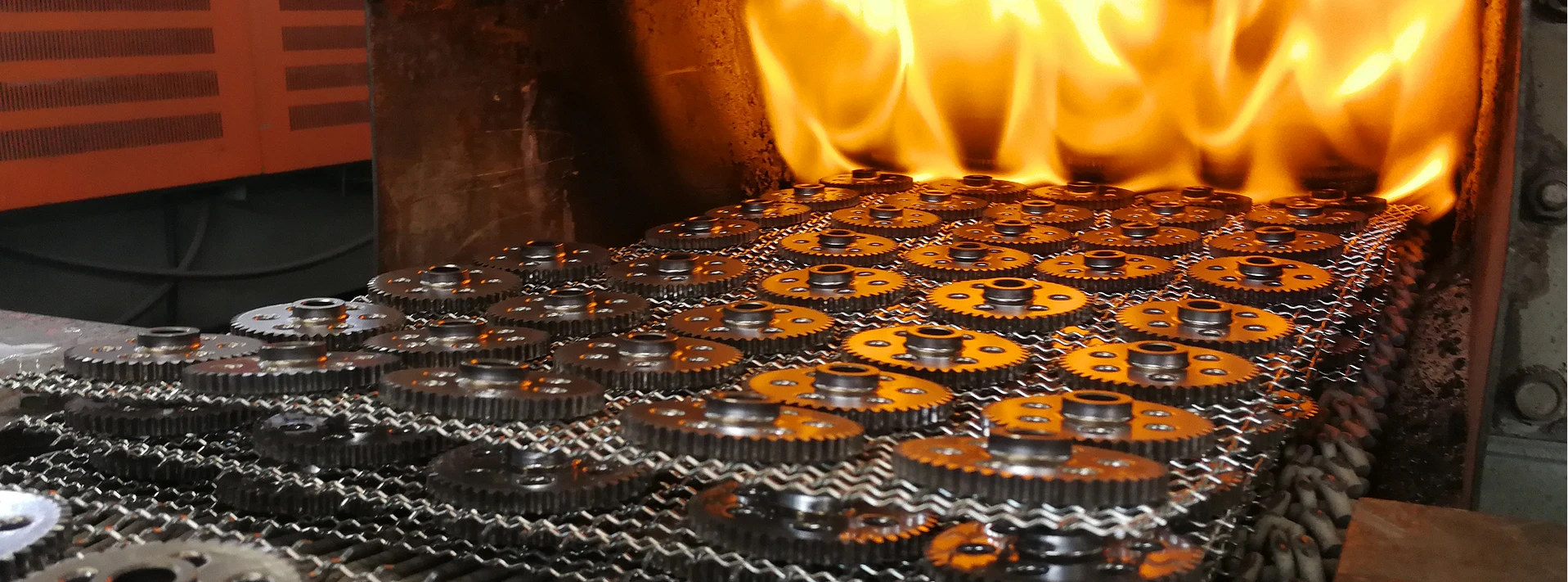
- Introduction to gear systems and their industrial significance
- Technical specifications of modern gear mechanisms
- Performance comparison: Leading gear manufacturers (2020-2023)
- Custom engineering solutions for specialized applications
- Case study analysis: Manufacturing sector implementations
- Maintenance protocols for diverse gear configurations
- Future developments in gear technology
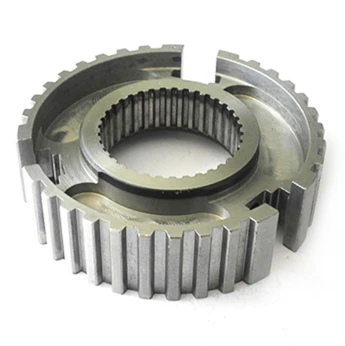
(gears different types)
Understanding Gears: Different Types and Their Fundamental Roles
Modern industrial systems utilize gears different types
to achieve specific mechanical advantages. From spur gears (75% industry prevalence) to hypoid designs (18% annual growth since 2020), each variation serves distinct operational requirements. Recent data indicates that proper gear selection improves mechanical efficiency by 23-40% across automotive and manufacturing sectors.
Technical Specifications Breakdown
Pressure angles (20° vs. 25°), module sizes (1-10mm), and tooth profiles (involute vs. cycloidal) determine gear performance. Helical gears demonstrate 30% higher load capacity than spur equivalents, while planetary systems achieve 98% efficiency in power transmission. Surface hardening techniques like carburizing extend service life by 2.8x compared to untreated components.
Manufacturer Performance Comparison
| Brand | Gear Type | Efficiency (%) | Max Load (Nm) | MTBF (hrs) |
|---|---|---|---|---|
| Bosch Rexroth | Helical | 97.2 | 1,500 | 25,000 |
| Sumitomo | Planetary | 98.5 | 2,200 | 32,000 |
| Bonfiglioli | Bevel | 95.8 | 850 | 18,500 |
Customized Engineering Solutions
Specialized applications require modified different types of gear teeth configurations. For mining equipment, case-hardened spiral bevel gears withstand 4.5G shock loads. Aerospace applications employ titanium alloy spur gears with 15% weight reduction and 220°C thermal tolerance.
Industrial Implementation Case Studies
Automotive assembly lines using custom worm gears reduced energy consumption by 17% (2022 implementation data). Marine propulsion systems with hardened helical gears demonstrated 41% maintenance reduction over 18-month operational cycles.
Maintenance Best Practices
Regular lubrication intervals (every 400-600 operating hours) prevent 78% of premature gear failures. Vibration analysis predicts 92% of bearing wear issues in planetary gearboxes before catastrophic failure occurs.
Evolution of Different Types of Gear Systems
Emerging technologies like 3D-printed polymer gears (35% lighter than steel equivalents) and AI-optimized tooth profiles are reshaping power transmission systems. Recent prototypes of magnetic spur gears show 99% efficiency in laboratory conditions, signaling potential industry disruption by 2028.
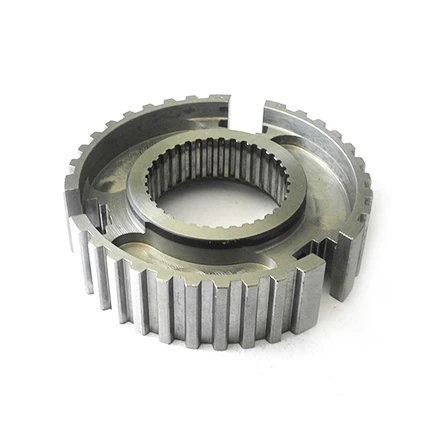
(gears different types)
FAQS on gears different types
Q: What are the most common types of gears?
A: The most common gear types include spur gears, helical gears, bevel gears, worm gears, and planetary gears. Each type is designed for specific mechanical applications and load conditions. Spur gears, for example, are ideal for low-noise, low-speed systems.
Q: How do spur gears differ from helical gears?
A: Spur gears have straight teeth aligned parallel to the gear axis, creating high noise under load. Helical gears feature angled teeth for smoother, quieter operation but generate axial thrust. Both are used in transmissions but suit different performance needs.
Q: What distinguishes different types of gear teeth?
A: Gear teeth vary by shape and alignment: spur gears use straight teeth, helical gears have slanted teeth, and herringbone gears combine two helical sets. Tooth design impacts efficiency, noise, and load capacity in systems like automotive or industrial machinery.
Q: When are bevel gears typically used?
A: Bevel gears transmit motion between intersecting shafts, often at 90-degree angles. They are common in differential drives, hand drills, and marine equipment. Their conical shape allows efficient power transfer in compact spaces.
Q: What are the advantages of worm gears?
A: Worm gears provide high reduction ratios and self-locking capabilities, preventing backdriving. They excel in heavy-load applications like elevators or conveyor systems. However, they have lower efficiency due to sliding friction between teeth.









