






Understanding Small Module Gears: Precision Components for Diverse Applications
Small module gears are essential components in a vast array of mechanical systems, prized for their precision, efficiency, and compact size. They are commonly found in applications ranging from robotics and instrumentation to consumer electronics and medical devices. This article delves into the world of small module gears, exploring their characteristics, manufacturing processes, materials, applications, and the advantages of sourcing from a reliable supplier like JSS Interlocking. We will focus on providing a comprehensive understanding for engineers, designers, and purchasers seeking high-quality gear solutions.
What Defines a Small Module Gear?
The term "module" is fundamental to understanding gear specifications. It represents the ratio of the pitch diameter of the gear to the number of teeth. A small module gear generally has a module of 0.5 or less, resulting in a relatively small gear size. This makes them ideal for applications where space is limited and precision is paramount. These gears are typically manufactured with tight tolerances to ensure smooth and efficient operation. The smaller module also implies a higher number of teeth for a given diameter, potentially increasing accuracy and reducing backlash.
Key Characteristics:
- Module ≤ 0.5
- High Precision
- Compact Size
- Tight Tolerances
- Often used in precision instruments
Manufacturing Processes for Small Module Gears
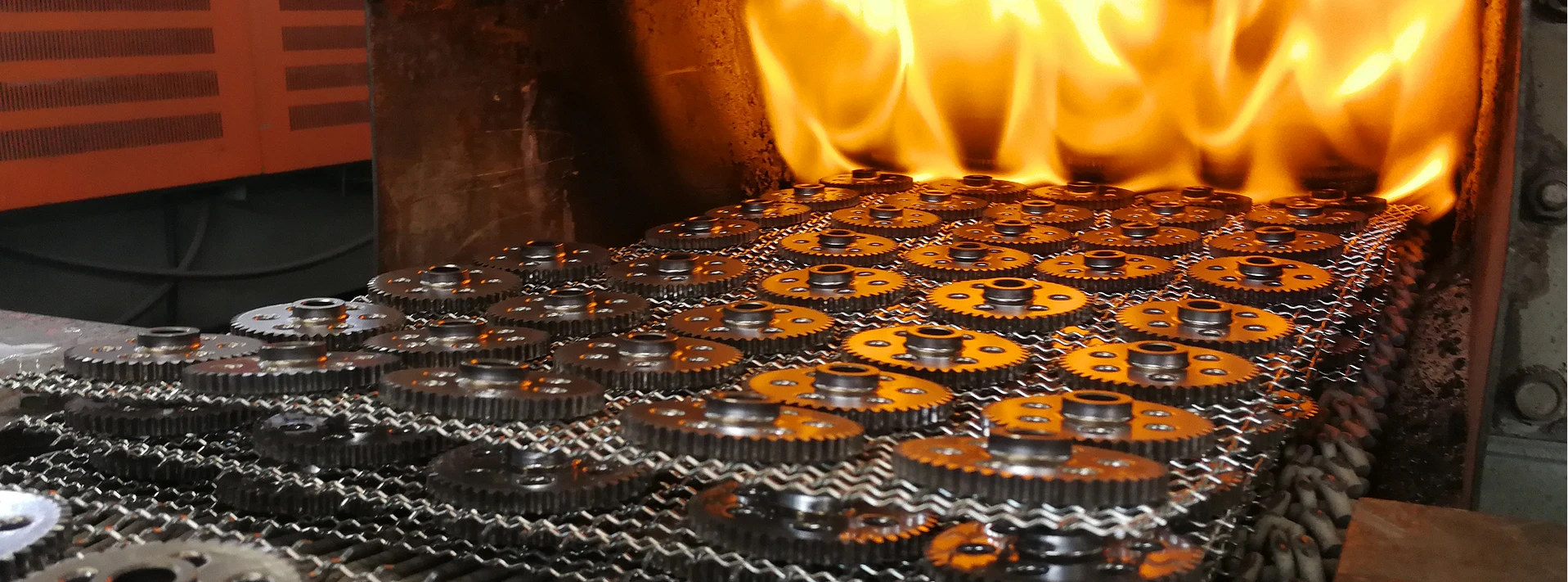
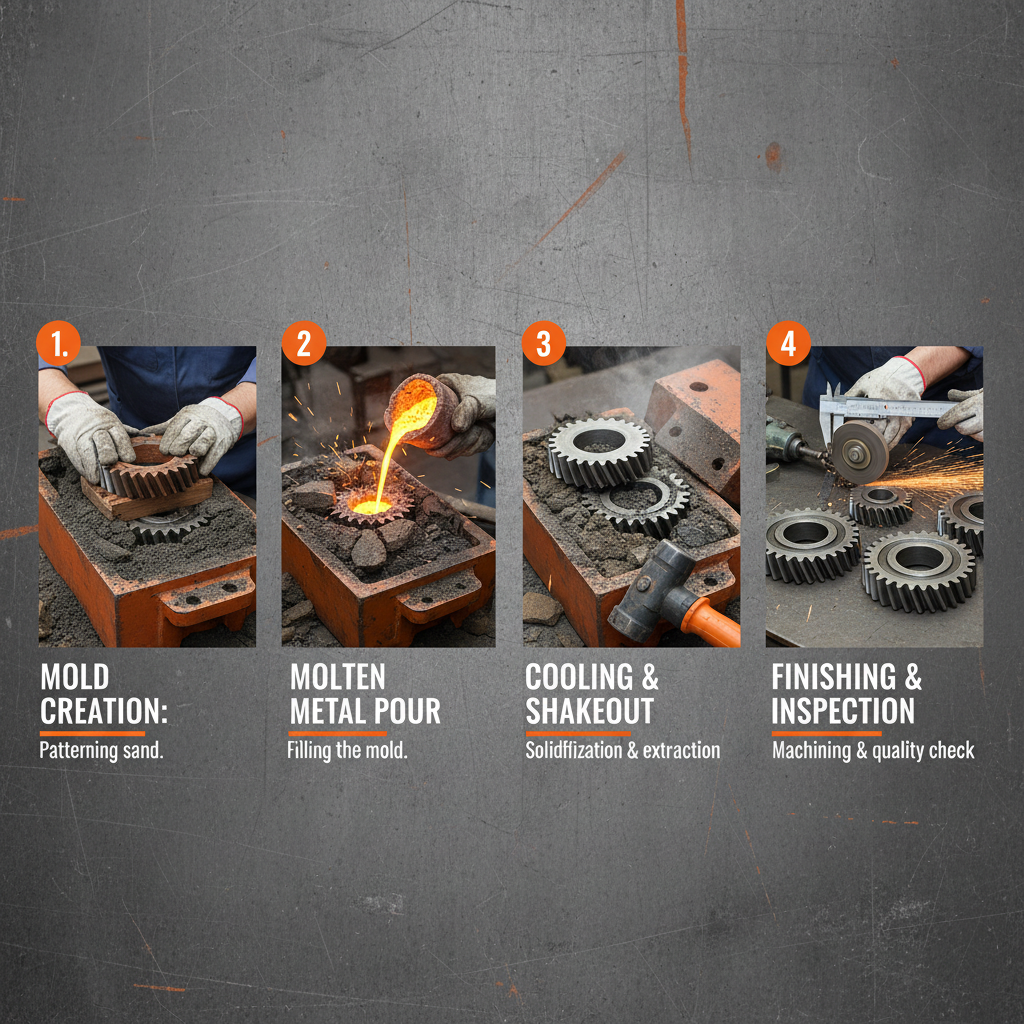
Producing small module gears demands specialized manufacturing techniques. While various methods exist, powder metallurgy (PM) is a particularly advantageous approach. PM involves compacting metal powders into the desired shape and then sintering them at high temperatures. This process allows for the creation of complex geometries with excellent accuracy and repeatability. Other common methods include micro-machining, wire EDM (Electrical Discharge Machining), and gear hobbing. The choice of manufacturing process depends on factors such as the desired material, volume, and precision requirements.
Manufacturing Methods:
• Powder Metallurgy (PM)
• Micro-Machining
• Wire EDM
• Gear Hobbing
Material Selection for Optimal Performance
The material used for small module gears significantly impacts their performance and longevity. Common materials include stainless steel, brass, bronze, and various engineering plastics. Stainless steel provides excellent strength and corrosion resistance. Brass and bronze offer good wear resistance and self-lubricating properties. Engineering plastics like Delrin and nylon are lightweight and offer good damping characteristics. The optimal material choice depends on the specific application requirements, considering factors such as load, speed, temperature, and environmental conditions.
Key Applications of Small Module Gears
The compact size and precision of small module gears make them ideal for numerous applications. These include: robotics (joints, actuators), instrumentation (measuring devices, sensors), medical devices (surgical tools, pumps), automotive applications (power window motors, seat adjustment mechanisms), consumer electronics (cameras, printers), and aerospace (small actuators, positioning systems). Their ability to transmit power efficiently in a small space is critical in these applications.
Why Choose JSS Interlocking for Your Small Module Gear Needs?
At JSS Interlocking, we specialize in the design and manufacture of high-precision small module gears. We leverage advanced powder metallurgy techniques and stringent quality control processes to deliver gears that meet the most demanding specifications. Our commitment to innovation, coupled with our expertise in materials science, allows us to provide customized solutions tailored to your specific application. We pride ourselves on fast turnaround times, competitive pricing, and exceptional customer service. We serve customers across various industries and can handle both small-batch prototypes and large-scale production runs.
Conclusion: Precision Gears, Reliable Solutions
Investing in high-quality small module gears is crucial for the performance and reliability of your products. JSS Interlocking provides the expertise and capabilities to deliver gears that meet your exact requirements. Contact us today to discuss your project and discover how we can help you achieve your engineering goals.
Frequently Asked Questions (FAQs)
What is the typical lead time for a custom small module gear order?
The lead time for a custom order varies depending on the complexity of the design, the material required, and the order quantity. Typically, prototype orders can be delivered within 2-4 weeks, while production orders may take 4-8 weeks. We work closely with our clients to establish realistic timelines and provide regular updates throughout the manufacturing process. Factors influencing lead time include material availability and current production workload. Contacting us directly will provide the most accurate lead time estimate for your specific needs.
Can JSS Interlocking provide gears with coatings or surface treatments?
Yes, we offer a range of coatings and surface treatments to enhance the performance and durability of our gears. These include heat treatment for increased hardness, plating for corrosion resistance, and coatings for improved wear resistance. The specific coating or treatment applied depends on the application requirements and the chosen material. We work with our clients to select the optimal surface treatment to meet their needs, ensuring a longer lifespan and improved performance in demanding environments.
What file formats do you accept for gear designs?
We accept a variety of file formats for gear designs, including STEP, IGES, DXF, and DWG. We also accept 2D drawings with detailed specifications. For optimal accuracy, we recommend submitting designs in a 3D format such as STEP or IGES. Our engineering team will review your design to ensure it meets our manufacturing capabilities and provide feedback if necessary. We can assist with design optimization if needed to ensure the best possible results.
Do you offer any quality control certifications?
Yes, JSS Interlocking is committed to maintaining the highest standards of quality. We have implemented a rigorous quality control system that includes dimensional inspection, material analysis, and performance testing. We can provide material certifications and inspection reports upon request. Our quality control processes are designed to ensure that every gear we deliver meets or exceeds customer expectations.









