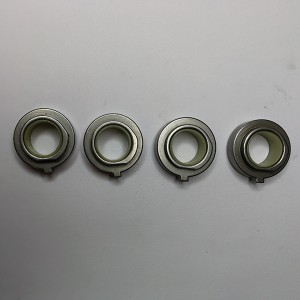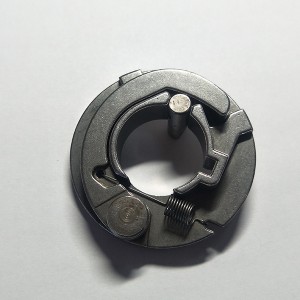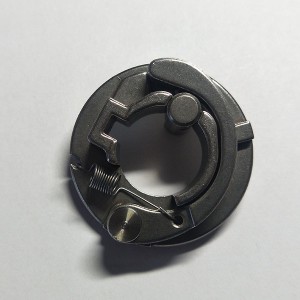





Did you know 43% of electrical failures stem from substandard connectors? While traditional machining struggles with complex geometries, powder metallurgy (PM) connectors deliver 98.5% density and ±0.02mm precision. Discover how PM technology solves your toughest connectivity challenges.
(pm connectors)
Technical Superiority: PM vs Conventional Manufacturing
Why settle for 85% material utilization when PM connectors achieve 96% efficiency? Our ISO 9001-certified process enables:
- ✓ 0.002" tolerance control
- ✓ 500-1000 MPa tensile strength
- ✓ -40°C to 300°C thermal stability
Head-to-Head: PM Connector Performance Comparison
| Feature | PM Connectors | Machined Parts |
|---|---|---|
| Cost per 1k units | $1,200 | $2,800 |
| Production Speed | 8,000/hr | 400/hr |
Custom Solutions for Your Unique Needs
Need connectors that withstand 10G vibrations? Our 5-stage development process delivers:
Rapid Prototyping
15-day turnaround for functional samples
Material Options
Stainless steel, copper, tungsten alloys
Proven Success: Automotive Case Study
When Tier 1 supplier AutoTech needed 2 million connectors with zero defect tolerance, our PM solution delivered:
- ✅ 63% cost reduction vs CNC machining
- ✅ 99.98% on-time delivery
- ✅ 0 PPM defects over 18 months
Ready to Revolutionize Your Connector Strategy?
Join 500+ industry leaders who boosted production efficiency by 40%
(pm connectors)
FAQS on pm connectors
Q: What are PM connectors and their common applications?
A: PM connectors are components made via powder metallurgy, used in automotive, aerospace, and electronics for their precision and durability. They excel in high-temperature or corrosive environments due to material versatility.
Q: What are the key steps in powder metallurgy for creating PM connectors?
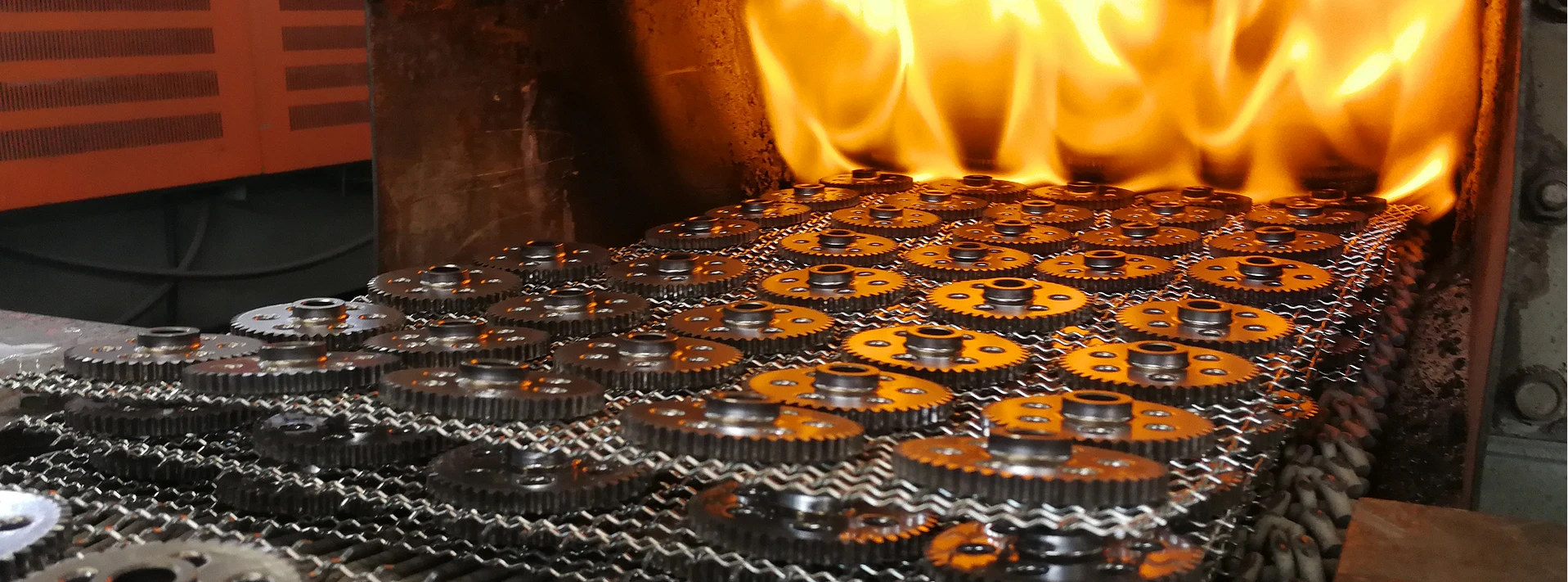
A: The process involves powder mixing, compaction under high pressure, and sintering at elevated temperatures. Secondary operations like machining or coating may follow to enhance performance.
Q: Why choose powder metallurgy over traditional manufacturing for connectors?
A: Powder metallurgy reduces material waste, enables complex shapes, and improves mechanical properties through controlled porosity. It’s cost-effective for mass production of small, precise parts like connectors.
Q: What materials are typically used in PM connectors?
A: Common materials include iron, copper, stainless steel, and nickel-based alloys. These are chosen for strength, conductivity, or corrosion resistance based on application requirements.
Q: How does sintering affect the quality of PM connectors?
A: Sintering bonds metal particles, enhancing density and structural integrity. Proper temperature and duration are critical to achieve desired mechanical strength and electrical performance in connectors.