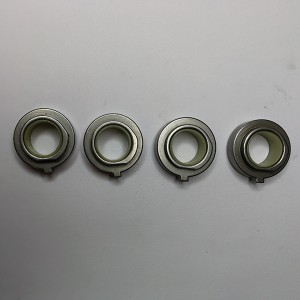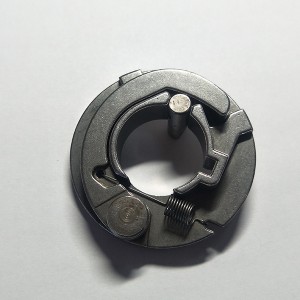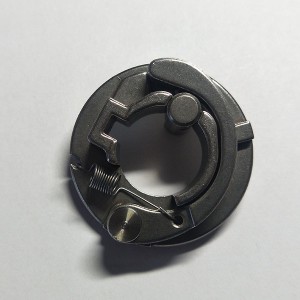





Powder metallurgy (PM) parts play a crucial and growing role in the development and production of electric vehicles (EVs). Here's a breakdown of how and where they are used:
Key Roles of Powder Metallurgy in EVs
1,Weight Reduction for Energy Efficiency,
PM allows for net-shape or near-net-shape manufacturing, reducing the need for heavy machining.
Lightweight parts = longer range per charge, a key concern in EV design.
2,Thermal Management Components
EVs generate heat in batteries and motors. PM parts (like aluminum or copper-based heat sinks) help dissipate heat efficiently.
3,Magnetic Materials for Motors
Soft magnetic composites (SMCs), made using powder metallurgy, are used in electric motors and generators.
These materials enable complex 3D geometries, reducing eddy current losses and improving motor efficiency.
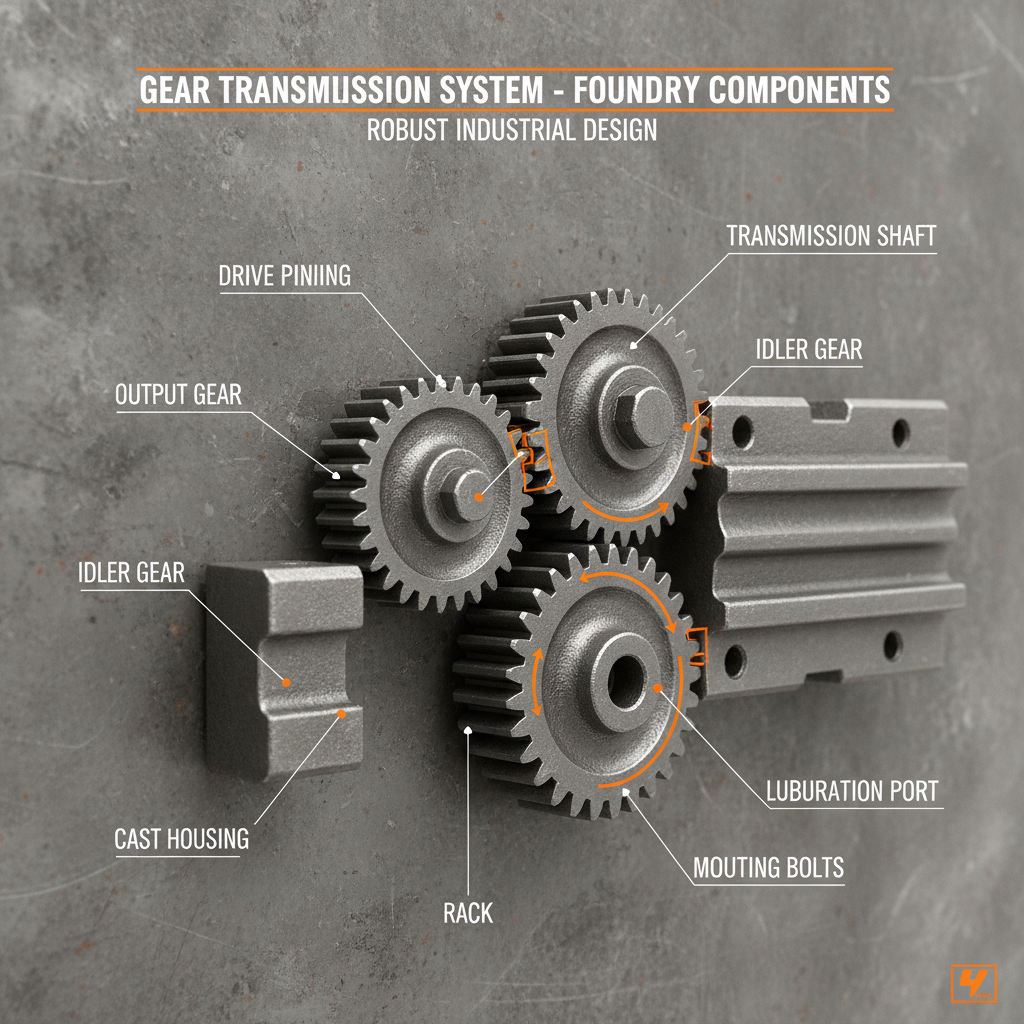
4,Structural and Transmission Components
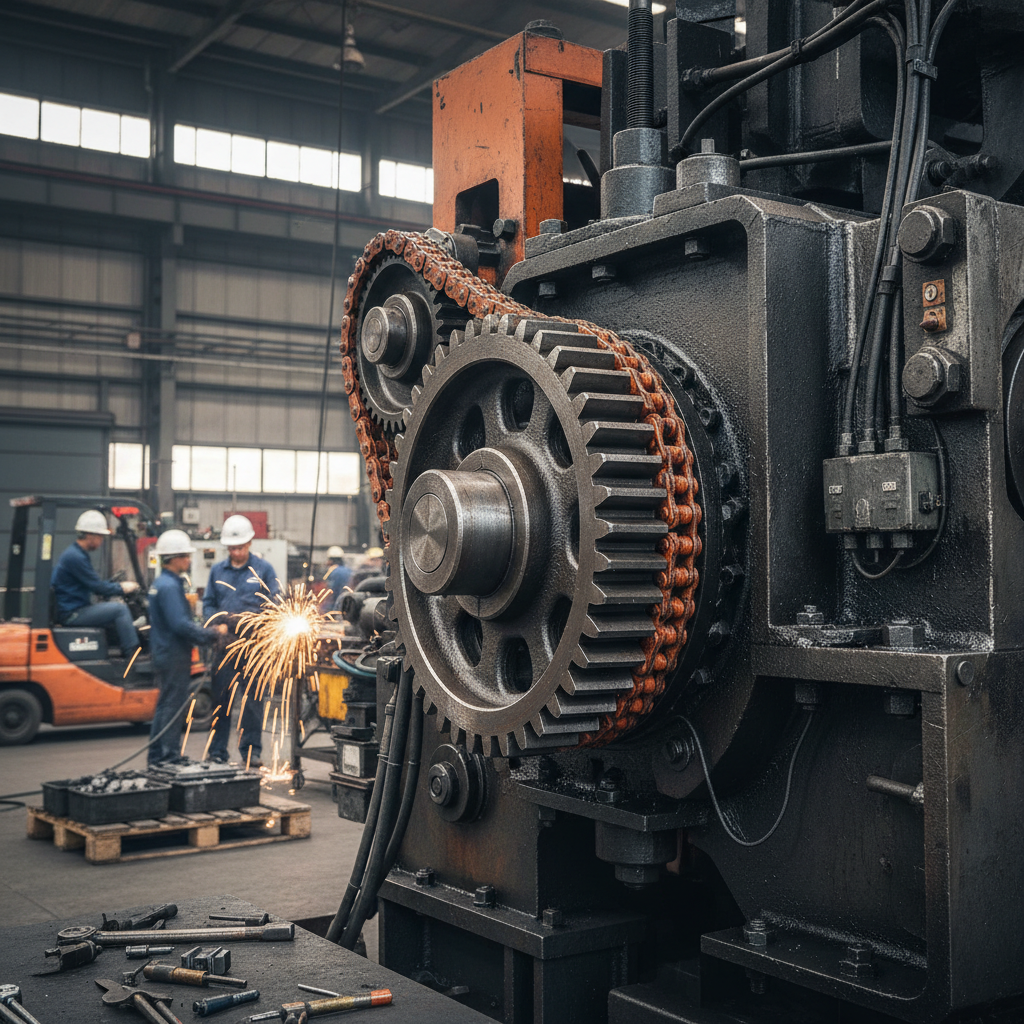
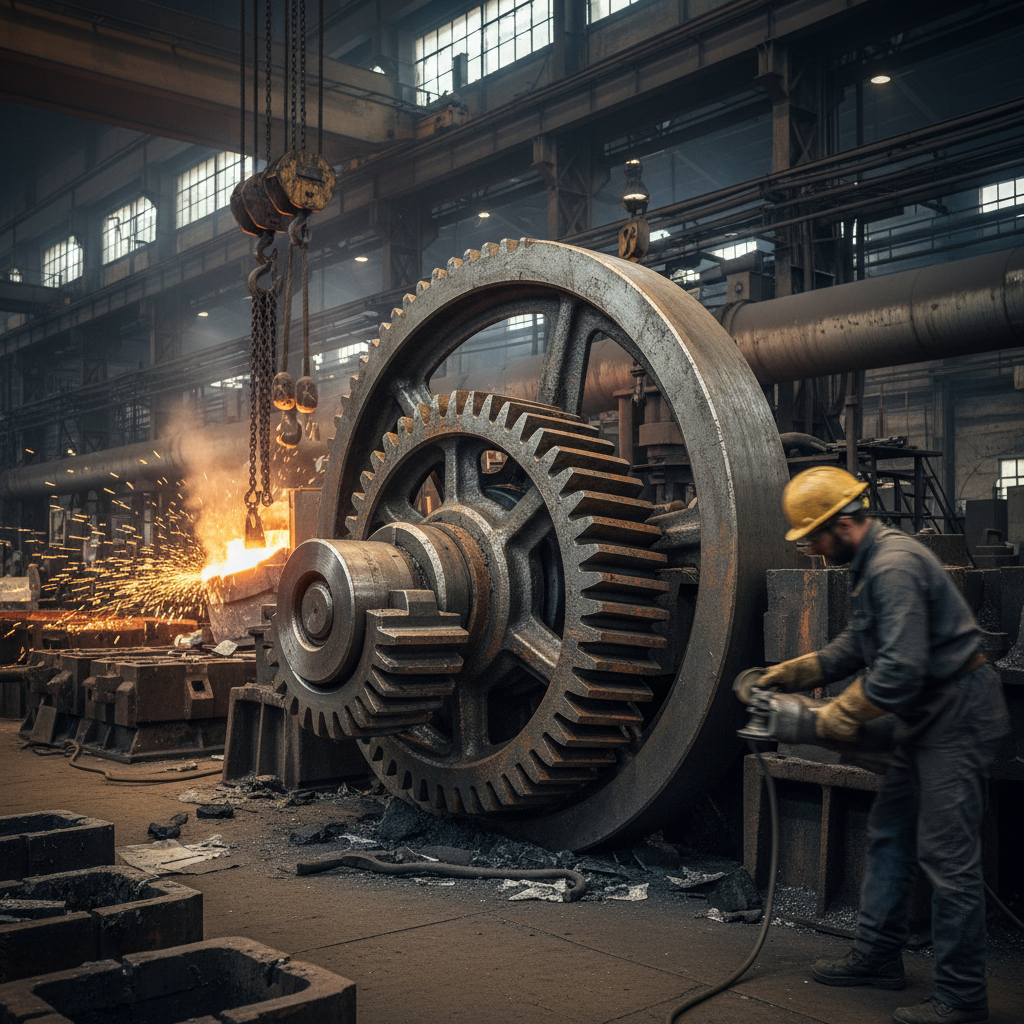
While EVs have fewer moving parts than internal combustion engines, they still need gears, bushings, and bearing housings.
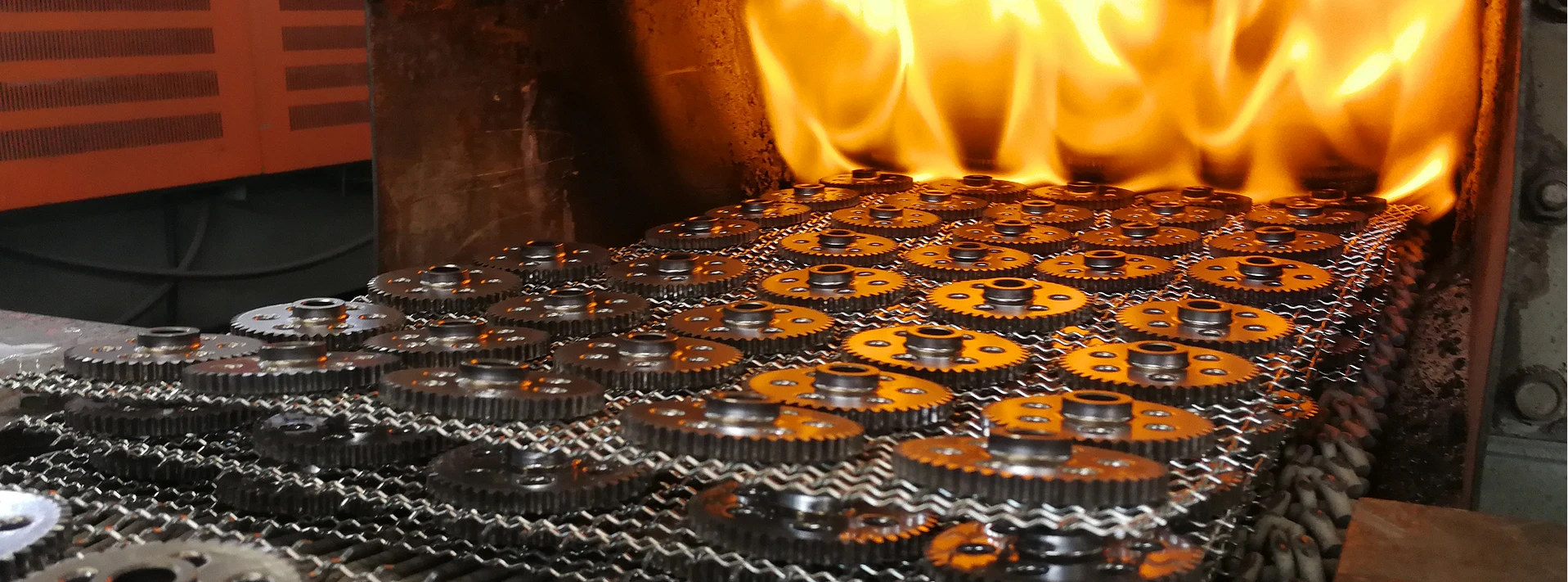
PM is ideal for producing strong, wear-resistant components like:
Planetary gears
Spline shafts
Synchronizer hubs
5,Battery Pack & Assembly Hardware
PM is used to make connectors, terminal components, and housings that require precision and conductivity.
Materials like copper and nickel powders are used for electrical applications.
6,Cost Efficiency & Sustainability
PM processes often result in less material waste, supporting sustainability goals in EV production.
It also allows for mass production of complex parts at lower costs.