







Understanding Ring Gears: A Comprehensive Guide
Ring gears are a critical component in various mechanical systems, most notably in differentials and gearboxes. They play a vital role in transmitting torque and altering speed. This article will delve into the function, applications, materials, manufacturing processes, and key considerations when selecting a ring gear. A thorough understanding of ring gears is essential for engineers, mechanics, and anyone involved in the design and maintenance of mechanical systems.
The Function of a Ring Gear
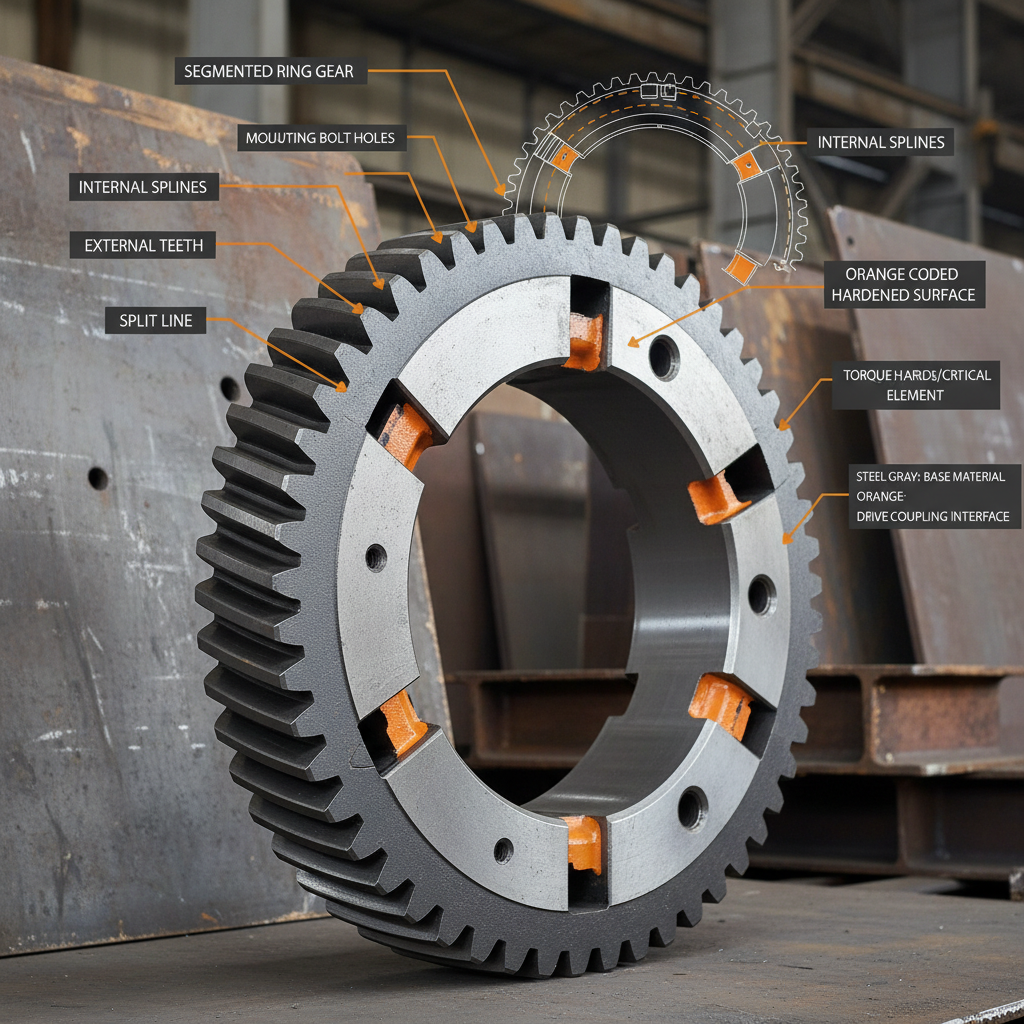
At its core, a ring gear is a cylindrical gear with inwardly cut teeth. It typically meshes with a pinion gear, which is a smaller gear mounted on a rotating shaft. This interaction is fundamental to how power is transferred. The ring gear's larger diameter relative to the pinion gear results in a gear reduction, increasing torque while decreasing speed. This is particularly crucial in applications like vehicle axles, where high torque is needed to overcome resistance and propel the vehicle. The precise tooth profile and material selection significantly impact the efficiency and durability of the system.
Key Function Highlights: Torque multiplication, speed reduction, power transmission within a mechanical system. The ring gear’s precision directly impacts the performance and lifespan of the entire assembly.
Applications of Ring Gears
Ring gears find widespread use across numerous industries. The automotive industry relies heavily on them in differentials, enabling vehicles to turn corners smoothly by allowing wheels to rotate at different speeds. In industrial gearboxes, ring gears facilitate precise speed control and torque transmission in machinery. Wind turbines utilize large ring gears to convert the slow rotational speed of the blades into a faster speed suitable for electricity generation. Furthermore, they're found in robotic systems, agricultural equipment, and various other mechanical applications requiring reliable power transfer. The specific design and material requirements vary depending on the demands of the application.
Common Application Areas:
• Automotive Differentials
• Industrial Gearboxes
• Wind Turbines
• Robotics & Automation
Ring Gear Materials: Choosing the Right One
The selection of material for a ring gear is critical for its performance and longevity. Commonly used materials include alloy steels (such as 4140, 8620), stainless steels, and in some applications, cast iron. Alloy steels offer excellent strength, toughness, and wear resistance, making them suitable for high-torque applications. Stainless steels provide corrosion resistance, ideal for environments exposed to moisture or chemicals. Cast iron is a more cost-effective option for less demanding applications. The choice depends on factors like load capacity, operating temperature, corrosion resistance requirements, and budget constraints. JSSintering specializes in the production of high-performance ring gears using advanced materials.
Manufacturing Processes for Ring Gears
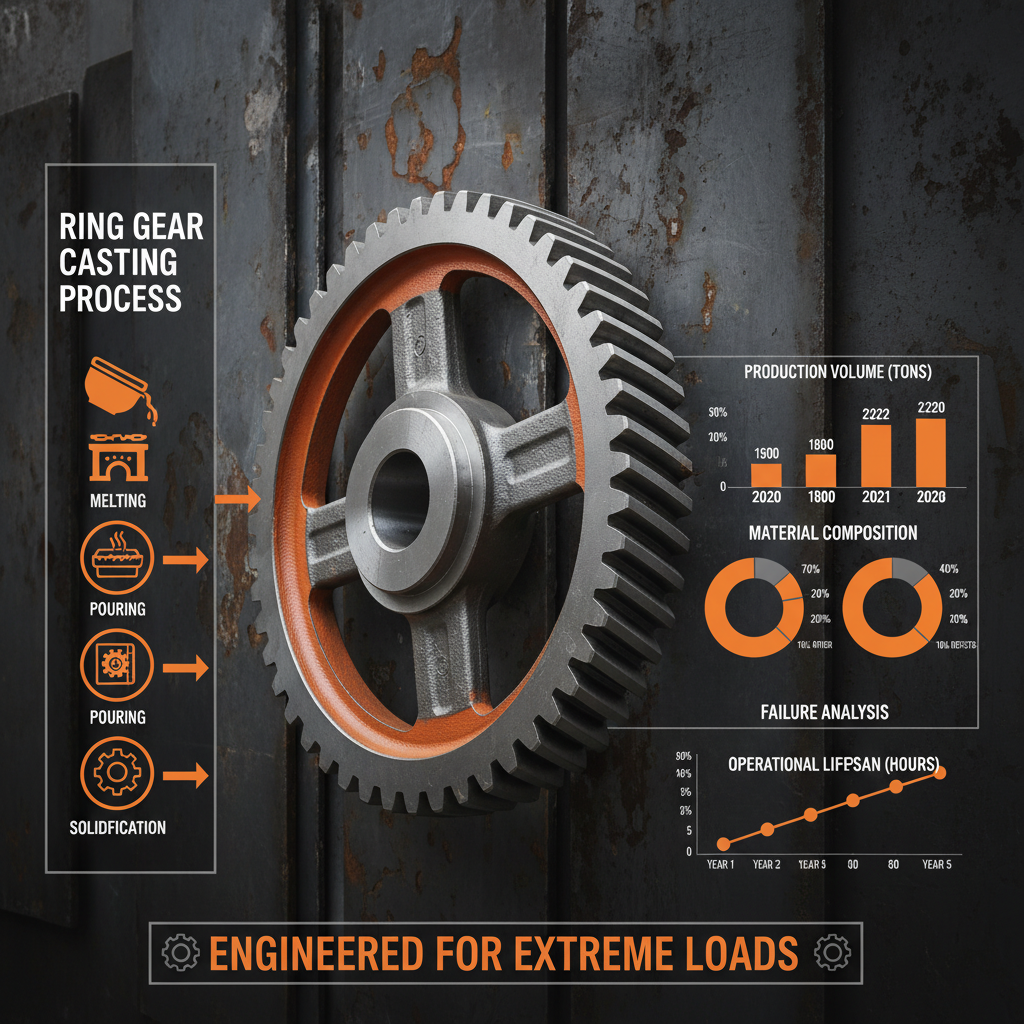
Several manufacturing processes are used to create ring gears, each with its own advantages and disadvantages. Gear hobbing is a common method, using a rotating cutter to progressively create the teeth. Gear shaping employs a rotating cutting tool to remove material and form the teeth. Powder metallurgy (PM) is increasingly popular, especially for complex geometries and high-volume production. PM involves compacting metal powders into the desired shape and then sintering them at high temperatures. JSSintering utilizes advanced PM techniques to produce high-precision ring gears with excellent material properties.
Key Considerations When Selecting a Ring Gear
Selecting the right ring gear requires careful consideration of several factors. The load capacity, operating speed, and environmental conditions are all crucial. The tooth profile (e.g., helical, spur) impacts noise levels and load-sharing characteristics. Precision and surface finish are essential for smooth operation and reduced wear. Finally, ensure the ring gear is compatible with the mating pinion gear. Partnering with a reputable manufacturer like JSSintering can provide expert guidance and ensure you receive a ring gear tailored to your specific needs.
Conclusion: Optimizing Performance with the Right Ring Gear
The ring gear is a fundamental component in numerous mechanical systems. Choosing the correct material, manufacturing process, and design is critical for optimal performance, durability, and reliability. By understanding the key considerations outlined in this article, you can make informed decisions and ensure your system operates efficiently and effectively.
Frequently Asked Questions (FAQs)
What is the difference between a helical and a spur ring gear?
Helical ring gears have angled teeth, resulting in smoother and quieter operation compared to spur gears, which have straight teeth. The angled teeth of helical gears provide greater contact area and distribute the load more evenly, leading to increased load capacity and reduced noise. However, helical gears generate axial thrust forces that need to be accounted for in the system design. Spur gears are simpler and more cost-effective, but generally produce more noise and have lower load capacity.
How does heat treatment affect the performance of a ring gear?
Heat treatment, such as hardening and tempering, significantly enhances the performance of a ring gear. Hardening increases the surface hardness, improving wear resistance and load-carrying capacity. Tempering reduces brittleness and increases toughness, preventing premature failure. Proper heat treatment is essential for achieving the desired balance between hardness, strength, and ductility, optimizing the ring gear's performance and lifespan.
What are the advantages of using powder metallurgy for ring gear production?
Powder metallurgy (PM) offers several advantages for ring gear production, including net-shape forming (reducing machining requirements), the ability to create complex geometries, and precise control over material composition. PM can also produce ring gears with tailored mechanical properties and reduced material waste. This process is particularly advantageous for high-volume production runs and intricate designs. JSSintering leverages the benefits of PM to deliver high-quality ring gears.
How can I determine the correct ring gear ratio for my application?
Determining the correct ring gear ratio depends on the specific requirements of your application. Consider the desired output speed, required torque, and the speed of the input source. A higher gear ratio provides greater torque multiplication but reduces output speed, while a lower gear ratio increases output speed but reduces torque. Careful calculations and consideration of the system's overall performance goals are essential for selecting the optimal ratio. Consulting with an experienced engineer or gear specialist can be beneficial.









