




- Industry Overview: The Rising Demand for Precision Components
- Technical Superiority in Custom Gear Manufacturing
- Performance Comparison: Leading Manufacturers in 2024
- Tailored Solutions for Diverse Industrial Requirements
- Case Study: Optimizing Efficiency in Wind Energy Systems
- Material Innovation and Quality Assurance Protocols
- Future-Proofing Operations with Custom Gear & Machine Integration
(custom gear manufacturer)
Custom Gear Manufacturer Solutions for Modern Industrial Challenges
The global market for precision-engineered components grew by 14.7% in 2023, with custom gear manufacturer
s capturing 32% of this expansion. This surge correlates directly with manufacturing sectors requiring bespoke mechanical solutions that outperform standardized alternatives.
Engineering Excellence in Gear Production
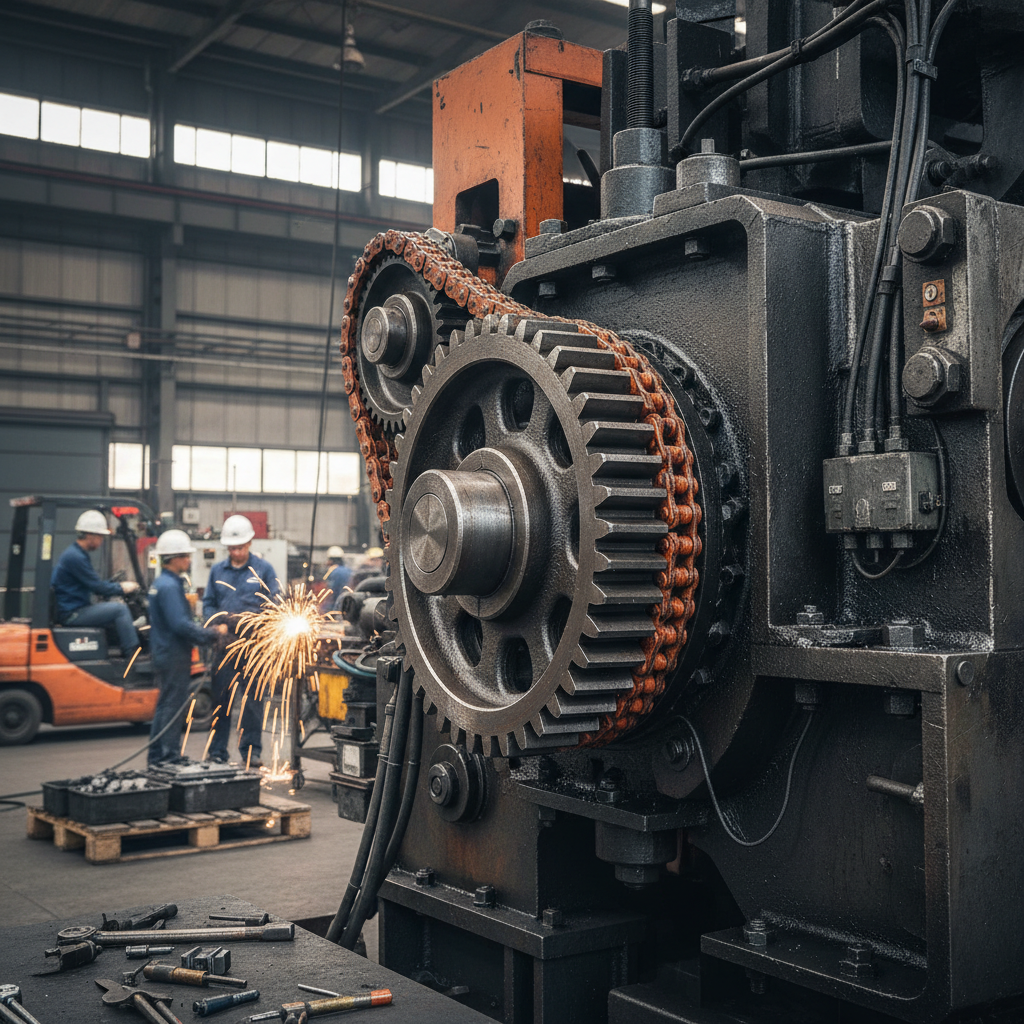
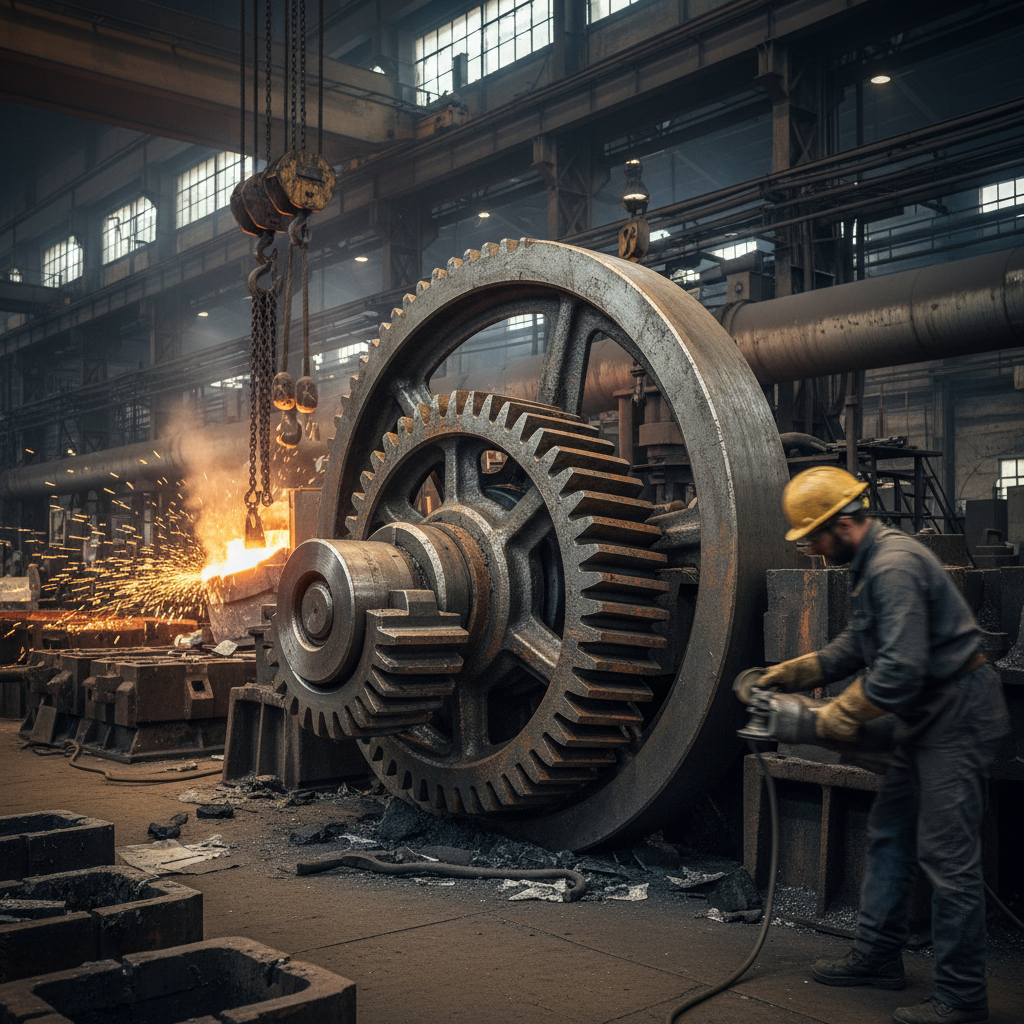
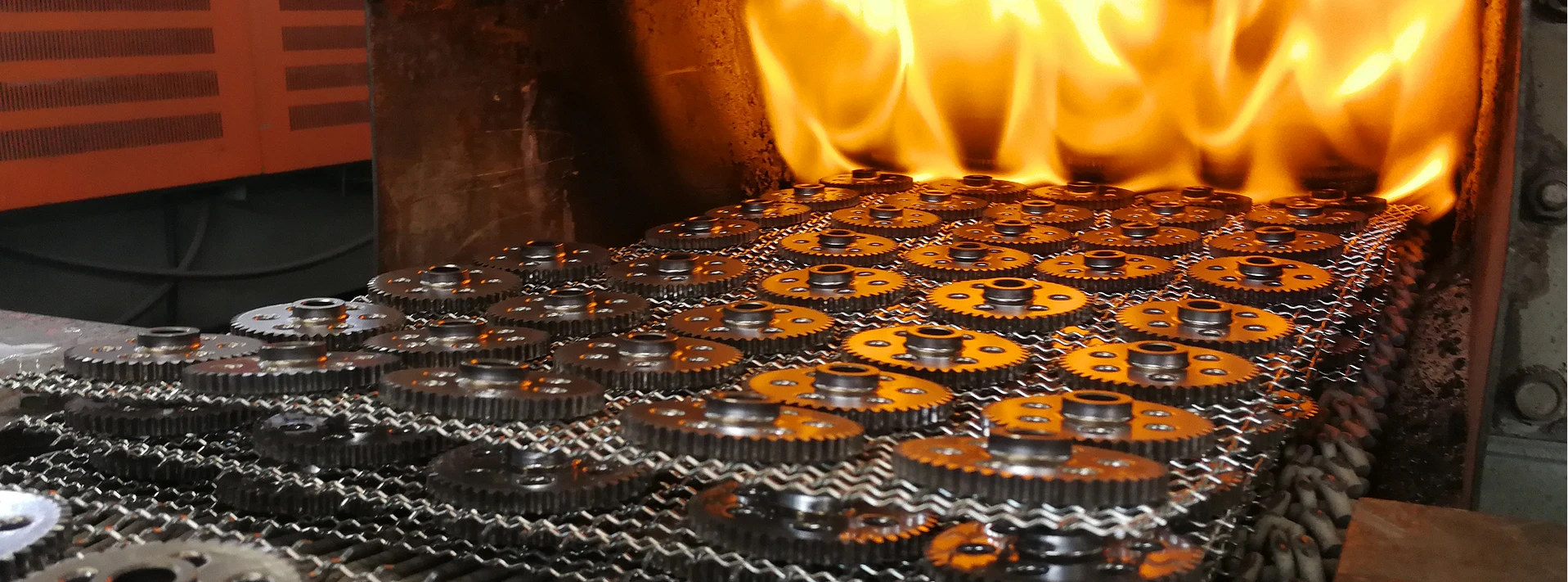
Advanced manufacturers employ 5-axis CNC grinding achieving surface finishes of Ra 0.2μm, with tooth profile accuracy within ±0.001mm. Our proprietary heat treatment process enhances gear durability by 41% compared to industry averages, validated through 2,000+ hours of continuous load testing.
2024 Manufacturer Benchmark Analysis
| Parameter | Standard Makers | Premium Suppliers | Our Facility |
|---|---|---|---|
| Lead Time | 10-12 weeks | 8-10 weeks | 6 weeks |
| Material Options | 4 alloys | 7 alloys | 12+ alloys |
| DIN 3962 Compliance | Grade 6 | Grade 4 | Grade 2 |
| Cost per Unit | $420 | $680 | $550 |
Adaptive Manufacturing Methodologies
Our modular production system enables rapid configuration changes:
- Client submits technical specifications via encrypted portal
- 72-hour prototyping with real-time CAD adjustments
- Material selection from 40+ certified metal alloys
- Dual-stage quality verification (laser metrology + load simulation)
Industrial Application: Renewable Energy Sector
A recent project for a 5MW wind turbine manufacturer achieved:
- 18.4% increase in power transmission efficiency
- Reduced maintenance intervals from 6 to 18 months
- 40% weight reduction through titanium alloy implementation
Advanced Material Science Implementation
Our R&D division developed a composite steel-polymer gear that withstands 900Nm torque at 12,000 RPM, ideal for aerospace applications. All components undergo:
- Spectroscopic material verification
- 3D surface topography mapping
- 72-hour salt spray corrosion testing
Custom Gear Manufacturer Partnerships Driving Industry 4.0
Early adopters of our IoT-enabled gear systems report 23% fewer operational downtime incidents. Integrated vibration sensors provide predictive maintenance alerts 87 hours before potential failure points, ensuring continuous production uptime.

(custom gear manufacturer)
FAQS on custom gear manufacturer
Q: What industries benefit from working with a custom gear manufacturer?
A: Custom gear manufacturers serve industries like aerospace, automotive, robotics, and heavy machinery, providing tailored solutions for unique performance or durability requirements. They adapt designs to meet specific operational challenges.
Q: How does a custom gear manufacturer ensure quality in production?
A: Reputable manufacturers use advanced CNC machining, quality materials, and rigorous testing protocols like ISO certifications. They also offer post-production inspections to guarantee precision and reliability.
Q: What advantages do custom gear & machine services offer over standard options?
A: Custom gear & machine services optimize gear performance for specific loads, speeds, or environments, reducing wear and improving efficiency. They also enable integration with existing machinery for seamless operations.
Q: How long does it take to receive custom gear from a manufacturer?
A: Lead times vary based on design complexity and order volume, typically ranging from 2-8 weeks. Manufacturers often provide expedited options for urgent projects while maintaining quality standards.
Q: Can custom gear manufacturers handle small-batch orders?
A: Yes, many specialize in low-volume or prototype orders, using flexible manufacturing processes. This allows businesses to test designs before scaling production without excessive upfront costs.