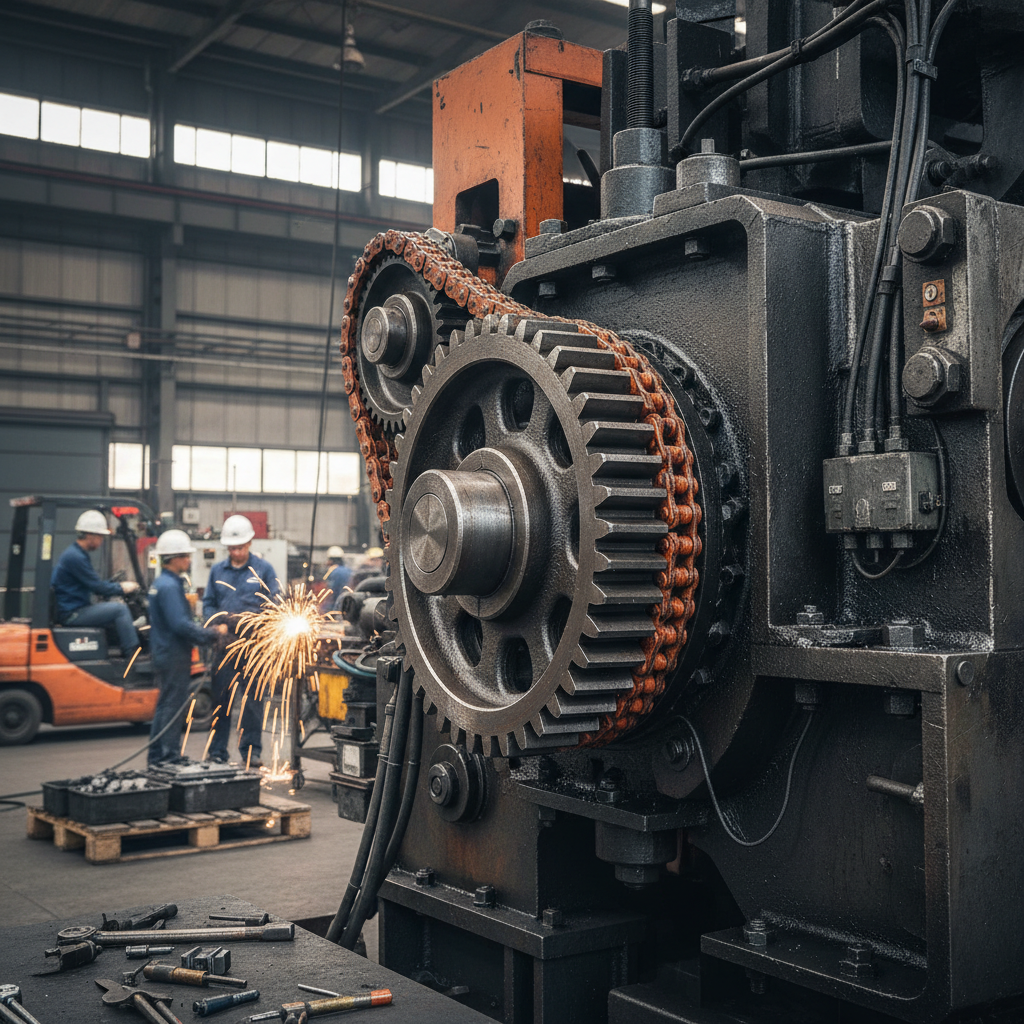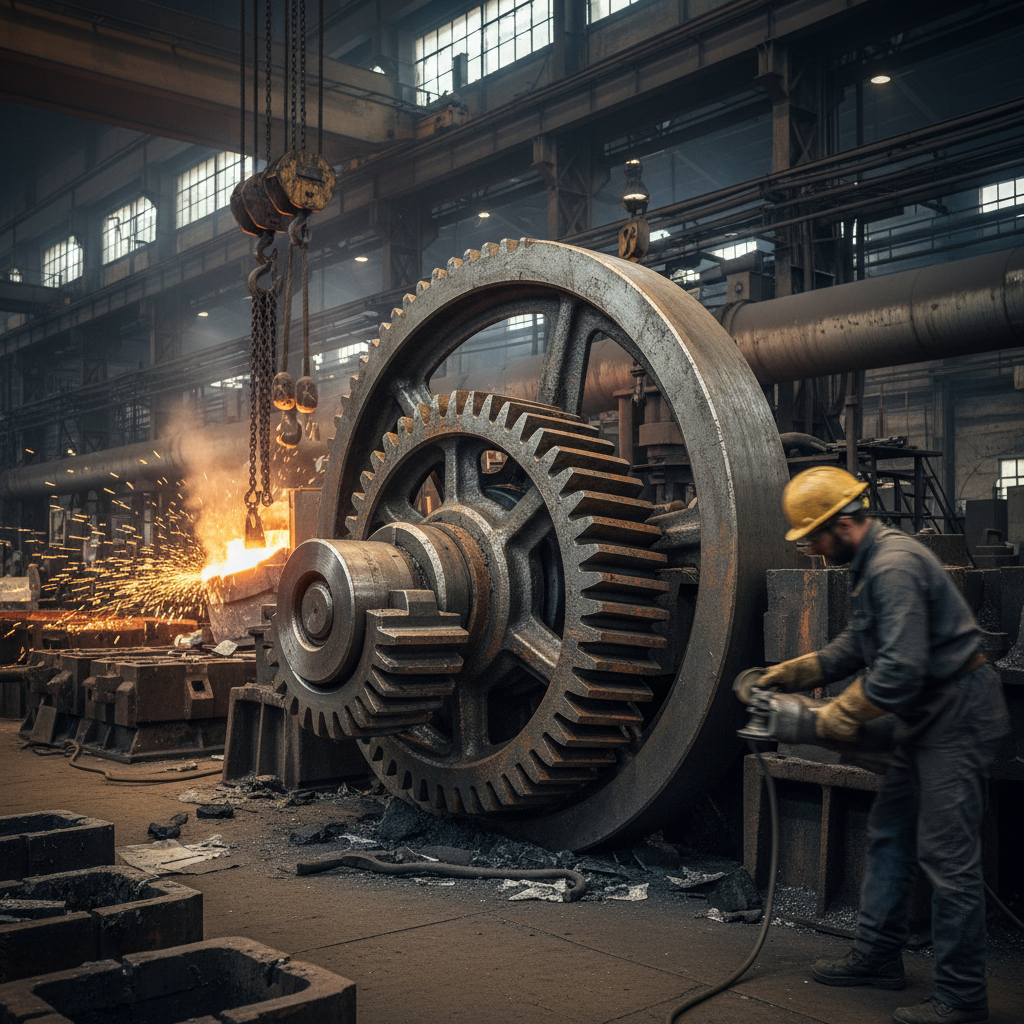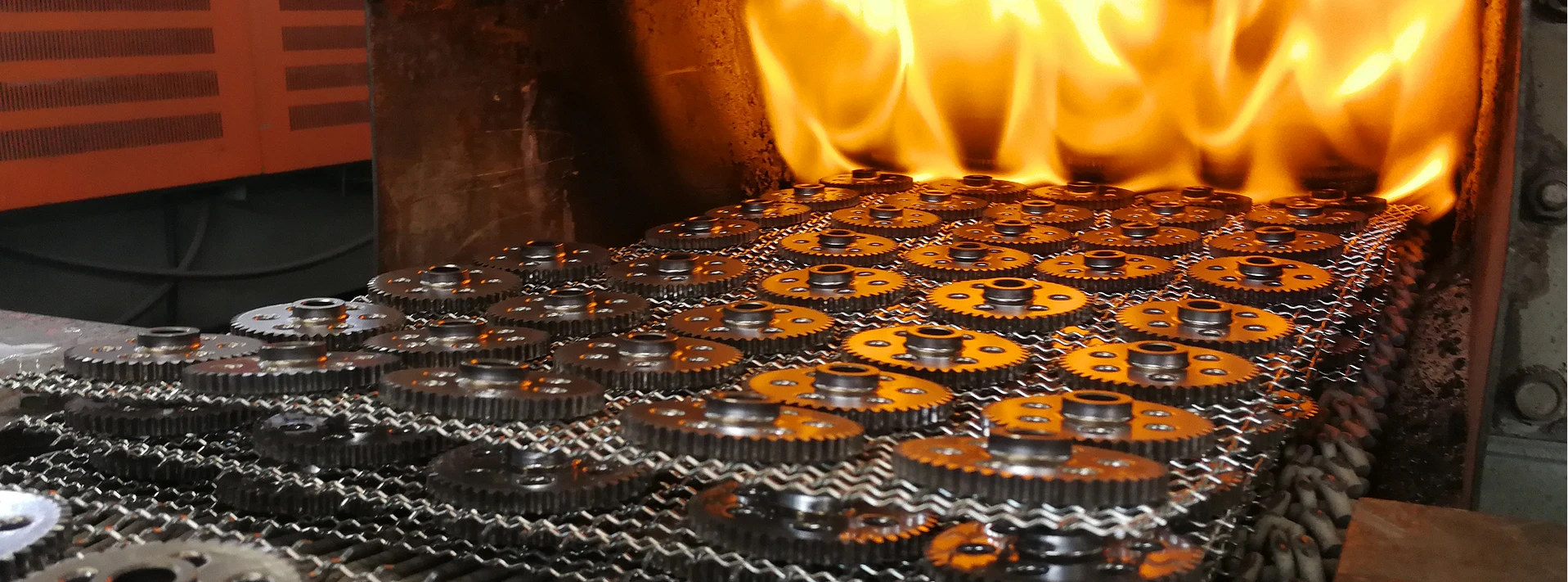
- Introduction to Gear Drive Mechanisms
- Technical Advantages Across Gear Systems
- Performance Comparison of Leading Manufacturers
- Custom Solutions for Industry-Specific Needs
- Real-World Applications and Case Studies
- Maintenance Considerations for Longevity
- Future Trends in Gear Drive Technology
(different types of gear drives)
Understanding Different Types of Gear Drives
Gear drives remain fundamental in mechanical power transmission, with global market projections reaching $280 billion by 2028 (CAGR 4.2%). The four primary gear drive categories – spur, helical, bevel, and worm – each deliver distinct operational characteristics. Spur gears dominate 38% of industrial applications due to their simplicity, while helical gears account for 29% of high-speed machinery implementations.
Technical Specifications and Operational Benefits
Modern gear systems achieve 98%+ efficiency through advanced manufacturing tolerances (±0.002mm). Key metrics include:
- Helical gears: 15-20% higher load capacity vs. spur gears
- Hypoid gears: 30% torque increase over standard spiral bevel designs
- Planetary systems: 3:1 space reduction compared to parallel shaft configurations
Manufacturer Capability Analysis
| Vendor | Gear Types | Max Torque (Nm) | Efficiency | Price Index |
|---|---|---|---|---|
| Brevini | Planetary, Cycloidal | 250,000 | 96.5% | 1.8x |
| SEW-Eurodrive | Helical, Bevel | 180,000 | 97.2% | 1.5x |
| Bonfiglioli | Worm, Parallel Shaft | 95,000 | 94.8% | 1.2x |
Customization Strategies for Vertical Markets
Mining operations require hardened gears (HRC 58-62) with 20% oversized teeth profiles. Food processing applications utilize electropolished stainless steel (Ra ≤0.4μm) with IP69K sealing. Recent automotive projects have implemented hybrid polymer-metal gears achieving 12dB noise reduction.
Implementation Case Studies
A cement plant retrofitted helical gear reducers in 2022, achieving:
- 17% energy consumption reduction
- Maintenance intervals extended from 6 to 18 months
- ROI realized in 14 months
Preventative Maintenance Protocols
Vibration analysis thresholds for industrial gears:
- Normal operation: ≤4.5 mm/s RMS
- Alert level: 4.5-7.1 mm/s
- Critical failure risk: ≥7.1 mm/s
Advancements in Gear Drive Systems
Emerging technologies like ISO 21771:2023-compliant micro-gearing enable 15% power density improvements. Surface hardening techniques such as low-temperature carburization increase pitting resistance by 40%. Digital twin simulations now predict gear lifespan within 5% accuracy across different gear drive configurations.
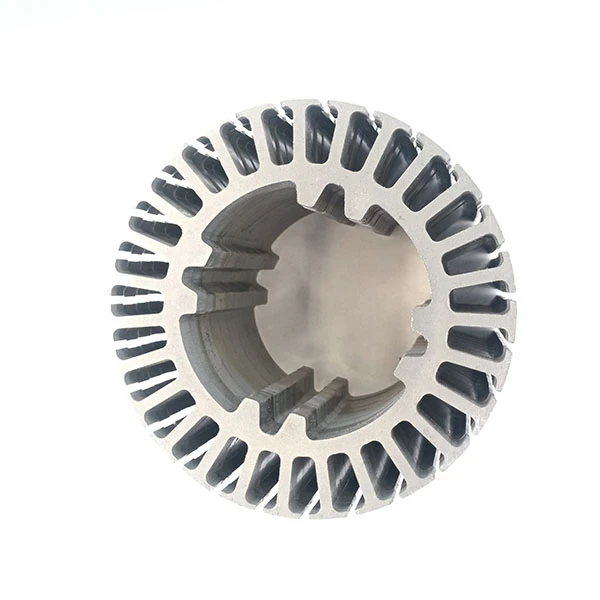
(different types of gear drives)
FAQS on different types of gear drives
Q: What are the common types of gear drives used in industrial applications?
A: Common gear drives include spur gears, helical gears, bevel gears, worm gears, and planetary gears. Spur gears are ideal for low-speed applications, while helical gears reduce noise in high-speed systems. Worm gears excel in heavy-load scenarios due to their high torque output.
Q: How do different types of gear teeth impact mechanical performance?
A: Gear teeth profiles like involute, cycloidal, and herringbone affect efficiency, noise, and load capacity. Involute teeth are widely used for their simplicity and smooth engagement, while herringbone teeth eliminate axial thrust in bidirectional systems. Cycloidal teeth are rare but suit high-impact applications.
Q: What distinguishes parallel, intersecting, and non-parallel gear systems?
A: Parallel systems use spur or helical gears on aligned shafts, intersecting systems employ bevel gears for angular power transfer, and non-parallel systems like worm gears operate on skewed axes. Each type addresses specific spatial and torque requirements in machinery.
Q: Which gear drive type is most efficient for noise-sensitive environments?
A: Helical gears are preferred in noise-sensitive settings due to their angled teeth, which enable gradual engagement and quieter operation. Planetary gears also reduce noise through load distribution across multiple teeth. Avoid spur gears here, as their straight teeth cause vibration.
Q: What are the advantages of hypoid gears compared to standard bevel gears?
A: Hypoid gears, a type of bevel gear, have offset axes for higher torque capacity and smoother motion in automotive differentials. They operate more quietly than straight bevel gears but require specialized lubrication due to sliding contact between teeth.