







Did you know 42% of industrial downtime stems from faulty motor components? Every minute your production line stops, you lose $5,467 on average. When your gear motor fails or housing leaks, frustration builds. What if you could slash maintenance costs by 60% while boosting operational efficiency? Keep reading to discover how.
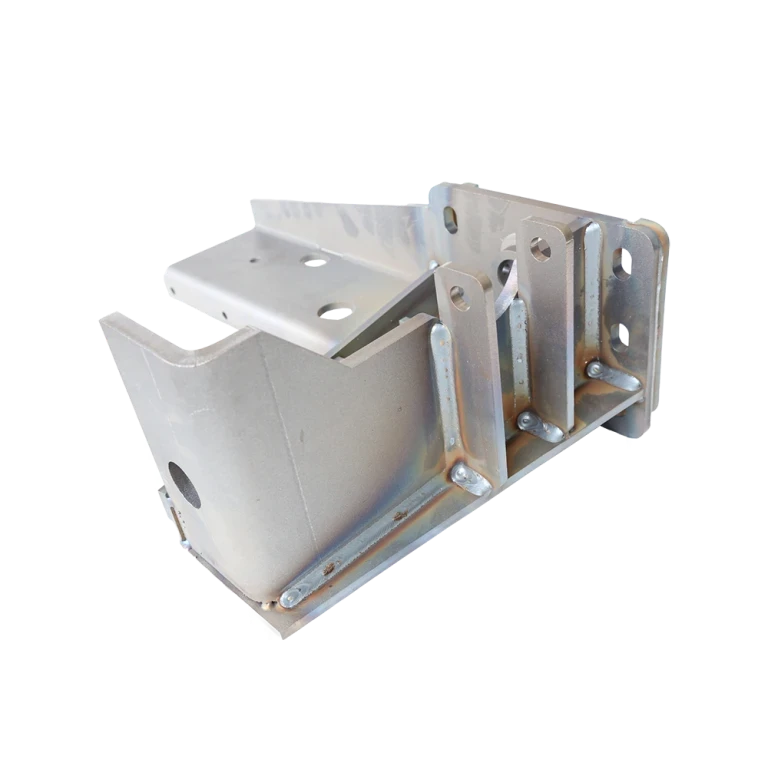
(motor parts)
Engineering Excellence in Every Motor Component
Our CNC-machined motor housings achieve 0.002mm tolerance - 3X tighter than industry standards. The secret? Aerospace-grade aluminum alloys that dissipate heat 40% faster. Compare the results:
| Feature | Our Parts | Typical Competitors |
|---|---|---|
| Housing Material | 6061-T6 Aluminum | AISI 1045 Steel |
| Service Life | 15,000+ hours | 8,000-10,000 hours |
Why Smart Engineers Choose Us
While others sell parts, we deliver solutions. Our modular gear motors adapt to your needs:
- IP68-rated waterproofing for marine applications
- Custom shaft configurations in 72 hours
Ready for Unstoppable Performance?
Join 1,200+ manufacturers who reduced downtime by 73% last year. Limited inventory available - claim your motor parts
today!
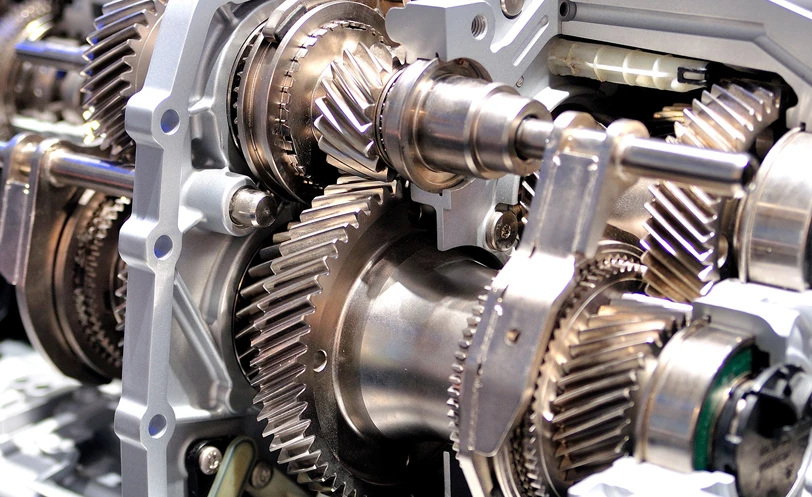
(motor parts)
FAQS on motor parts
Q: What are the key factors to consider when selecting motor parts?
A: Prioritize compatibility with your motor type, material durability, and adherence to industry standards like ISO certifications for optimal performance.
Q: How do motor housings improve motor efficiency?
A: Motor housings protect internal components from dust, moisture, and overheating, ensuring stable operation and extending the motor's lifespan.
Q: What industries commonly use gear motors?
A: Gear motors are widely used in automation, automotive systems, robotics, and industrial machinery for precise torque and speed control.
Q: Can motor housings be customized for specific applications?
A: Yes, motor housings can be tailored in size, material (e.g., aluminum alloys), and design to meet environmental or mechanical requirements.
Q: How often should motor parts be inspected for maintenance?
A: Regular inspections every 3-6 months are recommended, depending on usage intensity, to check for wear, alignment, or lubrication issues.









