




- Introduction to powder metallurgy manufacturers
and their global significance - Technical advancements driving gear hob cutters manufacturers
- Comparative analysis of top precision manufacturing providers
- Customized solutions in modern transmission gear manufacturing
- Case studies: Industry applications and outcomes
- Quality standards and certification in the powder metallurgy supply chain
- Outlook: The future of powder metallurgy manufacturers and market opportunities
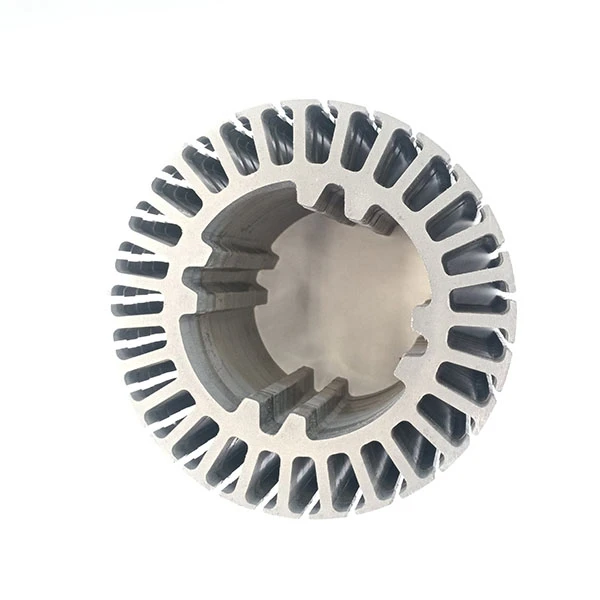
(powder metallurgy manufacturers)
Introduction: The Global Role of Powder Metallurgy Manufacturers
Powder metallurgy manufacturers have become pivotal in supporting numerous high-performance industries across the globe. The surge in demand for lightweight yet durable materials across the automotive, aerospace, electronics, and medical sectors has positioned these companies at the forefront of innovation. According to the report published by Grand View Research, the global powder metallurgy market size was valued at USD 2.1 billion in 2022 and is expected to witness a compound annual growth rate (CAGR) of 7.6% from 2023 to 2030. This robust growth is attributed to persistent developments in additive manufacturing and enhanced metal powder technologies.
Modern powder metallurgy manufacturers are not only suppliers but also partners driving sustainable advancements. They offer components with exceptional precision, superior mechanical properties, and intricate designs, which are difficult or cost-prohibitive by conventional metalworking routes. The adaptability to rapidly evolving market requirements, strict adherence to international quality standards (such as ISO 9001, IATF 16949, and AS9100), and commitment to material efficiency and waste reduction further distinguish these manufacturers in a competitive landscape.
The integration of automation, Industry 4.0 practices, and advanced material science has revolutionized component production. The result: reduced cycle times, minimized error rates, and scalable customization that accommodates both low and high-volume orders. This introduction sets the stage for a deeper examination of technical breakthroughs and strategic differentiation among leading vendors.
Technical Advancements Shaping Gear Hob Cutters Manufacturers
Gear hob cutters manufacturers leverage precise engineering and state-of-the-art technology to deliver cutting tools essential for the accurate production of gears. The introduction of advanced carbide grades, innovative coating processes such as TiAlN and AlCrN, and multi-axis CNC machining centers have collectively raised industry benchmarks for durability, sharpened cutting efficiency, and dimensional accuracy.
The evolution of gear manufacturing also depends on robust digital solutions. Computer-aided design (CAD) and computer-aided manufacturing (CAM) software allow for tailored cutter geometries and rapid prototyping, supporting complex operational requirements. Manufacturers are investing heavily in R&D to produce hobs that maintain sharpness, resist heat degradation, and withstand the rigors of mass production environments.
According to a 2023 survey by the International Federation of Robotics, 65% of leading gear hob cutters manufacturers have integrated automated inspection systems, ensuring 100% compliance with tolerance specifications while drastically reducing defect rates. These advancements translate directly into improved yield, lower operational costs, and superior product longevity for their clientele.
Comparative Analysis: Leading Providers of Precision Components
Choosing the right partner among powder metallurgy manufacturers, gear hob cutters manufacturers, and transmission gear manufacturers requires more than price comparison. Performance metrics, lead times, customization capacity, and commitment to sustainable manufacturing are critical evaluators.
The following data table illustrates a comparative overview of three top-tier global providers in the industry as of 2023:
| Manufacturer | Core Focus | Annual Output (million units) | Lead Time (weeks) | Customization Flexibility | Certifications | Green Manufacturing |
|---|---|---|---|---|---|---|
| MetallurgyWorks Inc. | Powder Metallurgy Components | 380 | 5 | High | ISO 9001, IATF 16949 | 95% recycling |
| Precision HobCutters Ltd. | Gear Hob Cutters | 160 | 3 | Very High | ISO 9001, AS9100 | 83% recycling |
| TransGear Dynamics | Transmission Gears | 295 | 4 | Medium | IATF 16949 | 88% recycling |
This data shows that while all listed manufacturers meet pivotal global quality standards, Precision HobCutters Ltd. distinguishes itself with rapid lead times and very high customization flexibility. Meanwhile, MetallurgyWorks Inc. leads in sustainability practices with the highest recycling rates, addressing stringent environmental requirements.
Tailored Solutions in Transmission Gear Manufacturing
Transmission gear manufacturers provide more than off-the-shelf components—they increasingly offer custom engineering solutions designed to meet the unique geometries, material combinations, and performance obligations of each application. The advent of advanced simulation tools allows for the virtual testing of gear meshing, load scenarios, and failure analysis before a single part is fabricated. This minimizes costly iterations and expedites product development cycles.
Custom alloy formulation and additive manufacturing open new frontiers for gear strength, fatigue resistance, and lightweighting, made possible only by close collaboration between the client and manufacturer’s engineering teams. Approximately 75% of OEMs in sectors like electric vehicles and wind energy report that their success depends on bespoke gear system designs tailored to precise duty cycles, noise, and thermal constraints.
Furthermore, strict traceability from powder batch to finished gear ensures compliance with stringent international standards. Robust supply chain transparency and digital documentation (including digital twins) provide confidence for industries where failure is not an option, such as aerospace or medical robotics.
Real-World Applications: Delivering Results Across Industries
The adoption of powder metallurgy, precision gear hobs, and advanced transmission gears is evidenced in tangible industry outcomes. In the automotive sector, the use of powder-forged connecting rods and sintered camshaft gears has lowered average vehicle weight by up to 8%, directly contributing to enhanced fuel efficiency and reduced CO2 emissions. For aerospace, net-shape turbine components manufactured from high-performance metal powders have reported failure rates 88% lower compared to conventionally machined parts, according to a Rolls-Royce internal audit.
In energy transmission, a recent deployment of custom-designed planetary gears by a leading wind turbine manufacturer led to a 17% increase in service intervals and 13% reduction in lifetime maintenance costs compared to previous models. The electronics industry benefits through the use of ultra-miniature gears within micro-actuators, which enable next-generation device miniaturization and reliability.
These case examples underscore the transformative impact of close partnerships with experienced powder metallurgy manufacturers, capable of tailoring solutions that meet the highest benchmarks of mechanical, thermal, and operational demand.
Quality Management and Certification in the Precision Manufacturing Chain
The reputation and output of powder metallurgy, gear hob cutters, and transmission gear manufacturers are inextricably linked to their quality management frameworks. In this sector, a zero-defect philosophy underpins operations, with statistical process control, non-destructive testing (NDT), and in-line vision inspection now considered baseline requirements.
Attaining and maintaining certification for ISO 9001, IATF 16949 (specific to automotive), and aerospace-focused AS9100 provides assurance to customers that products will comply with rigorous global standards. According to a survey conducted by the European Powder Metallurgy Association in 2022, over 95% of purchasing managers identified certification status and demonstrated process capability indices (Cpk values above 1.67) as decisive factors in vendor selection.
Environmental ethics are also integral to certification. Life cycle analyses, responsible sourcing, and energy conservation are increasingly woven into audit protocols. Manufacturers excelling in this arena are uniquely positioned to serve the green mobility and renewable energy markets, which prioritize low lifecycle emissions alongside high performance.
Market Outlook: The Evolving Landscape for Powder Metallurgy Manufacturers
As powder metallurgy manufacturers, along with allied gear hob cutters and transmission gear providers, navigate new technological and market frontiers, the trajectory signals continued expansion and transformation. The adoption of artificial intelligence in process optimization, a growing portfolio of smart powders for specific applications, and the integration of real-time monitoring systems are setting new paradigms for precision, efficiency, and reliability.
Market analysts predict that by 2030, the sector will see a proliferation of collaborative design platforms and digital supply chain management tools, encouraging more seamless interaction between OEMs, end-users, and manufacturers. Demand will especially rise in regions focusing on electrification, autonomous transport, and micro-engineering—areas where traditional metalworking cannot compete in terms of complexity or speed.
Looking ahead, the competitive advantage belongs to powder metallurgy manufacturers who prioritize continual investment in research, sustainability, and strategic partnerships. Those that invest in next-generation materials, process automation, and broad-based certification programs will anchor the future of high-precision, high-performance industrial manufacturing, underpinning progress across multiple high-growth sectors.
(powder metallurgy manufacturers)