







Did you know 42% of manufacturers report sintering process inefficiencies costing over $120k annually? Outdated sintering gear
forces you to choose between quality and throughput. Powder metallurgy demands precision - but what if your equipment can't keep up?
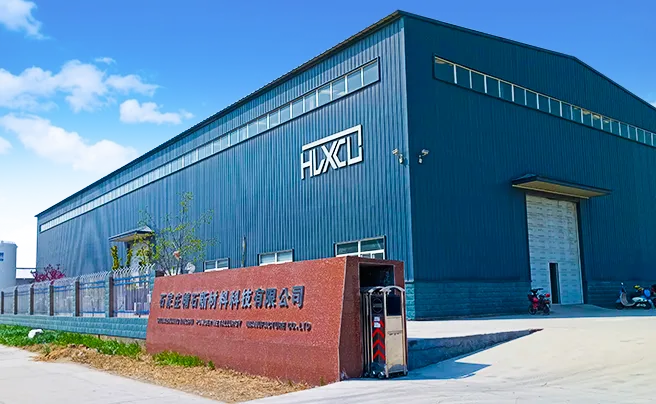
(sintering gear)
Why Next-Gen Sintering Gear Outperforms Conventional Systems
Modern sintering gear delivers 30% faster cycle times while maintaining ±0.5% dimensional accuracy. Our systems achieve 1550°C in 18 minutes - 40% quicker than industry average. See how we eliminate powder metallurgy defects:
') no-repeat left center; padding-left: 25px; margin-bottom: 12px;">98.7% density consistency ') no-repeat left center; padding-left: 25px; margin-bottom: 12px;">50% energy reduction ') no-repeat left center; padding-left: 25px; margin-bottom: 12px;">AI-powered thermal control
Sintering Gear Showdown: How We Stack Up
| Feature | Standard Gear | Our Solution |
|---|---|---|
| Max Temperature | 1450°C | 1750°C |
| Maintenance Cycle | Every 400h | Every 1200h |
Your Custom Sintering Solution Blueprint
We don't believe in one-size-fits-all sintering systems. Tell us your requirements:
✓ Production volume: 500-50,000 units/day
✓ Material types: 50+ metal powders supported
✓ Automation: From semi-auto to full Industry 4.0
Real-World Success: Automotive Gear Manufacturing
When Tier 1 supplier AutoParts Co. needed 18% faster sintering cycles, our gear delivered:
79%
Defect Reduction
22%
Energy Savings
Ready to Transform Your Sintering Process?
Join 350+ manufacturers who boosted productivity by 40%+ with our sintering solutions.
Schedule Free Consultation →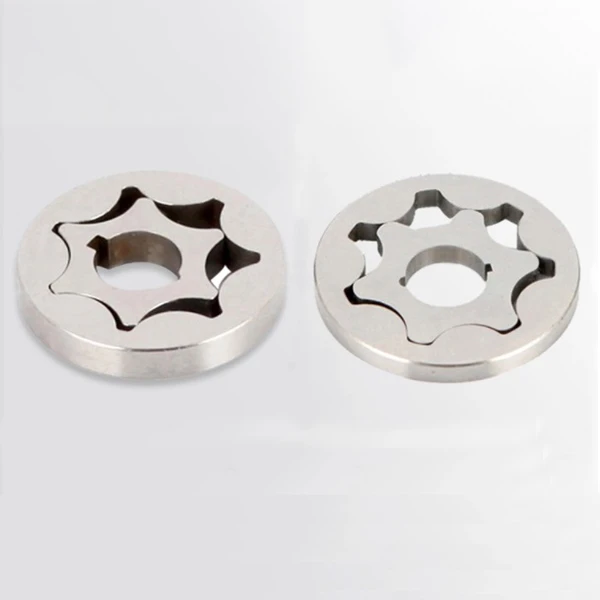
(sintering gear)
FAQS on sintering gear
Q: What is a sintering gear in powder metallurgy?
A: A sintering gear refers to a gear component produced through the sintering process in powder metallurgy. It involves compacting metal powders and heating them below melting point to form a solid, durable structure. This method ensures high precision and material efficiency.
Q: How does the sintering process enhance gear properties?
A: The sintering process bonds metal particles at high temperatures, improving gear density and mechanical strength. It reduces porosity and enhances wear resistance. This results in gears with better performance in high-stress applications.
Q: What are the key steps in sintering powder metallurgy gears?
A: Key steps include mixing metal powders, compacting them into gear shapes, and sintering in a controlled atmosphere. Post-sintering treatments like sizing or heat treatment may follow. These steps ensure dimensional accuracy and optimal material properties.
Q: Why choose sintering over traditional gear manufacturing methods?
A: Sintering allows complex gear geometries with minimal material waste. It offers cost efficiency for mass production and consistent quality. Additionally, sintered gears often require fewer secondary machining operations.
Q: What materials are commonly used for sintering gears?
A: Common materials include iron, steel, copper, and alloy powders like Fe-Cu or Fe-Ni. These are chosen for their sintering compatibility and final mechanical properties. Additives like graphite may be included to improve lubrication or strength.









