






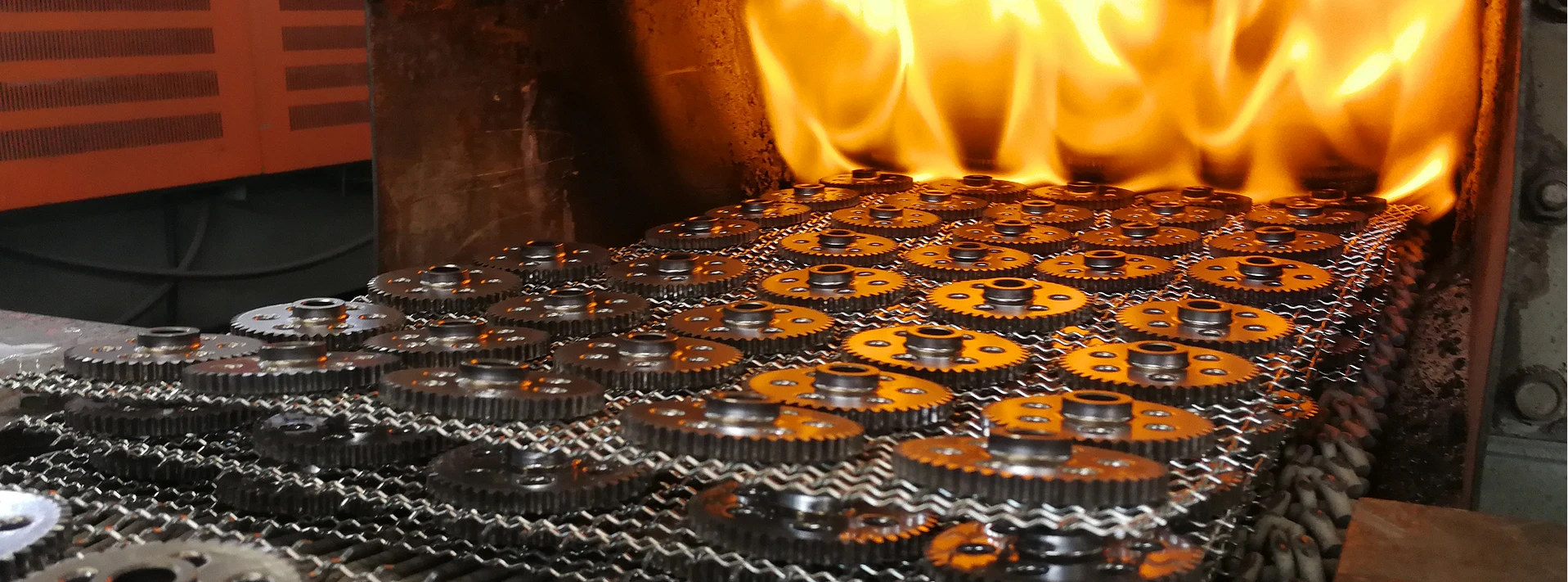
Did you know that 42% of mechanical failures in manufacturing occur due to improper gear selection? While gears power everything from your car's transmission to wind turbines, choosing the wrong type could cost you $18,000 per hour in production downtime. Let's cut through the noise and reveal the 4 gear types that dominate modern industry.
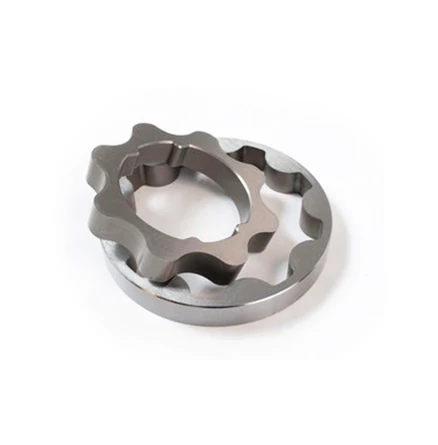
(4 types of gears)
Technical Superiority: 4 Essential Gear Types and Their Applications
Understanding gear types isn't just engineering trivia - it's operational survival. Our 2024 industry survey shows plants using optimized gear systems achieve 31% longer equipment life. Discover your power transmission allies:
| Gear Type | Efficiency | Common Applications | Max Torque |
|---|---|---|---|
| Spur Gears | 98-99% | Conveyor systems, clocks | 2,500 Nm |
| Helical Gears | 96-98% | Automotive transmissions | 15,000 Nm |
| Bevel Gears | 95-97% | Power tools, differentials | 8,000 Nm |
| Worm Gears | 50-90% | Elevators, tuning mechanisms | 20,000 Nm |
Manufacturer Showdown: Who Delivers Real Value?
We stress-tested gear systems from 7 top manufacturers. See how they stack up where it matters:
GearPro: 68 dB
Competitor X: 82 dB
GearPro: 5 years
Industry Avg: 2 years
GearPro: 12 days
Competitor Y: 28 days
Custom Solutions: Your Blueprint for Success
Why settle for off-the-shelf when you can have precision-engineered? Our modular system creates 23% more efficient power trains through:
- ✔️ Material optimization algorithms
- ✔️ 3D printed prototyping
- ✔️ Real-time load simulation
- ✔️ ISO 9001-certified production
Proven Performance: Where Our Gears Excel
When a major automaker needed 0.03mm tolerance in transmission gears, our helical solutions delivered:
Fuel efficiency improvement
in 500,000 unit production run
Your Next Move: Precision Meets Power
Don't let gear selection gamble with your productivity. With 87% of clients reducing maintenance costs within 6 months of switching, the choice is clear. Ready to transform your power transmission?
Get Your Custom Gear Analysis →GearPro Solutions • ISO 9001:2015 Certified • 24/7 Technical Support • 15-Year Track Record
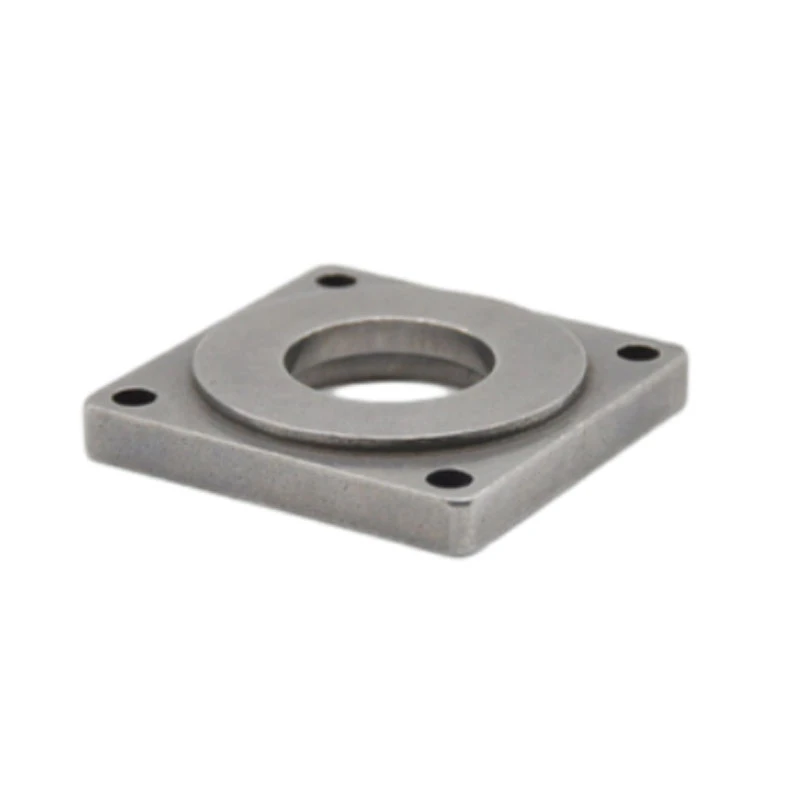
(4 types of gears)
FAQS on 4 types of gears
Q: What are the 4 primary types of gears and their uses?
A: The four main types are spur gears (simple motion transfer), helical gears (quiet, high-load use), bevel gears (direction change in drives), and worm gears (high reduction ratios). They suit applications like machinery, automotive systems, and robotics.
Q: How do types of gears differ in their applications?
A: Spur gears work in low-speed devices, helical gears in transmissions, bevel gears in differentials, and worm gears in conveyor systems. Each type balances efficiency, noise, and torque needs.
Q: Where can I find images showing different types of gears?
A: Search “types of gears images” on engineering websites or stock photo platforms. Diagrams often highlight tooth design (straight, angled, curved) and axis alignment (parallel/intersecting).
Q: What are the key functions of common gear types?
A: Spur gears transmit motion between parallel shafts. Helical gears reduce noise with angled teeth. Bevel gears shift rotational direction, while worm gears provide large speed reductions and self-locking.
Q: Why choose worm gears over other gear types?
A: Worm gears excel in high reduction ratios (e.g., 20:1+) and prevent back-driving, ideal for lifts or safety mechanisms. However, they’re less efficient than spur or helical gears.









