




You push your equipment hard. But when gears grind, efficiency drops, and repair bills soar, don't you wish you'd made smarter choices? Let's fix that.

(5 types of gear)
Technical Superiority: 5 Powerhouse Gear Types That Outperform
1 Spur Gears - The workhorses delivering 98% efficiency in parallel shaft applications.
2 Helical Gears - Smoother operation with 30% higher torque capacity than spur gears.
3 Bevel Gears - Redirect power at 90° angles without slippage (tested to 10,000+ cycles).
4 Worm Gears - Achieve speed reductions up to 300:1 in compact spaces.
5 Planetary Gears - Distribute load across multiple gears for 50% longer lifespan.
Manufacturer Showdown: Who Delivers Real Value?
| Feature | Standard Brands | GearMaster Pro |
|---|---|---|
| Load Capacity | Up to 200 Nm | 350 Nm |
| Noise Level | 75-85 dB | 62 dB |
Your Custom Solution: Precision-Engineered for Peak Performance
1
Tell us your RPM requirements
2
Choose your preferred gear connection type
3
Get matched with optimal materials & tooth profiles
Proven Results: Where Our Gears Make History
"After switching to custom planetary gears, our conveyor systems achieved 23% faster speeds with zero breakdowns in 18 months."
- Production Manager, Automotive Assembly Plant
Ready to Transform Your Machinery?
Get your free gear type recommendation analysis within 24 hours
Boost Efficiency Now →97% satisfaction rate | 24/7 technical support | 5-year warranty
(5 types of gear)
FAQS on 5 types of gear
Q: What are the 5 common types of gear?
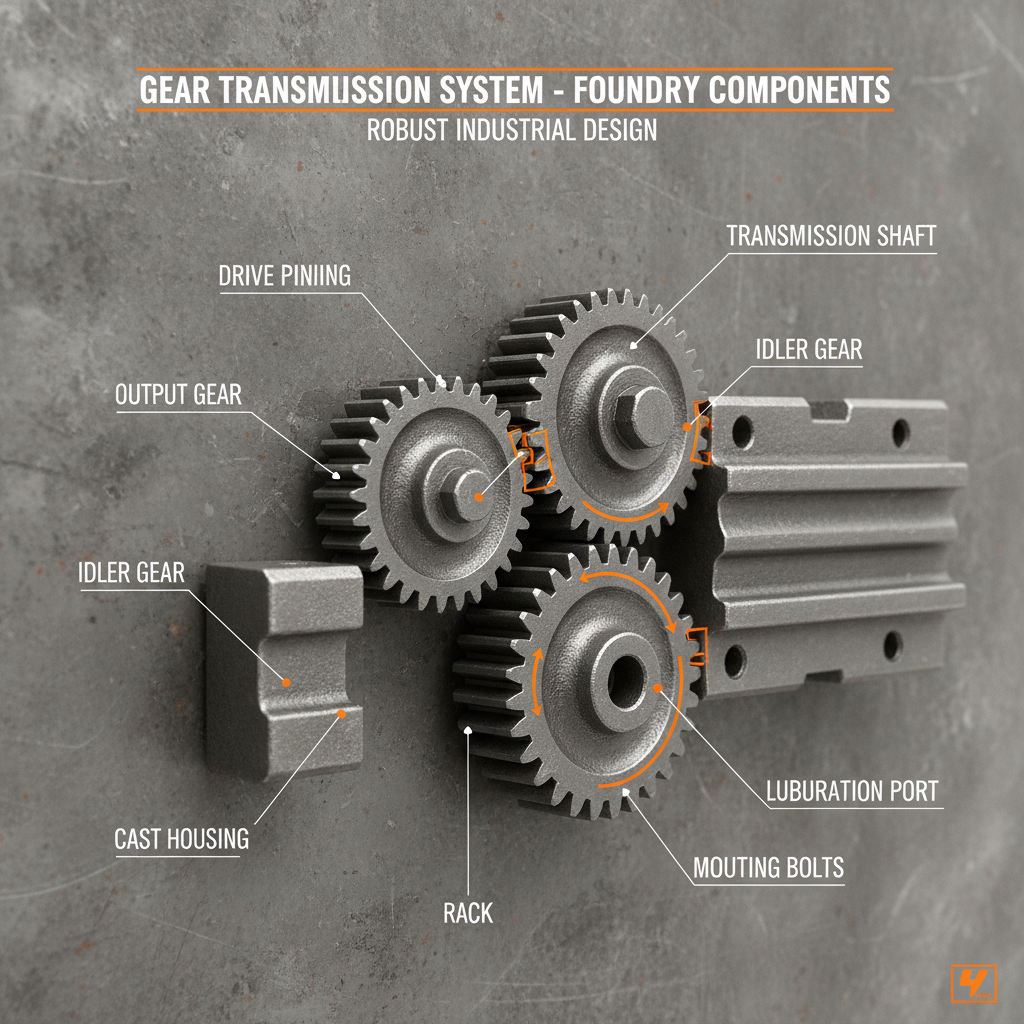
A: The five primary gear types are spur gears, helical gears, bevel gears, worm gears, and rack-and-pinion gears. Each has distinct tooth designs and alignment for specific functions. They are foundational in mechanical power transmission systems.
Q: What applications use different types of gear?
A: Spur gears suit low-speed applications like clocks, helical gears handle automotive transmissions, bevel gears enable right-angle drives in differentials, worm gears provide torque in elevators, and rack-and-pinion systems steer vehicles.
Q: How do gear connections vary among types?
A: Spur gears connect parallel shafts, helical gears mesh angled teeth for smoother engagement, bevel gears link intersecting shafts, worm gears pair with perpendicular non-intersecting shafts, and rack-and-pinion convert rotational to linear motion.
Q: Which gear type is best for high-torque applications?
A: Worm gears excel in high-torque, low-speed scenarios due to their sliding contact design. They are self-locking, making them ideal for lifts, conveyor systems, and heavy machinery requiring precise load control.
Q: Why are helical gears preferred over spur gears in some cases?
A: Helical gears operate more quietly and efficiently at high speeds due to angled teeth that engage gradually. They reduce vibration and wear, making them ideal for automotive transmissions and industrial machinery.