




6 Types of Gears: A Practical Guide from an Industry Insider
If you’ve ever dabbled in industrial machinery or mechanical design, you quickly realize that gears are the unsung heroes of motion control. In my 15+ years working in the industrial equipment sector, I’ve seen how choosing the right gear type can totally transform a project's performance—sometimes saving hours of downtime or thousands of dollars in wear and tear. So, here’s a straightforward look at six common types of gears you’re likely to bump into on the factory floor or in technical specs.
1. Spur Gears
Spur gears are probably the simplest kind you’ll encounter. They have straight teeth and are mounted on parallel shafts. Frankly, they’re the workhorses in many conveyor belts and gearboxes because of their straightforward design and efficiency at moderate speeds. I remember a time when a client swapped out worn spur gears for better grade steel and noticed a huge drop in noise—something you don’t always expect with this basic type.
2. Helical Gears
Helical gears, with their angled teeth, engage more gradually than spur gears, which cuts vibration and noise. This makes them ideal for high-speed applications—say, automotive transmissions or industrial mixers. A lot of engineers swear by helical gears for their balance of smooth operation and load capacity. Oddly enough, the angled teeth also produce axial thrust which requires careful bearing selection, so it’s a double-edged sword.
3. Bevel Gears
When shafts need to intersect, usually at 90 degrees, bevel gears jump in to save the day. They come in straight, spiral, and hypoid varieties, with spiral bevels offering quieter operation. I’ve worked on heavy-duty bevel gearboxes for paper mills, and the customization possibilities for tooth design here are pretty vast to suit torque or speed needs.
4. Worm Gears
Worm gears are fascinating—they consist of a screw-like worm that meshes with a worm wheel. These are great when you need a high reduction ratio in a compact space. Interestingly, they also offer a self-locking feature in some setups, preventing back-driving, which is handy for hoists or lifts. However, efficiency can suffer due to sliding contact, so material choice is key.
5. Rack and Pinion Gears
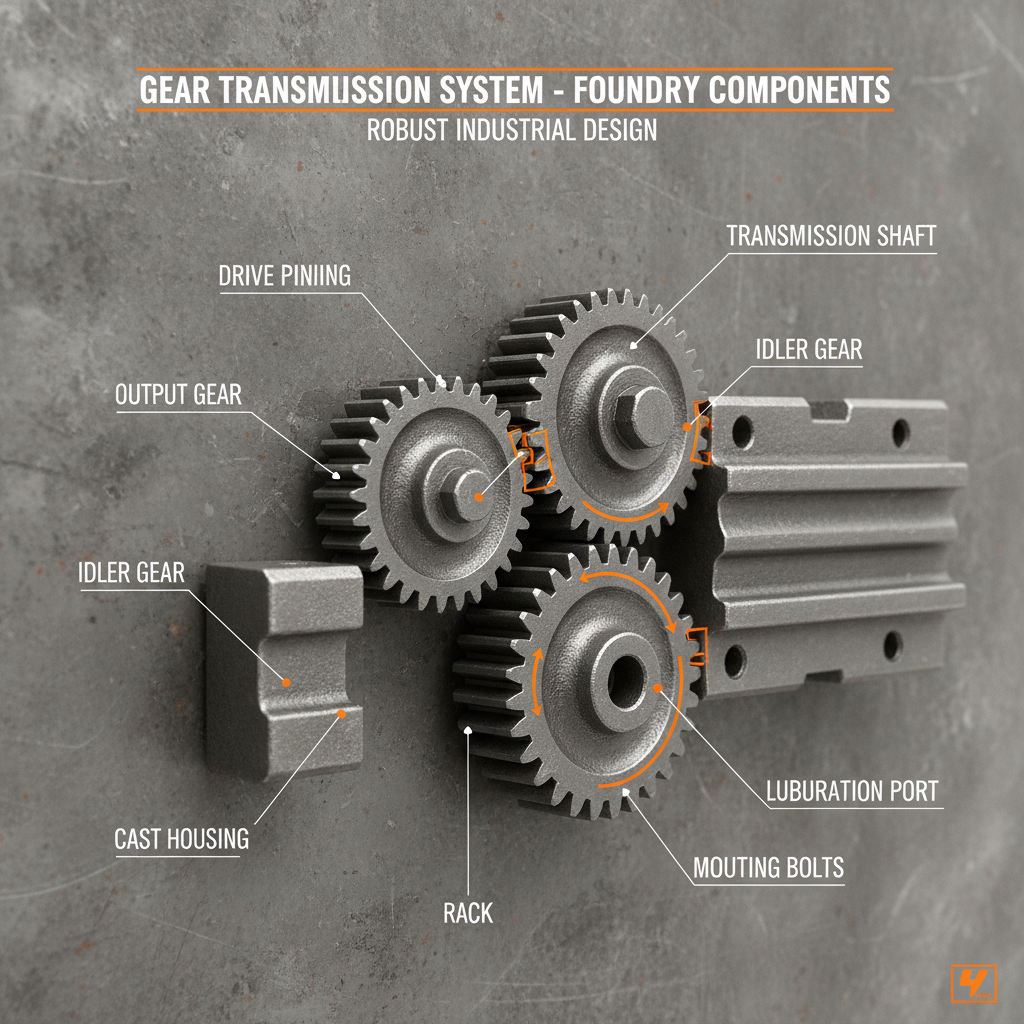
This type converts rotational motion into linear motion—pretty crucial in steering systems or CNC machinery. The pinion (a small gear) engages a flat rack, moving it back and forth. I once helped troubleshoot a precision positioning issue where slight backlash in a rack and pinion setup was throwing off machine accuracy—it’s little details like that which affect overall reliability.
6. Planetary Gears
Finally, planetary gears pack a punch in compact spaces. By arranging multiple “planet” gears around a central “sun”, they deliver high torque density and smooth power distribution. They’re often found in electric vehicles and robotics—fields that demand both efficiency and durability. In real terms, these gears can handle shock loads much better than most, which is why they’re popular in highly dynamic environments.
Gear Type Specifications At a Glance
| Gear Type | Typical Application | Speed Range | Load Capacity | Noise Level |
|---|---|---|---|---|
| Spur | Conveyors, simple gearboxes | Low to medium | Moderate | Medium |
| Helical | Transmissions, mixers | Medium to high | High | Low |
| Bevel | Intersecting shafts (90°) | Low to high | Variable | Medium |
| Worm | Lifts, hoists | Low | High (with correct materials) | Low |
| Rack & Pinion | Steering, CNC machines | Varies | Moderate | Medium |
| Planetary | Robotics, EVs | High | Very High | Low |
Vendor Comparison: Selecting the Right Gear Provider
| Vendor | Customization Options | Material Quality | Lead Time | Typical Industries Served |
|---|---|---|---|---|
| JSS Sintering | High (custom tooling & specs) | Premium sintered metals | 4-6 weeks | Automotive, robotics, heavy industry |
| GearTech Solutions | Medium (standard modules) | Good steel alloys | 3-5 weeks | Manufacturing, packaging |
| Prime Gears Inc. | Low (mostly catalog items) | Standard steels | 1-2 weeks | Retail, DIY sectors |
From my perspective, understanding the type of gear you need goes beyond just specs or tooth counts. It’s about knowing operational context, durability expectations, and the nuances of fabrication. Sometimes, it feels like a gear is just a gear, but in reality, they’re incredibly tailored tools of the trade that keep industrial processes humming smoothly. If you want a reliable supplier with deep materials expertise, I often recommend checking out JSS Sintering —they’ve consistently delivered for my team.
Stay curious about the small mechanical parts that do the heavy lifting—you never know when the right gear might be your project's game changer.
References
- Shigley’s Mechanical Engineering Design, 10th Edition, McGraw-Hill Education
- “Gear Fundamentals” – American Gear Manufacturers Association (AGMA)
- Practical experiences, JSS Sintering customer case files (2015–2023)