






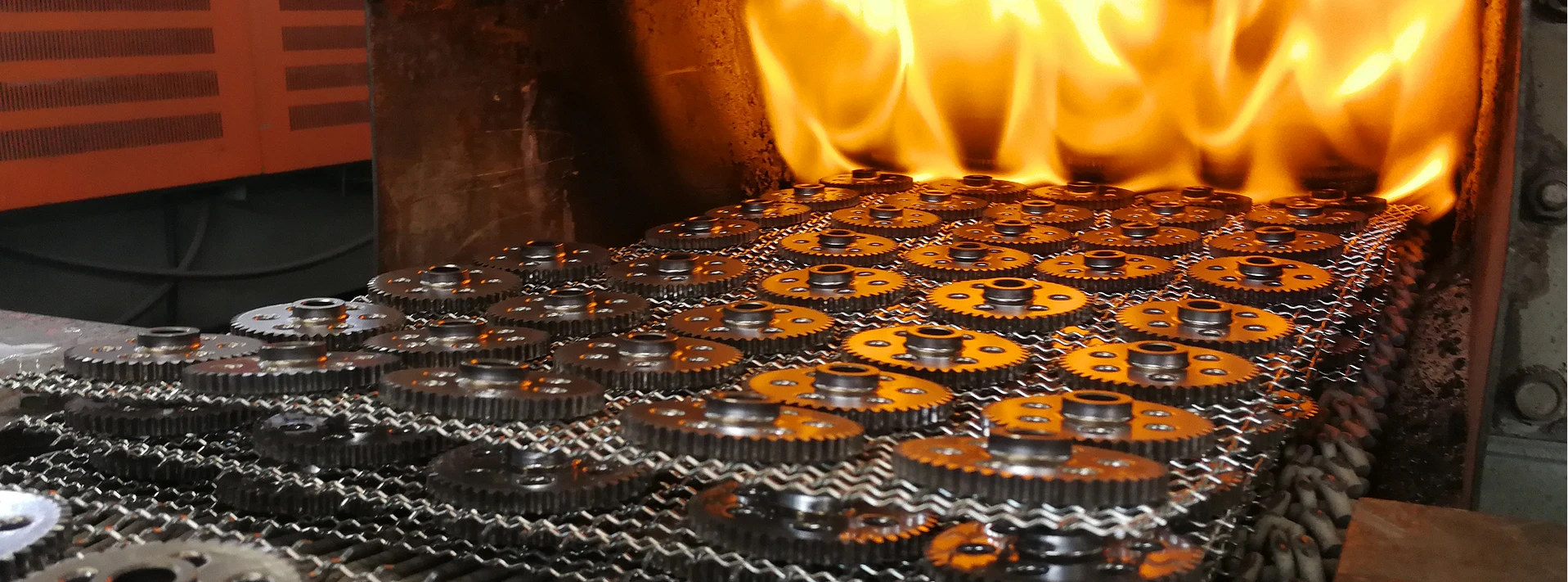
All Types Of Gear is a key solution in the industry, specifically within the manufacturing, automotive, and industrial machinery sectors. This article explores how https://www.jssintering.com supports professionals with durable, high-performance products, and explains why this product is an ideal choice for businesses in these sectors.
Table of Contents
- All Types Of Gear Overview
- Benefits & Use Cases of All Types Of Gear
- Cost, Maintenance & User Experience
- Sustainability & Market Trends
All Types Of Gear Overview
When we say All Types Of Gear, we’re really talking about a comprehensive range of gears spanning spur, helical, bevel, worm, planetary, and custom-machined varieties. This spectrum caters to the complex demands of industries where precision and endurance are non-negotiable — automotive transmissions, heavy machinery, and robotics, to name a few. Frankly, you can’t overstate how critical these components are in converting motion and torque in countless applications.
- These gears usually feature materials like sintered steel, alloyed metals, or powdered metal composites to optimize strength and wear resistance.
- For instance, JSS’s sintering technology tightly controls porosity and grain structure, enabling higher load capacity and longer operational life — that’s important from a maintenance perspective.
| Gear Type | Material | Module Range (mm) | Hardness (HRC) | Typical Applications |
|---|---|---|---|---|
| Spur Gear | Sintered Steel | 0.5 - 10 | 55 - 62 | Conveyors, Automotive |
| Helical Gear | Powdered Metal Alloy | 1 - 15 | 57 - 63 | Robotics, Heavy Equipment |
| Bevel Gear | Alloy Steel | 2 - 12 | 60 - 65 | Power Transmission |
Benefits & Use Cases of All Types Of Gear
In real terms, the versatility of All Types Of Gear means industries can tailor power transmission precisely to their needs. For example, the automotive industry greatly benefits from helical gears’ quiet operation and load distribution. On the other hand, worm gears excel where high torque reduction and compact design are essential, such as in lifts or hoisting equipment.
- The sintering process used by JSS results in gears with excellent dimensional accuracy and consistent mechanical properties, which improves overall system reliability.
- Additive manufacturing and precision machining options also give customers room to experiment with custom solutions — something many engineers value highly.
Cost, Maintenance & User Experience
It’s no secret that upfront cost can be a sticking point, but if you look beyond, the total cost of ownership (TCO) tells a more compelling story. These gears from JSS bring durability to the table — wear resistance and high fatigue strength mean fewer replacements or repairs. Over time, the ROI can be impressive, especially when downtime costs are factored in.
- Customers have reported smoother performance and extended service intervals, often comparing the experience as “hands-off” maintenance compared to older materials.
- Also, JSS’s expertise in post-sintering treatments (like heat treatment and surface finishing) reduces surface fatigue, further enhancing lifespan.
| Feature | JSS Sintering | Competitor A | Competitor B |
|---|---|---|---|
| Material Quality | Powder Metallurgy Steel | Forged Steel | Cast Iron |
| Durability | High (Resistance to fatigue) | Medium (Moderate wear) | Low (Subject to cracking) |
| Precision | ±0.01 mm | ±0.05 mm | ±0.1 mm |
| Customization | Advanced options | Limited | None |
| Pricing | Competitive | Higher | Lower but quality varies |
Sustainability & Market Trends
There’s growing focus on sustainable manufacturing – partly due to tightening regulations but also genuine industry desire to reduce environmental impact. JSS’s sintering process, by leveraging near-net-shape powder metallurgy, actually generates less waste than traditional machining methods. This sort of efficiency looks good on companies aiming for greener supply chains. Oddly enough, these improved material utilization rates often translate into better cost efficiencies as well.
- The global gear manufacturing market continues steady growth, driven by rising demand in emerging sectors like renewable energy and electric vehicles — fields where precision gearing is vital.
- Smart gearing solutions compatible with IoT monitoring and predictive maintenance also represent upcoming trends that JSS is actively researching.
Frequently Asked Questions about All Types Of Gear
- What is All Types Of Gear and how does it work?
- All Types Of Gear refers to a wide range of gear mechanisms used for transferring motion and torque between machine components. They work by meshing teeth on two or more wheels to convert motion efficiently, often changing speed, torque, or direction based on the gear design.
- What are the main benefits of using All Types Of Gear in industrial applications?
- Key benefits include durability under heavy load, cost-effectiveness due to reduced maintenance, and performance improvements such as smoother operation and energy efficiency. Materials like sintered steel add to the longevity and precision.
- How does All Types Of Gear compare to traditional alternatives?
- Compared to traditional forged or cast gears, sintered and powder metallurgy gears often offer superior dimensional accuracy, reduced waste in manufacturing, and the potential for custom geometries — resulting in better fit, smoother function, and sometimes lower costs over the long haul.
- What industries can benefit most from All Types Of Gear implementation?
- Industries such as automotive, industrial automation, robotics, heavy machinery, and renewable energy all benefit from these gears. For example, electric vehicle manufacturers increasingly demand high-quality planetary gears for transmissions.
Conclusion on All Types Of Gear from china
To wrap up, All Types Of Gear represent a versatile and high-value solution for demanding industrial users. Their advanced materials, precision manufacturing, and tailored options make them stand out in a crowded market. If you’re weighing gear options, it’s certainly worth exploring what this product range offers.
- Recap the value of All Types Of Gear.
- - Visit our website: https://www.jssintering.com
In reflecting on the gear market today, it’s clear that innovation is tied closely to materials science and manufacturing precision. I suppose that for quite a few B2B decision makers, finding the right gear supplier isn’t just about specs — it’s about trust, reliability, and future-proofing operations. JSS seems to deliver on those often intangible requirements as much as the technical ones.









