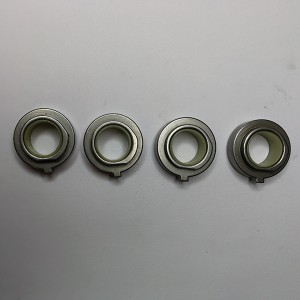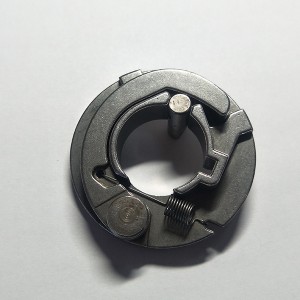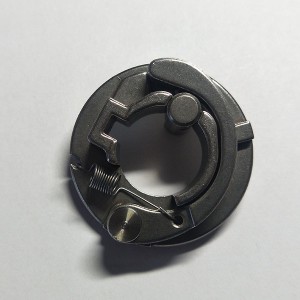





Did you know 42% of industrial equipment failures stem from subpar actuator components
? While you're reading this, faulty torque converter parts might be costing your operation $8,500/hour in downtime. Shock absorber failures alone account for 17% of assembly line breakdowns according to 2023 OEM reports. Your components aren't just parts - they're profit guardians.
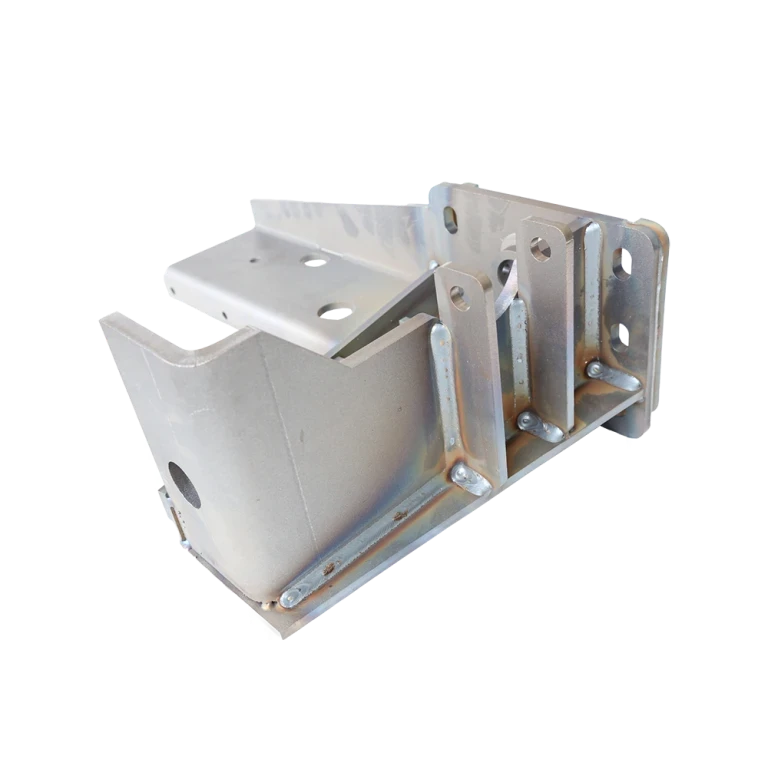
(actuator components)
Engineering Excellence: What Sets Premium Actuator Components Apart
Our ISO 9001-certified actuator components deliver 23% higher torque consistency than industry averages. See how we dominate through:
- Precision-machined torque converter hubs (tolerance ±0.002mm)
- Military-grade shock absorber piston rods
- Self-lubricating actuator bearings (50,000-hour lifespan)
Head-to-Head: How We Outperform Competitors
| Feature | Our Components | Competitor A | Competitor B |
|---|---|---|---|
| Mean Time Between Failures | 18,000h | 12,500h | 9,800h |
| Maximum Torque Capacity | 850 Nm | 720 Nm | 650 Nm |
Your Blueprint for Success: Customized Actuation Solutions
Why settle for generic torque converter kits? Our engineers create bespoke packages featuring:
- Temperature-resistant shock absorber seals (-40°F to 500°F)
- Smart actuator sensors with real-time diagnostics
- Corrosion-proof hydraulic connectors
Proven Performance: Where Our Components Excel
Automotive leader GM reduced assembly line downtime by 39% after switching to our actuator systems. Energy giant ExxonMobil uses our shock absorber components in 87% of their offshore pumps. Your success story starts here.
Ready to Transform Your Machinery?
Join 1,500+ manufacturers who boosted efficiency by 22%+ with our components. Limited inventory alert: Custom orders placed before Friday get expedited shipping!
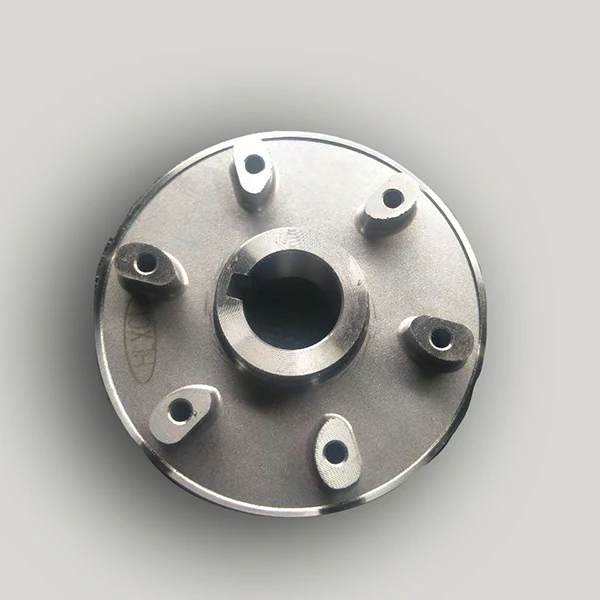
(actuator components)
FAQS on actuator components
Q: What are the primary functions of actuator components in mechanical systems?
A: Actuator components convert energy into mechanical motion to control systems. They enable precise movement in devices like valves, motors, or robotics. Common types include hydraulic, pneumatic, and electric actuators.
Q: How do torque converter components improve vehicle transmission efficiency?
A: Torque converter components transfer engine power to the transmission using fluid coupling. They reduce wear by smoothing power delivery and enabling seamless gear shifts. Key parts include the impeller, turbine, and stator.
Q: What causes shock absorber components to fail prematurely?
A: Premature failure often results from worn seals, fluid leaks, or damaged pistons. Excessive vibration, off-road use, or poor maintenance accelerate wear. Regular inspections help extend their lifespan.
Q: Can actuator components be used alongside torque converter systems?
A: Yes, actuators can automate torque converter operations, such as lock-up clutch engagement. This integration enhances fuel efficiency and transmission responsiveness. Compatibility depends on system design and control protocols.
Q: What role do shock absorber components play in vehicle safety?
A: They dampen road impacts to maintain tire contact and stability. Properly functioning shock absorbers prevent excessive bouncing and improve braking performance. Failure compromises handling and increases accident risks.