




The Strength and Versatility of Ferrous Powder Metallurgy
In the field of mechanical and automotive engineering, ferrous powder metallurgy has emerged as a foundational process for manufacturing parts that demand exceptional durability and performance. Unlike conventional machining or casting, this method offers distinct advantages in terms of material utilization, mechanical strength, and production efficiency. Ferrous-based materials, including iron and its alloys, are among the most commonly used in powder metallurgy parts due to their cost-effectiveness and mechanical properties.
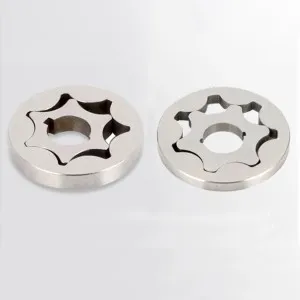
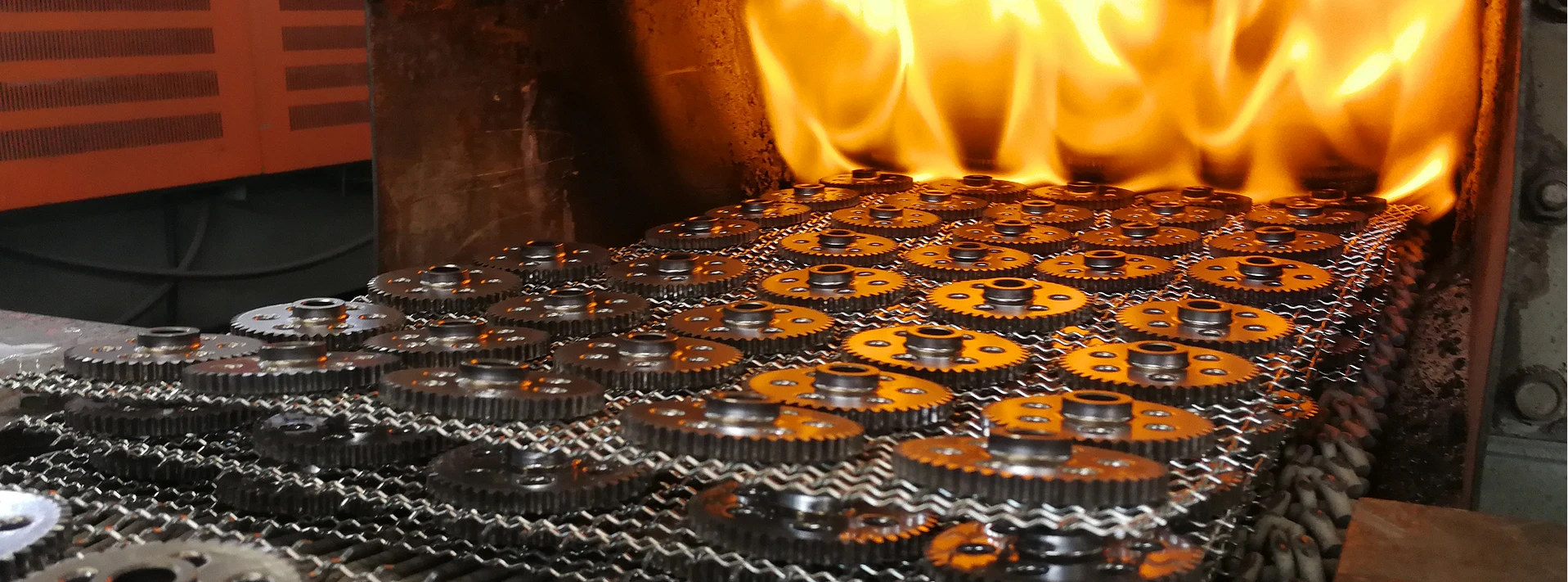
Through a process that involves mixing iron powder with other alloying elements and compacting them into a specific shape before sintering, manufacturers can produce components with a fine-grained, dense microstructure. This structure enhances wear resistance and thermal conductivity, making ferrous powder metallurgy parts ideal for applications involving friction and high temperatures—such as rotors in braking systems and gears in transmission assemblies.
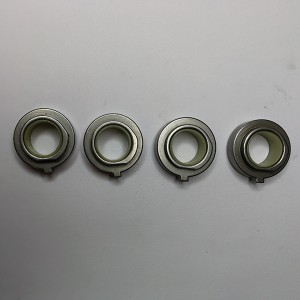
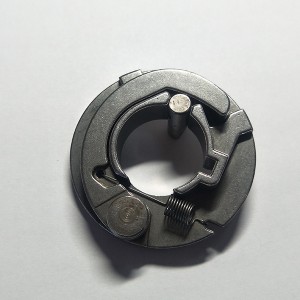
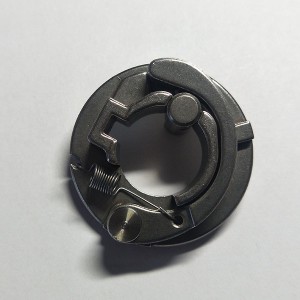
The widespread use of ferrous powder metallurgy in producing clutch hubs, synchronizer rings, and engine components showcases its unmatched adaptability and consistency. By utilizing carefully controlled sintering techniques, these parts can achieve tight tolerances, reducing the need for post-processing and ensuring reliability under demanding mechanical loads.
Forging Powdered Steel for Superior Durability
One of the most significant advancements in the field is the ability to produce high-strength components by forging powdered steel. This process combines the design flexibility of powder metallurgy with the mechanical robustness of forging, offering a hybrid approach that delivers both precision and strength. During forging, compacted powder parts are subjected to high pressure and temperature, refining the grain structure and eliminating residual porosity.
The resulting material possesses enhanced fatigue resistance and dimensional accuracy, which is crucial for components subjected to cyclic loading. In braking systems, for instance, forging powdered steel allows rotors to endure extreme mechanical stress without compromising performance or safety. This is especially important in high-performance motorcycles and racing vehicles, where braking response and consistency can directly impact rider safety and handling precision.
Moreover, forging powdered steel enables manufacturers to create complex shapes that are challenging to achieve using traditional forging techniques. This approach minimizes material waste and machining time, leading to cost savings and increased production scalability. From sprockets to differential gears, the application potential of forged powder components is expanding across industries.
The Role of Metal Powder Metallurgy in Precision Engineering
Metal powder metallurgy plays a pivotal role in precision engineering, particularly in sectors that demand lightweight yet robust components. The process begins with selecting the appropriate metal powders—iron, stainless steel, copper, or even ceramic composites—which are then blended, compacted, and sintered into near-net shapes. This allows for efficient material use and the production of intricate geometries that are difficult to achieve via conventional methods.
One of the primary advantages of metal powder metallurgy is its ability to deliver tailored material properties. By controlling the powder composition and sintering conditions, manufacturers can optimize hardness, tensile strength, and corrosion resistance. This makes it especially suitable for producing rotors, cams, pulleys, and other parts exposed to harsh operating environments.
In the case of powder metallurgy rotors, the use of advanced metal powder metallurgy techniques ensures minimal friction loss, exceptional thermal stability, and high wear resistance. These properties make such components ideal for automotive braking systems, where temperature fluctuations and mechanical stress are constant challenges. Additionally, their uniform microstructure contributes to better heat dissipation, reducing the risk of thermal cracking and distortion.
Efficient Compacting in Powder Metallurgy for Consistent Quality
The process of compacting in powder metallurgy is critical in determining the final properties and dimensional accuracy of the component. This step involves pressing the metal powders into a specific shape using a die, under high pressure. Proper compacting in powder metallurgy ensures that the green compact (unsintered part) has uniform density and strength, setting the stage for high-performance sintered parts.
Advanced compaction techniques such as isostatic pressing or multi-level tooling allow for greater shape complexity and improved material distribution. These innovations are particularly beneficial in producing powder metallurgy rotors with intricate internal structures for better ventilation and reduced weight. Uniform density across the part minimizes the likelihood of weak spots, ensuring consistent performance under thermal and mechanical stress.
Additionally, compacting in powder metallurgy supports sustainable manufacturing. It reduces the amount of post-processing required, lowers energy consumption, and minimizes raw material waste. With growing emphasis on green manufacturing practices, this aspect of the powder metallurgy process aligns well with the environmental goals of the automotive and industrial sectors.
Powder Metallurgy Parts as a Game-Changer in Mechanical Design
The rise of powder metallurgy parts is reshaping how engineers approach mechanical design and system integration. These components, particularly when used in critical systems like braking and power transmission, offer unparalleled reliability, weight reduction, and cost efficiency. The ability to customize material compositions and create net-shape parts makes powder metallurgy parts highly attractive for OEMs aiming to innovate in product performance.
Compared to cast or machined alternatives, powder metallurgy parts demonstrate superior structural integrity under high-load and high-speed conditions. For instance, rotors made via powder metallurgy processes maintain their shape and functionality even under repeated thermal cycling, thanks to their fine and homogeneous microstructure.
In practical terms, this means smoother braking, reduced vibration, and longer service life for vehicles. It also enables more compact system designs, as engineers can rely on the strength and stability of these components without adding excessive bulk. The integration of powder metallurgy parts into motor systems, gearboxes, and even robotic mechanisms reflects their expanding influence in advanced mechanical engineering.
Powder Metallurgy Parts FAQs
What are the advantages of using powder metallurgy parts over cast or machined components?
Powder metallurgy parts offer several advantages, including reduced material waste, the ability to form complex geometries, and enhanced wear resistance. Their microstructure is typically more uniform, which improves performance under stress and heat. They also allow for near-net shape production, minimizing the need for costly post-processing.
How does ferrous powder metallurgy contribute to cost reduction in manufacturing?
Ferrous powder metallurgy is highly cost-effective because iron-based materials are readily available and inexpensive. The process also reduces machining time and waste, while enabling mass production of parts with consistent quality. This translates into lower unit costs and more efficient resource usage.
Why is forging powdered steel preferred for high-stress applications?
Forging powdered steel produces parts with superior mechanical properties, such as increased density, reduced porosity, and improved fatigue resistance. These characteristics make it ideal for applications like braking systems, engine components, and drivetrain assemblies that experience extreme mechanical loads.
In what ways does metal powder metallurgy improve component performance?
Metal powder metallurgy allows engineers to precisely control the composition and properties of a component. This leads to enhanced wear resistance, better thermal stability, and lower friction loss. Such precision makes it ideal for high-performance applications in automotive, aerospace, and industrial machinery.
What is the significance of proper compacting in powder metallurgy?
Compacting in powder metallurgy ensures that the metal powders are uniformly distributed and densely packed, which is crucial for achieving high strength and dimensional accuracy. Proper compaction minimizes defects and prepares the part for optimal sintering, resulting in durable, reliable components.