




Why Sintered Gears Are a Game-Changer in Industrial Equipment
Having spent well over a decade immersed in the industrial equipment sector, I can tell you there’s something quite special about sintered gears. They’re not just components; they’re quietly revolutionizing how machines perform and last in demanding environments. If you ask around, many engineers will tell you the same thing—these gears strike a unique balance between durability, cost, and precision that’s tough to beat.
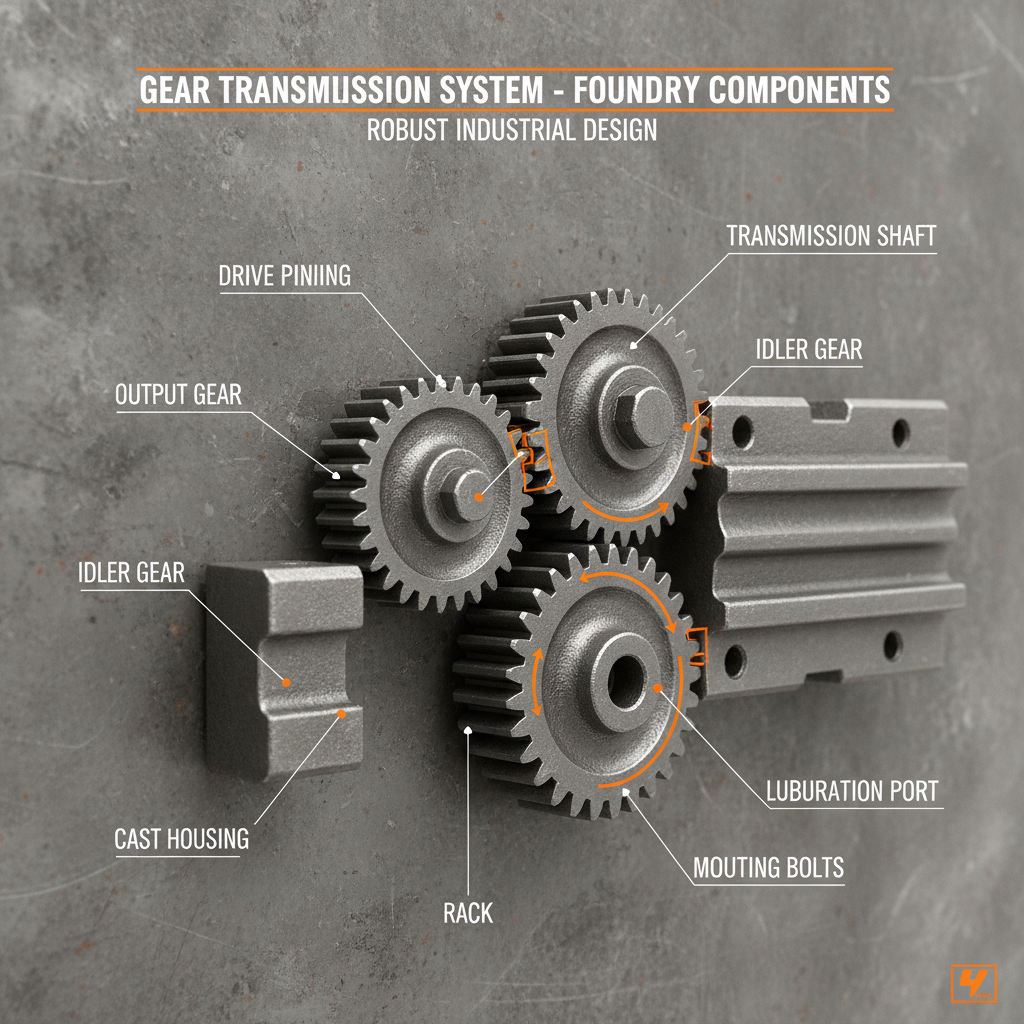
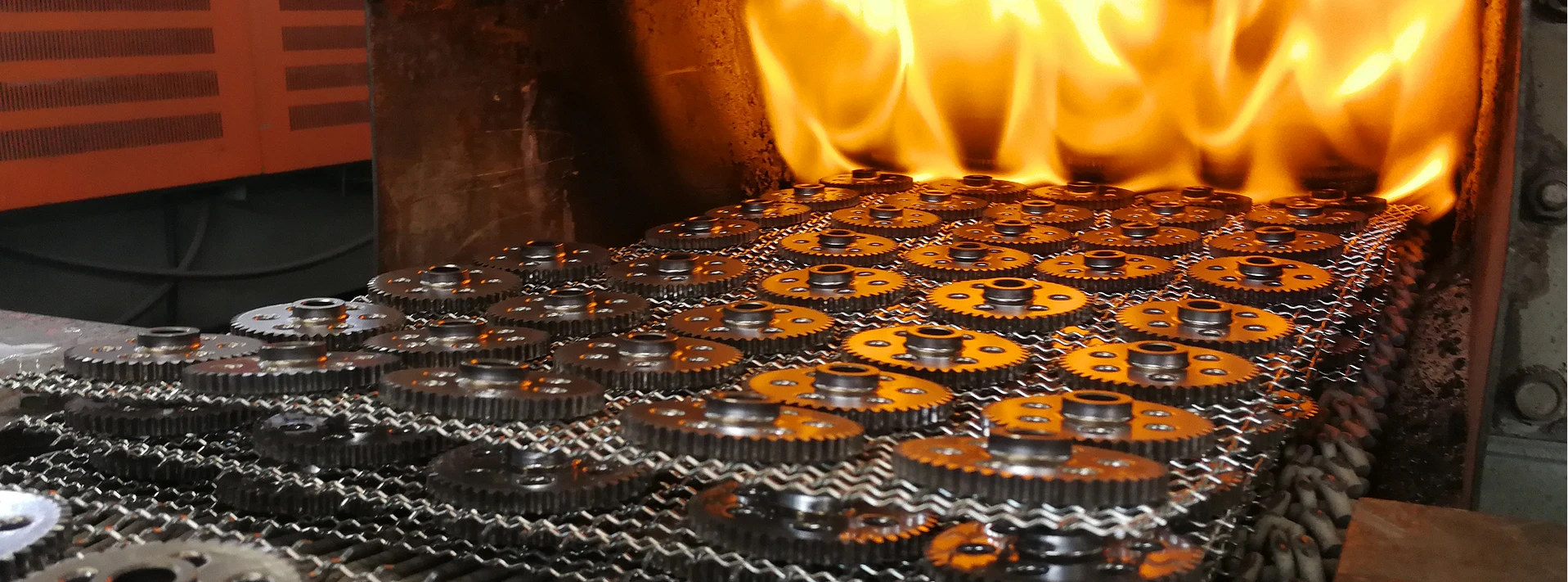
Oddly enough, sintering often gets overshadowed by traditional gear manufacturing methods like casting or machining. Frankly, that’s a shame because the sintering process enhances the microstructure in ways that significantly improve wear resistance and strength. In simple terms, sintered gears are made by compacting powdered metal and then heating it below its melting point, which fuses the material together. The result? A gear that’s not only solid but offers a porosity controlled for optimal oil retention—an intrinsic self-lubricating feature engineers love.
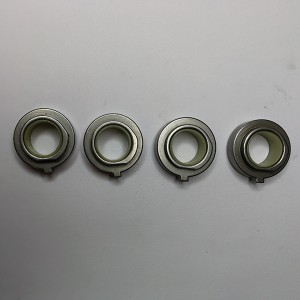
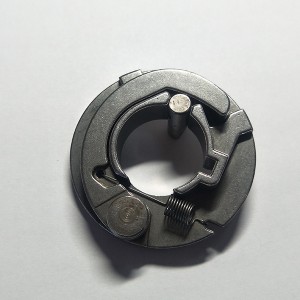
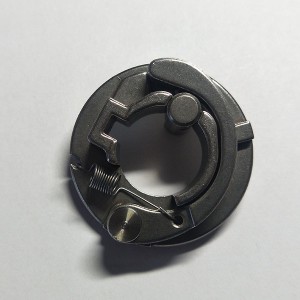
One of the things I noticed early on is how customization in sintered gears beats many other manufacturing processes hands down. You can tailor the alloy mix, density, and size, which means designers have a toolbox that’s much richer. For example, powder metallurgy allows for complex geometries that would be prohibitively expensive or impossible using machining alone.
Here’s a quick spec overview I’ve pulled together based on industry standards and what the experts at J.S. Sintering offer:
| Specification | Typical Range / Value |
|---|---|
| Material Composition | Fe-base powder alloy with Cu, Ni, Mo additives |
| Density | 6.8 – 7.3 g/cm³ (varies by alloy) |
| Hardness (after heat treatment) | HRC 50–60 |
| Porosity | 5 - 10% (engineered for oil retention) |
| Gear Module Range | 0.5 – 12 mm |
| Typical Applications | Automotive, heavy machinery, robotics, power tools |
In real terms, choosing sintered gears can simplify supply chains too. I recall a client in the automotive industry who switched from machined gears to sintered ones and saved nearly 20% on costs while improving delivery lead times significantly. That shift also reduced post-production machining, which is often costly and time-consuming.
Of course, not every vendor’s sintered gear is built equal. I’ve dealt with several suppliers worldwide, but here’s a straightforward comparison between three notable players, including J.S. Sintering, that might help those on the lookout:
| Vendor | Customization Options | Turnaround Time | Typical Industries Served |
|---|---|---|---|
| J.S. Sintering | High (alloy blends, porosity, geometry) | 4-6 weeks | Automotive, robotics, industrial machinery |
| PowderTech Gears | Medium (limited material options) | 6-8 weeks | Consumer products, light machinery |
| Metallum Components | Low (standard alloys only) | 3-5 weeks | General industrial, electronics |
Testing and quality control, frankly, are where many suppliers either shine or stumble. I’ve personally observed that reputable sintered gear manufacturers maintain rigorous dimensional and hardness checks, along with microstructural inspections. When gears come out off-spec, the machine performance drops, sometimes with catastrophic effects. That’s why I always recommend engaging with vendors who share their quality processes openly.
Looking ahead, the demand for sintered gears is likely to rise as industries push for parts that are lightweight yet strong, with minimal carbon footprints. Since sintering is energy-efficient compared to metal casting or machining, it ticks some green boxes, too.
To wrap this up: if you’re in equipment design or maintenance and haven’t seriously considered sintered gears as part of your toolkit yet, maybe it’s time to take a closer look. It feels like the technology is quietly becoming the backbone of smarter, more efficient machinery setups.
References:
- ASM Handbook, Powder Metallurgy, Vol. 7, 2013.
- J.S. Sintering Corporate Whitepaper, 2022.
- Industrial Gear Engineering Journal, 2019.