Understanding the sintered metal gear: Why it’s still winning in industry
Working in the industrial equipment sector for over a decade, I’ve seen a lot of gear technologies come and go. Yet, oddly enough, the sintered metal gear keeps resurfacing as a preferred choice. Maybe it’s the blend of precision, durability, and cost-efficiency that keeps engineers leaning towards it — or the remarkable versatility in design. Frankly, it’s one of those components that feels simple but packs a punch when embedded into heavy machinery or automotive transmissions.
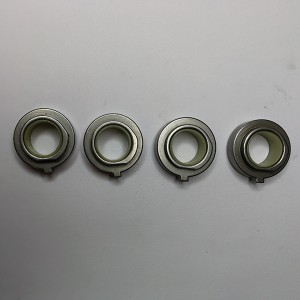
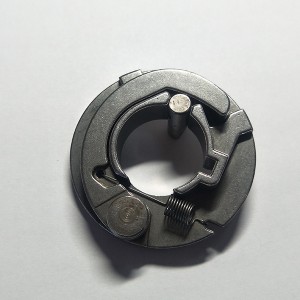
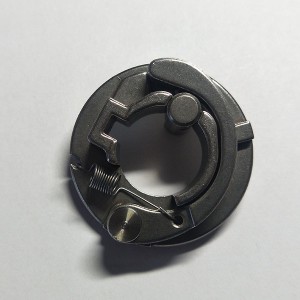
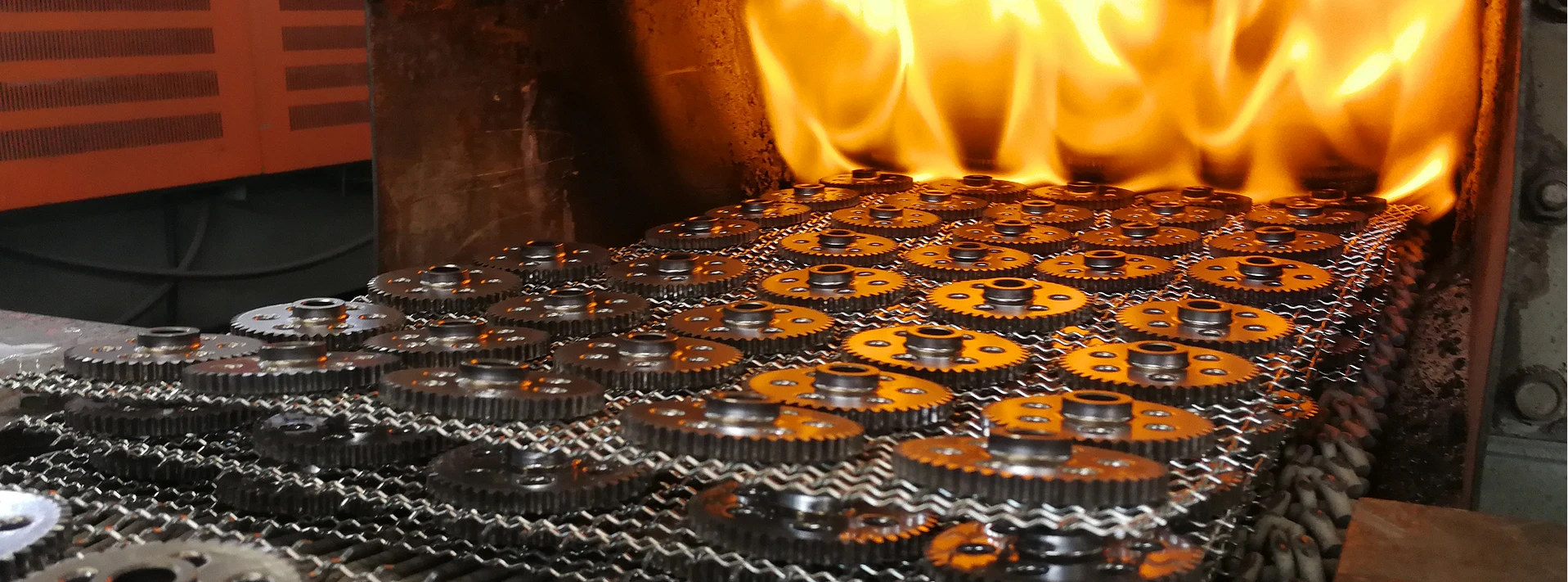
If you’ve ever had a chance to inspect these gears up close, you’ll notice their characteristic slightly gritty surface — that’s a telltale sign of powder metallurgy in action. The entire process, sintering, bonds metal powders at high temperatures, creating a solid, near-net-shape component without the need for extensive machining. In real terms, this means less waste, shorter production cycles, and often a stronger, more wear-resistant part compared to conventional machined gears.
Why choose sintered metal gears? A quick dive into the specs
| Specification | Details |
|---|---|
| Material Type | Powdered Steel or Bronze Alloys |
| Manufacturing Process | Powder Metallurgy with Sintering |
| Typical Hardness | 60-70 HRC after heat treatment |
| Porosity | Controlled, usually below 10% |
| Applications | Automotive, Industrial Machinery, Robotics |
I recall working on a project where the client was initially skeptical about using sintered gears instead of machined ones. Their logic was, “Wouldn’t the porosity weaken the gear?” What I found was that modern sintered gears, especially those from reputed vendors, often incorporate secondary processes such as infiltration or heat treatment to enhance strength and surface finish. The results? Gears that can take on harsh loads, resist wear, and reduce noise — all contributing to longer machine life.
Comparing top vendors: what sets them apart?
| Vendor | Material Options | Customization | Lead Time | Typical Applications |
|---|---|---|---|---|
| J.S. Sintering | Steel, Bronze, Iron Alloys | High (from small runs to large batches) | 3-6 weeks | Automotive, Industrial, Robotics |
| Vendor B | Steel, Iron | Medium | 4-8 weeks | General Machinery |
| Vendor C | Bronze, Iron | Low | 6-10 weeks | Specialty Equipment |
What truly impressed me about J.S. Sintering is their ability to tailor specifications based on precise customer requirements. From adjusting porosity for lubrication retention to delivering complex shapes that reduce assembly parts — these folks clearly know the craft inside and out. It’s not just mass production but thoughtful engineering. I’ve seen their gears quietly power factory lines and robotic arms alike, performing reliably in unforgiving conditions.
Often, we overlook how integral the right material and process combination is for gears that keep the industry turning. And strangely, a well-made sintered metal gear kind of reminds me of a finely crafted watch — tiny components working tirelessly, usually unnoticed... until something goes wrong.
So if you’re scoping out options for your next machinery upgrade or prototype, considering a sintered metal gear might just give you that balance of strength, precision, and cost savings. Plus, working with a vendor who understands the nuance of sintering makes all the difference.
From my experience, investment in quality powder metallurgy is a long-term win, even if the upfront specs sound a bit “off” compared to traditional machining methods. Trust me, the gears—and the machines—will thank you.
Key takeaways: Sintered metal gears offer a solid mix of customization, durability, and cost-effectiveness when sourced from experienced vendors like J.S. Sintering. They’re not flashy, but they keep the wheels of industry turning smoothly.
References:
1. German Powder Metallurgy Association (GPM) Technical Reports, 2022
2. "Powder Metallurgy Design and Applications," ASM International, 2021
3. J.S. Sintering Official Website & Product Catalog, 2024