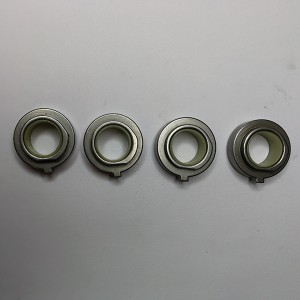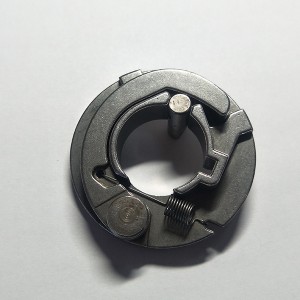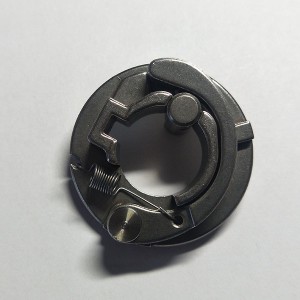





Alloy Gear is a key solution in the industry, specifically within mechanical transmission and precision machinery sectors. This article explores how https://www.jssintering.com supports professionals with durable, high-performance products, and explains why this product is an ideal choice for businesses in these sectors.
Table of Contents
- Alloy Gear Overview
- Benefits & Use Cases of Alloy Gear
- Cost, Maintenance & User Experience
- Sustainability & Market Trends
Alloy Gear Overview
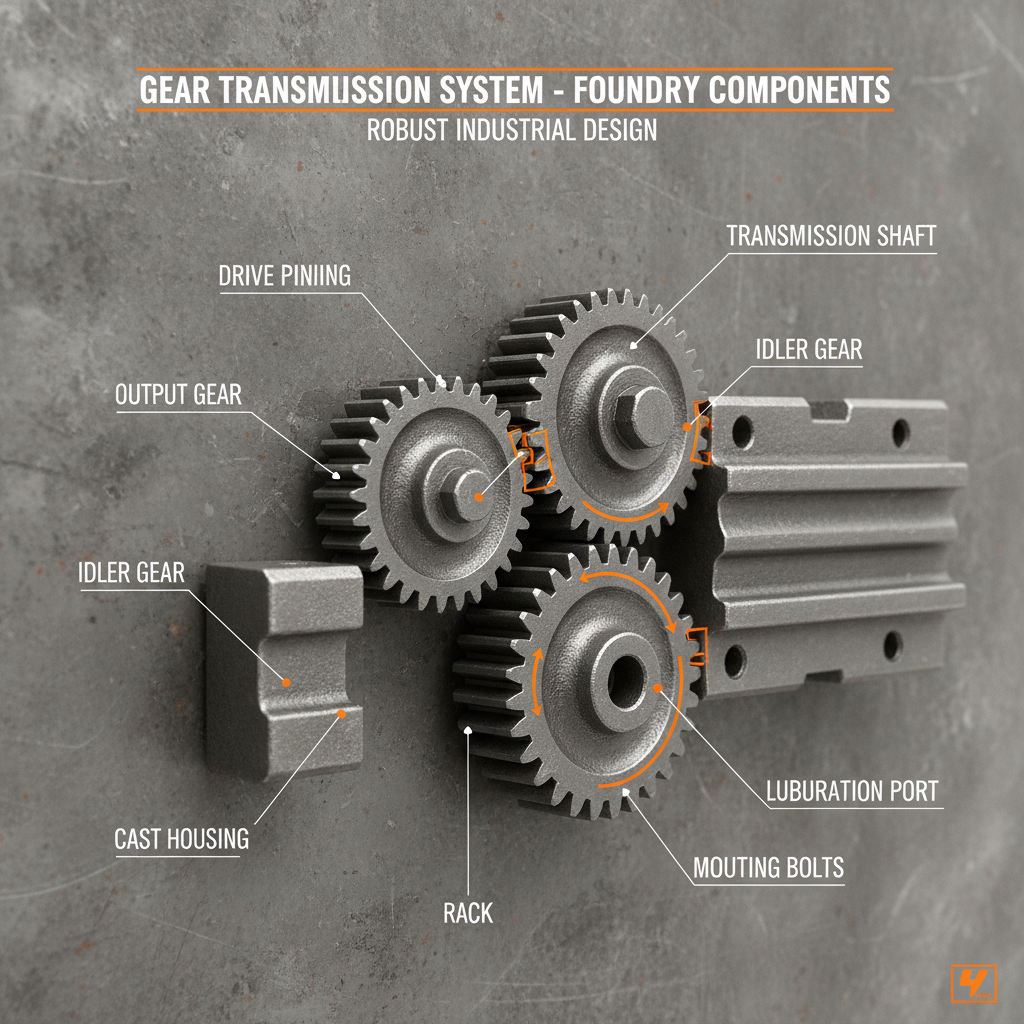
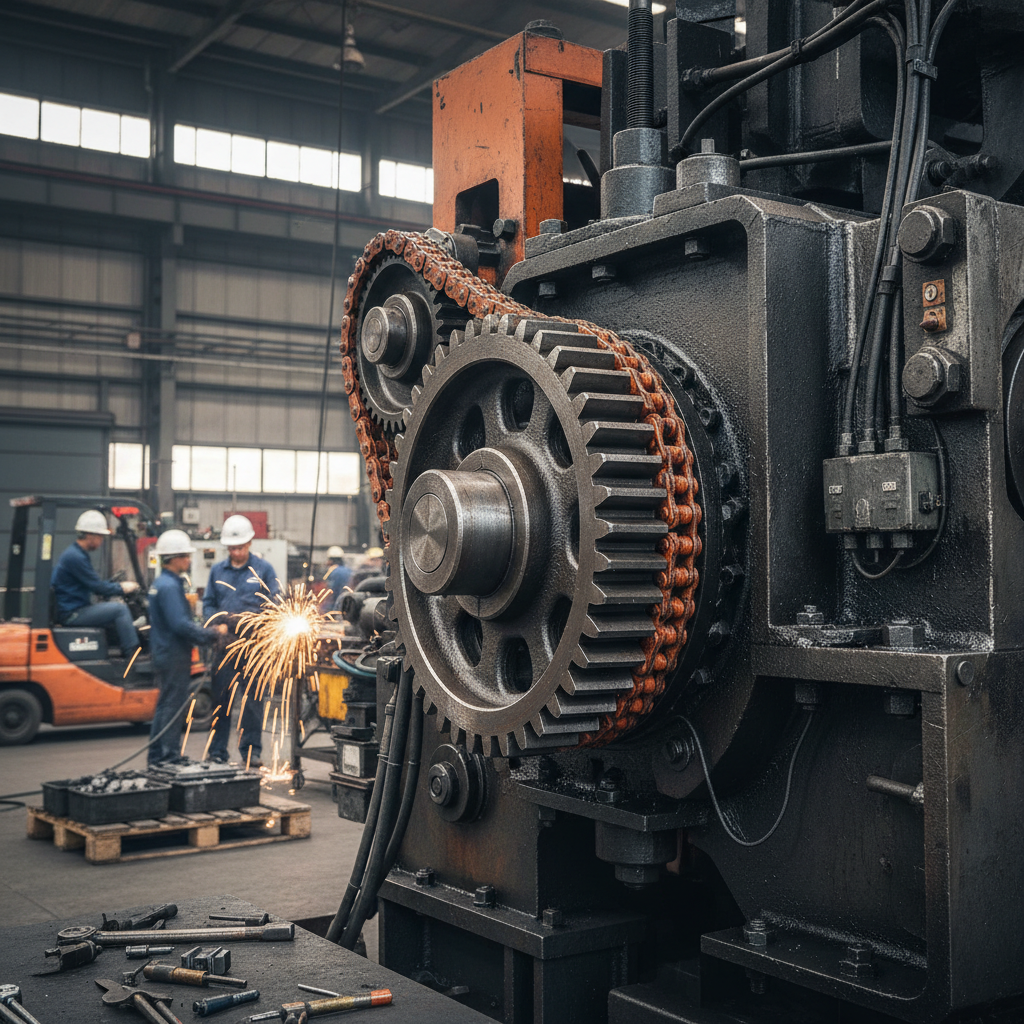
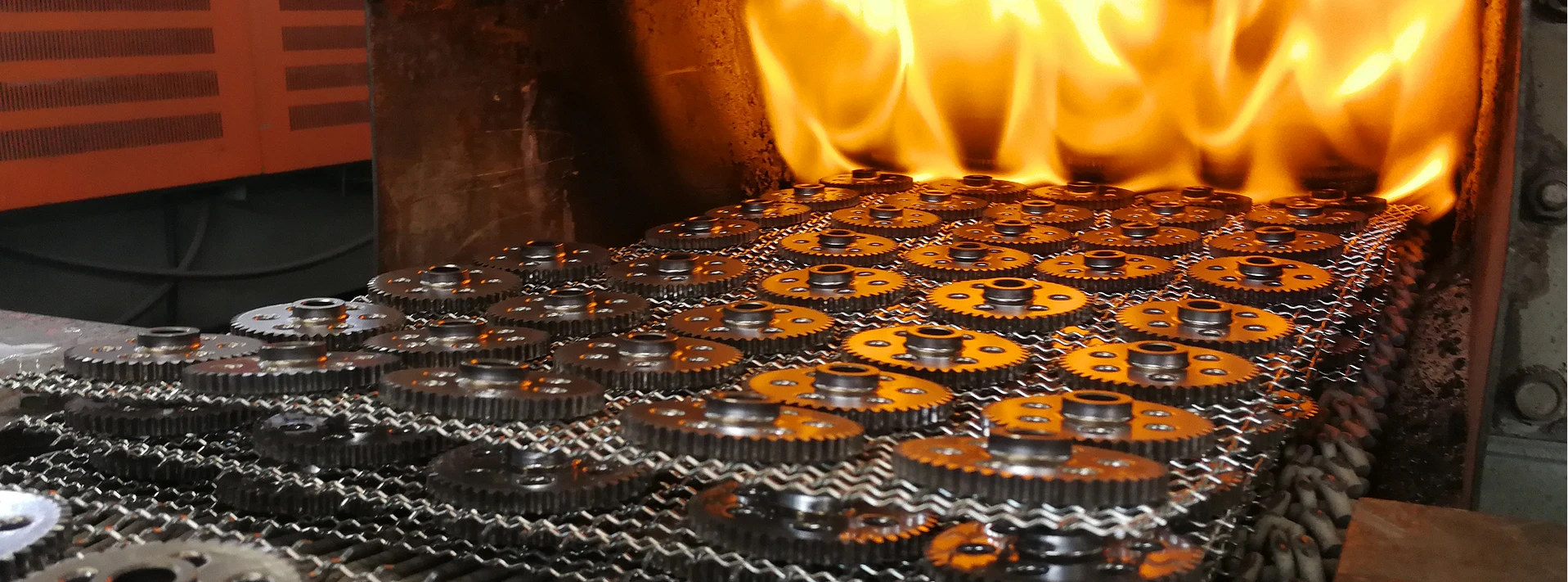
Alloy gears are specialized transmission components made from advanced metallic blends. They bring together toughness and precision — qualities that standard steels sometimes struggle to match. Typically, these gears are produced via powder metallurgy, where powdered alloys are sintered under heat and pressure, giving the finished part a very uniform microstructure and excellent mechanical properties. Oddly enough, despite their strength, alloy gears often weigh less than their cast or forged counterparts, making them appealing in sectors where efficiency and weight matter. JSSintering, for instance, has developed a notable reputation for delivering products that tick all these boxes.
- Alloy gear blends typically include steel mixed with various elements such as nickel, molybdenum, or chromium to enhance strength and wear resistance.
- Sintering parameters are optimized to ensure minimal porosity and superior toughness, as verified by industry-standard mechanical tests.
| Specification | Value / Range |
|---|---|
| Material Composition | Steel-Ni-Cr-Mo Alloy Blend |
| Density | 7.4 - 7.7 g/cm³ |
| Tensile Strength | 800 - 1100 MPa |
| Hardness (HRC) | 55 - 62 |
| Typical Gear Size Range | 20 mm - 200 mm diameter |
Benefits & Use Cases of Alloy Gear
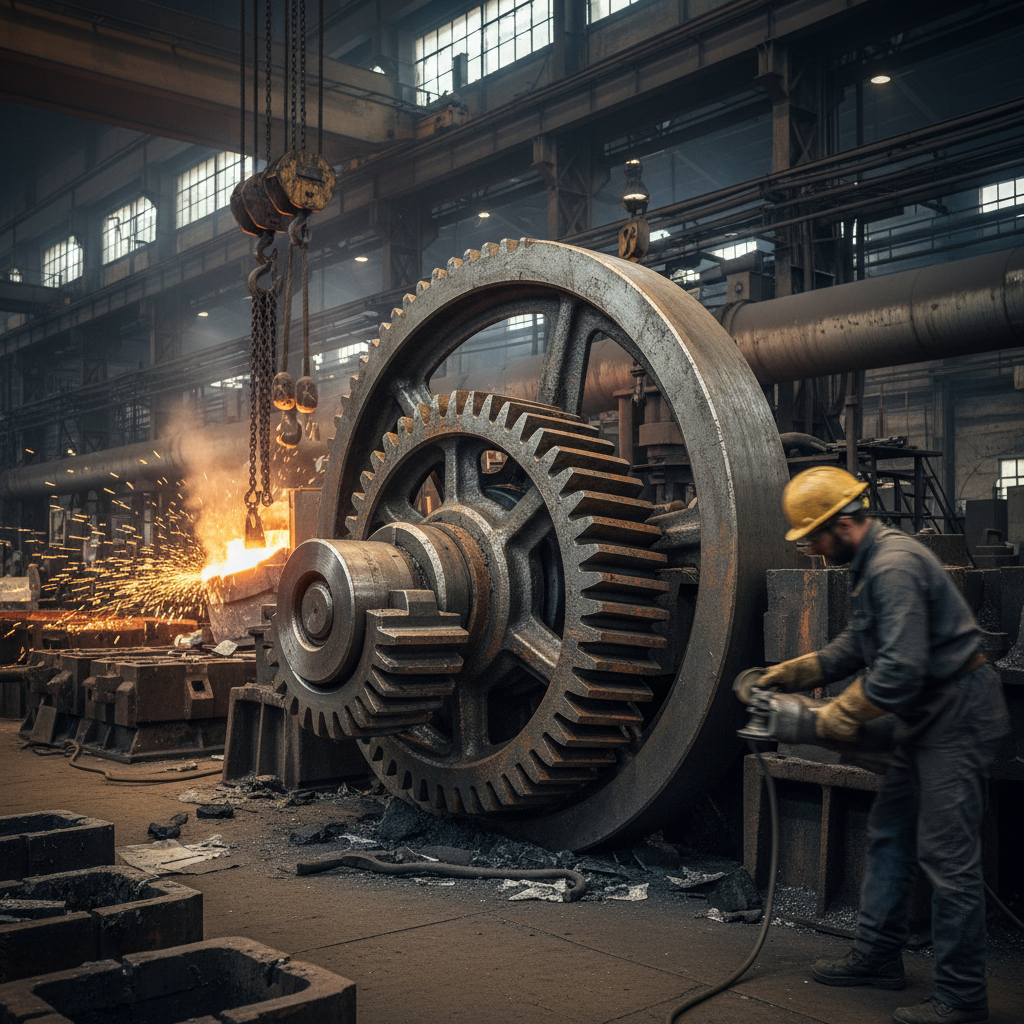
Frankly, the versatility of alloy gears is a big part of why they’re so popular. You see them everywhere from automotive transmission systems to industrial robotics, conveyors, and even aerospace applications. The ability to withstand heavy loads and resist wear over extended cycles means less downtime and lower replacement costs — which matters a lot when you’re running production lines or mission-critical equipment. Many engineering teams I spoke with highlight the fine grain microstructure and the gears’ resistance to surface fatigue as game changers. Plus, fine surface finishes achievable through precision machining reduce noise and vibration, which is, oddly enough, sometimes overlooked.
- Ideal for high-stress environments where traditional cast gears would crack or wear prematurely.
- Integrated with advanced sintering techniques, these gears offer finer tolerances and more consistent performance.
Cost, Maintenance & User Experience
When considering total cost of ownership, alloy gears present a compelling case. The upfront material and manufacturing costs may be a bit higher than simple steel options, but the longevity and reduced maintenance requirements more than compensate. In real terms, this often translates to fewer production stoppages and less labor spent on part replacements. A customer in the heavy machinery sector recently shared how switching to alloy gears from JSSintering cut their maintenance intervals by nearly 40%. That kind of feedback feels like a solid vote of confidence — and honestly, I’d expect similar figures from most industries adopting these gears.
- Durability greatly reduces downtime costs and unplanned maintenance.
- Many users report better gear meshing consistency, which increases operational smoothness.
Sustainability & Market Trends
Sustainability is becoming more than just a buzzword in the alloy gear industry. Manufacturers like JSSintering are increasingly focused on reducing carbon footprints during production, embracing cleaner energy sources, and recycling metal powders whenever possible. Regulations worldwide are nudging gear manufacturers to optimize processes, reduce waste, and use materials that can be recycled or reused without losing performance. Plus, as industries worldwide shift toward electric vehicles and more energy-efficient machinery, alloy gears need to keep pace— lighter, stronger, and with longer lifespans. I suppose this will continue pushing innovation around gear materials and processing techniques.
| Feature | JSSintering | Vendor A | Vendor B |
|---|---|---|---|
| Material Variety | Wide range of proprietary blends | Limited to standard steel alloys | Focus on stainless steel |
| Customization Options | High (size, hardness, shape) | Moderate | Low |
| Lead Time | 3-6 weeks | 4-8 weeks | 5-7 weeks |
| Sustainability Practices | Recycling & renewable energy use | Minimal reporting | Partial initiatives |
| Product Warranty | 12 months | 6 months | 6 months |
Frequently Asked Questions about Alloy Gear
- What is Alloy Gear and how does it work?
- Alloy Gear is a high-performance gear made from metal alloys, typically formed by sintering powdered metals. The process creates a densely packed, strong gear that transmits power reliably by engaging teeth smoothly with minimal wear.
- What are the main benefits of using Alloy Gear in industrial applications?
- Key benefits include improved durability, resistance to wear and fatigue, reduced downtime, and the ability to perform under high loads while maintaining precise operation – all crucial for industrial efficiency.
- How does Alloy Gear compare to traditional alternatives?
- Compared to cast or forged steel gears, alloy gears generally offer better strength-to-weight ratios, higher precision, and longer service life, which in turn lowers maintenance costs and boosts overall ROI.
- What industries can benefit most from Alloy Gear implementation?
- Primary sectors include automotive manufacturing, industrial automation, aerospace, and heavy machinery, where reliability and efficiency of mechanical transmission are mission-critical.
Conclusion on Alloy Gear from china
To wrap it up, Alloy Gear provides a robust, precise, and cost-effective gearing solution crafted through innovative powder metallurgy technology. Their balance of durability, performance, and sustainability credentials make them an outstanding option for B2B decision makers weighing long-term efficiency. If you’re looking for trusted partners or products that can endure demanding industrial environments, JSSintering’s offerings are well worth considering.
- Recap the value of Alloy Gear.
- - Visit our website: https://www.jssintering.com
Reflecting on these points, it’s evident that alloy gear technology continues to evolve alongside industry demands, balancing performance and sustainability in a way few alternatives can match. For businesses seeking dependable mechanical components, this is clearly a space to watch.
References:
1. “Advances in Powder Metallurgy for Industrial Gearing,” Industrial Metallurgy Review, 2023
2. JSSintering Product Catalog and Technical Data Sheets, 2024
3. “Sustainability Trends in Metal Manufacturing,” Metal Industry Digest, 2023