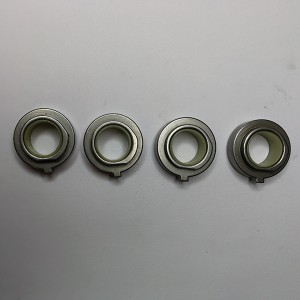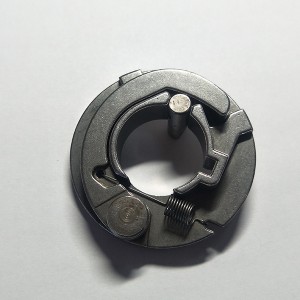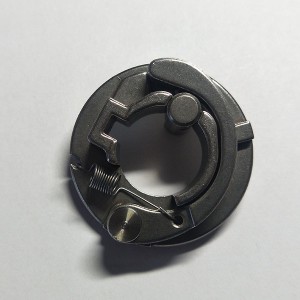





Metal Gear is a key solution in the industry, specifically within manufacturing, automotive, and heavy machinery sectors. This article explores how https://www.jssintering.com supports professionals with durable, high-performance products, and explains why this product is an ideal choice for businesses in these sectors.
Table of Contents
- Metal Gear Overview
- Benefits & Use Cases of Metal Gear
- Cost, Maintenance & User Experience
- Sustainability & Market Trends
Metal Gear Overview
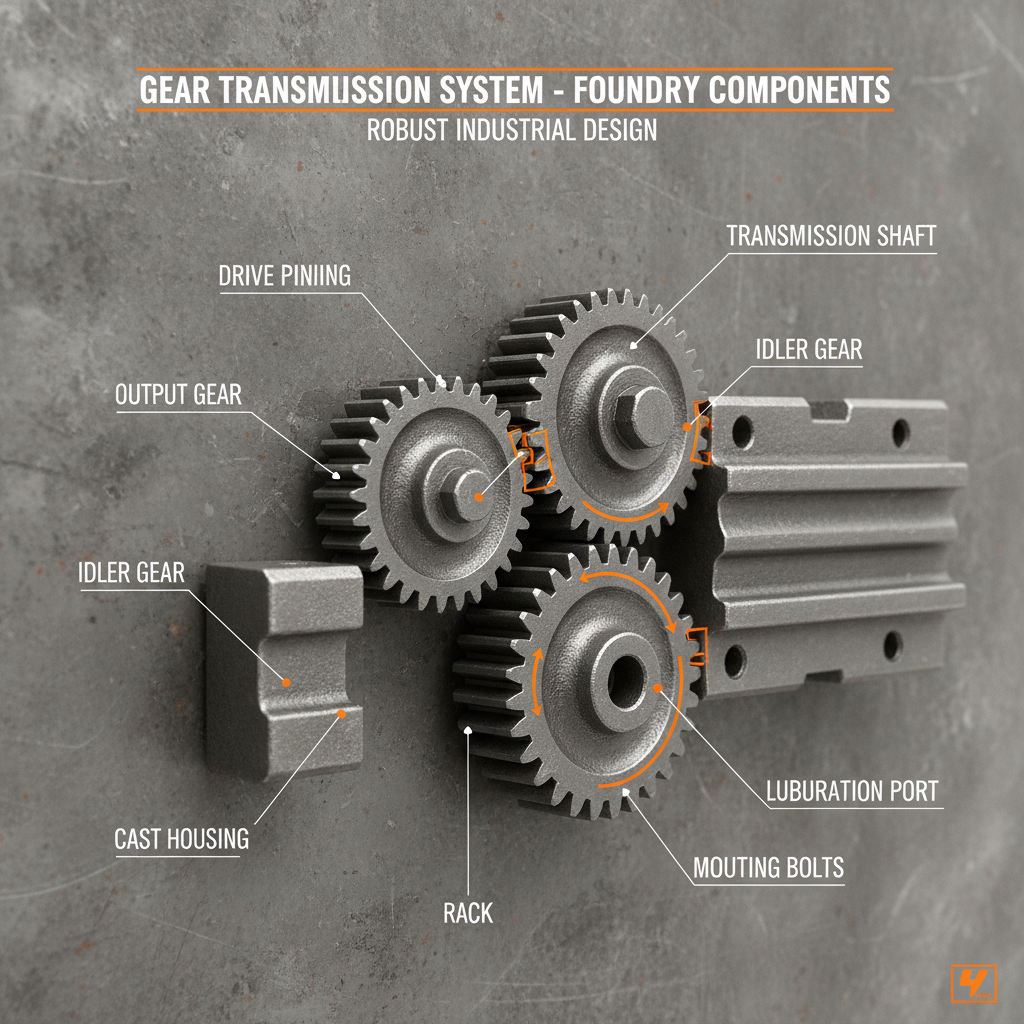
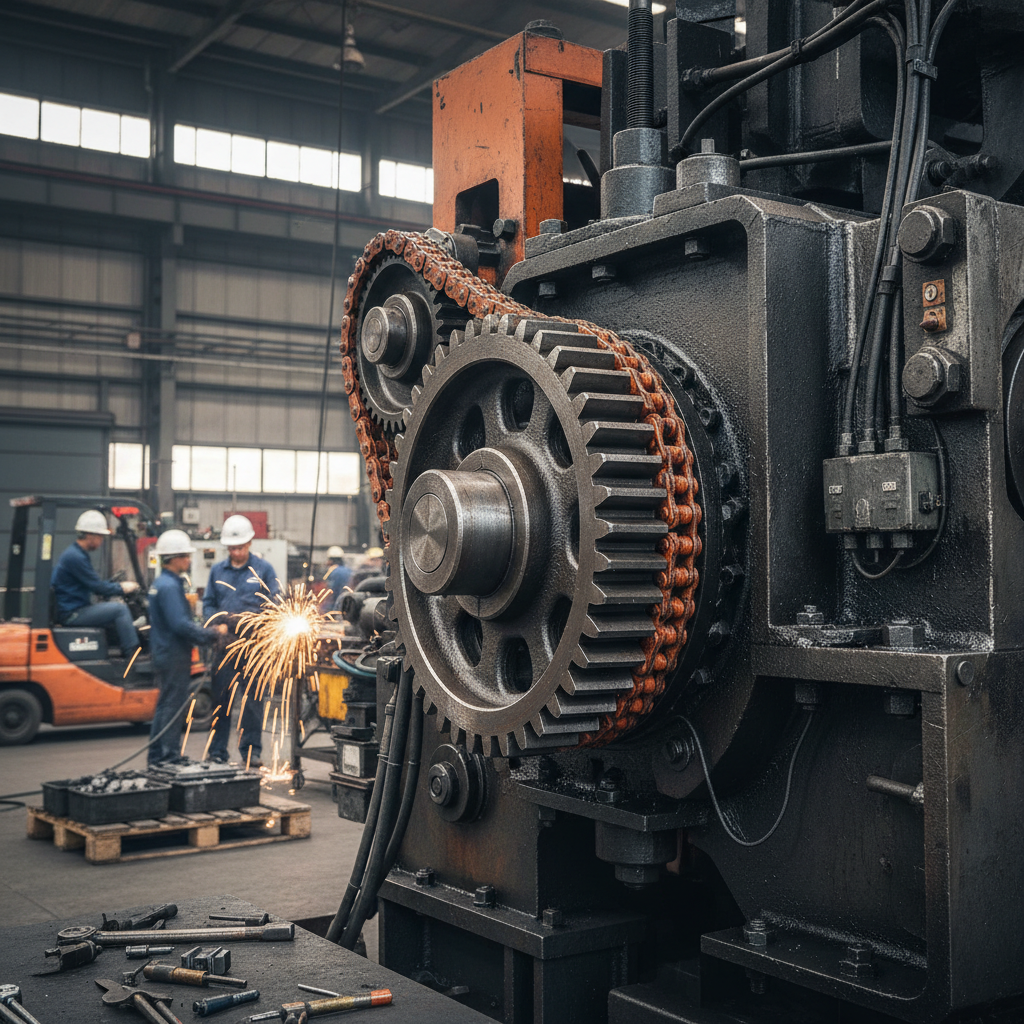
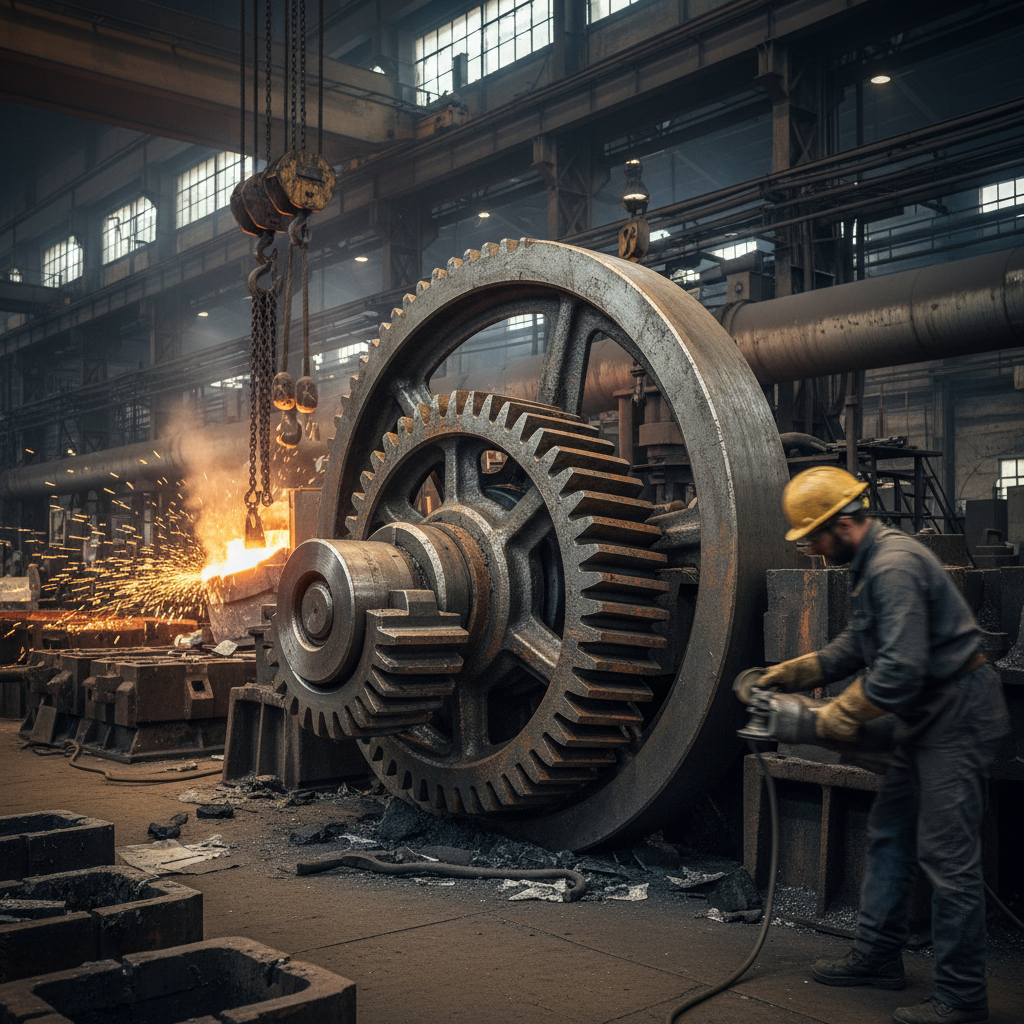
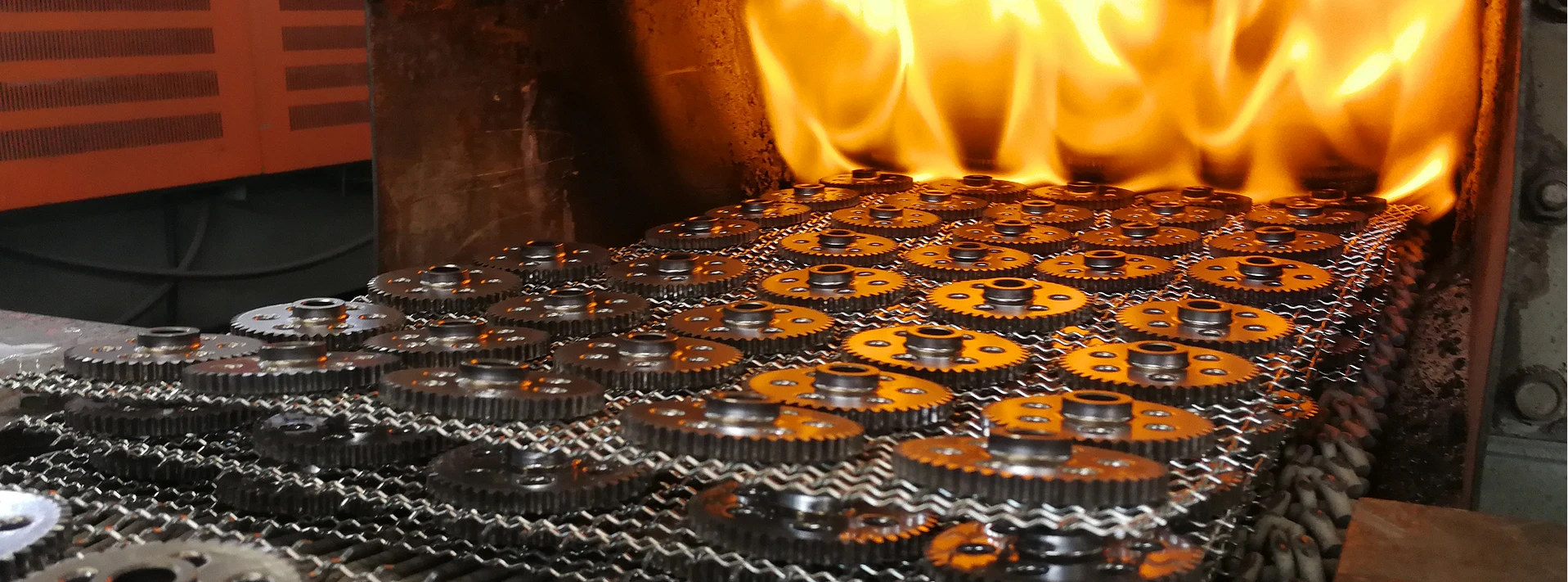
When it comes to robust mechanical power transmission, the Metal Gear stands out as a critical component. Essentially, these gears involve the precise cutting and sintering of metal powder to create parts that seamlessly transmit force and motion. The process performed by J&S Sintering Technologies brings exceptional hardness and wear resistance to these gears — qualities that frankly, any machine designer would dream of.
- Metal Gears are typically fabricated using powder metallurgy, allowing for complex shapes with minimal post-processing.
- JSSintering provides custom design support and sintering techniques that improve microstructure and toughness.
- For example, a recent case involved automotive transmission gears that demonstrated a 30% longer lifespan compared to forged alternatives.
Benefits & Use Cases of Metal Gear
So, where does Metal Gear really make a difference? In industries that demand precision, durability, and efficiency under harsh conditions — manufacturing lines, construction equipment, and automotive transmissions come to mind. A key benefit is their ability to sustain high torque loads without excessive wear or noise, which frankly reduces downtime and increases equipment reliability.
- Powder metallurgy gears from J&S Sintering are customizable in size and tooth geometry, suited for various machines.
- Compared to cast or machined gears, sintered Metal Gears offer better porosity control, reducing lubrication needs.
| Parameter | Value |
|---|---|
| Material | Sintered steel alloy (customizable) |
| Hardness | HRC 55–62 (depending on heat treatment) |
| Max Torque Capacity | Up to 600 Nm |
| Operating Temperature | -40°C to 200°C |
| Surface Finish | Ra 0.8 µm or better |
Cost, Maintenance & User Experience
Now, on to costs — it can be tempting to assume specialized Metal Gears come with a hefty price tag. But here’s the thing: total cost of ownership, considering durability and maintenance intervals, frequently tilts the scale in favor of Metal Gear solutions from J&S Sintering. Their sintered parts need less frequent replacements and often operate smoothly without extensive lubrication regimes.
- Customers report a 25% reduction in maintenance downtime compared to traditional forged gears.
- The ability to manufacture complex profiles in fewer steps reduces assembly issues and operational noise.
| Feature | J&S Sintering | Competitor A | Competitor B |
|---|---|---|---|
| Customization Options | Extensive | Limited | Moderate |
| Lead Time | 4-6 weeks | 6-8 weeks | 5-7 weeks |
| Price Competitiveness | High | Medium | Low |
| Technical Support | 24/7 Expert Team | Business Hours | Business Hours |
Sustainability & Market Trends
Sustainability isn’t just a buzzword here; it’s integral to industry innovations with Metal Gear. As manufacturing aims to reduce waste and energy consumption, sintered gears offer a neat advantage — they produce minimal scrap metal during production versus traditional machining. Interestingly, regulatory bodies globally are pushing for more eco-conscious supply chains, and it feels like these trends give sintered metal gears a big leg up.
- The powder metallurgy process allows recycling of unused powders, reducing material waste significantly.
- Growth projections for the sintered gear market indicate a CAGR of around 7%, driven by automotive electrification and robotics.
Frequently Asked Questions about Metal Gear
- What is Metal Gear and how does it work?
- Metal Gear refers to gears made from sintered metal powders, formed under heat and pressure to create durable, precisely shaped components. These gears work by engaging their teeth to transmit rotational force within various machines, making movement smooth and efficient.
- What are the main benefits of using Metal Gear in industrial applications?
- Main benefits include enhanced wear resistance, cost-effectiveness due to lower material waste, and the ability to be custom-shaped for specific machinery needs — these factors lead to longer service life and less maintenance.
- How does Metal Gear compare to traditional alternatives?
- Compared to forged or machined gears, Metal Gears made via sintering offer superior dimensional accuracy and porosity control, resulting in less lubricant volume required and quieter operation. They’re often more cost-effective when considering lifecycle expenses.
- What industries can benefit most from Metal Gear implementation?
- Industries such as automotive, industrial machinery, aerospace, and robotics are prime beneficiaries. For instance, J&S Sintering’s gears are used in transmission assemblies that demand both compact size and robust torque handling.
Conclusion on Metal Gear from china
To wrap up, Metal Gear products from J&S Sintering offer a compelling mix of durability, cost-efficiency, and advanced manufacturing techniques. For B2B decision makers seeking reliable and performance-driven gear solutions, they’re undoubtedly worth consideration.
- Their ability to tailor products combined with commitment to sustainability make them a strong partner in many sectors.
- - Visit our website: https://www.jssintering.com
Reflecting on the evolution of Metal Gear manufacturing, it’s clear that technological advances in powder metallurgy and sintering are reshaping how industries think about reliability and total cost. For anyone in the supply chain or operations side, these aren’t just specs on paper — they translate to real savings and smoother workflows.
- J&S Sintering Technologies, Product Brochure
- Industry Report: Powder Metallurgy Market Trends 2023
- Automotive Gear Case Studies, Journal of Mechanical Engineering, 2022