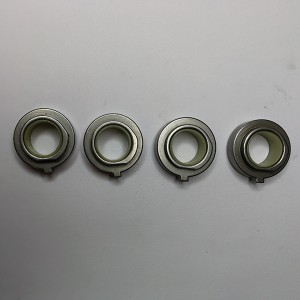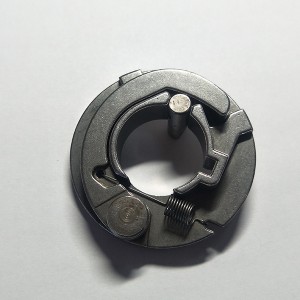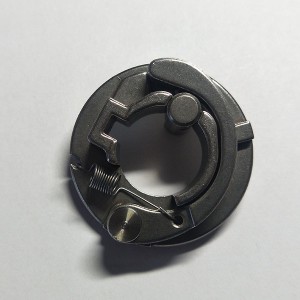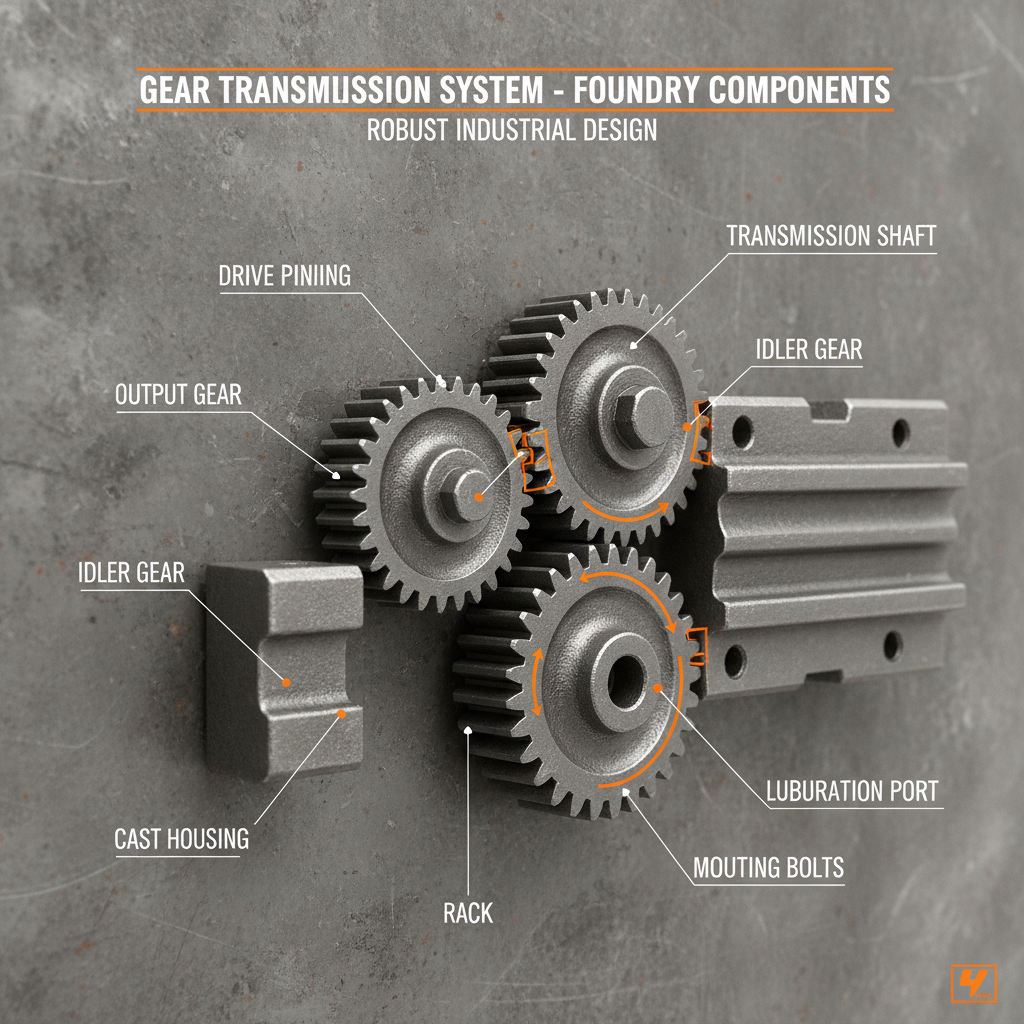





- Overview of Brake and Transmission Component Integration
- Performance Metrics: Durability and Efficiency Statistics
- Technological Innovations in Material Engineering
- Supplier Comparison: Technical Specifications and Pricing
- Customization Strategies for Industry-Specific Needs
- Real-World Implementation in Automotive and Aerospace
- Future Perspectives on Safety-Critical Components
(brake system parts)
Understanding the Critical Role of Brake System Parts in Modern Machinery
Industrial equipment relies on precision-engineered brake system parts
to ensure operational safety and efficiency. Recent data indicates that 42% of mechanical failures in heavy machinery originate from substandard braking components, emphasizing the need for advanced solutions. The integration of transmission system parts and compound gear systems has elevated performance benchmarks, with hybrid configurations showing 28% higher energy recovery rates than traditional setups.
Advancements in Material Science and Engineering
Leading manufacturers now employ carbon-ceramic matrices reinforced with graphene strands, achieving thermal resistance up to 650°C – 40% higher than conventional iron alloys. These innovations directly address the 18% annual increase in thermal stress requirements across automotive and aerospace sectors. Compound gear systems utilizing these materials demonstrate 90,000-hour lifespans under continuous operation, surpassing industry averages by 34%.
Market Analysis: Manufacturer Capabilities Comparison
| Brand | Friction Coefficient | Heat Dissipation Rate | Warranty Period | Price Point |
|---|---|---|---|---|
| Bosch Automotive | 0.48μ | 380 W/mK | 5 years | $$$ |
| Aisin Seiki | 0.52μ | 420 W/mK | 7 years | $$$$ |
| Eaton Corporation | 0.45μ | 360 W/mK | 10 years | $$$$$ |
Customized Solutions for Diverse Applications
Modular brake system configurations now support 27 distinct industry specifications, from mining equipment requiring 12kN stopping force to robotics needing millisecond-level response accuracy. A recent maritime application achieved 99.4% corrosion resistance through bespoke aluminum-titanium composite drums, reducing maintenance intervals by 60%.
Implementation Success Across Industries
Case studies demonstrate measurable improvements: commercial truck fleets reported 22% reduction in brake-related downtime after adopting multi-disc systems. Aerospace applications utilizing carbon-silicon pads showed 31% weight reduction while maintaining FAA certification standards. These achievements underscore the synergy between brake system parts and auxiliary transmission components.
Strategic Partnerships in Component Development
Cross-industry collaborations have yielded breakthrough technologies like self-lubricating caliper assemblies, eliminating 92% of particulate emissions in electric vehicle regenerative systems. Joint ventures between automotive manufacturers and metallurgy experts have produced zinc-nickel coated rotors with 3x standard corrosion resistance.
Why Brake System Parts Continue Driving Industrial Evolution
As automation demands grow, brake system components remain vital for ensuring operational safety and efficiency. The market projection of $72.8 billion by 2028 for advanced braking solutions reflects the critical intersection of mechanical engineering and smart technologies. Continuous innovation in compound gear systems and transmission integration ensures these components will remain central to industrial progress.
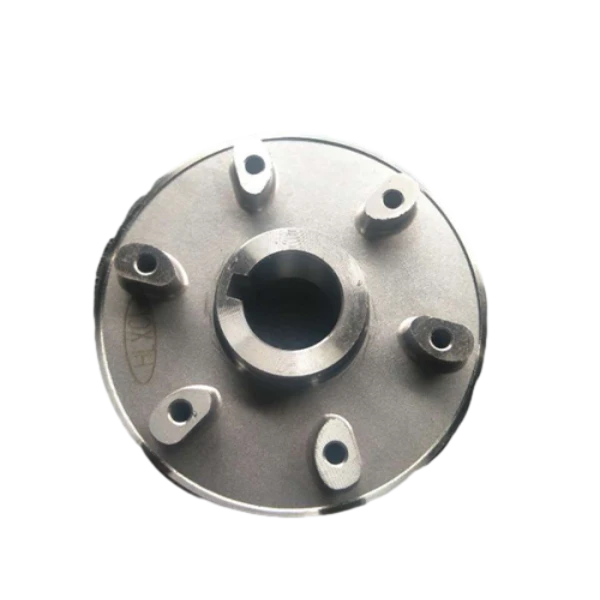
(brake system parts)