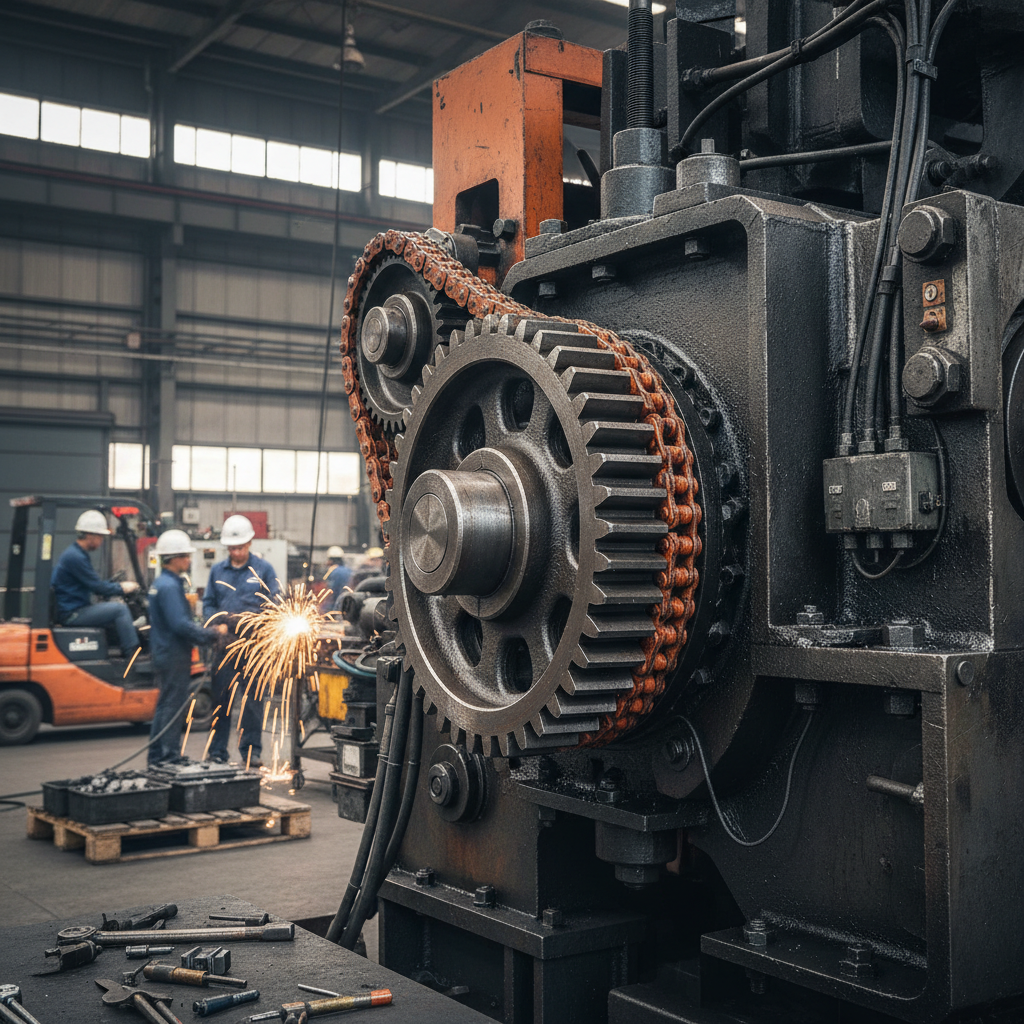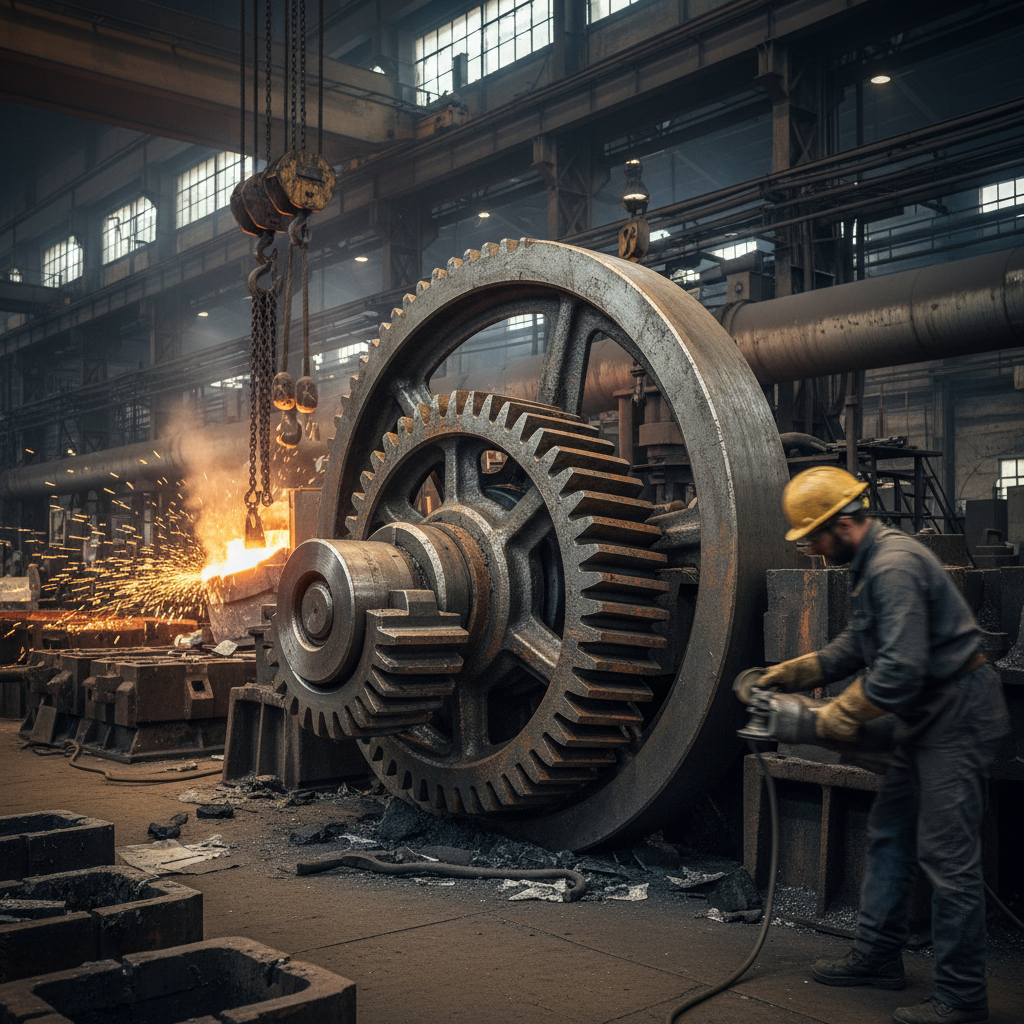





When it comes to mechanical systems, gears play a pivotal role in transmitting power, controlling speed, and ensuring smooth operation. Selecting the right gear manufacturer can make all the difference in achieving top-quality performance and reliability for your applications. Whether you are designing automotive transmissions, industrial machinery, robotics, or aerospace components, a trusted gear manufacturer delivers precision-engineered products that meet your exact specifications.
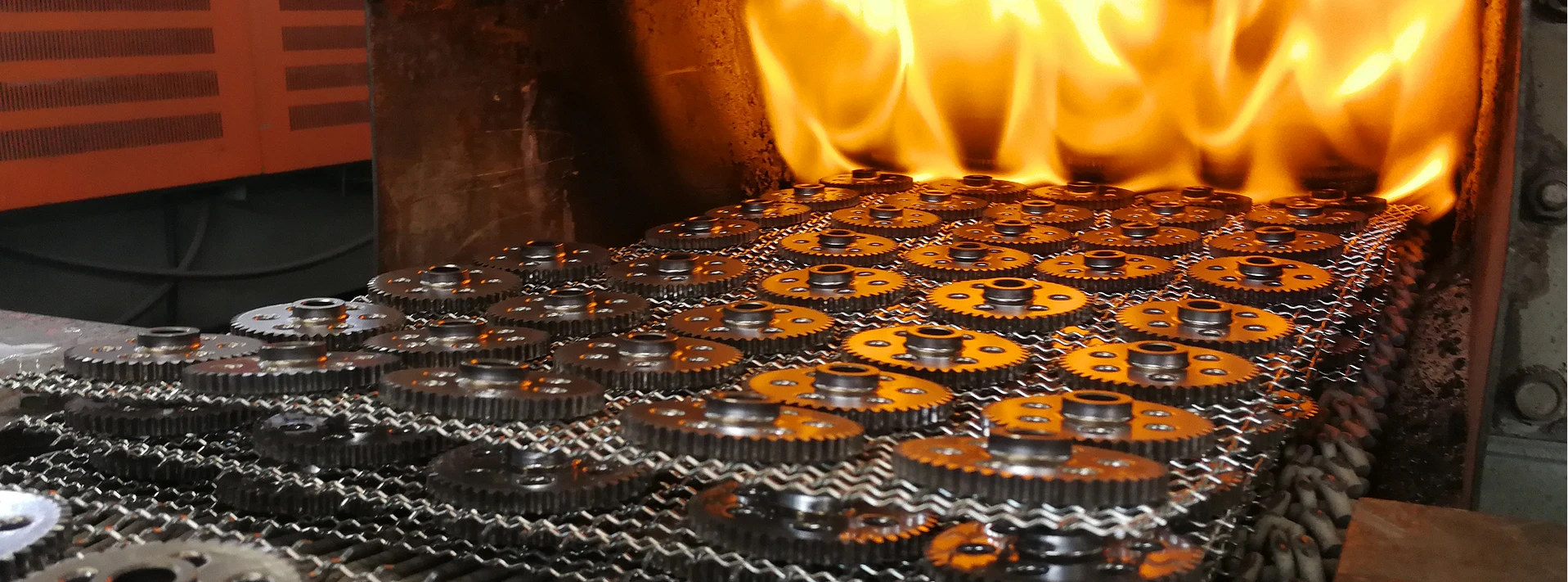
A reputable gear manufacturer combines years of expertise with advanced production technologies such as CNC machining, heat treatment, grinding, and inspection. This ensures that each gear achieves tight tolerances, optimal tooth profiles, and excellent surface finishes. High-quality gears improve efficiency, reduce wear, and extend the lifespan of your entire system.
Additionally, modern gear manufacturers offer customization options to accommodate specific material requirements, coatings, or surface treatments that enhance corrosion resistance and durability. Their ability to prototype quickly and provide detailed technical support throughout the design and manufacturing process sets them apart.
Investing in a top-tier gear manufacturer means you gain access not only to superior products but also to an experienced partner who understands the critical role that gears play in your machinery’s success. This collaboration can lead to innovation, cost savings, and higher operational uptime.
Explore Various Gears Types and Their Applications
Understanding the different gears types is essential for selecting the right component for your mechanical design. Each gear type serves unique functions, and knowing their characteristics helps optimize power transmission and motion control.
Spur gears are the most common type, featuring straight teeth parallel to the gear’s axis. They are used for simple, low-speed applications such as conveyors and gearboxes. Their straightforward design makes them easy to manufacture and cost-effective.
Helical gears have angled teeth, which provide smoother and quieter operation compared to spur gears. They are ideal for high-speed transmissions like automotive gearboxes and industrial equipment, where noise reduction and load capacity are important.
Bevel gears transmit power between intersecting shafts, typically at a 90-degree angle. They come in straight, spiral, and hypoid designs and are widely used in automotive differentials and machine tools.
Worm gears consist of a screw-like worm meshing with a worm wheel, providing high reduction ratios in a compact space. These are common in conveyor systems and tuning mechanisms where precise speed control is needed.
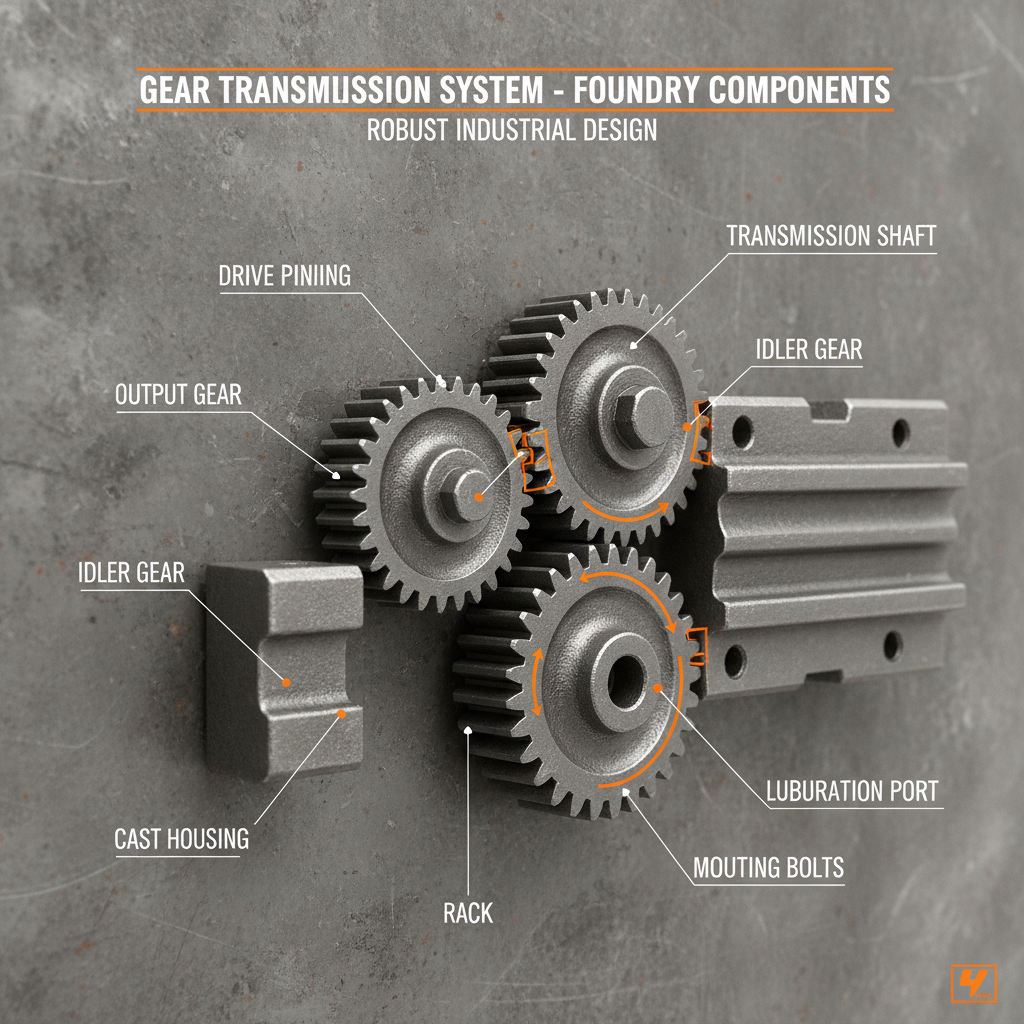
Other specialized gears types include rack and pinion for linear motion, planetary gears for compact and efficient power transmission in gearboxes, and herringbone gears for heavy load applications.
By understanding these gears types and their operational benefits, engineers can select or custom order the perfect gear solution from their chosen gear manufacturer.
How a Detailed Gears Video Can Enhance Your Understanding and Design Process
Visual learning is key when working with complex mechanical components like gears. A well-produced gears video provides engineers, designers, and clients with an in-depth look at how gears operate, mesh, and influence system performance. These videos can demonstrate tooth engagement, load distribution, and common failure modes that might be difficult to grasp from static images or text.
Top gear manufacturers often create educational gears videos showcasing manufacturing processes such as gear cutting, heat treatment, and inspection. These videos highlight the precision and craftsmanship behind each gear, building trust and transparency with customers.
Furthermore, gears videos can illustrate different gears types in motion, showing how each performs under varying conditions. This aids in making informed decisions on gear selection, modification, or troubleshooting.
For training purposes, gears videos help technicians and maintenance teams understand proper installation, lubrication, and wear indicators, reducing downtime and extending gear life.
Incorporating gears videos into your workflow or marketing materials boosts communication, knowledge transfer, and customer engagement — ultimately leading to better products and smoother project execution.
Why Quality Matters in Choosing Your Gear Manufacturer
Not all gear manufacturers are created equal. The quality of your gears directly affects the efficiency, noise levels, durability, and safety of your machines. Choosing a high-quality gear manufacturer means you benefit from stringent quality control protocols, advanced manufacturing equipment, and experienced craftsmanship.
High-quality gears are produced from carefully selected materials like alloy steels, stainless steels, or specialty composites. They undergo treatments such as carburizing, nitriding, or induction hardening to achieve surface hardness and wear resistance without compromising core strength.
A reliable gear manufacturer employs precise machining and finishing processes such as gear hobbing, grinding, and polishing to ensure perfect tooth geometry and surface smoothness. This precision reduces backlash, vibration, and premature failure.
Quality assurance through dimensional inspection, hardness testing, and performance validation is standard for leading gear manufacturers. Certifications such as ISO 9001 or TS 16949 for automotive components provide additional assurance.
Investing in quality gears from a reputable manufacturer results in longer service life, improved energy efficiency, and lower maintenance costs—making it a smart long-term business decision.
The Future of Gear Manufacturing: Innovations from Leading Gear Manufacturers
The world of gear manufacturing is evolving rapidly thanks to technological advancements and digital transformation. Leading gear manufacturers are adopting innovations that enhance product quality, reduce costs, and shorten lead times.
Additive manufacturing (3D printing) is revolutionizing prototyping and even production of complex gears with geometries previously impossible to machine. This technology enables rapid iteration and lightweight designs without sacrificing strength.
Smart manufacturing techniques, including IoT-enabled machinery and AI-driven process optimization, allow gear manufacturers to monitor production in real-time, predict equipment maintenance, and maintain consistent quality.
Advanced materials such as powder metallurgy blends, composites, and surface coatings increase gear performance in demanding environments, including aerospace and electric vehicles.
Digital twin technology allows virtual simulation of gear performance under various conditions, helping engineers and gear manufacturers optimize designs before production.
As these innovations become mainstream, the collaboration between engineers and gear manufacturers will lead to more efficient, durable, and tailored gear solutions that meet the demands of future industries.
Gears FAQs
What factors should I consider when selecting a gear manufacturer?
Consider the manufacturer’s expertise, quality certifications, production capabilities, and customization options. Review their portfolio, client testimonials, and whether they offer engineering support. A strong commitment to quality, on-time delivery, and after-sales service is essential for a successful partnership.
What are the most common gears types used in automotive applications?
Spur gears, helical gears, bevel gears, and hypoid gears are most common in automotive systems. Each type has unique roles, such as transmitting power between parallel or intersecting shafts, reducing noise, and handling high torque loads.
How can a gears video help in understanding gear failures?
A gears video visually explains gear interactions, common wear patterns, misalignment issues, and lubrication problems. This helps maintenance teams diagnose issues quickly and implement corrective actions to prevent downtime.
What materials are typically used for manufacturing high-quality gears?
Common materials include alloy steels like 8620, stainless steel, brass, bronze, and sometimes high-performance composites. Material choice depends on application requirements such as strength, corrosion resistance, and wear conditions.
Can I get custom gears from a gear manufacturer?
Yes, most professional gear manufacturers offer custom gear design and production services. They work closely with clients to develop gears that meet specific size, material, tooth profile, and performance criteria, ensuring optimal fit and function.