




Understanding Common Types of Gears: The Backbone of Modern Machinery
Gears—they’re everywhere. From the engine of your car to the clock on your wall, these intricate, toothed wheels quietly power countless devices behind the scenes. But beyond the basics, understanding the common types of gears is essential for engineers and businesses worldwide, directly impacting efficiency, durability, and cost-effectiveness across industries. Frankly, knowing your worm from your bevel isn’t just academic; it’s practical, often crucial for innovation and sustainability.
Introduction: The Global Relevance of Common Types of Gears
Globally, machinery manufacturing accounted for roughly $4 trillion in output in 2022, according to the International Organization for Standardization (ISO). Within this colossal sector, gears represent the essential transmission components that ensure machines move reliably and efficiently. However, the challenge lies in selecting the right gear type for specific applications—from heavy industry and renewable energy to robotics and medical devices—each with unique demands. Choosing the wrong gear type can lead to premature failure or energy losses, which is both costly and environmentally unfriendly. This issue highlights why an awareness of the different common types of gears is more than a niche concern; it’s a cornerstone of machining progress worldwide.
Definition & Meaning: What Exactly Are Common Types of Gears?
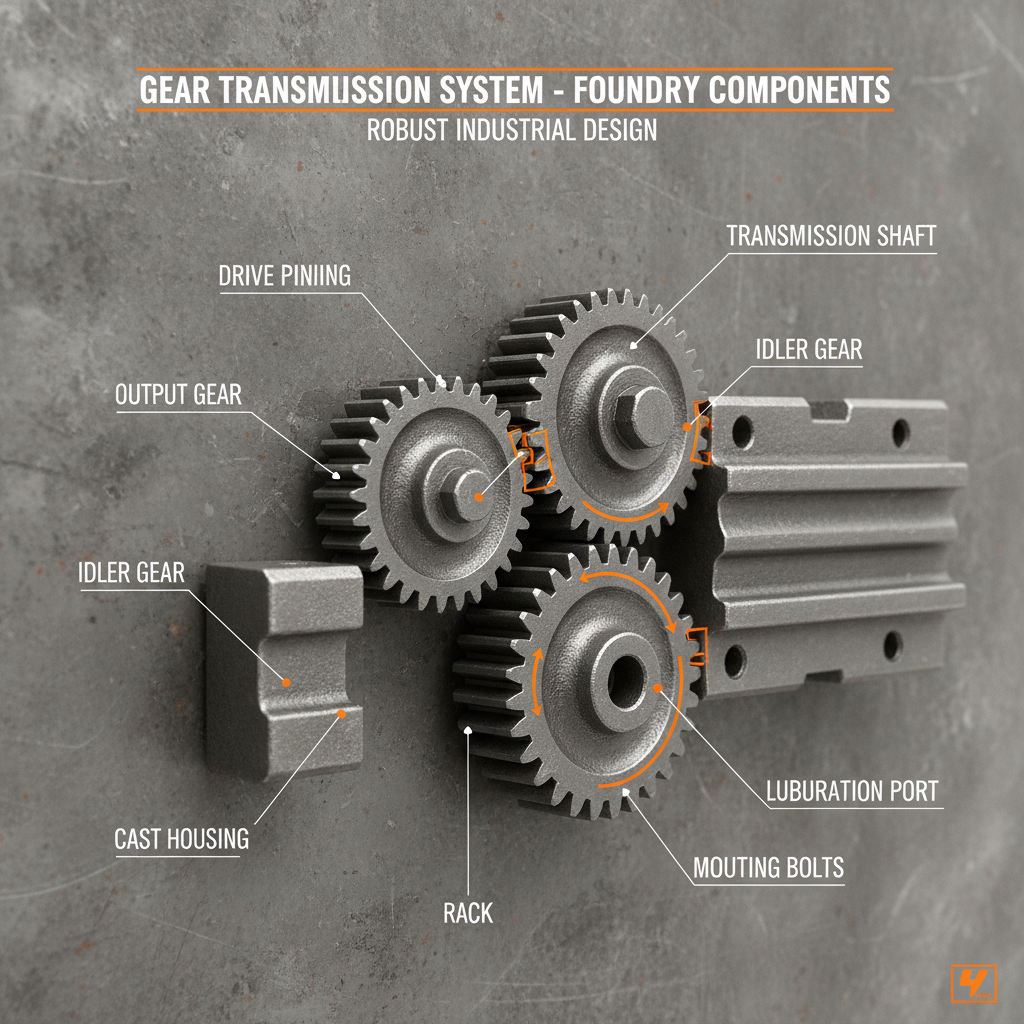
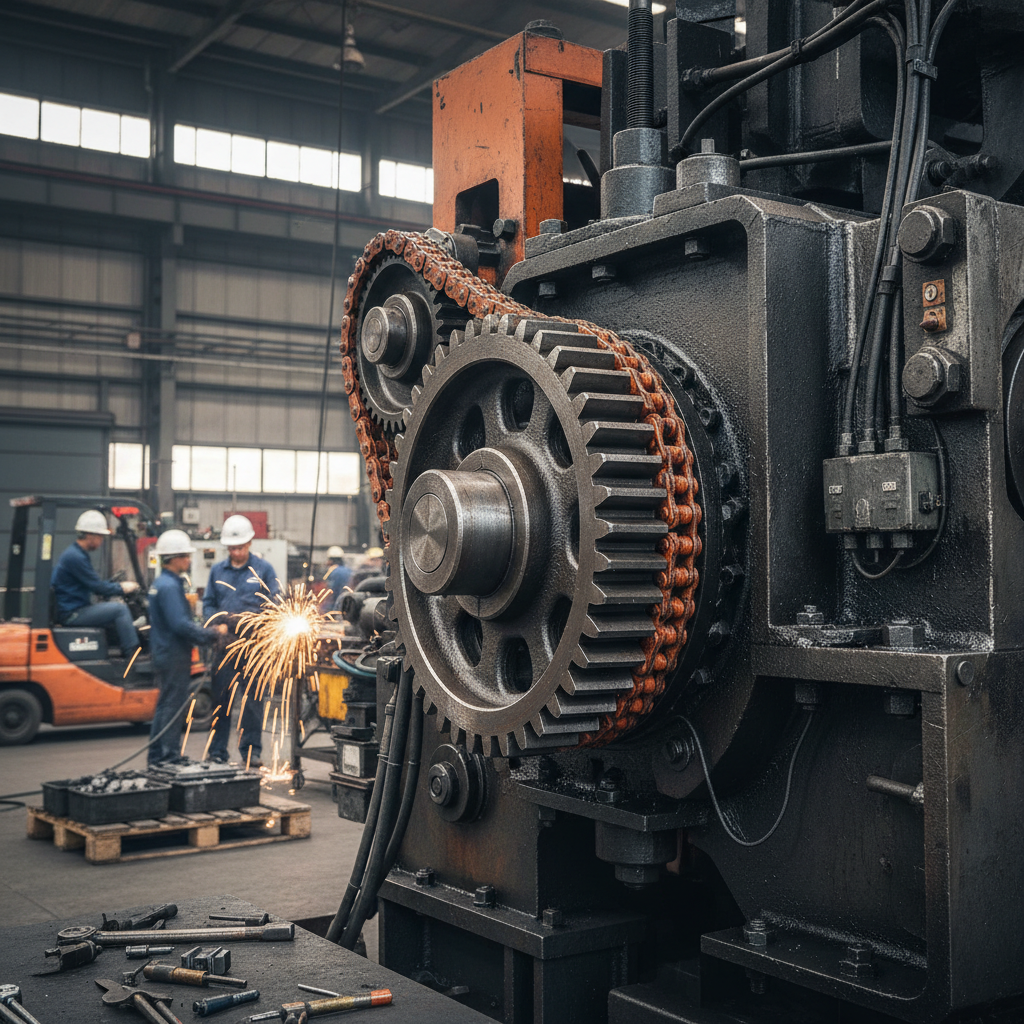
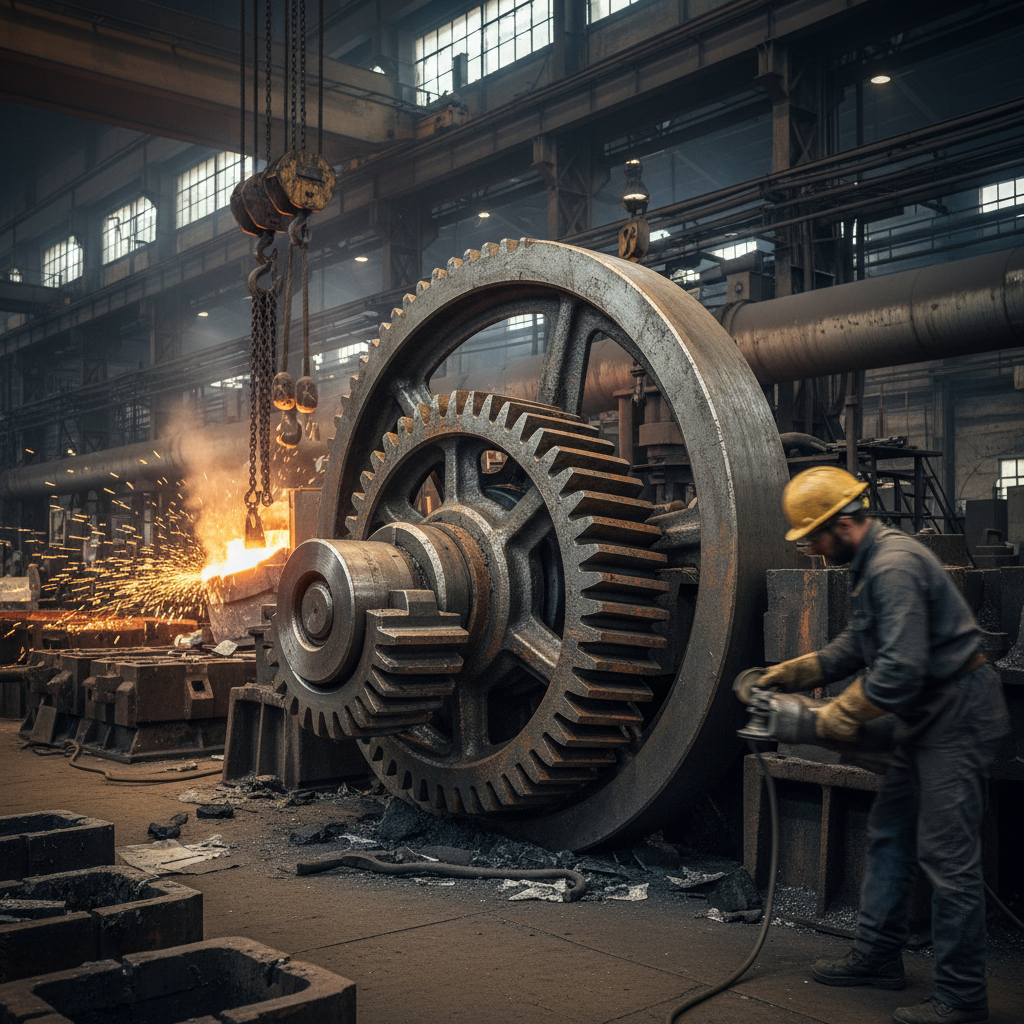
At its core, a gear is a rotating machine part featuring cut teeth, which mesh with other teeth to transfer torque and motion. The "common types of gears" typically refer to categories widely used in mechanical systems, including spur, helical, bevel, worm, and planetary gears. Each type is distinguished by its tooth shape, axis arrangement, and motion capabilities. For example, while spur gears have straight teeth and transfer motion between parallel shafts, bevel gears handle intersecting axes, and worms deliver high torque with speed reduction in tight spaces.
This diversity allows industries to tailor gear solutions to the challenges of modern production lines, humanitarian machinery, and critical infrastructure—a testament to their immense value beyond the factory floor.
Key Factors or Core Components of Common Types of Gears
1. Durability
Depending on material and design, gears must withstand wear and tear under varied loads. For instance, helical gears are generally quieter and more durable than spur gears due to their angled teeth distributing force more evenly.
2. Efficiency
Poorly chosen gears can waste energy. Worm gears, while excellent for high reduction ratios, tend to have lower efficiency due to sliding contact friction.
3. Cost Efficiency
Manufacturing complexity varies wildly. Spur gears are simpler and cheaper to produce but might fail under complex loads, whereas planetary gears, being more intricate, offer better performance at higher cost.
4. Scalability
Some gears are easier to scale for different sizes or power levels. For example, bevel gears are favored in automotive differentials for compact scalability.
5. Noise & Vibration
Noise can be an issue in consumer products. Helical and planetary gears produce less noise compared to spur gears.
Product Specification Table: Overview of Common Gear Types
| Gear Type | Typical Use | Torque Capacity | Noise Level | Manufacturing Cost |
|---|---|---|---|---|
| Spur Gear | Simple machines, clocks | Moderate | High | Low |
| Helical Gear | Automotive transmissions | High | Low | Medium |
| Bevel Gear | Automotive differentials, industrial | High | Medium | Medium to High |
| Worm Gear | Lifts, conveyors | Very High | Low | Medium |
| Planetary Gear | Robotics, wind turbines | Very High | Low | High |
Global Applications & Use Cases
Across continents and industries, different gears power everything from agricultural machinery in Sub-Saharan Africa to precision instruments in Japan. For instance, planetary gear systems are crucial in green energy solutions like wind turbines, often deployed in remote areas where efficiency and durability are paramount.
Industries such as mining and construction heavily rely on worm and bevel gears, prized for their high torque and directional change abilities—think of heavy cranes changing the orientation of their massive arms. Oddly enough, humanitarian fields too use gears indirectly; the pumps and generators in emergency relief depend on robust gearing for water supply and power generation.
In some fascinating cases, companies retrofit consumer devices with helical gears to reduce noise pollution in urban settings, responding to stricter ISO sound emissions standards and community concerns.
Vendor Comparison Table: Leading Gear Manufacturers
| Vendor | Specialties | Global Reach | Sustainability Focus | Innovation (R&D) |
|---|---|---|---|---|
| GearMasters Inc. | Custom planetary & bevel gears | Europe, Asia | ISO 14001 certified | Strong (15% revenue) |
| EcoGear Solutions | Worm and helical gears for green tech | North America, Europe | Certified carbon-neutral plant | Moderate (10% revenue) |
| PrecisionGear Co. | High-precision micro gears | Worldwide | Focus on long-lasting materials | Very Strong (20% revenue) |
Advantages & Long-Term Value of Knowing the Common Types of Gears
- Cost savings: Choosing the right gear reduces maintenance and energy losses.
- Sustainability: Efficient gears decrease energy consumption and environmental impact.
- Safety: Well-designed gear assemblies minimize machine failures that could endanger workers.
- Innovation: Awareness supports tailored solutions, enabling smarter, lighter, and more reliable machines.
- Social impact: Durable gears help in humanitarian equipment, preserving dignity and lives.
Future Trends & Innovations in Gear Technology
Looking ahead, materials science is shifting gears—pun intended—toward composites and advanced alloys that deliver strength with less weight. Digital transformations enable smart monitoring of gear wear through sensors and AI, predicting maintenance before failure happens. There's also a rise in 3D-printed gears, promising faster prototyping and customization. And oddly enough, sustainability is pushing the industry to rethink the entire lifecycle, aiming for recyclability and less toxic lubricants. With automation surging everywhere, gear technology must evolve to match demand for precision, quietness, and green credentials.
Challenges & Solutions
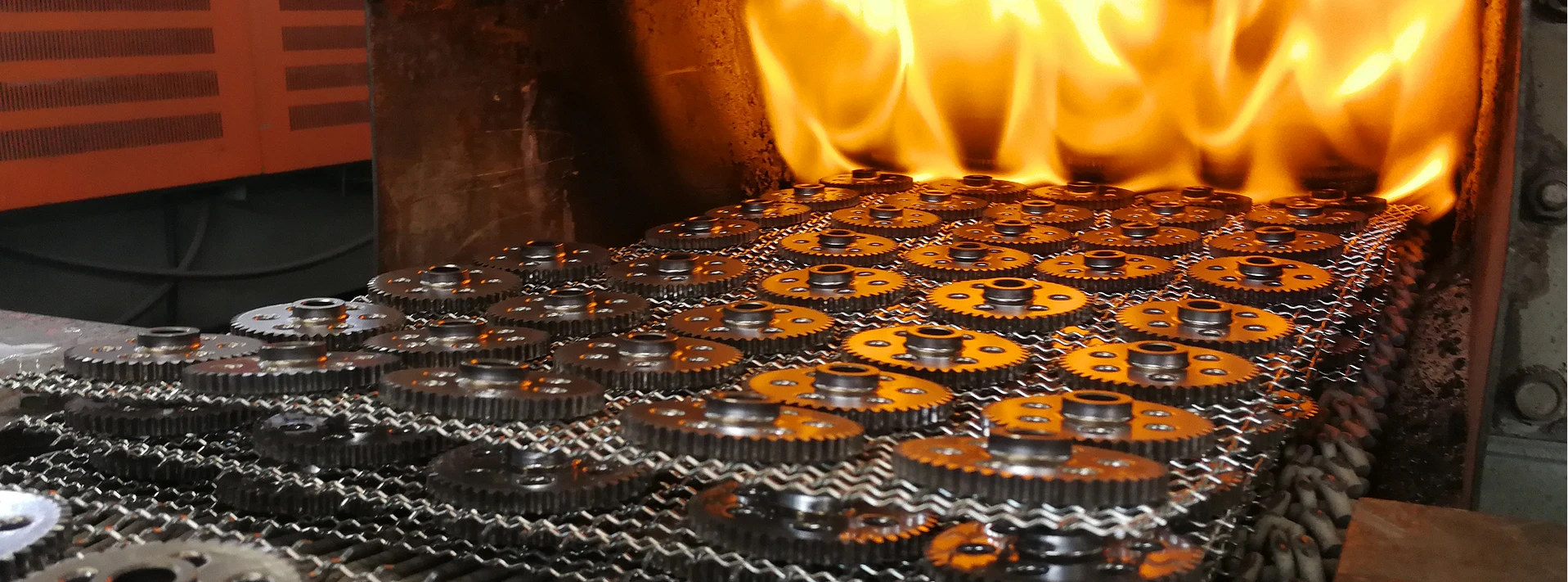
Not all gears are created equal, and there are limits. High-speed applications cause heat buildup, which can degrade lubricants and materials. Manufacturing precision is vital but costly. Plus, many industries still face design inertia, sticking with familiar gear types and missing out on efficiency gains.
Experts suggest adopting condition-based maintenance supported by IoT sensors and integrating gear design software early in product development to optimize performance. Partnerships between academia and manufacturers foster innovations that might otherwise stall due to entrenched practices.
FAQ: Frequently Asked Questions About Common Types of Gears
- What is the best gear type for high-torque and low-speed applications?
- Worm gears excel in high torque and low-speed environments due to their design, which allows significant speed reduction and high force transmission. However, they can be less efficient because of sliding friction, so lubrication and material choice are critical.
- How do helical gears reduce noise compared to spur gears?
- Helical gears have angled teeth that gradually engage, which distributes the load more evenly and reduces impact noise, unlike the sudden engagement of straight teeth in spur gears. This makes them ideal for automotive and household appliances.
- Are planetary gears suitable for compact applications?
- Absolutely. Planetary gears provide high torque density in a small footprint, making them perfect for robotics and aerospace where space and weight are limited, yet reliability and power are vital.
- How can I ensure the longevity of gears in harsh environments?
- Using corrosion-resistant materials, proper lubricants, and sealed gearboxes helps protect gears against dust, moisture, and chemicals, extending their operational life significantly.
- Is it possible to customize gear design for unique industrial needs?
- Yes, through advanced CAD and manufacturing technologies like CNC machining or 3D printing, gears can be tailored in size, tooth profile, and material to suit specific operational demands and improve overall system performance.
Conclusion & Call to Action
Clearly, the common types of gears form the mechanical heartbeat of countless devices that shape our world. Understanding their variants and applications equips industry leaders and engineers alike to make smart, sustainable, and cost-effective choices. If you want to dig deeper into specific gear technology or source quality gear components, visit our website — we’re here to help you keep things turning smoothly.
Mini takeaway: Gears may seem simple, but their variety and nuances matter hugely — mastering them fuels innovation across all sectors.