




Understanding the Compound Gear System: Why It Matters Worldwide
At first glance, a compound gear system might seem like a piece of dusty mechanical jargon. But in reality, it's a fundamental technology quietly powering industries and innovations from Africa's burgeoning manufacturing hubs to the high-tech factories in Germany. This gear arrangement isn't just about turning wheels; it’s about harnessing mechanical advantage, optimizing space, and ensuring machines work efficiently under diverse conditions. Understanding this system's complexity unlocks smarter designs, more sustainable production, and even humanitarian solutions, especially in places where reliable machinery can transform lives.
The Global Importance of Compound Gear Systems
Globally, the industrial machinery market was valued at over $600 billion in 2023, with mechanical components such as compound gears playing a pivotal role (source: ISO). These gear systems are instrumental in industries ranging from automotive assembly lines to energy production plants. Yet, there’s a real challenge: many regions still face inefficiencies because their equipment relies on suboptimal gearing technology.
For example, in developing nations, improperly designed gear trains can cause frequent breakdowns, costing valuable time and money. With rising automobility, green energy adoption, and mechanized agriculture — reliable compound gearing offers a path forward, enabling scalable and durable machine designs across sectors.
What Exactly Is a Compound Gear System?
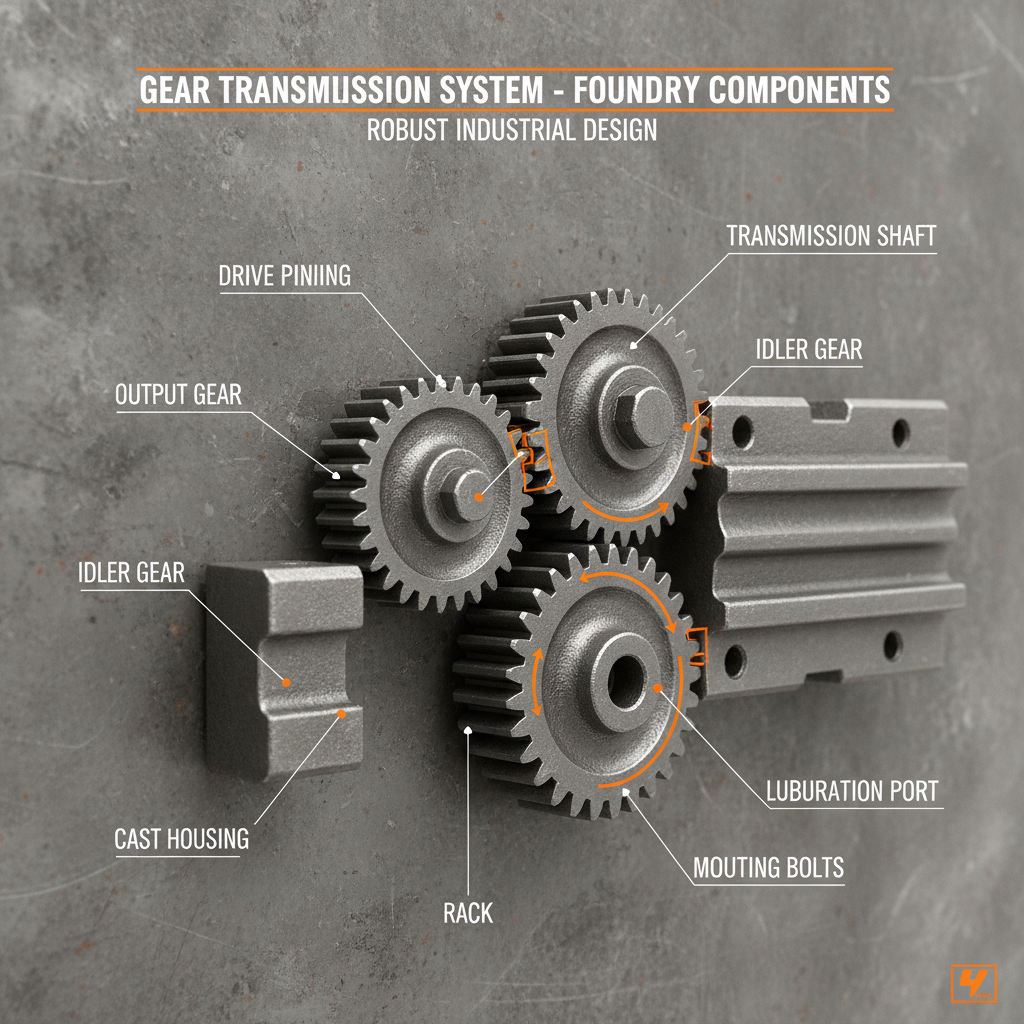
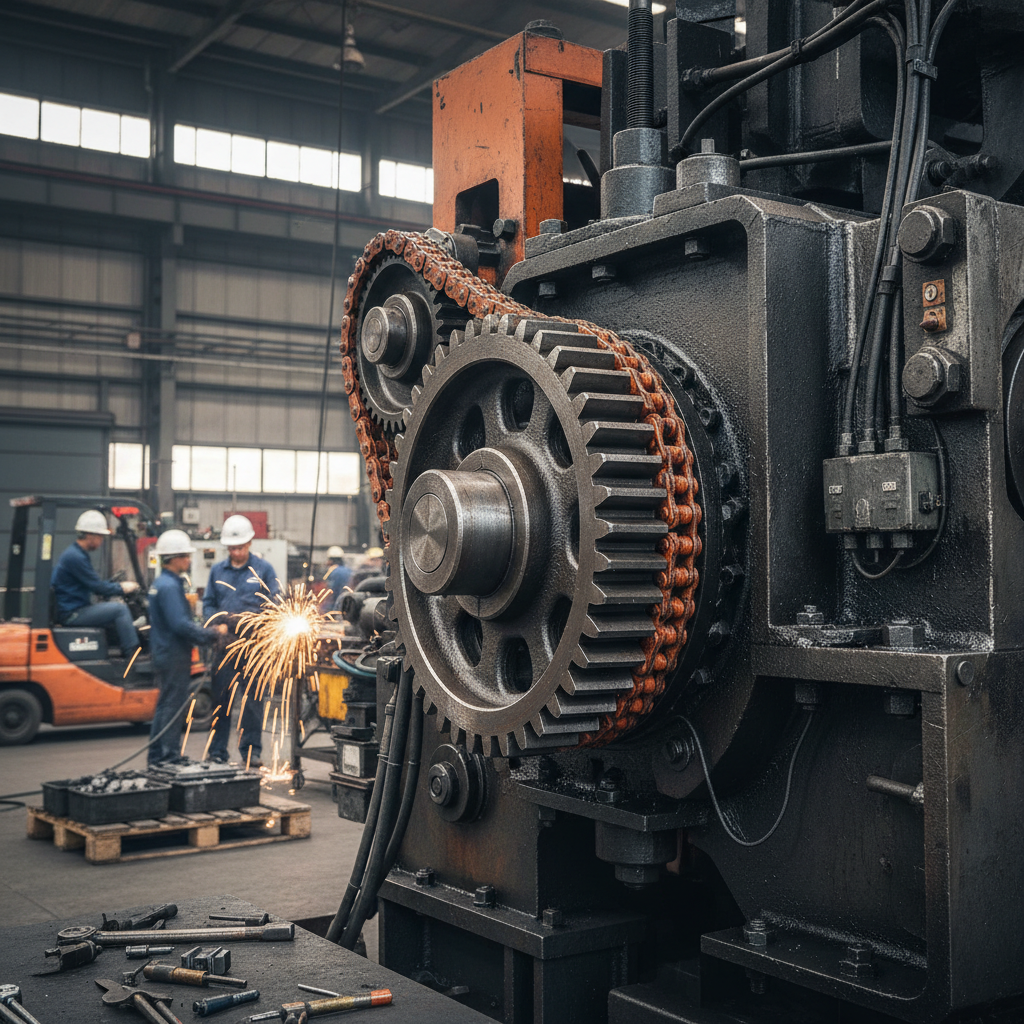
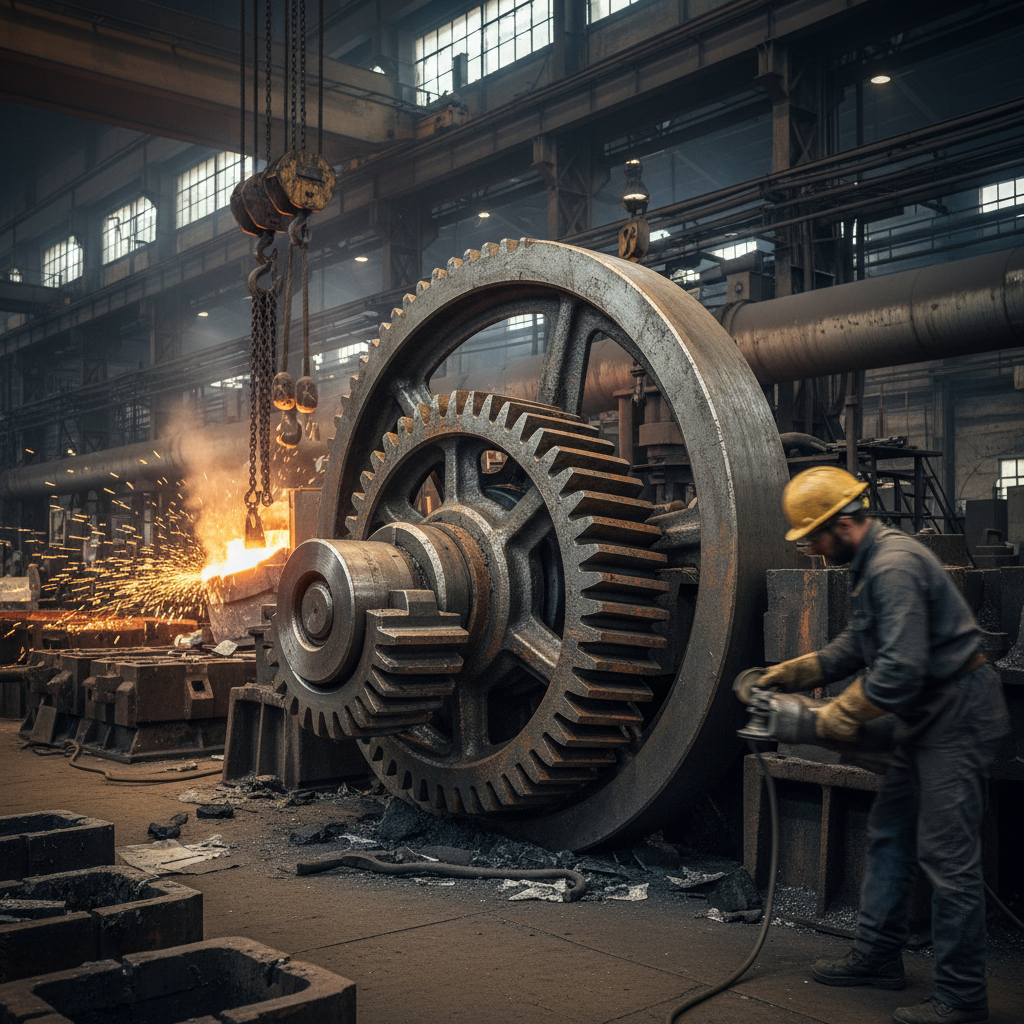
Simply put, a compound gear system refers to a setup where two or more gears are mounted on the same shaft, working together to provide a stepped mechanical advantage. This configuration allows for greater speed reduction or torque multiplication within a limited space, compared to single gear pairs.
Think of it like stacking gears so you get multiple speed reductions in one compact package — a chain of gears each turning the next either faster or stronger, depending on what's needed. This principle is crucial in modern machinery, ensuring smooth power transmission in everything from conveyor belts to wind turbines. It also underpins humanitarian devices, such as water pumps used in rural development, where compact, reliable power transfer is essential.
Key Elements of a Compound Gear System
1. Durability
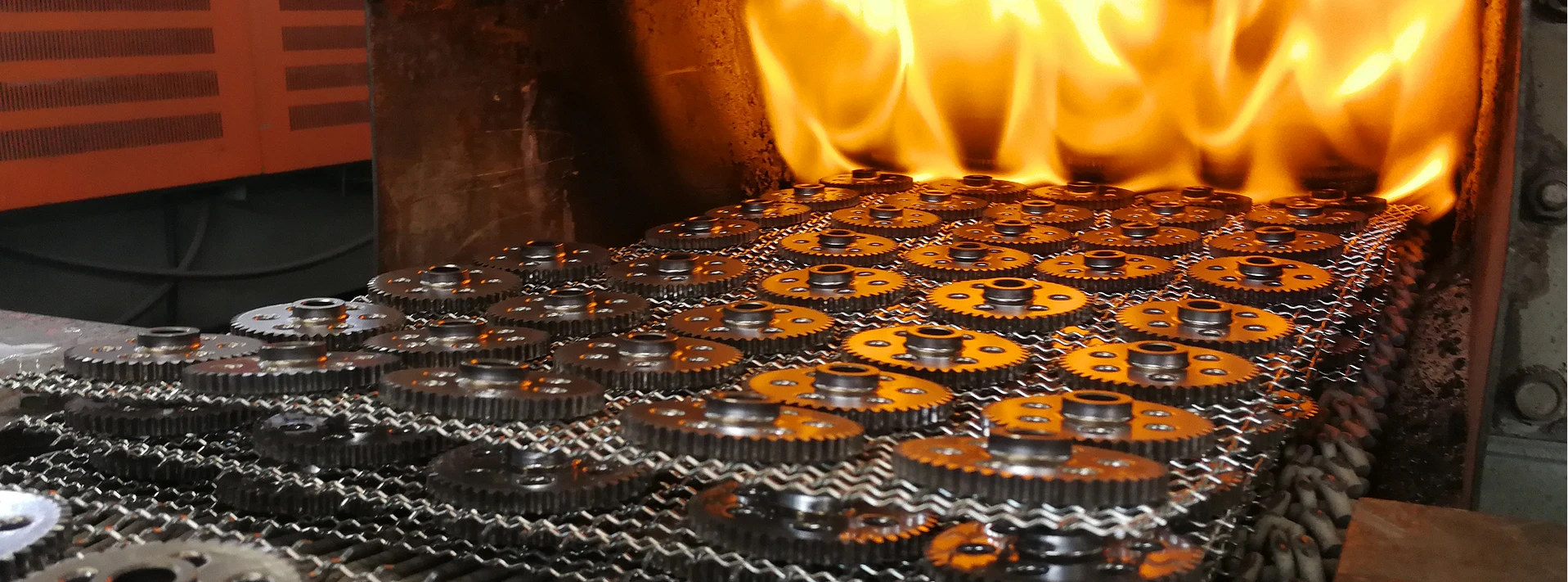
Compound gears often undergo intense stresses. Engineers select materials like alloy steels or hardened composites to withstand wear. Durable systems cut downtime, crucial when a breakdown in a remote area might mean days without power or transport.
2. Scalability
The beauty of compound gears is their modular design. They can be scaled for small precision instruments or massive industrial crushers. This scalability means they fit both small start-ups and global heavy industries alike.
3. Efficiency
Efficiency translates directly to energy savings and performance. Properly designed compound gear trains can reach efficiencies above 95%, reducing wasted energy and extending machine life.
4. Cost Effectiveness
While more complex than simple gears, compound systems often deliver better value by shrinking size and weight, reducing materials and installation costs.
5. Noise & Vibration Control
Engineering a smooth mesh and balance is key to minimizing noise and prolonging system lifespan — factors critical in urban manufacturing environments or medical devices.
Mini Takeaway:
Compound gear systems are engineering marvels blending durability, efficiency, and versatility — a mix essential for modern industrial success.
Where Compound Gear Systems Power Real-World Progress
Applications for these systems span continents and industries:
- Automotive manufacturing: in Germany and the USA, complex gearboxes rely on compound gear trains to provide multiple speed ratios in compact assemblies.
- Renewable energy: wind turbines in Denmark employ them to multiply slow rotor speeds into faster generator output.
- Agricultural machinery: in India and Brazil, these systems help power irrigation pumps and harvesters, improving crop yields.
- Post-disaster relief operations: quickly deployable water pumps and power tools use compact compound gears to ensure lightweight yet robust devices.
Product Specification Table
| Specification | Value | Notes |
|---|---|---|
| Material | Alloy steel (AISI 9310) | Heat-treated for durability |
| Module (Gear Tooth Size) | 2.5 mm | Fits medium torque applications |
| Number of Stages | 3 stages | Multiple speed reduction |
| Efficiency | Up to 96% | Depends on lubrication & precision |
| Typical Operating Temp | -20°C to 120°C | Suitable across climates |
Advantages and Long-Term Value of Compound Gear Systems
When you dive deep, the advantages pile up:
- Cost savings: Reduced material and space requirements trim production costs.
- Sustainability: Greater efficiency means less wasted energy — a win for green initiatives.
- Reliability: Proven mechanical designs backed by decades of research boost trust.
- Safety and dignity: In humanitarian engineering, durable compound gears ensure equipment available in emergencies doesn’t fail, ultimately saving lives.
- Innovation support: Easily customizable for new tech like compound gear system variants in robotics or 3D printing machinery.
Looking Ahead: Future Trends in Compound Gear Technology
Innovations in this classic mechanical field are quietly accelerating:
- Advanced materials: composites and 3D-printed metals enabling lighter, stronger gears.
- Digital twin modeling: virtual replicas optimize gear design and predict maintenance needs.
- Green manufacturing practices: reducing carbon footprints during production.
- Integration with automation: precise compound gear solutions for robots and autonomous vehicles.
Challenges and Practical Solutions
Of course, nothing's perfect. Challenges include:
- Wear and tear: despite durable materials, smaller gears in compound sets wear out faster. Regular lubrication and condition monitoring help.
- Complex assembly: requires skilled technicians — investments in training and modular design simplify this.
- Cost barriers: small manufacturers sometimes avoid complex gear trains, but modular kits and outsourcing can reduce upfront costs.
Vendor Comparison Table: Selecting the Right Compound Gear System Provider
| Vendor | Material Options | Customization | Lead Time | Price Range |
|---|---|---|---|---|
| GearPro Inc. | Steel, Cast Iron, Composites | High | 4-6 weeks | $$$ |
| PrecisionDrive Ltd. | Alloy Steels, Titanium | Medium | 3-5 weeks | $$$$ |
| MechMakers | Steel, Plastic Composites | Low | 2-4 weeks | $ |
FAQ: Practical Questions About Compound Gear Systems
Q1: How do compound gear systems improve machine efficiency?
A: By combining multiple gear pairs onto a shared shaft, compound gear systems allow for precise control of speed and torque without bulky, inefficient setups. This leads to smoother transmission, less energy loss, and extended machine lifespan.
Q2: Are compound gear systems suitable for harsh environments?
A: Absolutely. When built with the right materials and coatings, these gear trains can withstand dust, moisture, and temperature extremes common in mining, agriculture, or off-grid renewable installations.
Q3: Can compound gear systems be customized for unique machinery?
A: Many suppliers offer modular designs and bespoke engineering services to tailor gear ratios, sizes, and materials, ensuring compatibility with specialized equipment.
Q4: What maintenance is needed to keep compound gear systems running well?
Regular lubrication, alignment checks, and early wear detection through vibration analysis will keep these systems reliable and minimize unexpected failures.
Q5: How do compound gear systems contribute to sustainability?
By maximizing mechanical efficiency and reducing materials through compact design, they lower energy consumption and waste — key ingredients in greener industrial practices.
Wrapping It Up: Why Compound Gear Systems Matter to Your Business (and Beyond)
From raw industrial powerhouses to nimble humanitarian machines, compound gear systems form a backbone of modern mechanical efficiency. They've evolved to meet diverse challenges, balancing cost, durability, and precision — and with innovations on the horizon, they're only getting better. Whether you’re specifying equipment for a factory or equipping remote clinics, these systems combine practicality with long-term value.
For those keen on diving deeper or sourcing high-quality compound gear systems reliably, I recommend checking out compound gear system solutions from trusted vendors. Your machines — and your bottom line — will thank you.