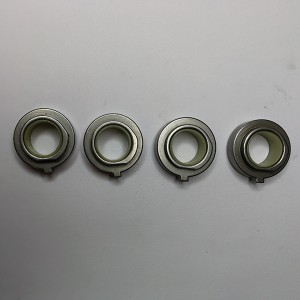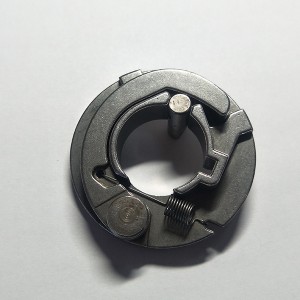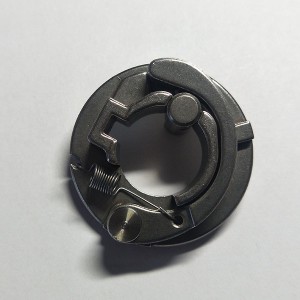





Speed Reducer Gear: The Unsung Hero Powering Global Industry
If you’re new to the world of mechanical engineering or industrial machinery, the phrase speed reducer gear might sound a tad technical — or maybe just plain dull. But hang on a moment. This unassuming component quietly plays a vital role in machinery worldwide, from the smallest factory to massive infrastructure projects. Globally, the demand for efficient, reliable speed reducers is growing hand in hand with industrialization and the rise of automation. Understanding this part not only opens doors to better manufacturing and maintenance but also intersects with sustainability, cost savings, and operational safety. Plus, it's just plain fascinating how such a simple concept can transform power and motion in countless devices.
Quick takeaway: Speed reducer gears matter because they optimize machine performance globally, saving energy and money.
Global Context: Why Speed Reducer Gears Matter More Than Ever
Industrial sectors are booming in Asia-Pacific and Africa, according to the International Energy Agency, with manufacturing output expected to increase significantly through 2030. This surge means more machines running longer and harder, making speed reducer gears essential for efficient operations. The ISO 9001 standards highlight quality assurance in parts like these — the gears that connect motor to mechanism. However, as production speeds up, so do problems: overheating, premature wear, or mismatched torque can shut down lines and cost millions.
In fact, the World Bank estimates that mechanical inefficiencies waste roughly 20-30% of industrial energy worldwide. Improving gear efficiency directly combats this. Speed reducer gear solutions that adapt across different industries help address this challenge — a small fix with a massive global impact.
Quick takeaway: As industries grow, speed reducer gears aid energy efficiency and reliability — good news for economies and the environment.
What Exactly Is a Speed Reducer Gear?
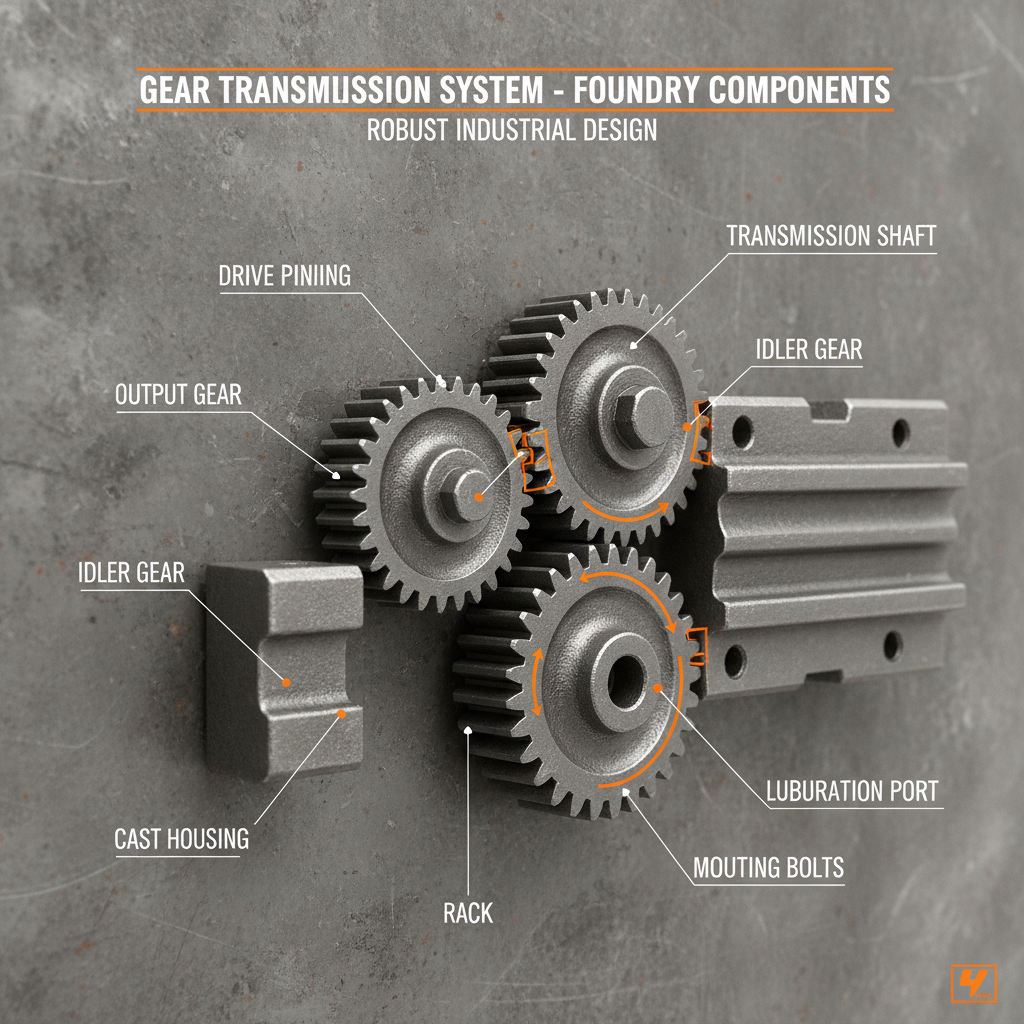
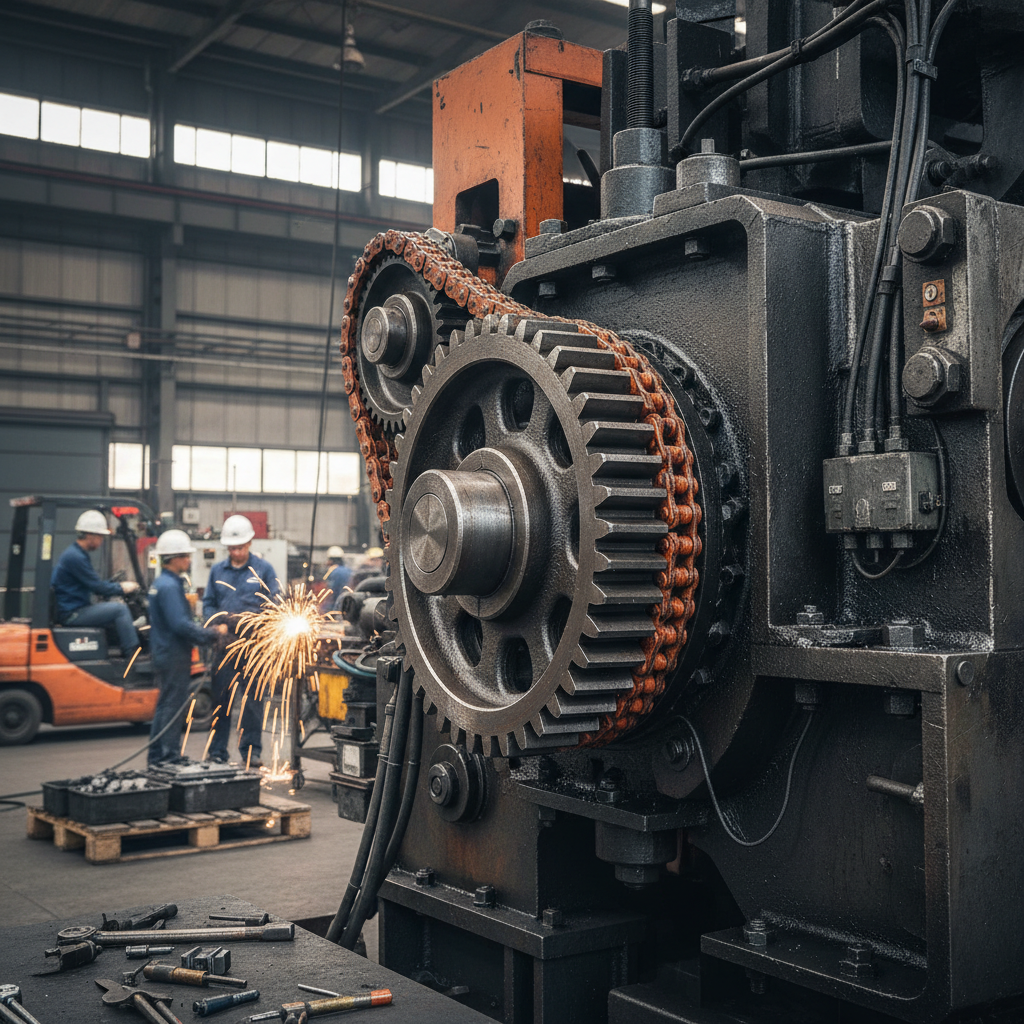
At its core, a speed reducer gear is exactly what it says on the tin: a device that reduces a motor's rotational speed to a lower, more usable speed, while increasing torque. It’s that simple concept that prevents motors from spinning faster than the machines they drive can handle. Without it, many machines would either operate inefficiently or risk damage.
Think about a conveyor belt. The motor might run at 1800 RPM (rotations per minute), but that belt only needs to move at 50 RPM to do its job well. The speed reducer gear steps in to slow down the motor output while simultaneously increasing the force to keep the belt moving smoothly under heavy loads.
These gears are fundamental to sectors from manufacturing and transportation to humanitarian aid projects, where machinery often needs to perform reliably in harsh conditions — post-disaster power generators, water pumps for remote communities, or industrial mixers in large-scale food production, to name a few.
Quick takeaway: Speed reducer gears balance speed and torque, enabling machines to work efficiently and safely.
Core Components and Key Factors Driving Performance
1. Durability
Manufactured from hardened steel or advanced alloys, durability is essential. These gears must withstand heavy loads, shocks, and constant motion without wearing out quickly. Many engineers say that sometimes the choice of lubrication and surface treatment is just as critical as the gear design itself.
2. Efficiency
Efficiency impacts energy use and heat generation. A good speed reducer gear minimizes power loss, crucial for cost-saving and sustainability goals. Precision engineering and tight tolerances often make the difference.
3. Scalability
From micro gearboxes in robotics to huge reducers for mining excavators, scalable designs ensure the right fit for any application. Modular approaches now allow quicker customization and easier maintenance.
4. Cost-Effectiveness
Of course, cost always plays a role. Choosing a speed reducer with a balance of upfront cost and lifecycle value can save thousands of dollars over a machine's life.
5. Noise and Vibration Control
Reducing noise and vibration not only extends gear life but also improves workplace safety, and frankly, nobody enjoys deafening machine rooms.
Quick takeaway: Durability, efficiency, scalability, cost, and noise tolerance define practical speed reducer gear choices.
Global Applications & Use Cases of Speed Reducer Gears
Speed reducer gears find homes in pretty much every sector imaginable:
- Manufacturing plants: powering assembly lines and robotic arms all day, every day.
- Mining and construction: enabling huge dump trucks and excavators to handle immense strain.
- Renewable energy: in wind turbines converting high-speed blade rotation to suitable generator speeds.
- Disaster relief: mobile water pumps and portable power kits use compact, reliable reducers to aid devastated areas.
- Agriculture: powering irrigation systems and grain processing equipment, especially important in emerging markets.
For instance, in remote industrial zones in Africa, durable speed reducers maintain essential operations despite harsh climate and infrastructural limits. A small gear failure here can mean days of downtime and lost livelihood.
Quick takeaway: These gears power industries from factories to fields and aid vital humanitarian efforts worldwide.
Advantages & Long-Term Value of Investing in Speed Reducer Gears
Speed reducer gears bring a variety of benefits that are both practical and profound:
- Energy efficiency: Less power lost to friction equals lower bills and smaller carbon footprints.
- Improved safety: Precise speed and torque control helps prevent accidents.
- Extended machine life: Reducing wear and stress saves replacement and repair costs.
- Operational consistency: Smooth delivery supports quality control in production.
- Social good: Reliable machinery means steady jobs, better infrastructure, and improved quality of life.
In emotional terms, these gears instill confidence: you know your line won’t grind to a halt unexpectedly, and operators feel safer.
Quick takeaway: The right speed reducer gear boosts efficiency, safety, reliability, and socio-economic stability.
Product Specification Table: Typical Speed Reducer Gear Parameters
| Specification | Typical Range | Units | Notes |
|---|---|---|---|
| Input Speed | 500 - 3500 | RPM | Depends on motor type |
| Output Speed | 5 - 300 | RPM | Reduced by ratio |
| Gear Ratio | 5:1 - 60:1 | - | Torque multiplier |
| Torque Capacity | 50 - 5000 | Nm | Varies by size/material |
| Noise Level | 45 - 75 | dB(A) | Lower better for workplace |
| Operating Temperature | -20 to +90 | °C | Standard industrial range |
Vendor Comparison: A Snapshot of Speed Reducer Gear Providers
| Feature | GearPro Inc. | TorqueMax Systems | JSS Sintering (You) |
|---|---|---|---|
| Product Range | Broad (Micro to Heavy) | Heavy Duty Focus | Custom & Modular Solutions |
| Lead Time | 4-6 weeks | 6-8 weeks | 3-5 weeks |
| Warranty | 2 years | 3 years | 5 years |
| After-Sales Support | Good | Very Good | Excellent, 24/7 Technical Assistance |
| Eco-Friendly Materials | Limited | Yes (Partial) | Full Range of Sustainable Options |
Future Insights: Innovation in Speed Reducer Gear Technology
It feels like the future is buzzing with possibilities for speed reducer gears. New composite materials, such as carbon-fiber-reinforced polymers, promise lighter yet durable components. Digital twin technology and IoT-enabled sensors are beginning to allow real-time monitoring of gear health — catching wear and tear before failures happen. Also, the integration of speed reducers into green energy systems, including solar-powered water pumps and wind turbines, highlights their evolving role in sustainability.
Automation is simplifying customization; rapid prototyping lets manufacturers tune gear ratios and housings to precise specs faster than ever. Frankly, it's exciting to imagine how these 'old-school' devices are becoming smarter and greener.
Quick takeaway: Advances in materials, digital monitoring, and eco-design will reshape speed reducer gear performance and sustainability.
Challenges and Solutions in the Current Landscape
Not everything with speed reducer gears is smooth sailing, though. Common issues include overheating, lubrication failures, and difficulty in matching the right gear ratio for complex machinery. Supply chain challenges have also caused longer lead times, frustrating engineers in tight project timelines.
Experts suggest multi-stage gearing, improved synthetic lubricants, and predictive maintenance powered by AI can tackle these problems effectively. At JSS Sintering, for example, modular designs combined with cloud-based performance tracking offer tangible solutions for uptime-critical applications.
Quick takeaway: Though challenges exist, technology and smarter design are key to overcoming speed reducer gear pitfalls.
FAQ: Frequently Asked Questions About Speed Reducer Gear
- What factors should I consider when choosing a speed reducer gear?
- Look at the required gear ratio, torque capacity, durability, maintenance needs, and operating environment. It's important to balance cost with long-term reliability.
- How often should speed reducers be maintained?
- Maintenance intervals vary, but typically inspecting lubrication levels and gear wear every 6-12 months is advised to prevent unexpected breakdowns.
- Can speed reducer gears be customized for unique applications?
- Yes, many manufacturers offer modular or bespoke designs to suit specialized machines or constrained installation spaces.
- Are eco-friendly materials used in speed reducer gears?
- Increasingly so. Sustainable alloys and recyclable housings plus synthetic lubricants are becoming standard in modern industrial gearboxes.
- Where can I find reliable speed reducer gear suppliers?
- Established vendors like JSS Sintering provide reliable and customizable options with global support networks.
Conclusion
In a nutshell, speed reducer gears are quietly at the heart of many machines around the globe, making manufacturing, construction, and humanitarian operations possible, affordable, and safer. They save energy, extend equipment life, and help industries scale sustainably. If you’re looking to optimize your plant’s performance, or just fascinated by gears that literally keep the world turning, consider the benefits of the right speed reducer gear.
For more detailed solutions tailored to your needs, visit https://www.jssintering.com and discover how speed reducer gears can be your trusted partner in power transmission.
References:
1. ISO 9001 Quality Management
2. International Energy Agency Data
3. World Bank Energy Use Statistics