







Understanding DC Motor Gear: A Comprehensive Guide
DC motor gears are a crucial component in numerous applications, ranging from robotics and automation to automotive systems and everyday appliances. They enable precise control of speed and torque, transforming the high-speed, low-torque output of a DC motor into a lower-speed, higher-torque configuration. This article explores the types, applications, benefits, and selection criteria for DC motor gears, providing a comprehensive overview for engineers, hobbyists, and anyone seeking to understand this essential technology. Choosing the right gear type is paramount for optimal performance and longevity.
Types of DC Motor Gearboxes
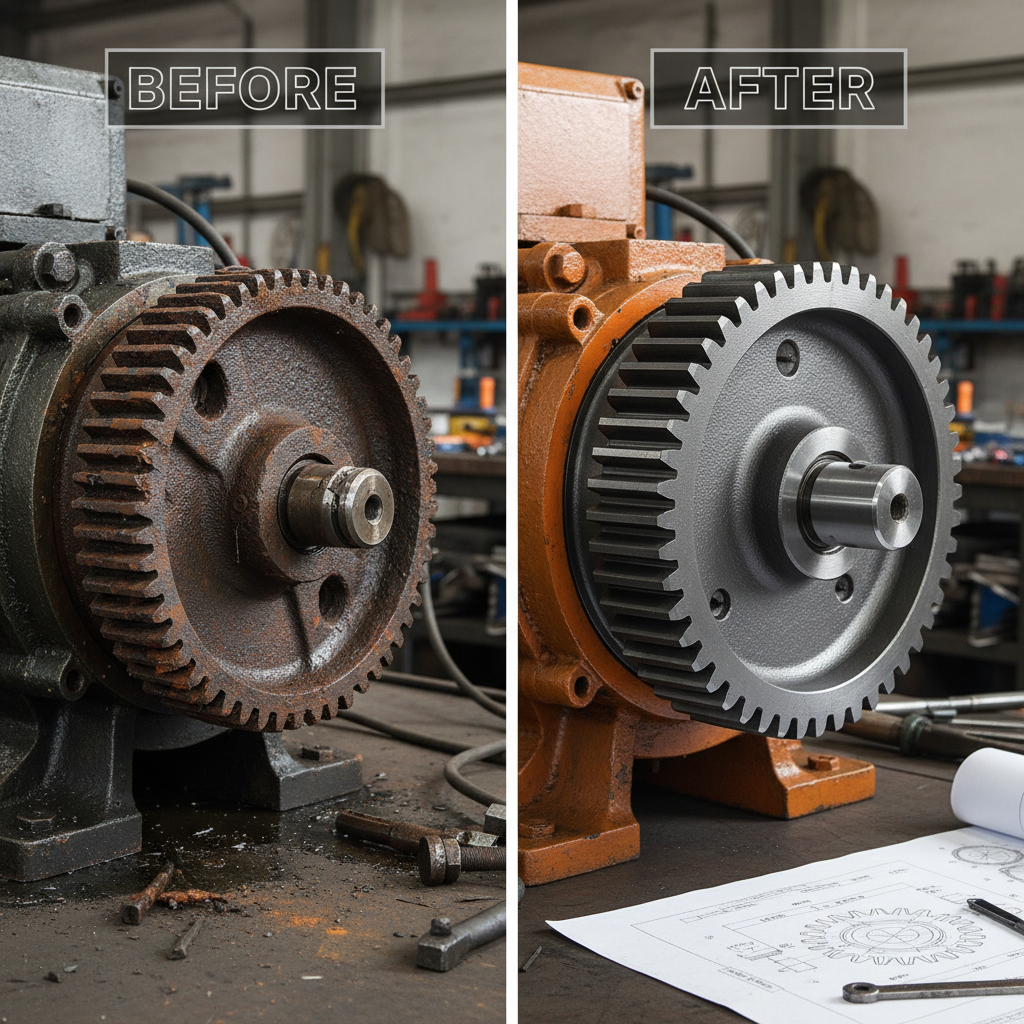
Several types of gearboxes are commonly used with DC motors, each offering unique advantages and disadvantages. These include spur gears, helical gears, planetary gears, worm gears, and bevel gears. Spur gears are simple and efficient but can be noisy. Helical gears offer smoother operation and higher load capacity, but are more expensive. Planetary gears provide high torque density and compact size, making them ideal for robotics. Worm gears offer high gear ratios and self-locking capabilities, suitable for applications requiring precise positioning. Bevel gears are used to transmit power between shafts at an angle. The best choice depends on the specific application requirements.
Key Considerations: Gearbox selection hinges on factors like torque requirements, speed reduction, efficiency, noise levels, and overall size constraints.
Applications of DC Motor Gears
The versatility of DC motor gears lends them to a vast array of applications. In robotics, they provide the necessary torque and precision for joint movement and locomotion. Automotive applications include power windows, windshield wipers, and seat adjustments. In industrial automation, they’re used in conveyor systems, packaging machines, and robotics arms. Consumer products such as power tools, toys, and household appliances also heavily rely on DC motor gear technology.
Common Application Areas:
• Robotics and Automation
• Automotive Systems
• Industrial Machinery
• Consumer Electronics
DC Motor Gearbox Selection Criteria
Selecting the appropriate DC motor gearbox involves careful consideration of several key factors. These include the required output torque, speed reduction ratio, efficiency, operating voltage, and environmental conditions. Torque requirements dictate the gearbox’s size and gear type. The speed reduction ratio determines the final output speed. Efficiency impacts energy consumption and heat generation. JSS Intering specialists can help you to optimize the selection process, so you will choose the right product to your project. Ensuring compatibility with the DC motor's voltage is critical for reliable operation.
Benefits of Using DC Motor Gears
Employing DC motor gears offers numerous benefits, including increased torque, reduced speed, improved precision, and enhanced control. The gearboxes allow motors to operate within their optimal speed range while delivering the necessary torque for the application. Higher torque translates to greater load-carrying capacity. Reduced speed enables precise positioning and controlled movement. High quality DC motor gear can improve the efficiency and longevity of your machines.
Maintenance and Longevity of DC Motor Gearboxes
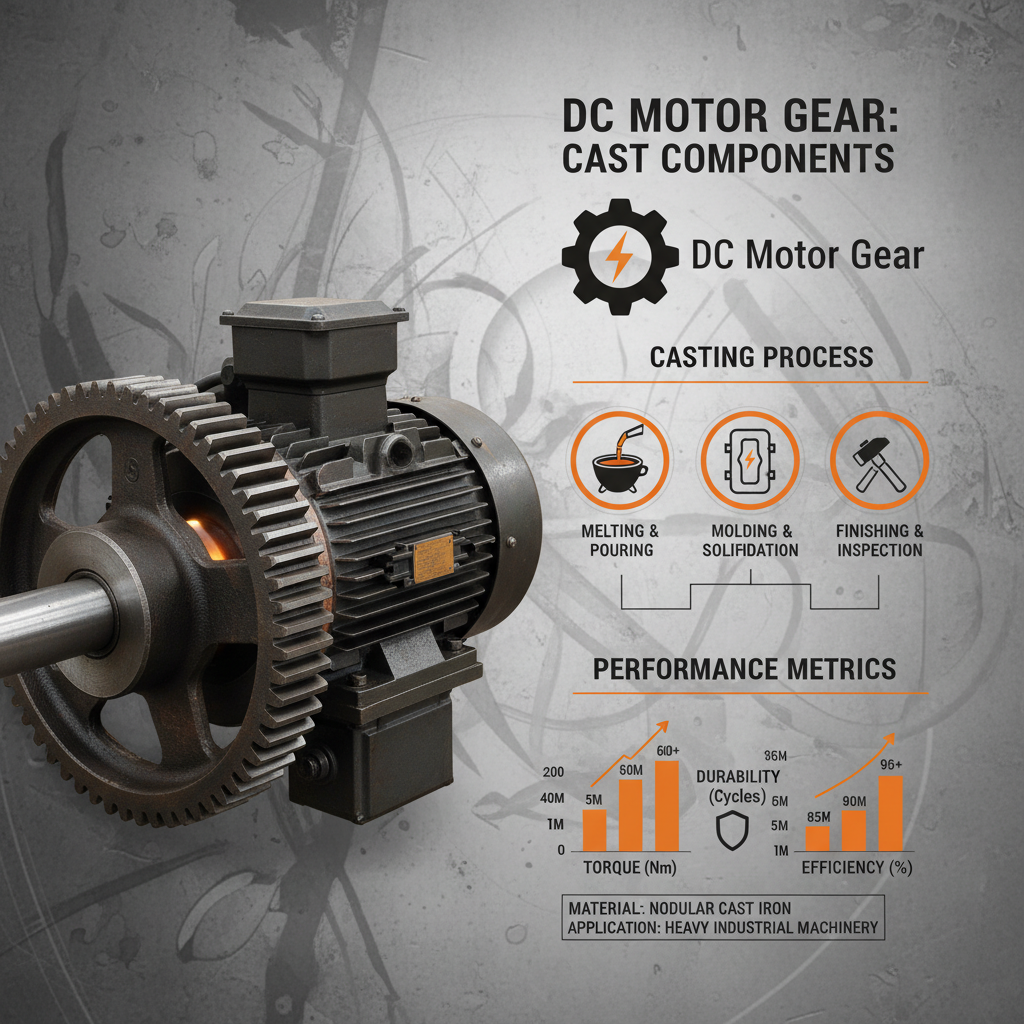
Proper maintenance is crucial for maximizing the lifespan of DC motor gearboxes. Regular lubrication with the appropriate grease reduces friction and wear. Periodic inspection for signs of damage, such as cracked gears or worn bearings, is essential. Avoiding overloading the gearbox and operating it within its specified limits will prevent premature failure. Implementing a preventative maintenance schedule can significantly reduce downtime and extend the service life of the equipment. Consider factors like operating temperature and environment when selecting lubricants.
Conclusion: Optimizing Performance with DC Motor Gears
In conclusion, DC motor gears are indispensable components in a wide range of applications, providing the necessary torque, speed reduction, and control for optimal performance. Understanding the different types, selection criteria, and maintenance requirements is crucial for engineers and professionals. By carefully considering these factors, you can ensure that your DC motor gear systems operate reliably and efficiently.
Frequently Asked Questions (FAQs)
What is the typical efficiency range of a DC motor gearbox?
The efficiency of a DC motor gearbox varies depending on the gear type, quality of construction, and operating conditions. Generally, spur gears exhibit efficiencies between 95% and 98%, while helical gears range from 90% to 95%. Planetary gearboxes typically achieve efficiencies of 85% to 95%. Worm gears have lower efficiencies, typically between 50% and 80%, due to the sliding friction inherent in their design. Choosing a higher-quality gearbox and ensuring proper lubrication can maximize efficiency.
How do I determine the appropriate gear ratio for my application?
Determining the correct gear ratio requires understanding your application’s torque and speed requirements. First, calculate the required output torque. Then, divide the motor’s output speed by the desired output speed to determine the gear ratio. For example, if the motor spins at 1000 RPM and you need an output speed of 100 RPM, the gear ratio is 10:1. It's also important to consider the motor’s torque curve and select a gear ratio that allows the motor to operate within its efficient range.
What are the benefits of using a planetary gearbox?
Planetary gearboxes offer several advantages, including high torque density, compact size, and efficient power transmission. Their design allows for a high gear ratio in a small package, making them ideal for applications with space constraints. They also distribute the load evenly across multiple gear teeth, resulting in higher torque capacity and improved durability. JSS Intering offers a wide range of planetary gearboxes for various applications.
How often should I lubricate my DC motor gearbox?
The lubrication frequency depends on the gearbox type, operating conditions, and manufacturer's recommendations. Generally, a periodic lubrication schedule is essential. For lightly loaded gearboxes operating in clean environments, lubrication every 6-12 months may suffice. However, for heavily loaded gearboxes or those operating in harsh environments, more frequent lubrication (every 3-6 months) is recommended. Always use the lubricant specified by the gearbox manufacturer.









